



For the person affected, the immediate question is often the same: where do I turn for help?
The wider philosophy echoes Chinese President Xi Jinping’s statement during a Shanghai inspection in November 2019: “The cities are built by the people and are for the people.” The remark concerned urban development generally, rather than this centre specifically.
Multiply those concerns across more than 21.8 million residents, and public service becomes an enormous undertaking.
In Beijing, one number, 12345, helps people find answers, report problems and reach the institutions responsible for taking action.
During my visit to the Beijing Municipal Government Service Center, I explored the system behind that connection. Located at No. 1 Xisanhuan Nanlu, in Fengtai District, the centre brings administrative services together and provides a window into the operation of the citizen hotline.
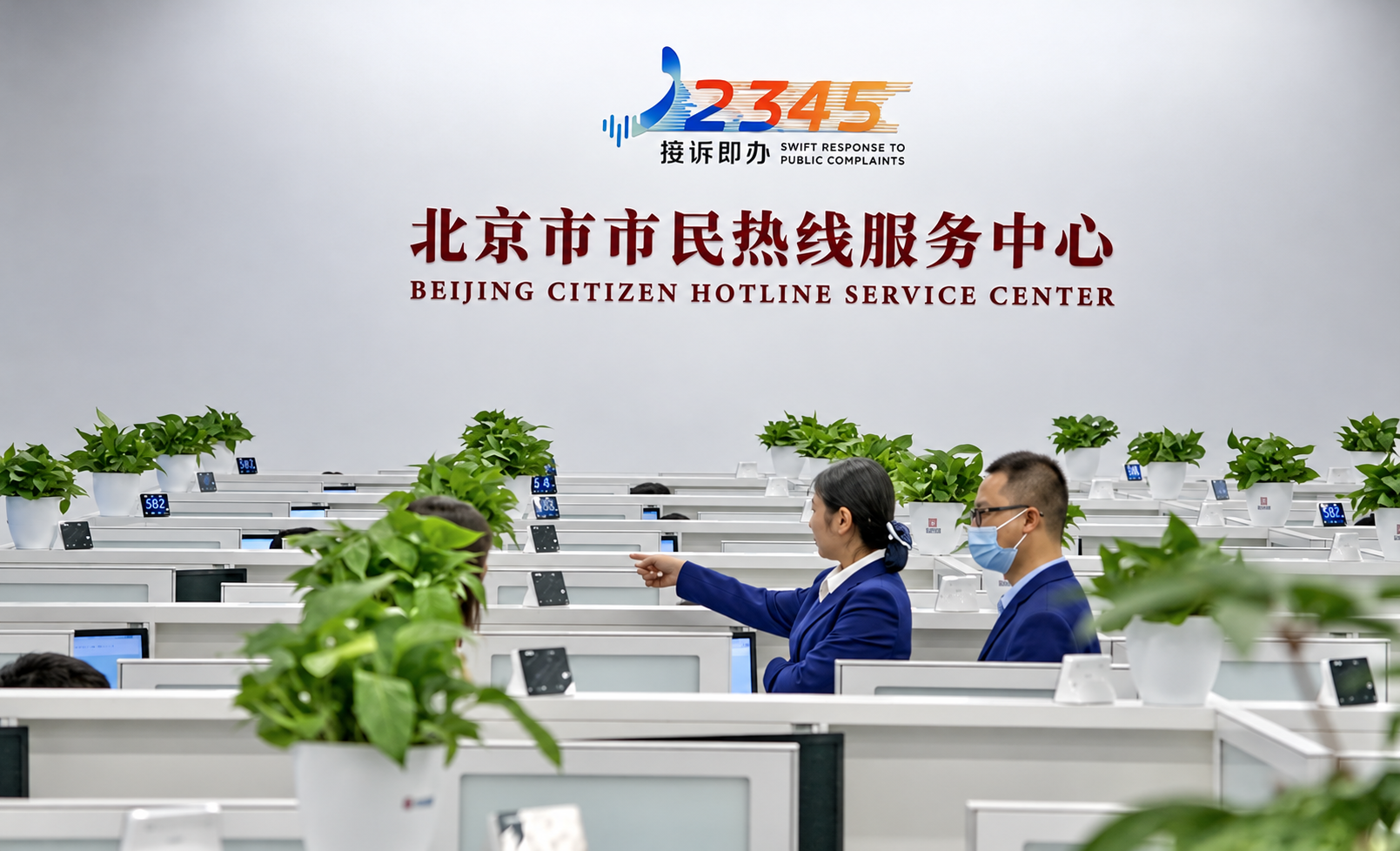
According to Feng Yingyi, Deputy Director of the Beijing Municipal Citizen Service Hotline Center, its significance extends beyond receiving calls. Beijing has organised a process intended to ensure that residents’ concerns reach the right institution, receive attention and generate feedback.

From three operators to a citywide network
Beijing’s hotline story began in 1987, when the “Mayor’s Hotline” operated with just one telephone line and three operators, according to the municipal government. It subsequently expanded into a broader public service platform.
A government telephone service centre was established in 2000. In 2007, Beijing formed a non-emergency assistance centre, before upgrading the system in 2012 to combine telephone, website and social media channels.
The major change came in 2019 with the “Swift Response to Public Complaints” reform. Its purpose was to connect public requests with rapid responses, effective handling and timely feedback, while using recurring concerns to improve city governance.
The reform made the hotline part of a wider service process: receive a request, assign responsibility, handle the issue and seek the resident’s assessment.
Serving more than 20 million people
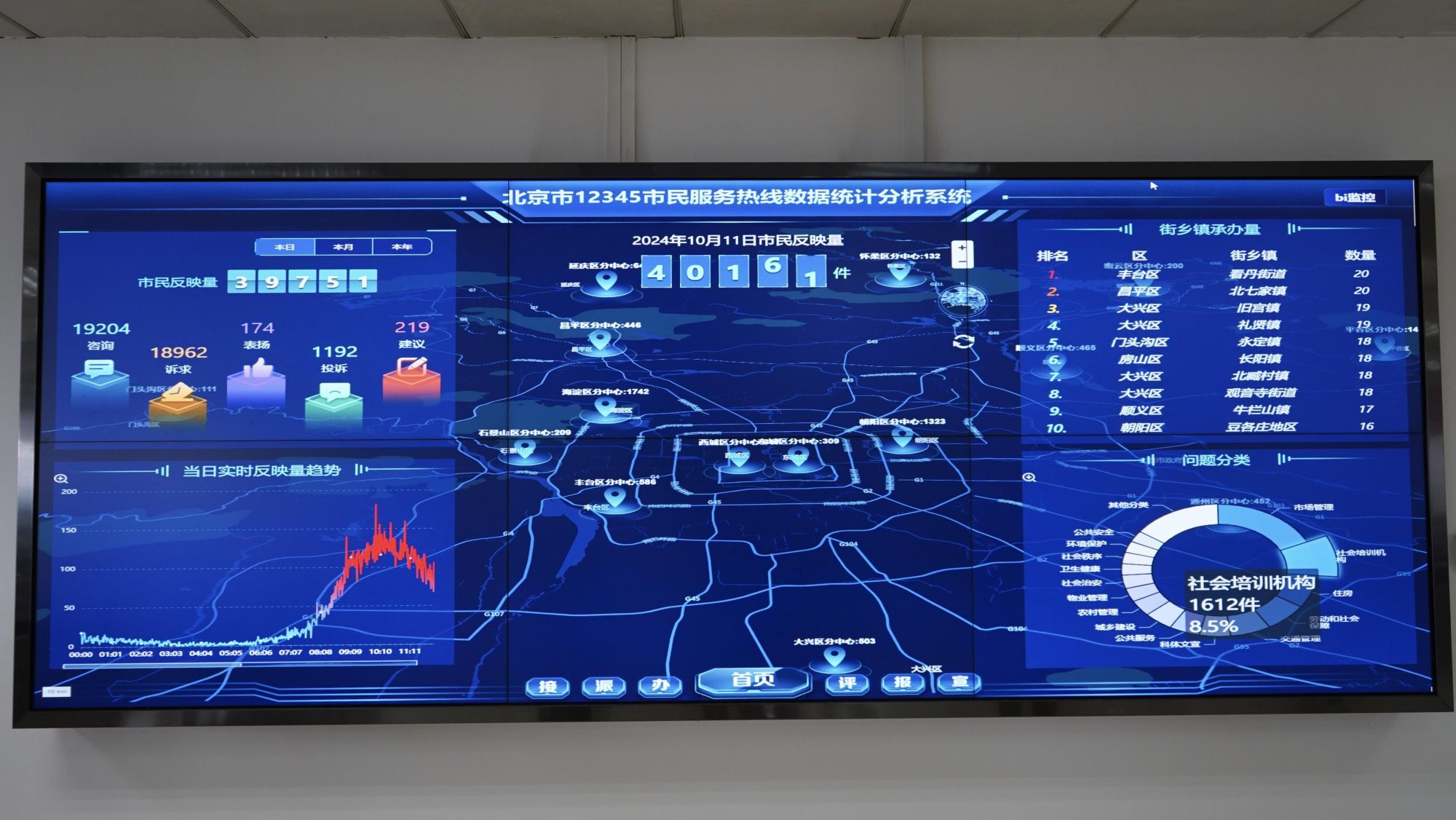
According to Feng, the hotline handled 25.802 million requests in 2025, an average exceeding 70,000 daily.
Since the 2019 reform, approximately 200 million enquiries, requests, suggestions and complaints have been handled. These are different categories of contact, rather than 200 million separate complaints.
The resolution rate increased from 53.1% to 97.3%, while satisfaction rose from 64.6% to 97.7%. These are official performance figures, rather than an independent assessment.
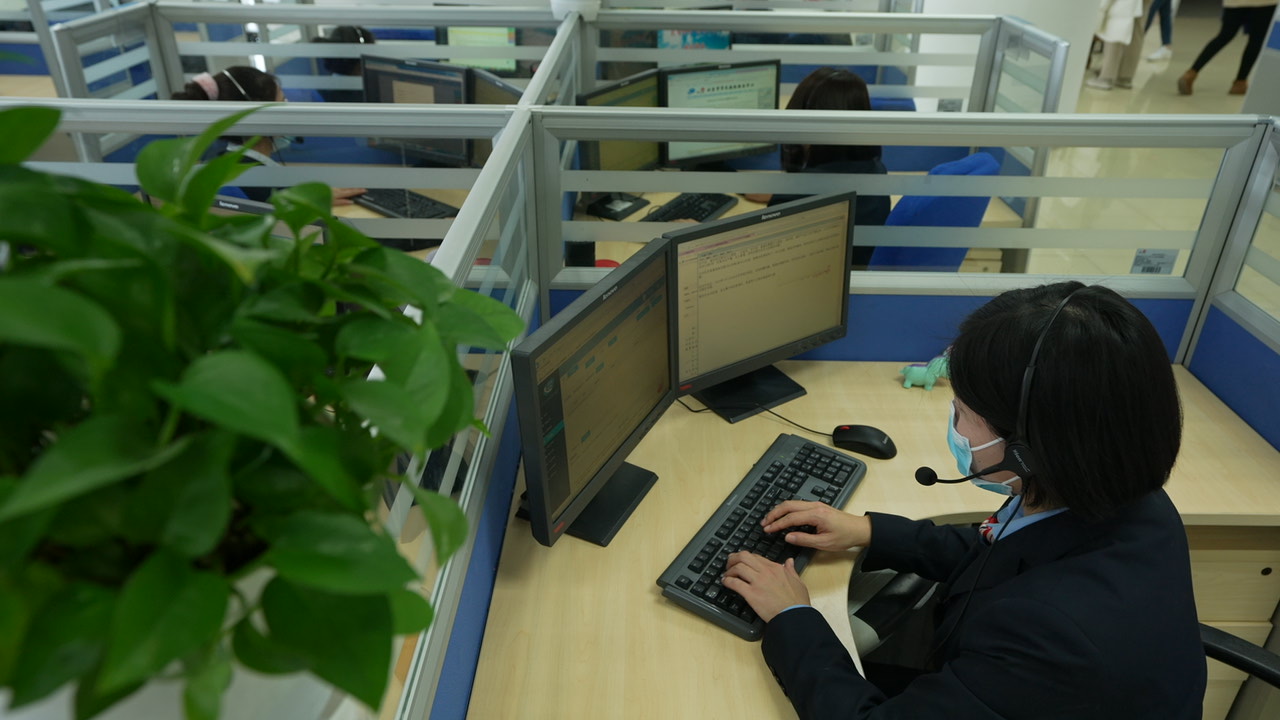
Behind the workload are more than 1,700 operators working in shifts across 750 workstations. The service operates 24 hours a day, seven days a week.
Dedicated business desks handle more than 2,500 requests daily. For entrepreneurs, the hotline provides guidance on matters including business registration and social insurance registration. Individuals can seek information on transport, employment, residence and other services.
Bringing services closer
The Government Service Hall complements the hotline, bringing together more than 60 departments and over 2,300 government service items.
More than 90% of services can be completed entirely online. That gives residents opportunities to avoid queues, unnecessary journeys and time away from work, although the materials do not quantify the time saved.
According to Feng, the hotline’s operators can answer some enquiries directly. Where they cannot, cases are passed to the responsible authority, followed by a reply and a check on processing and satisfaction.
The service is primarily a non-emergency channel; dedicated police, fire and medical numbers remain available for emergencies.

Technology with a human purpose
According to Feng, artificial intelligence assists with gathering information, creating work orders, assigning requests and checking quality.
Through the Jingtong App, an intelligent agent called “Jingjing” supports voice interaction, alongside text, photograph and video submissions.
The hotline’s knowledge base has grown from 120,000 entries in 2023 to more than 600,000.
However, the available information does not disclose how many complaints AI resolves independently. The distinction matters: recording or forwarding a problem automatically does not establish that it has been solved.
Foreign-language channels operate in 10 languages, while video sign-language services broaden accessibility.
Lessons beyond Beijing
For other cities facing growing populations and rising expectations for public services, Beijing’s experience offers several lessons. A single point of contact can make it easier for residents to reach government institutions, while clear procedures for assigning requests and following up can help establish accountability.
The model also highlights the potential of technology to support service delivery. Artificial intelligence can help organise information, direct requests and monitor the handling of cases, while online platforms and multilingual channels can broaden access. But technology alone cannot guarantee that a resident’s problem will be solved.
Ultimately, the value of a public service system lies not simply in the number of calls it receives or the speed at which requests are processed, but in whether people obtain meaningful responses and can hold the responsible institutions accountable.
Beijing’s 12345 hotline illustrates how a single number can serve as the entry point to a much wider administrative system. For cities elsewhere, the broader challenge is to build systems that turn that first contact into effective action and give residents confidence that their concerns will be heard.
Loading comments...
Leave a comment