



IremboGov, Rwanda AI Scaling Hub and Digital Umuganda are among the initial signatories backing the five-year commitment, which brings together technology companies, researchers, governments, philanthropic organizations and community groups from around the world.
The initiative was announced in New York on September 21, with the signatories calling for broader collaboration to make AI tools more effective and accessible in the languages and voices people use in their daily lives.
Other signatories include Amazon, Anthropic, Gates Foundation, Google, Microsoft, Mistral, NVIDIA, UNICEF, World Bank Group, OpenAI Foundation and Zoom.
Closing AI's language gap
There are roughly 7,000 languages spoken around the world, but only a small proportion are considered sufficiently resourced to support strong AI capabilities.
Many languages have limited representation in the datasets, tools and benchmarks used to develop and evaluate AI systems. This can result in AI tools that are less accurate or useful for speakers of those languages.
The challenge also extends beyond written text. The coalition says voice-based AI can be particularly important in communities where typing or text-based interfaces are less practical.
Dialects, slang, idioms and cultural context can also affect how AI systems understand and respond to people, creating risks when accuracy is important, including in areas such as health, education, agriculture, financial services and public services.
The coalition's five-year goal is to make AI tools available in the languages and voices of an estimated 3.4 billion people whose languages are currently underrepresented in AI models.
Four areas of focus
The participating signatories will work across four main areas.
The first is developing an open language layer, including shared and safe data infrastructure that AI developers can use under open licences.
The second is developing assessments and benchmarks to track whether AI systems are making measurable progress in supporting more languages.
The third involves turning language data into models and applications that can be used by AI developers, including those without the resources to build such systems independently.
The fourth focuses on ensuring that the technology reaches people responsibly, with attention to privacy, consent and data sovereignty.
The coalition builds on existing work by organizations developing datasets, language models, benchmarks and AI applications for languages that have received less attention in the development of AI.
Rwanda's role
Rwanda's participation brings together entities working across digital public services, AI development and the country's broader digital transformation ecosystem.
IremboGov operates Rwanda's digital government services platform, through which citizens and residents can access a wide range of public services online. Its participation connects the initiative to Rwanda's experience using digital technology to make government services more accessible.
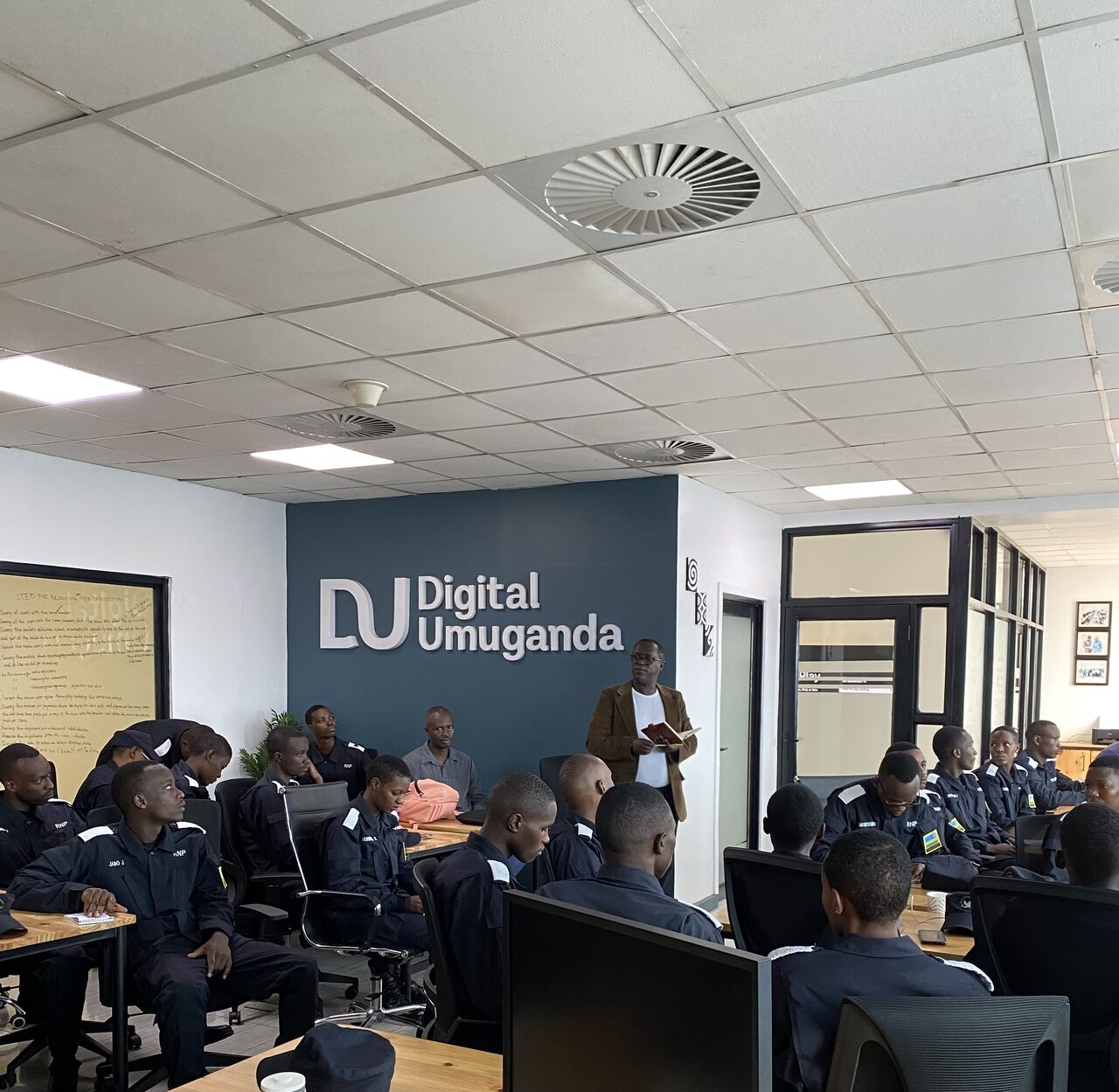
The Rwanda AI Scaling Hub supports the development and adoption of AI in Rwanda, while Digital Umuganda works to expand digital skills, access and participation in technology, particularly at the community level. Both are among the Rwandan signatories to the commitment.
Their participation places Rwanda alongside major technology companies, research institutions, governments and development organizations working to expand the reach of AI.
The coalition says its detailed governance structure and workstreams will be developed collaboratively over the coming year. The participating signatories will contribute according to their respective expertise and capabilities.
The initiative also invites additional participants across the global AI ecosystem to join the effort and contribute resources, research, technology or implementation expertise.
Loading comments...
Leave a comment