



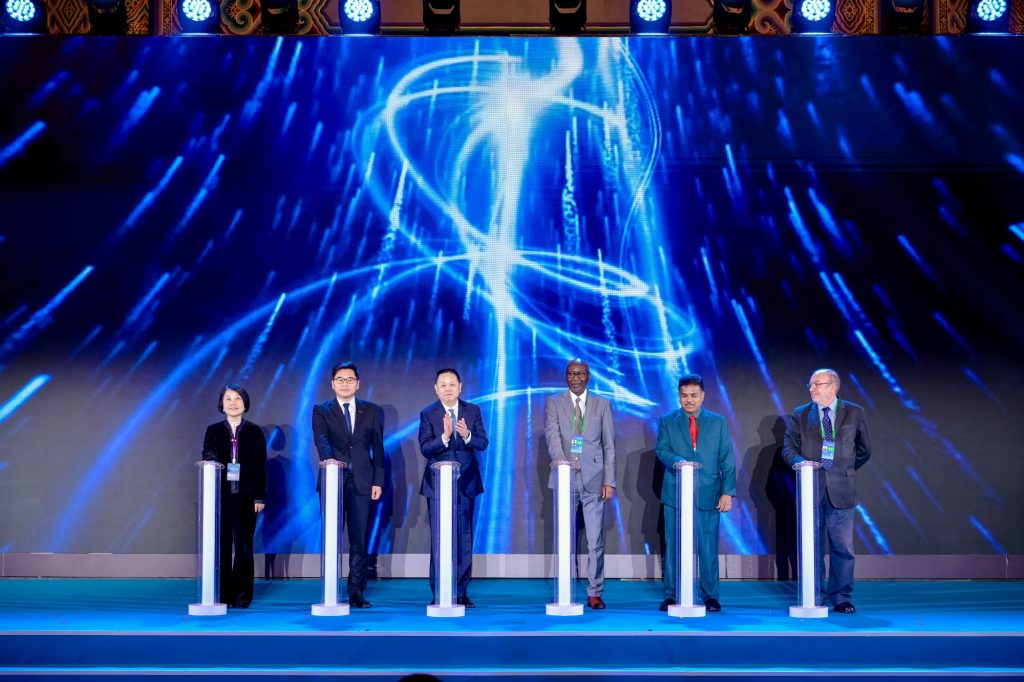
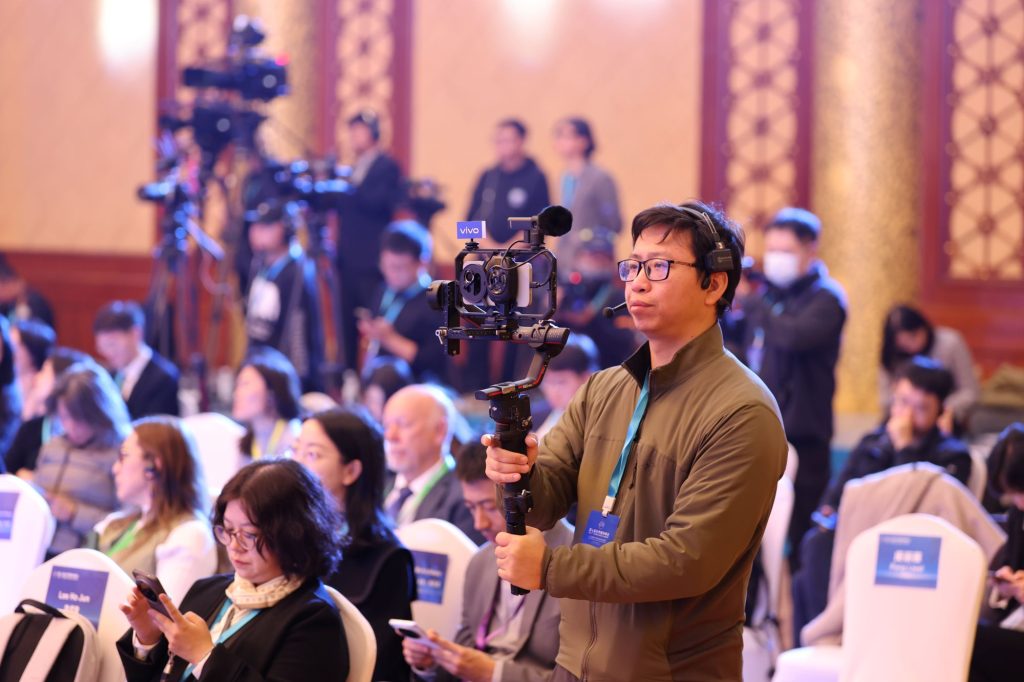
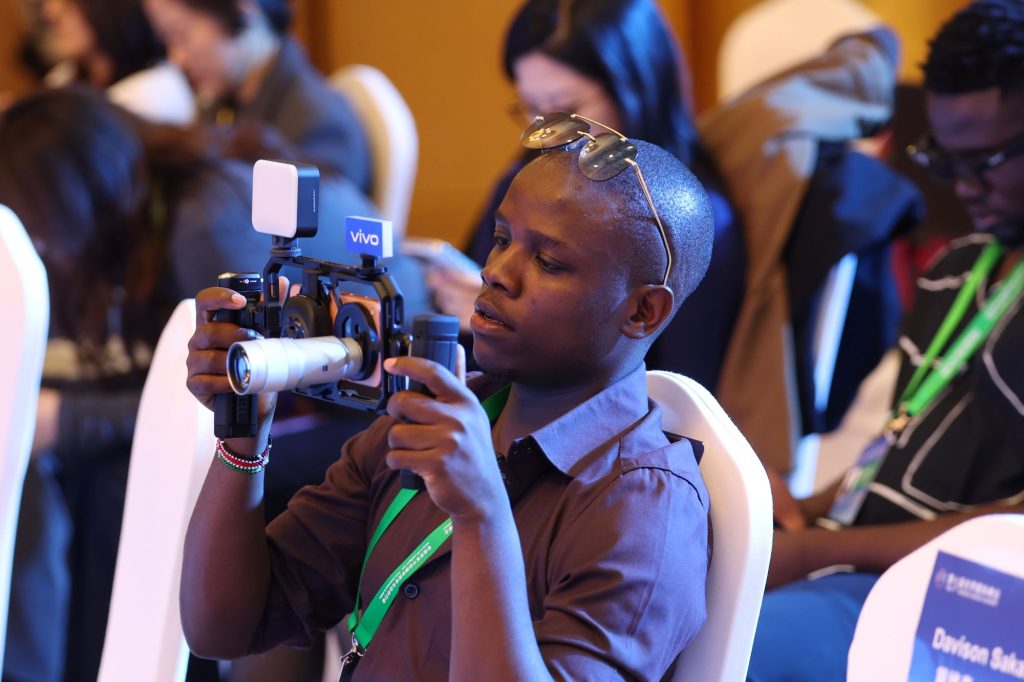
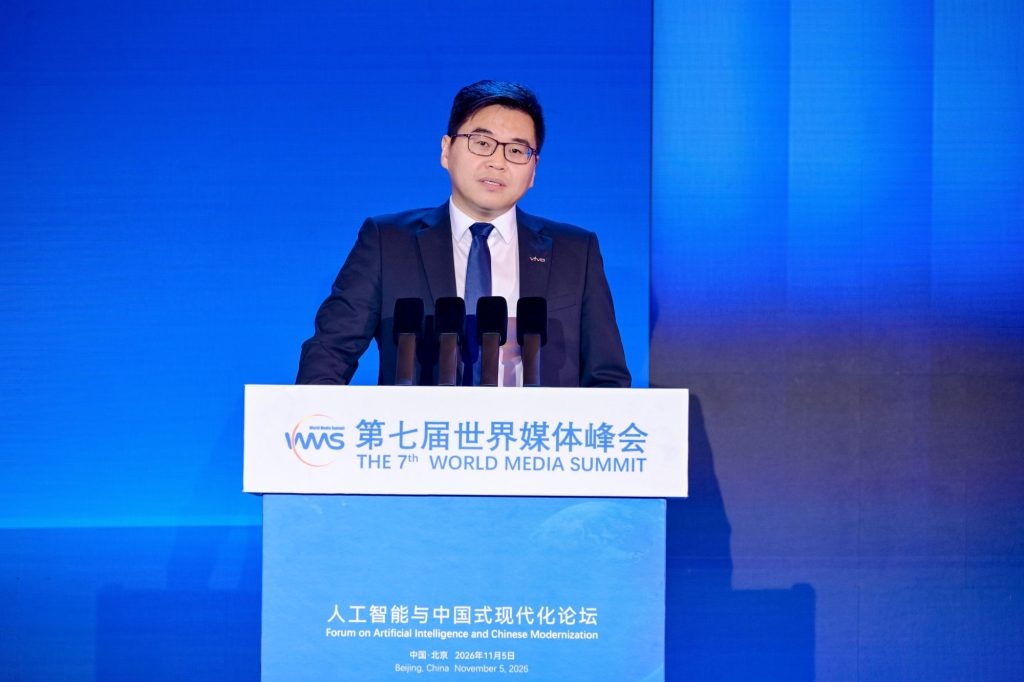
That journey gave Saturday’s opening of the seventh World Media Summit particular significance. On November 7, 2026, Xinhua News Agency marked its 95th anniversary as nearly 500 representatives from almost 330 organisations across 112 countries and regions gathered at the Great Hall of the People.
Jointly organised by Xinhua and the Beijing Municipal Government, the summit demonstrated China's capacity to bring diverse media institutions together around a shared challenge: ensuring that artificial intelligence strengthens journalism and that its benefits reach newsrooms around the world.
This year's summit is the largest to date in terms of participating countries, organisations and the seniority of delegates. Established in 2009, the gathering has become an important platform for international cooperation, particularly for media organisations from the Global South seeking stronger representation and greater access to technological opportunities.
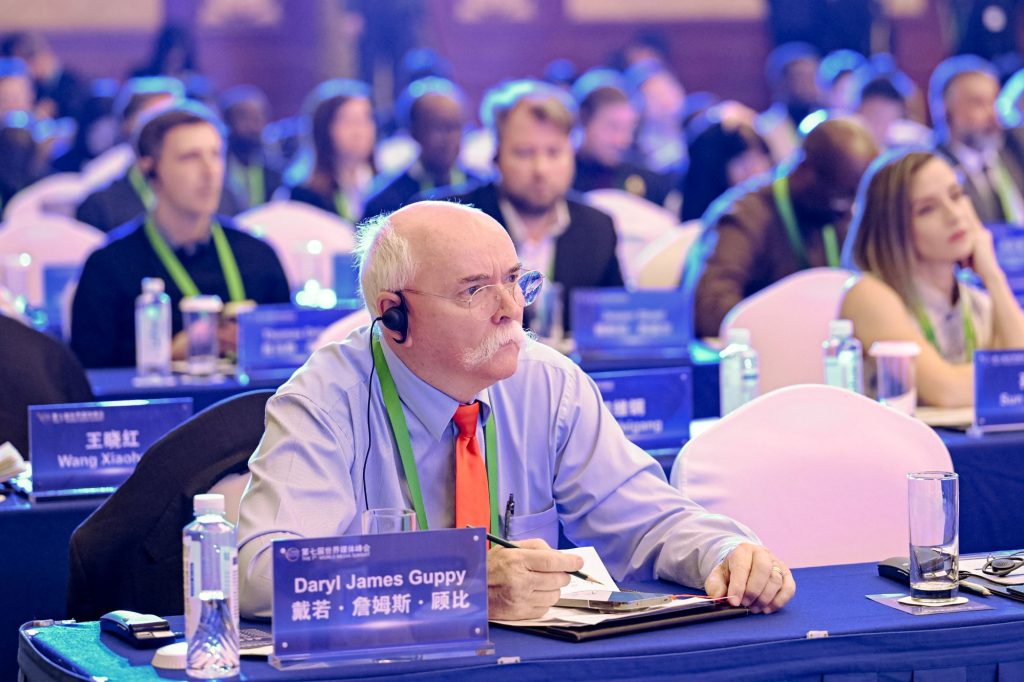
The five-day programme, running from November 5 to 9, began translating those ambitions into tangible experiences ahead of Saturday's opening ceremony. On Thursday, Xinhua and robotics company UBTECH unveiled Xinyu and Xinyan, two humanoid news presenters. A reception on Friday brought delegation leaders together ahead of the formal opening.
Beyond the conference rooms, visits to Beijing's historic cultural sites and innovation centres connected the discussions to China's own experience, giving delegates a firsthand look at how cultural preservation and technological ambition can advance together.
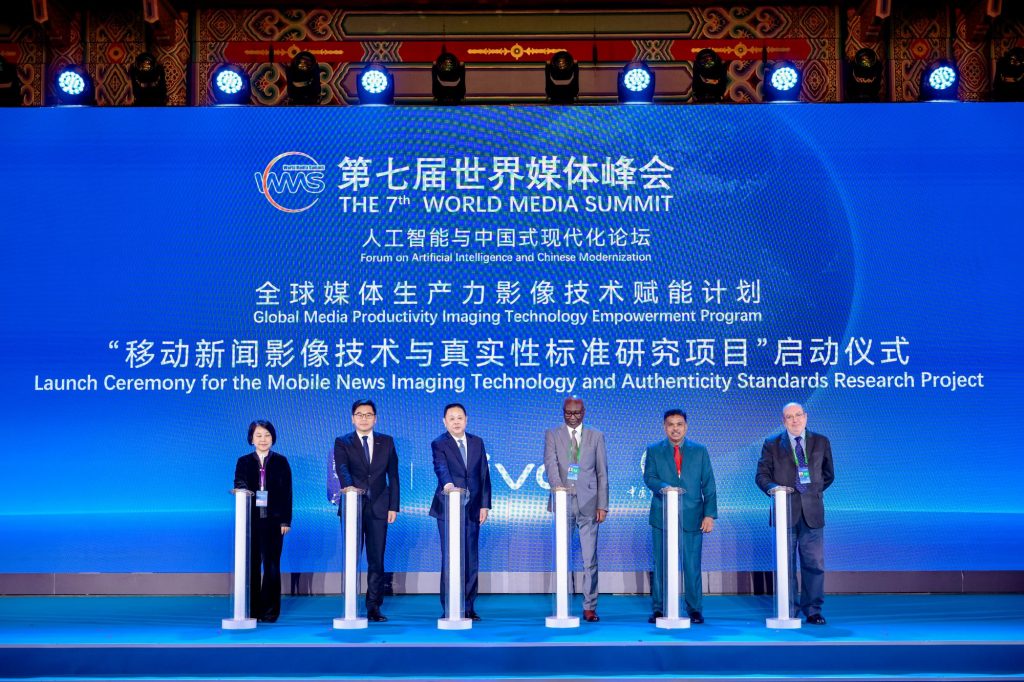
Under the theme "Media in the Intelligent Age: From Consensus to Action", Saturday's proceedings produced concrete commitments. Xinhua launched the Global Media Initiative for the Joint Development of AI Application Standards, with 22 initial participants, including Bernama, TASS and South Africa's Independent Media.
The participants plan to spend approximately two years developing standards to safeguard news authenticity, data security and professional ethics. Xinhua's think tank also released its "AI Plus Media: Global Development Report 2026", while the Beijing Consensus committed delegates to promoting inclusive and responsible AI and strengthening international cooperation.
For African newsrooms, these discussions carry immediate relevance. Artificial intelligence can expand reporting capacity and support multilingual publishing, but the cost of adopting the technology remains a barrier. Bernama Chairman Wong Chun Wai highlighted the potential for international cooperation to make AI more affordable.
Practical partnerships reinforced that message. On November 5, Xinhua signed cooperation agreements with the news agencies of Gabon and Lesotho, covering information and personnel exchanges. The agreements provide concrete avenues for strengthening professional ties and supporting newsroom modernisation.
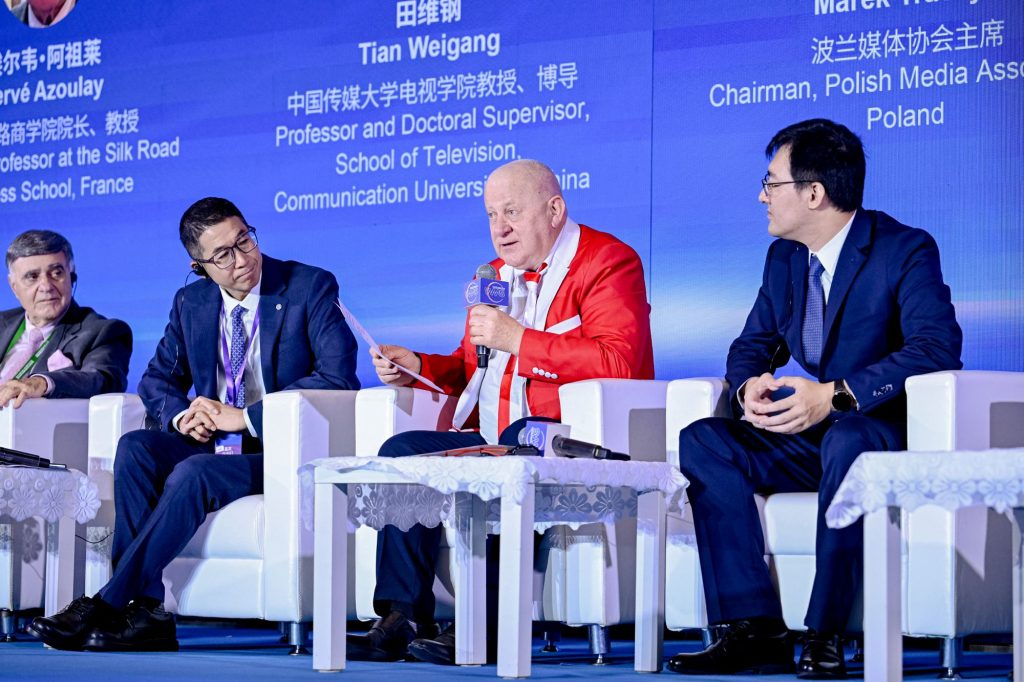
The summit also brought together Xinhua and executives from the Associated Press (AP), Reuters, Agence France-Presse (AFP) and CNN to discuss technological change and media credibility, highlighting the value of international dialogue.
From a farmhouse transmitter to a forum connecting continents, Xinhua's 95th anniversary captured an extraordinary transformation.
Beijing's contribution was to give that history a forward-looking purpose: helping more countries participate in shaping journalism's next chapter.

All photos: Xinhua News Agency
Loading comments...
Leave a comment