



A comparison of data from 1992, 2000 and 2025 offers a clear picture of Rwanda's remarkable transformation.
Across key areas including living standards, healthcare, education and the economy, the figures point to substantial and measurable progress over the past three decades.
Today, Rwandans enjoy a significantly higher life expectancy than they did three decades ago.
Average incomes have increased, while infant and maternal mortality rates have declined sharply.
The country's healthcare system has also undergone a remarkable transformation. Rwanda now provides advanced medical services that were once unavailable, including heart surgery and organ transplantation procedures such as kidney transplants.
These achievements are reflected in successive Demographic and Health Surveys conducted over the years.
This analysis draws on findings from the first survey carried out in 1992, the second conducted in 2000, and the seventh survey published in 2025, all of which illustrate the profound changes in the lives and well-being of Rwandans.
In 1992, Rwanda's population stood at approximately 7.2 million. At the time, the country ranked among the most densely populated in the world, with an average population density of 270 people per square kilometre. The population was growing at an annual rate of 3.2%.
According to the second Demographic and Health Survey conducted in 2000, although Rwanda had lost more than one million people during the 1994 Genocide against the Tutsi, the country's population did not decline overall.
Following the end of the genocide, large numbers of Rwandans who had fled the country returned home, contributing to population growth.
As a result, Rwanda's population had risen to approximately 7.6 million by 2000, with an annual population growth rate of 2.8%.
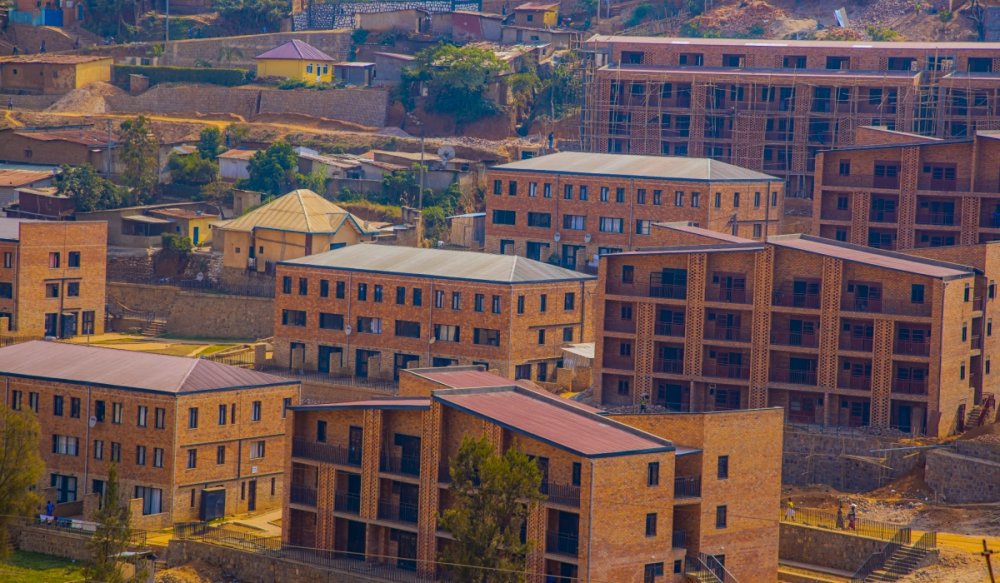
By 2025, the National Institute of Statistics of Rwanda (NISR) reported that the country's population had reached 14.1 million, up from 13.2 million in 2022. The report also indicated that Rwanda's population is growing at an annual rate of 2.3%.
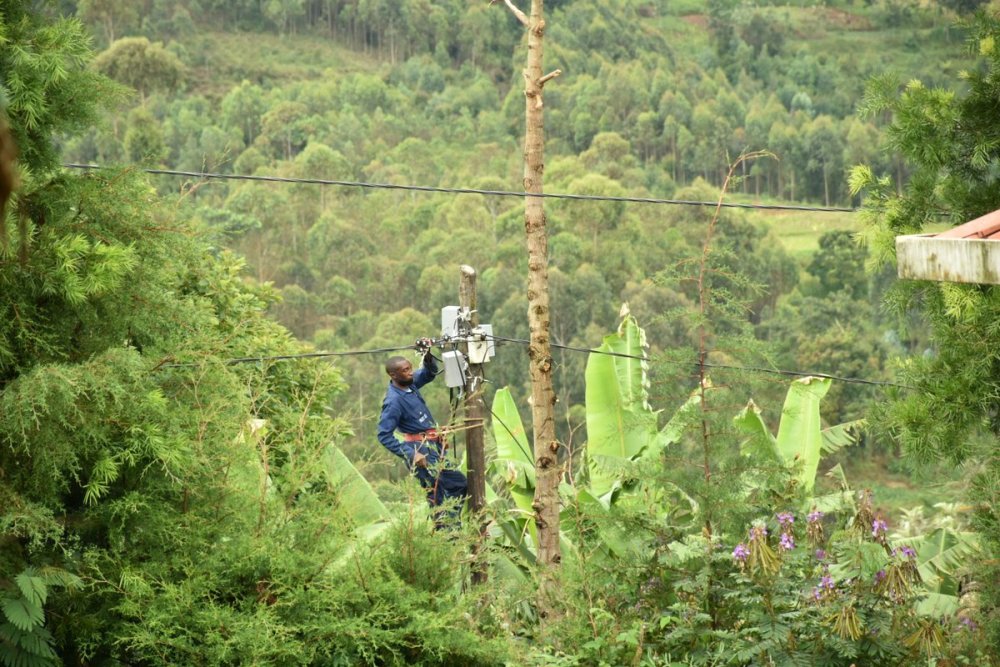
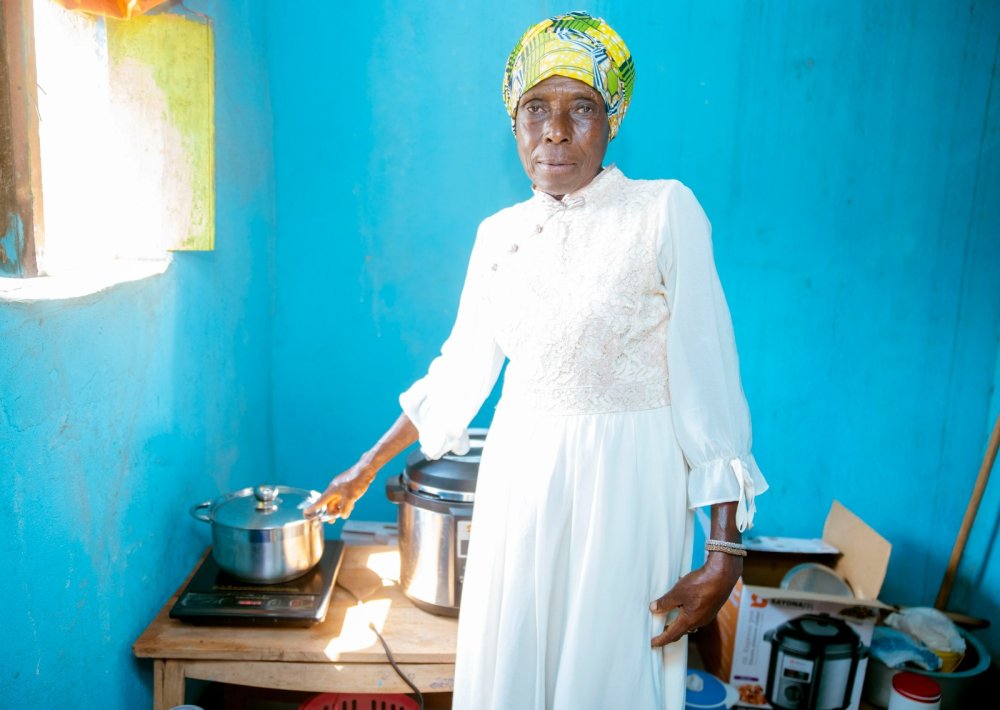
Rwanda has also made remarkable progress in improving living standards. In 1992, only 2.3% of Rwandans had access to electricity.
That figure rose to 6% in 2000 and reached 75% by 2025. Of those with access to electricity today, 54% are connected to the national power grid.
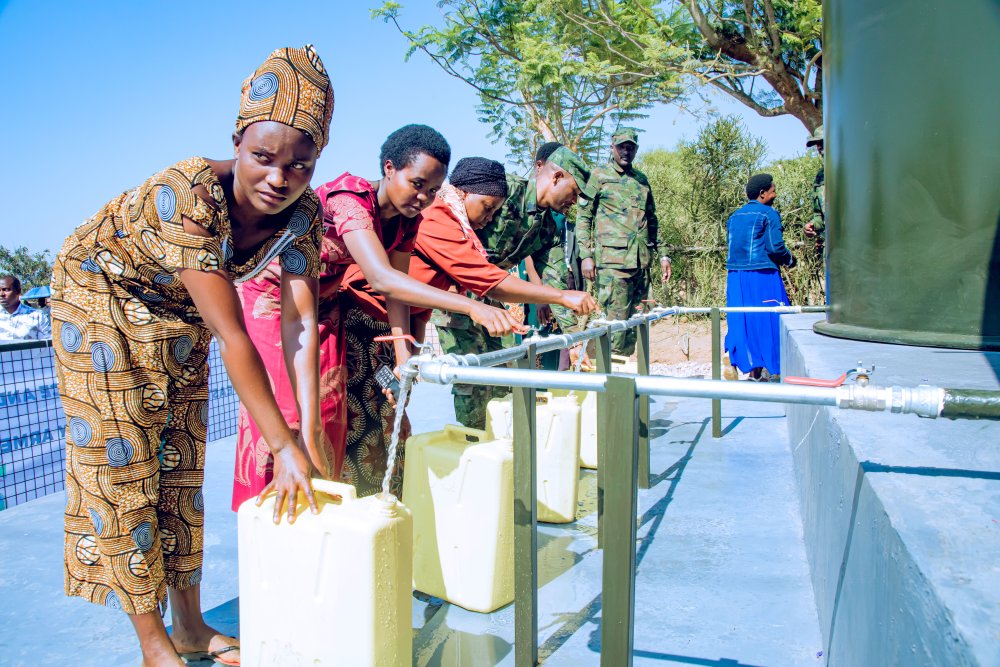
Access to clean water has improved significantly as well. In 1992, only 1.7% of households had piped water inside their homes, while 20.8% relied on public water taps. The rest depended on water from springs, rivers and other natural sources.
By 2000, the proportion of households with piped water at home had increased slightly to 1.9%, while 29.1% of the population accessed water through public taps. Many others still relied on springs, rivers and other water sources.
In 2025, the situation had changed considerably. About 24% of households had piped water in their homes, while 44% accessed clean water through public taps located within a 30-minute round trip from their homes, reflecting improved access to safe drinking water.
The country's healthcare sector has also undergone a dramatic transformation. In 1992, more than 73% of women gave birth at home, and one in every five babies was delivered without the assistance of a trained health professional.
Home births remained common in 2000, with about 73% of women still delivering outside health facilities. The majority of those who gave birth at home were women aged over 35, accounting for 82% of all home deliveries.
By 2025, institutional deliveries had become the norm. An overwhelming 98% of women gave birth in health facilities, while only 2% delivered outside hospitals or health centres.

These improvements have been accompanied by a significant decline in child mortality rates. Before 1992, 150 out of every 1,000 children born in Rwanda died before reaching the age of five.
By 2000, the figure had fallen, although it remained high, with more than 100 children out of every 1,000 dying before their fifth birthday.
Today, the under-five mortality rate in Rwanda has dropped significantly, with approximately 27 children out of every 1,000 live births dying before reaching the age of five.
The country's health progress is also reflected in the rise in life expectancy. In 1992, Rwandans had an average life expectancy of slightly more than 44 years. This increased to 47 years in 2000 and reached 69.6 years by 2025.
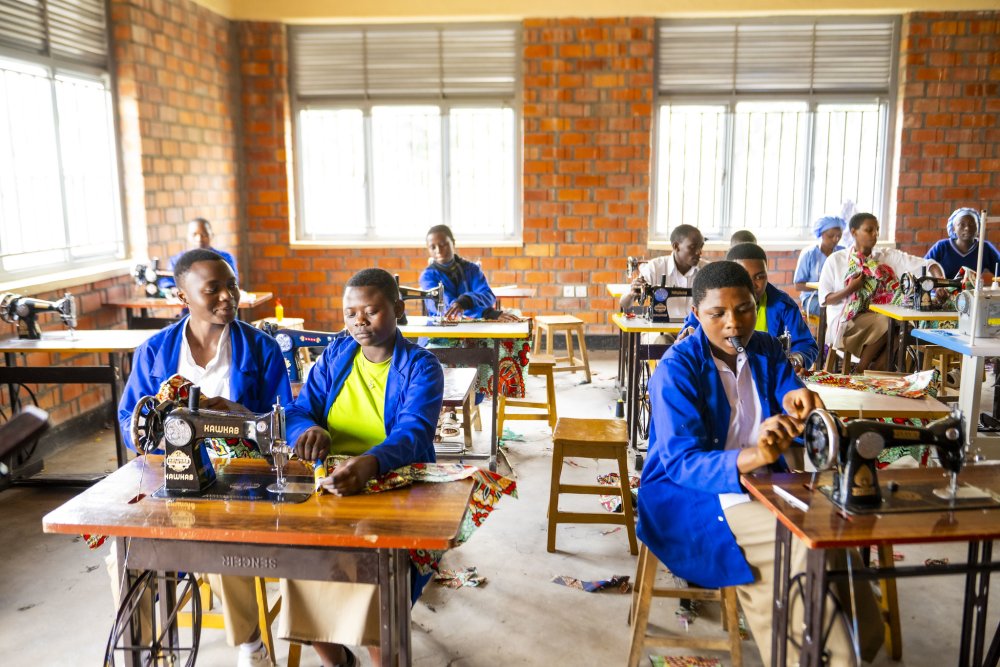
In the education sector, major changes have also been recorded. In 1992, only 25.8% of women aged up to 49 had completed primary education, compared with 56.2% of men in the same age group.
By 2000, the proportion of people who had completed primary education had increased to 72.2%. In 2025, 38% of women and 40% of men under the age of 49 had completed primary education.
Economic conditions have also improved over the past three decades. In 1992, Rwanda's average income per person was estimated at $270 annually, while 91% of the population depended on agriculture as their main source of livelihood. In 2000, average income stood at around $250 per person per year, with 91% of Rwandans still relying on agriculture.
By 2025, average income per person had increased to approximately $1,040 annually, while the share of the population dependent on agriculture had declined to 65%.
Looking at these figures, it is clear that Rwanda has achieved significant progress over the past 32 years, although the journey of transformation continues.
The country's ongoing development efforts are reflected in its ambitions under the Second National Strategy for Transformation (NST2) and the long-term aspirations outlined in Vision 2050.

Loading comments...
Leave a comment