



The donation comes shortly after the company launched a new factory in Rubavu with the capacity to produce 15 tonnes of clean fuel pellets per day, strengthening the availability of sustainable cooking fuel while helping reduce greenhouse gas emissions and dependence on traditional fuels.
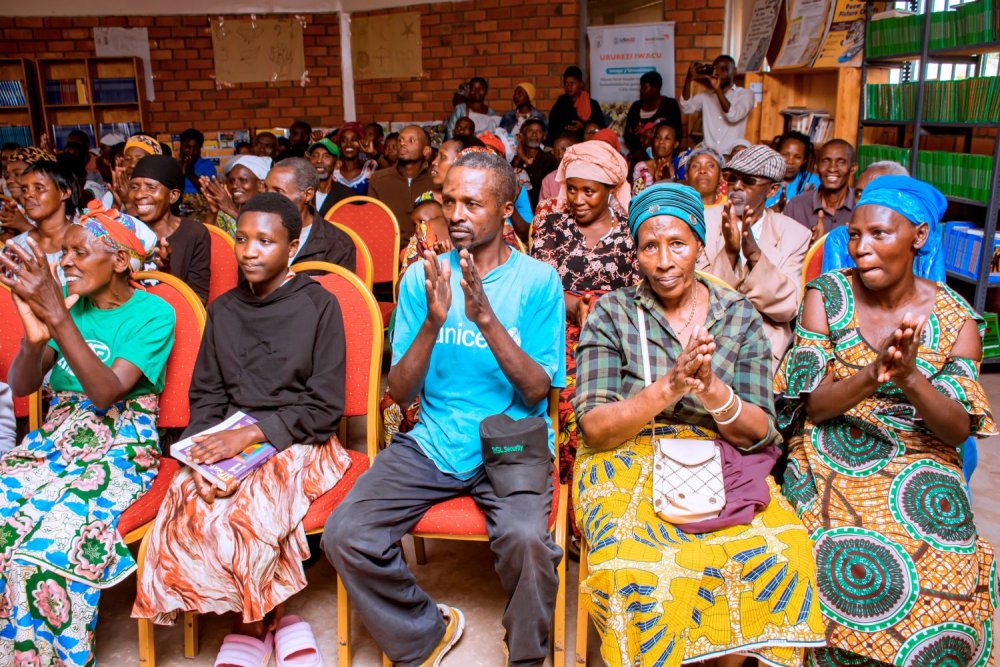
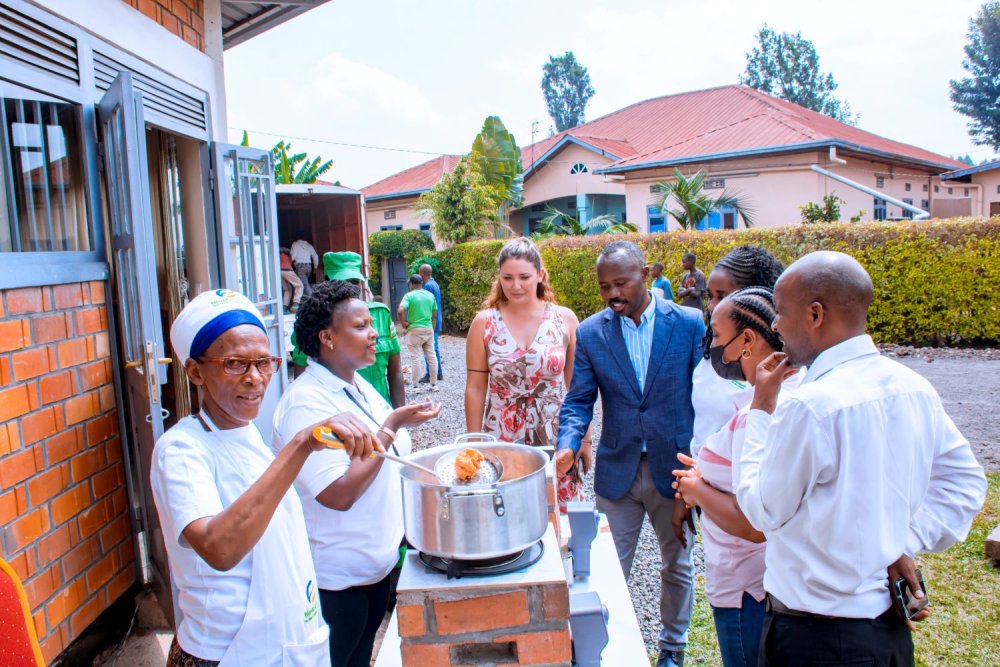
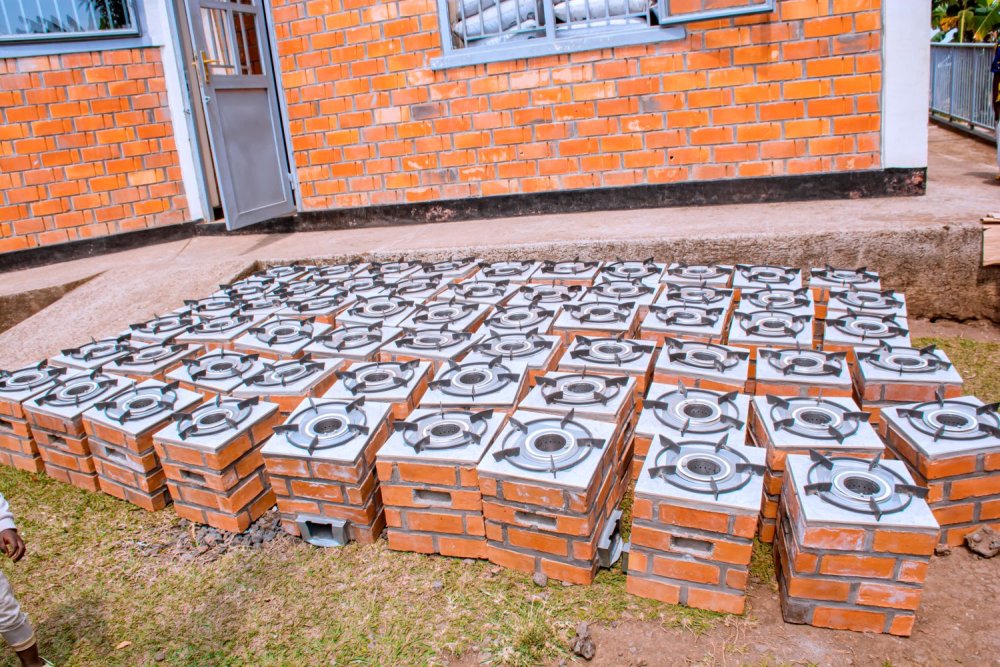
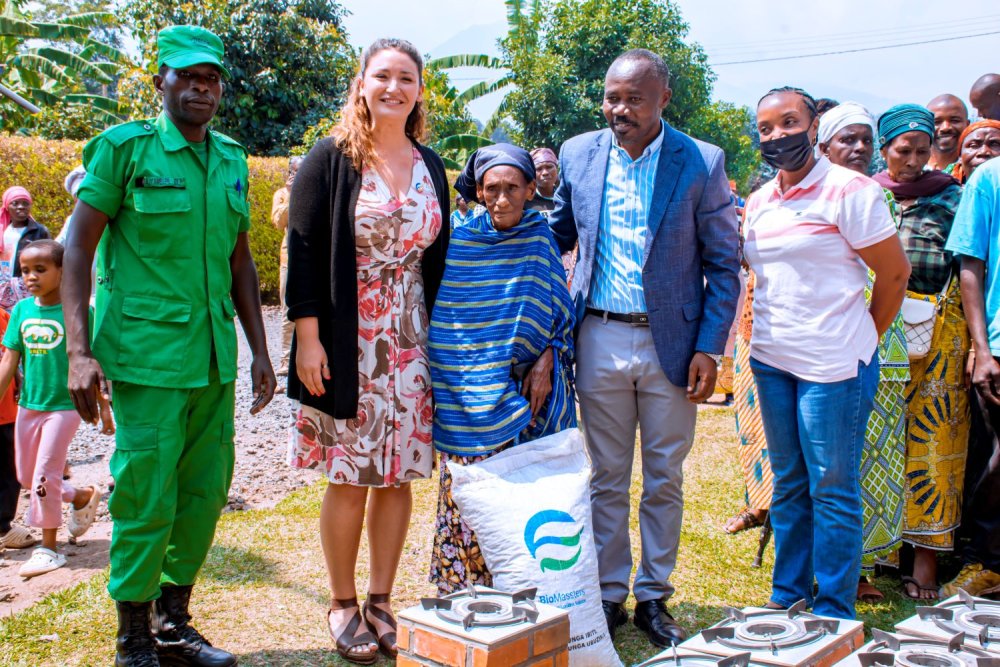
The cookstoves were distributed to 155 families living in the Muhira Model Village in Rugerero Sector during a ceremony held on Thursday, July 16, 2026. The event was attended by BioMassters executives, Rubavu District officials and representatives from various institutions.
Rwanda has continued to make progress in the adoption of clean cooking solutions. According to the Seventh Integrated Household Living Conditions Survey (EICV7), the proportion of households using environmentally friendly cooking fuels increased from 1% in 2017 to 5.4% in 2024.
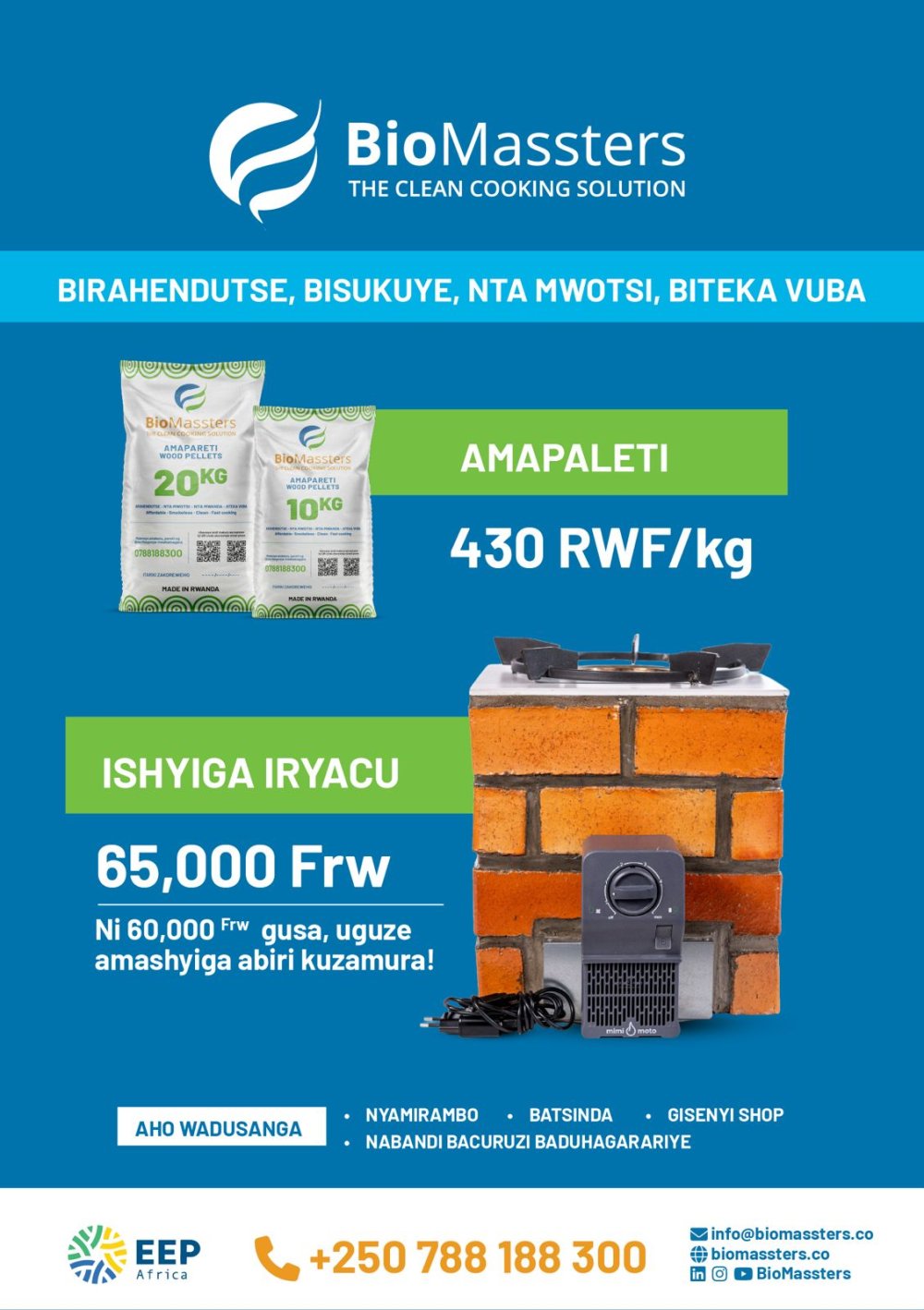
Over the past four years, BioMassters has been manufacturing two types of clean cookstoves: the Iryacu stove, locally produced in Rwanda using bricks, and the InzuChief stove, made from metal.
Both models are designed to be durable, produce minimal smoke and use fuel pellets that cost about 50% less than charcoal, offering households a cleaner and more affordable alternative.
One of the beneficiaries, Valentine Nyirandimubanzi, said the donation would ease the financial burden on families while improving hygiene in their homes.
"These cookstoves will help us save money. We used to spend Rwf700 on a kilogram of charcoal, and it did not last long. A kilogram of pellets costs only Rwf430. We are delighted because these are high quality stoves that many of us would not have been able to afford," she said.
She added that replacing charcoal with pellets would also help keep their kitchens cleaner, as charcoal often left cooking areas covered in soot.
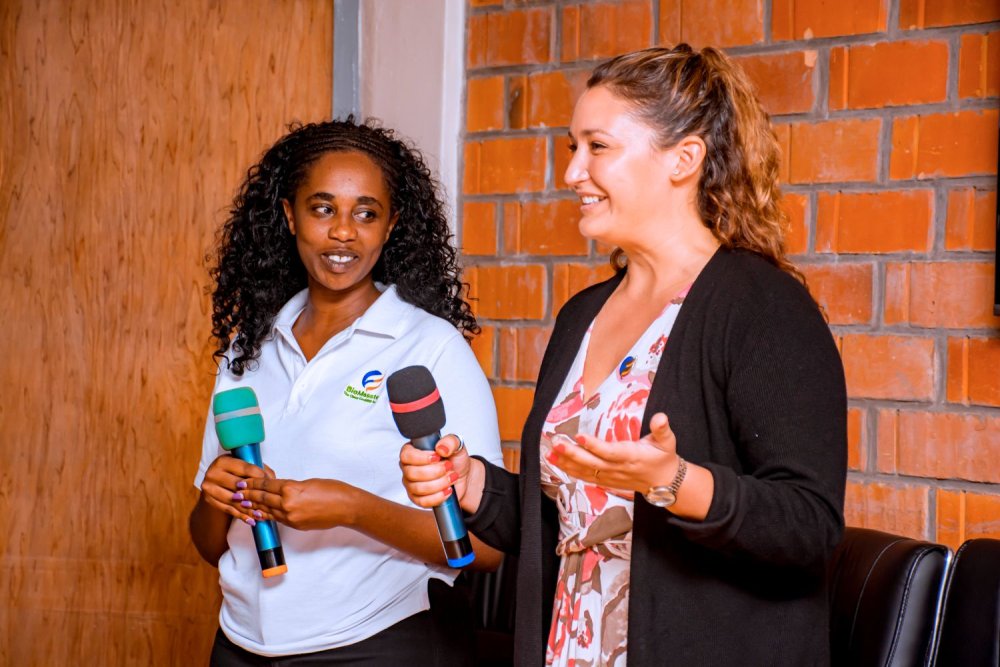
BioMassters Chief Operating Officer Yasmine Karam said the company's vision is to ensure that more Rwandans have access to modern, affordable and environmentally friendly cooking solutions.
"We started by supporting 125 households in Nyagatare. Today, we are providing clean cookstoves to families in the Muhira Model Village, and our ambition is to reach many more Rwandans. We are expanding our operations across the country so that every household can have the opportunity to own one of these clean cookstoves," she said.
Karam noted that BioMassters was established in response to the rising cost of conventional cooking fuels, including firewood, charcoal and liquefied petroleum gas (LPG). She explained that the company is committed to keeping the price of its fuel pellets affordable since they are produced from recycled wood and agricultural residues, making clean cooking more accessible to households.
Rubavu District Mayor Prosper Mulindwa said the initiative would help families significantly reduce their cooking fuel expenses while contributing to environmental conservation.
"Charcoal should no longer be used in this model village. These households have received cookstoves that use affordable fuel pellets, which will lower their fuel costs, help keep their homes clean and protect the environment. This single intervention addresses several challenges at once, including the conservation of our forests," he said.
Mulindwa also called on development partners to continue investing in sustainable initiatives that create lasting benefits and respond to the real needs of communities.
The initiative forms part of broader efforts to accelerate the adoption of clean cooking technologies in Rwanda, reducing pressure on forests, lowering household energy costs and improving public health through cleaner indoor air.






Loading comments...
Leave a comment