



African football has delivered a historic breakthrough at the 2026 FIFA World Cup, with nine of its ten representatives advancing to the Round of 32 after a dramatic and tightly contested group stage campaign.
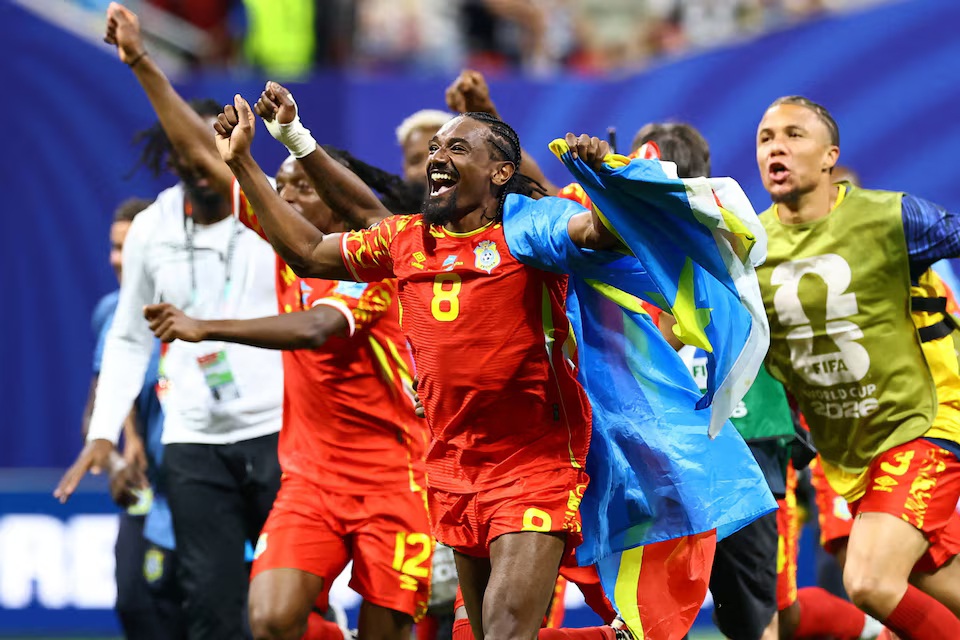
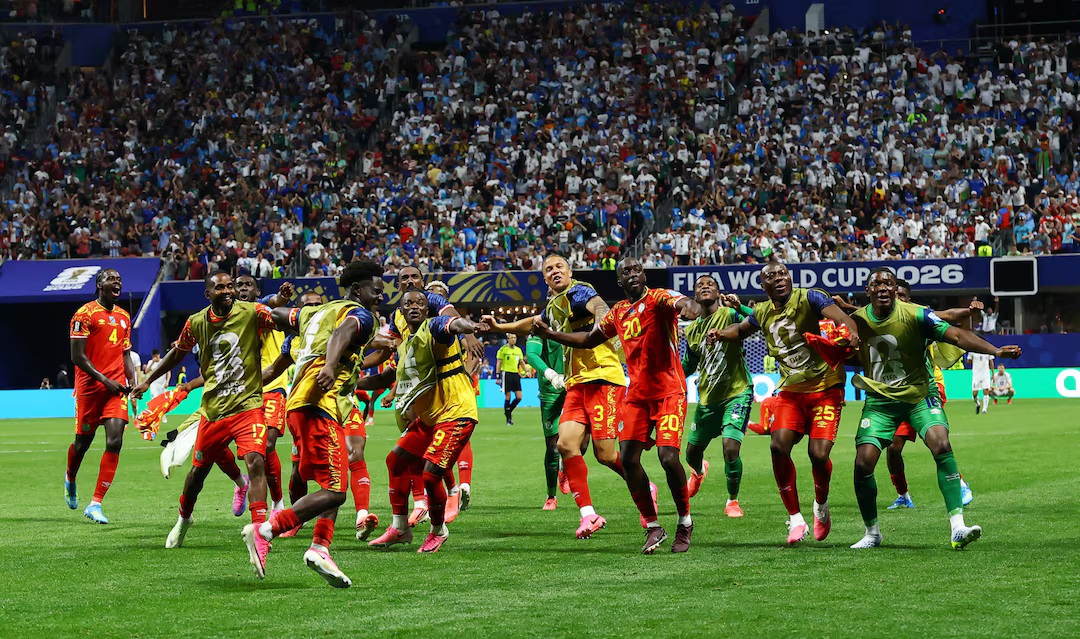
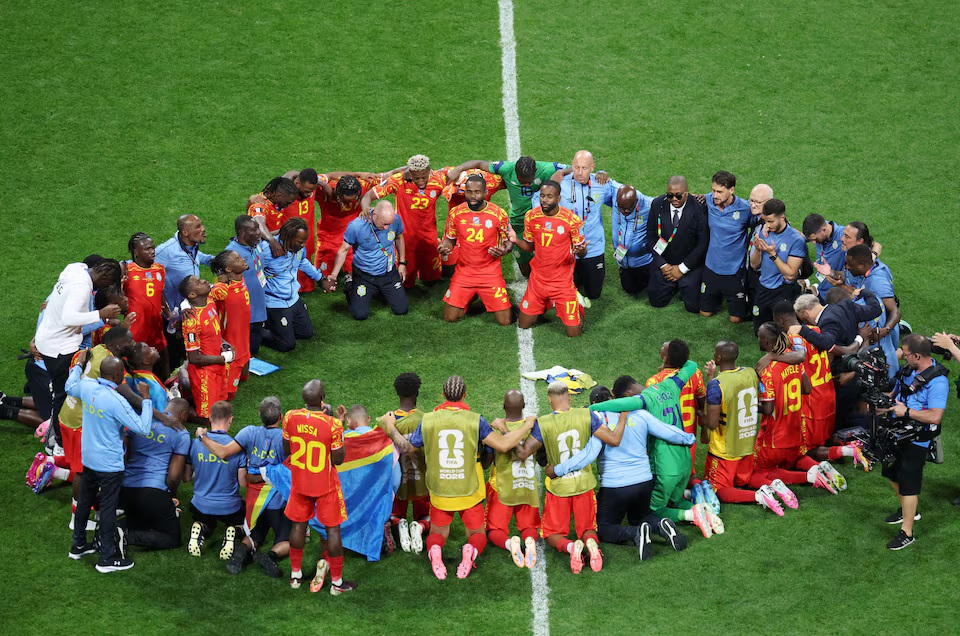
The Democratic Republic of Congo's 3-1 victory over Uzbekistan and Algeria’s thrilling 3-3 draw against Austria on Saturday night sealed the final qualification spots, completing an unprecedented achievement for the continent. Only Tunisia failed to progress beyond the group stage.
The scale of the success marks a dramatic leap for African nations on football’s biggest stage. The previous record for teams reaching the knockout rounds had been just two in a single tournament, set in both 2014 and 2022. Before this year, only six African countries had ever reached the knockout phase across World Cup history, underscoring just how significant the 2026 performance has been.
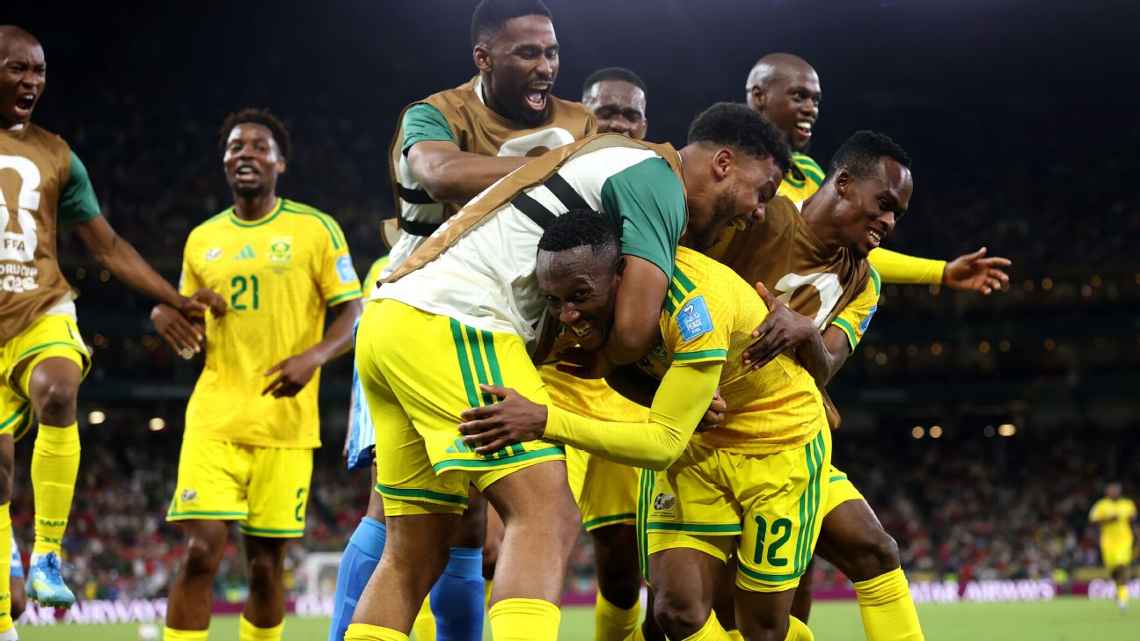
The nine nations progressing are Morocco, South Africa, Senegal, Ivory Coast, Ghana, Cape Verde, Egypt, DR Congo and Algeria.
Morocco once again leads the continent’s ambitions after becoming the first African nation to reach the World Cup semifinals four years ago in Qatar. The team has continued its strong form, including a 1-1 draw against Brazil, and arrives in the knockout rounds as one of the more experienced contenders. Morocco will also co-host the 2030 World Cup, adding further weight to its growing football profile.
Elsewhere, Cape Verde and DR Congo have emerged as surprise packages of the tournament, both reaching the Round of 32 in their World Cup debut appearances at this stage. Their progress has been emblematic of a deeper shift in African football strength across the continent.
DR Congo’s qualification was particularly emotional after a hard-fought win over Uzbekistan. Forward Fiston Mayele scored in the 78th minute, sandwiched between two goals from Yoane Wissa, including a penalty and a stoppage-time strike.
“It’s really historic for our country, Congo,” Mayele said after the match. “It’s the first win and the first knockout stage. Today, I have to be proud here, and almost everywhere in my country, everyone is happy with what we did. We’re proud to be Congolese, and I think we will keep going.”
DR Congo now face a daunting Round of 32 clash with England, but the squad has embraced its breakthrough moment. Wissa reflected on the long road to reaching this stage, highlighting the team’s resilience through qualification setbacks and early tournament challenges.
“It’s only the second time we are in the World Cup, 52 years later,” Wissa said. “Nothing is easy in football. We just need to show resilience, and when a time like this comes, you have to enjoy.”
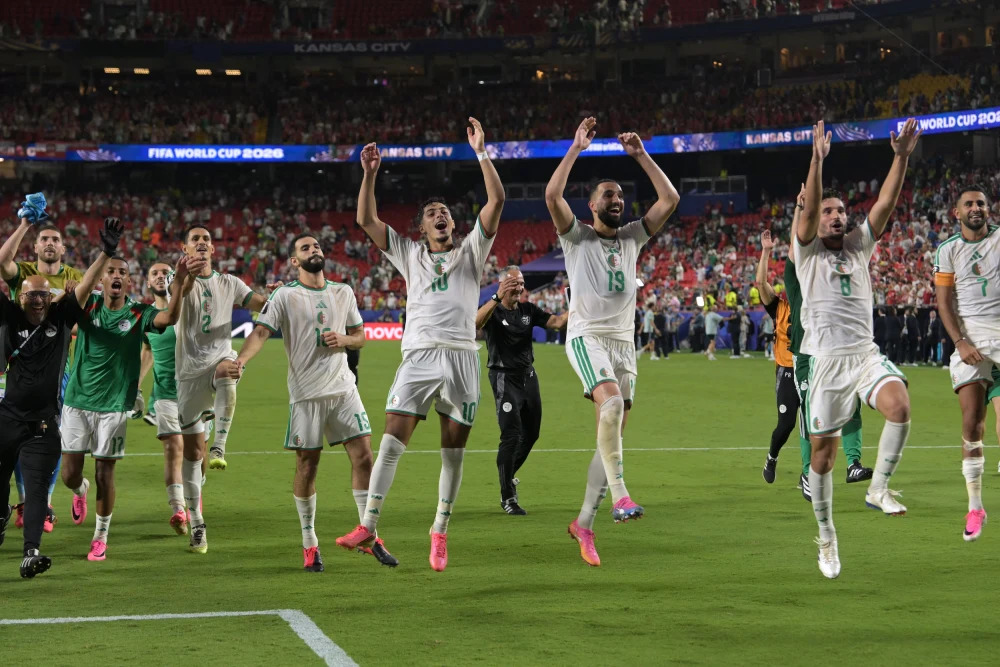
Algeria’s path was no less dramatic. In a tense encounter with Austria, captain Riyad Mahrez struck in stoppage time to edge his side ahead after a match that appeared destined for a draw. Austria responded immediately with a goal on the final play, but the result was enough for both sides to advance.
The broader success of African teams has reshaped expectations at this year’s tournament, with established powers like Senegal, Ghana, and Ivory Coast progressing alongside emerging sides such as Cape Verde and DR Congo. The depth of qualification has reinforced the continent’s growing competitiveness on the global stage.
As the knockout phase begins, African football carries both momentum and belief. What was once an occasional breakthrough has become a collective surge, and for nine nations, the World Cup journey is far from over.
Loading comments...
Leave a comment