



Designed to combine high-speed racing, dramatic elevation changes and the country’s natural landscape, the circuit is also intended to become a year-round destination for sport, entertainment and investment.
The planned circuit will stretch approximately six kilometres, feature 17 corners and run anti-clockwise. Its most distinctive feature is an elevation gain of 197 metres per lap, which its designers say would set a record for the Formula 1 calendar.
Rather than substantially reshape the terrain to accommodate the track, the design follows the natural contours of the site, using its hills and proximity to a lake to create a technically demanding circuit and a distinctive setting for spectators.
For Rwanda, the proposed circuit could provide a platform to turn that ambition into opportunities extending beyond the racetrack, while strengthening the country’s position as a destination for major international sporting events.
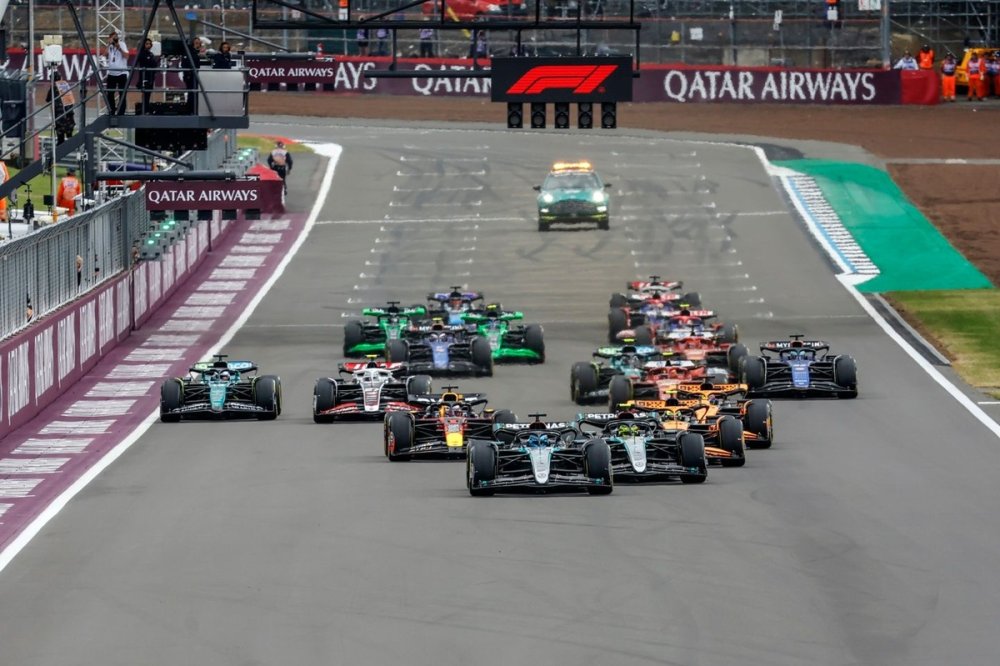
A circuit shaped by nature
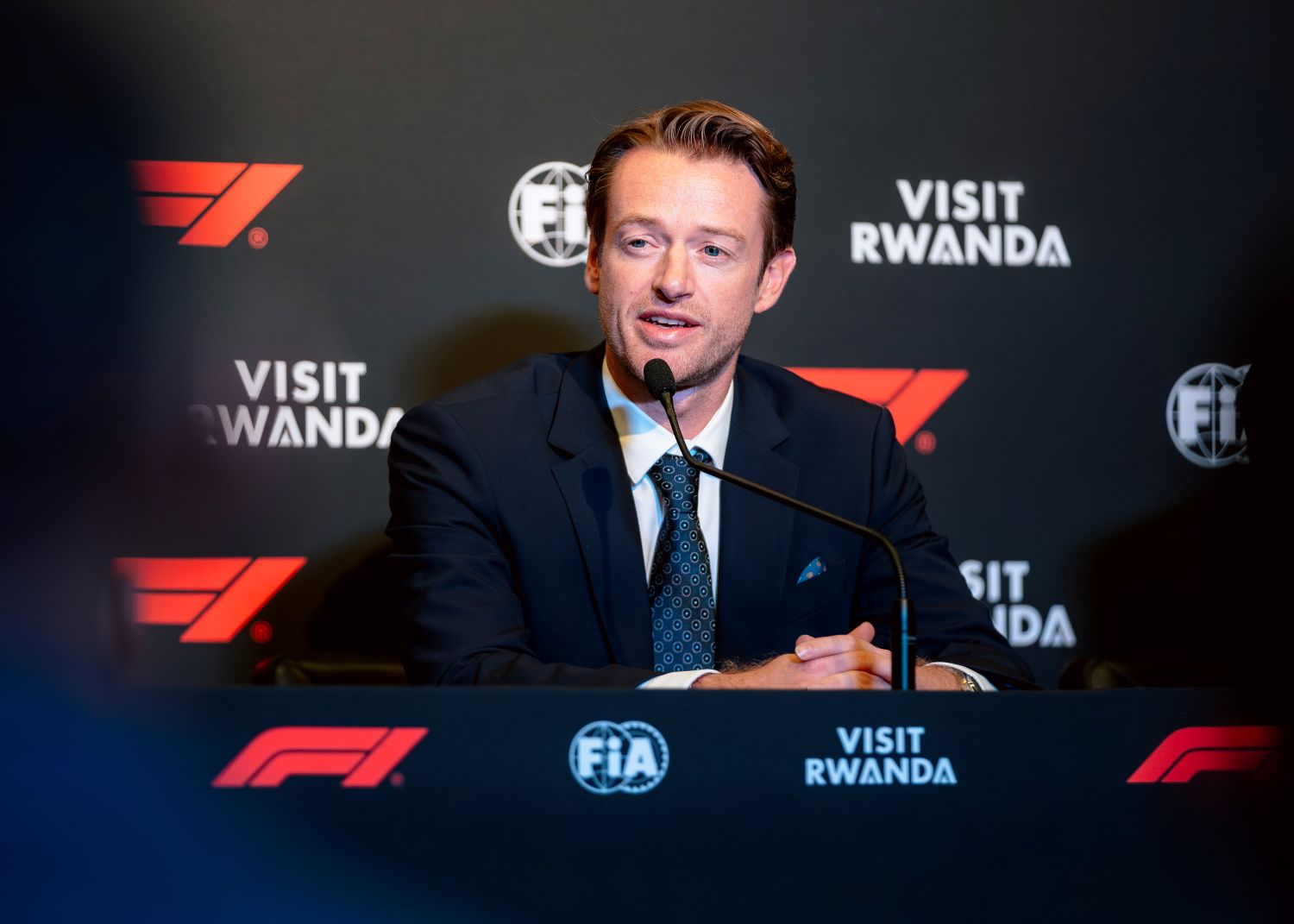
Dr Carsten Tilke, Managing Director of Tilke Engineers & Architects, the firm involved in designing the circuit, said the objective was to create a track that challenges drivers while encouraging competitive racing.
“When we talk about the track, first of all, it was always important for us that it’s amazing to drive, challenging to drive, but on the other hand, also creating great races, so we need to create overtaking points,” Tilke told the press in Kigali on Tuesday after the announcement of Rwanda’s successful bid.
He explained that the layout was designed to allow different racing strategies and create opportunities for overtaking, ensuring that the competition remains engaging throughout qualifying and race day.
Spectator experience was equally important to the design.
“The other thing very important for us was that the focus was always the spectator, spectators must be close to the track, must feel the track, must be part of it,” he said.
The circuit will unfold between two hills, allowing the natural terrain to provide elevated viewing areas and bring fans closer to the action. Its steep climbs, descents and banked corners are expected to test drivers and engineers, with gradients reaching approximately 12% and 13% in some sections.
Tilke described the track as a roller coaster, shaped by the site’s hilly topography and natural beauty. The circuit will also feature a straight stretching more than one kilometre, leading into a heavy braking zone intended to create overtaking opportunities. Other sections are designed to encourage close racing, while fast corner combinations near the lake are expected to add to the circuit’s visual appeal.
The combination of elevation changes, speed and technical corners is intended to give Rwanda a circuit with a distinct identity rather than a layout that could be replicated elsewhere.
Alexander Wurz, a former Formula 1 driver involved in the design process, said the Bugesera site stood out because its natural features offered an opportunity to build a circuit around the landscape rather than impose a design on it.
“When we learned from the development in Bugesera from the Rwanda Development Board, the strategic airport master plan, and then we actually saw it, you see the hillsides and the lake, and I said, ‘Guys, there’s only one location this circuit should be,’” Wurz said.
He explained that the circuit would use the two hills and the lake below them to create elevation changes, scenic views and spectator areas integrated into the landscape. The design is intended to showcase Rwanda’s scenery while providing a challenging experience for drivers.
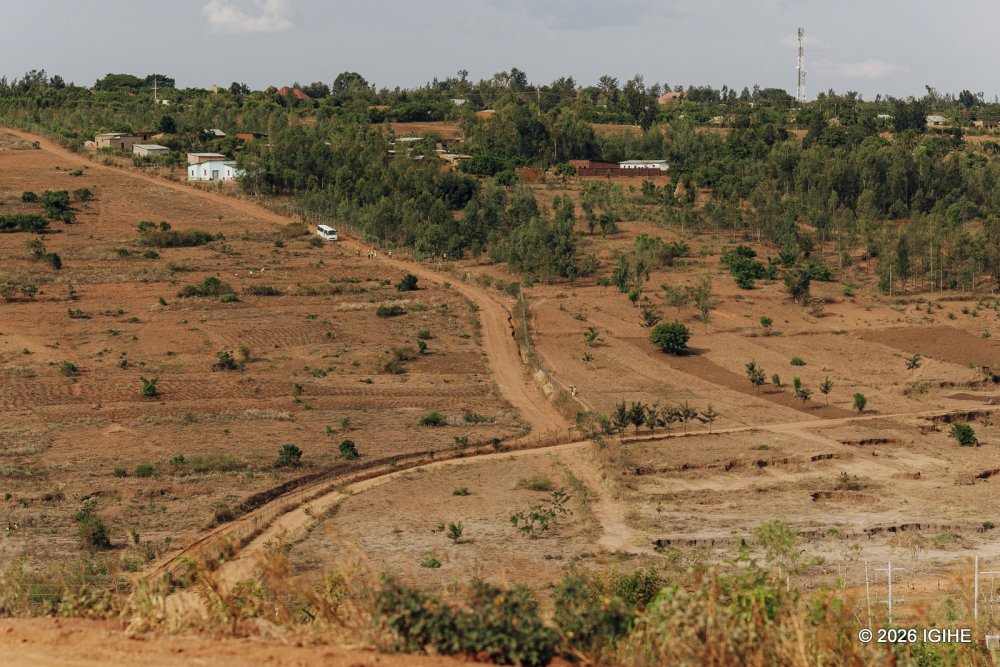
The plans also envisage leisure facilities around the lake, extending the site's use beyond motorsport. Jules Muheto Ndenga, CEO of Bugesera Airport City, said the development could include terraces and recreational spaces near the water, with the possibility of introducing water sports in the future.
“The plan will be to make it clean and suitable for leisure activities. We may in the future have some water sports,” he said.
Ndenga added that the circuit's design would incorporate access roads, bridges or underground passages to help spectators move between areas without crossing the track during races.
Beyond the racing surface, the project includes a paddock village and supporting facilities designed to follow the natural landscape.
Tilke said the paddock would be terraced to accommodate the site’s topography, while the architectural concept draws inspiration from Rwanda’s traditional villages and their emphasis on community.
The design aims to bring that sense of community into the motorsport environment, while incorporating local materials and architectural influences that reflect the country’s landscape and culture.
The facilities are also intended to support activities beyond Formula 1, allowing the venue to host other motorsport events, exhibitions and gatherings throughout the year.
Investment and year-round use
The circuit’s development will involve investment and supporting infrastructure.
Jean Guy Afrika, Chief Executive Officer of the Rwanda Development Board (RDB), said Rwanda had assembled a global consortium of public and private actors and was holding discussions with potential investors.
He noted that discussions involved investment funds and high-net-worth individuals, adding that the project had attracted considerable private-sector interest.
“We have witnessed tremendous interest from the private sector. Family offices, some of them were here today, investment funds, high-net-worth individuals,” he said.
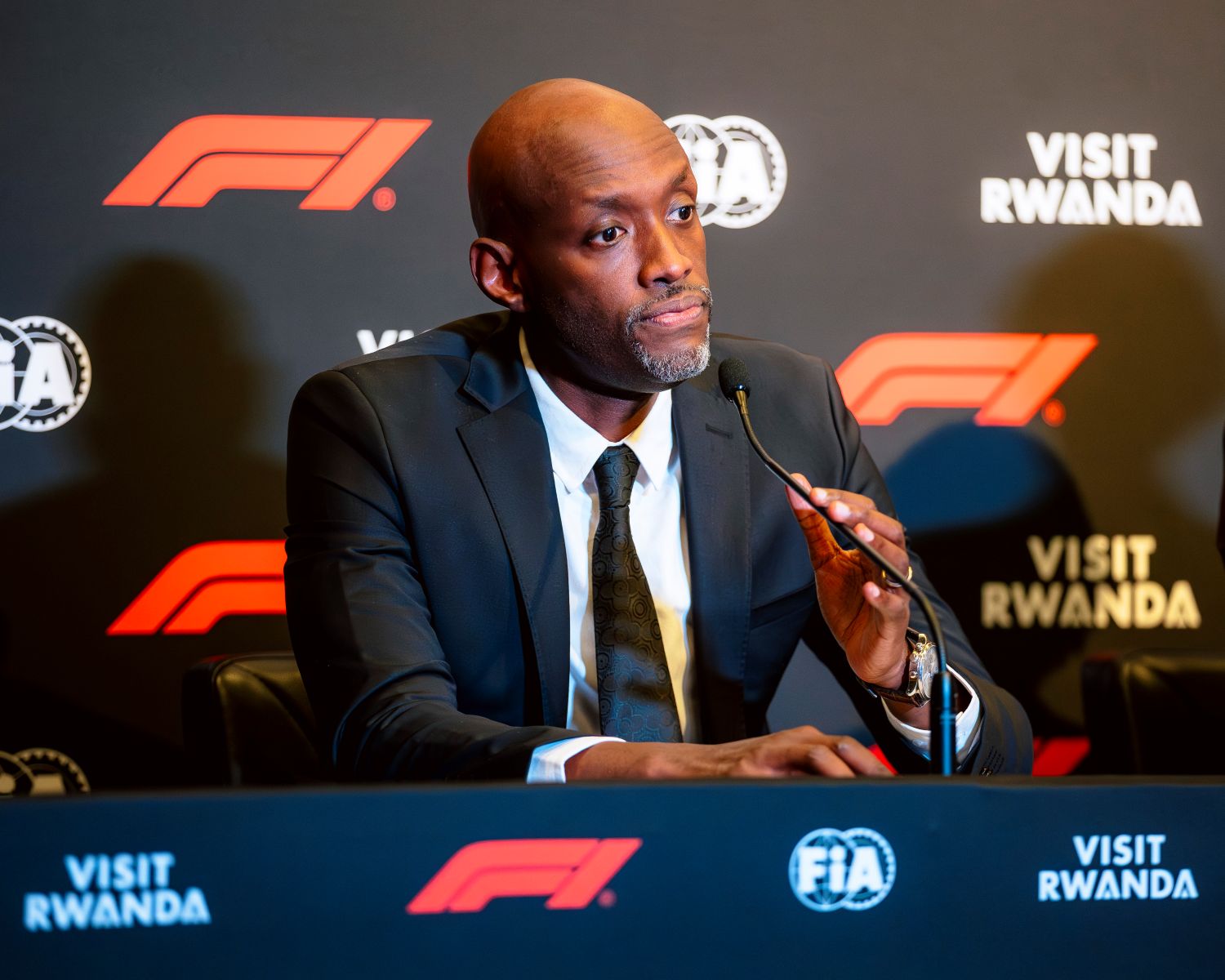
Commenting on the early 2030s timeframe, Afrika said it would provide sufficient flexibility to finalise preparations. The final scheduling decision would be made in coordination with Formula 1 once the necessary requirements had been addressed.
Beyond a Grand Prix weekend, Rwanda’s ambitions extend beyond hosting a single race. According to Afrika, the proposed circuit will have capacity for approximately 100,000 spectators, with the potential to generate demand for hotels, restaurants, retail businesses and other services.
“Over a weekend, we’re talking close to 300,000 people consuming everything from retail products, restaurants, hotels, accommodation infrastructure,” Afrika said, describing the potential scale of economic activity around the event.
Such demand could create opportunities for existing businesses, stimulate investment in hospitality and tourism, and contribute to government revenues through taxes.
“The track we are building is multi-purpose,” Afrika said. “We’re not targeting a single weekend; we’re looking at year-round utilisation.”
He said the venue was being designed to accommodate concerts, exhibitions and other events throughout the year.
This approach could help sustain activity beyond the racing calendar, supporting employment and giving local businesses opportunities to benefit from the facility.
A wider ambition for African motorsport
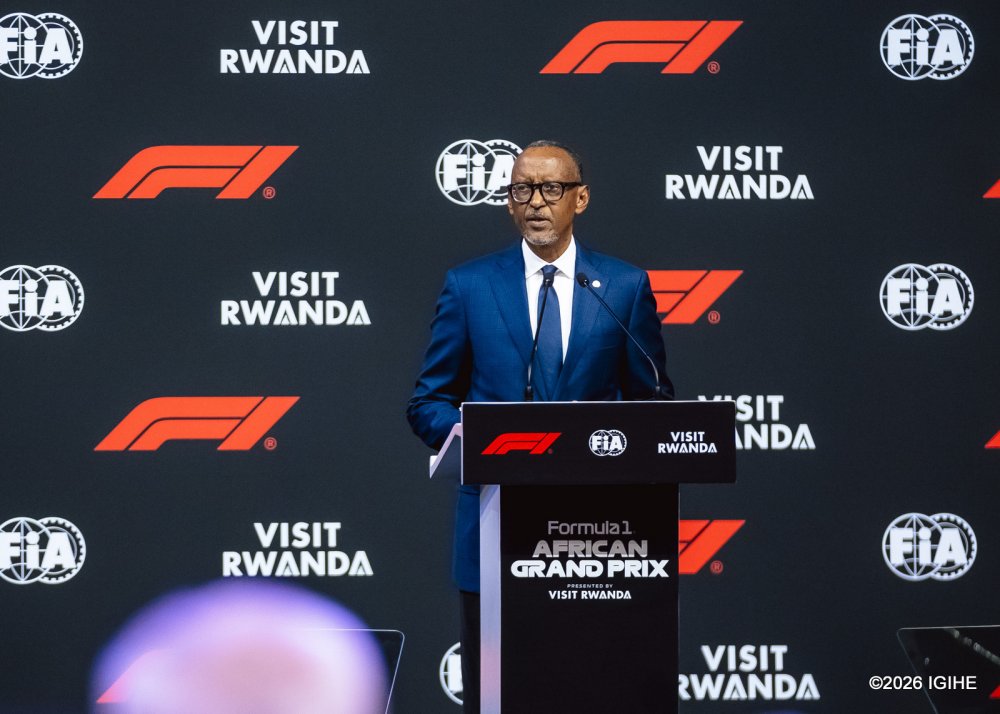
President Paul Kagame has framed Rwanda’s Formula 1 plans as part of a wider ambition to ensure that Africa benefits more from the global sports industry, including through skills development, investment and greater participation in motorsport.
“We want to contribute, not just participate. This new chapter in motorsports starts today,” Kagame said, arguing that the project should create opportunities for Africans to become more than spectators, including through technical careers and involvement in the wider motorsport economy.
Formula 1 President and CEO Stefano Domenicali said Rwanda had offered the vision and partnership the sport was seeking as it considered a return to Africa. Formula 1 last held a Grand Prix on the continent in South Africa in 1993.
“For many years, we have spoken about our desire to return, but always said we would return in the right way, with the right vision and the right partners. That partner is Rwanda,” Domenicali said.
He added that the ambition went beyond hosting a race, saying the project should create lasting opportunities and inspire future generations.
“This is not simply about hosting a Grand Prix. This is about creating legacy and inspiration,” he said.
FIA President Mohammed Ben Sulayem also revealed that Rwanda could host the launch of Formula 1’s new V8 engine in 2030, expressing confidence in the country’s potential role in the sport’s future.
“The beauty of it is that we are working together so that the launch of the new V8 will be in 2030. So Rwanda is going to have that engine in the first-ever race,” he remarked.
Loading comments...
Leave a comment