



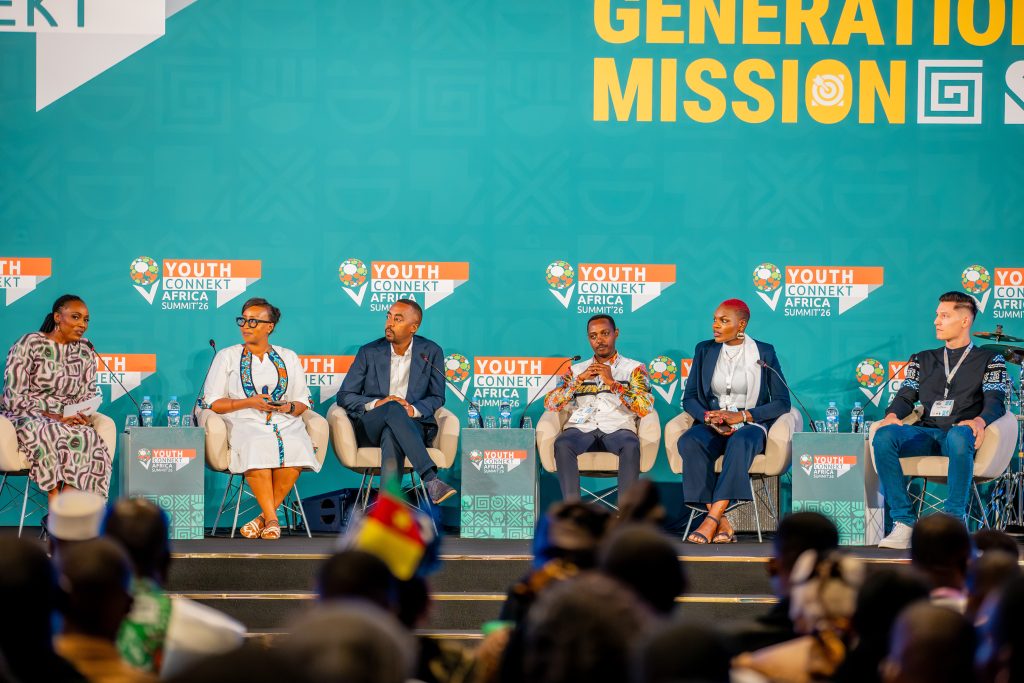
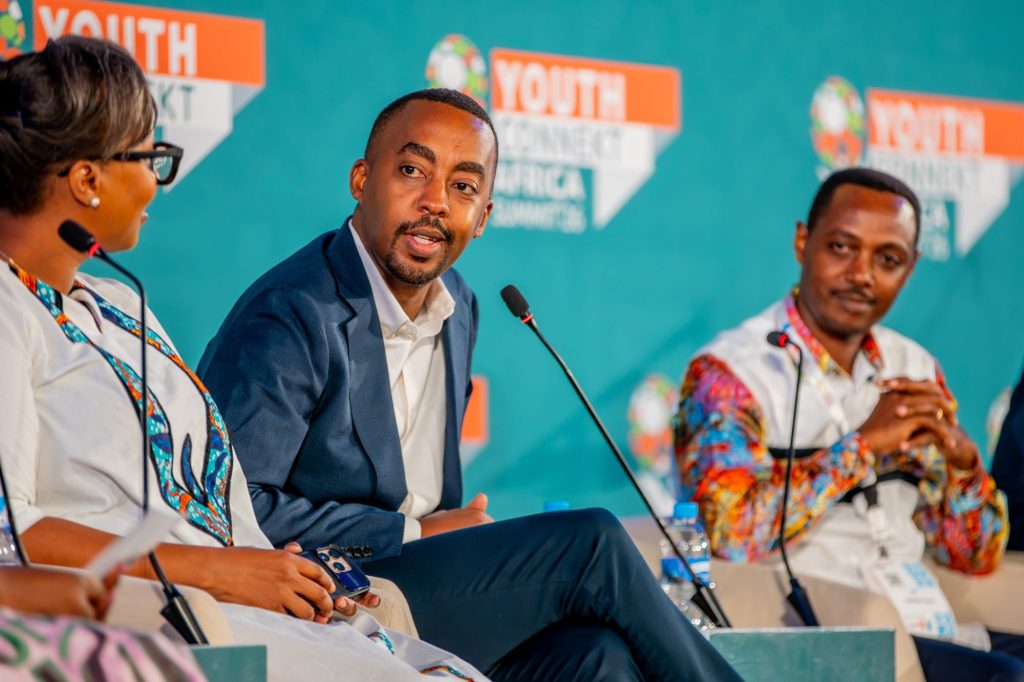
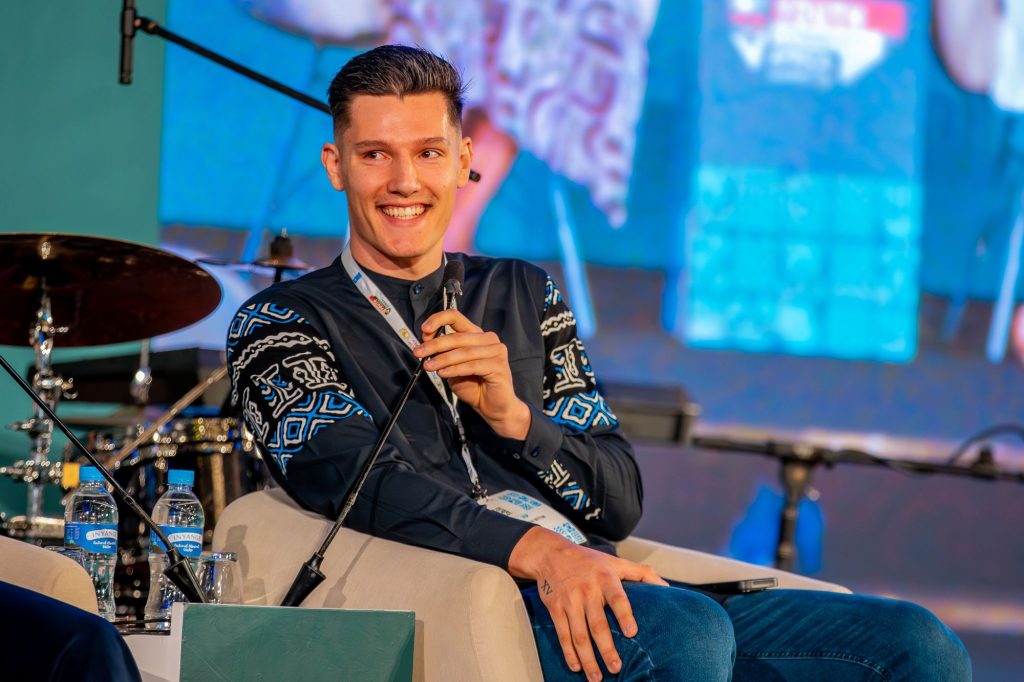
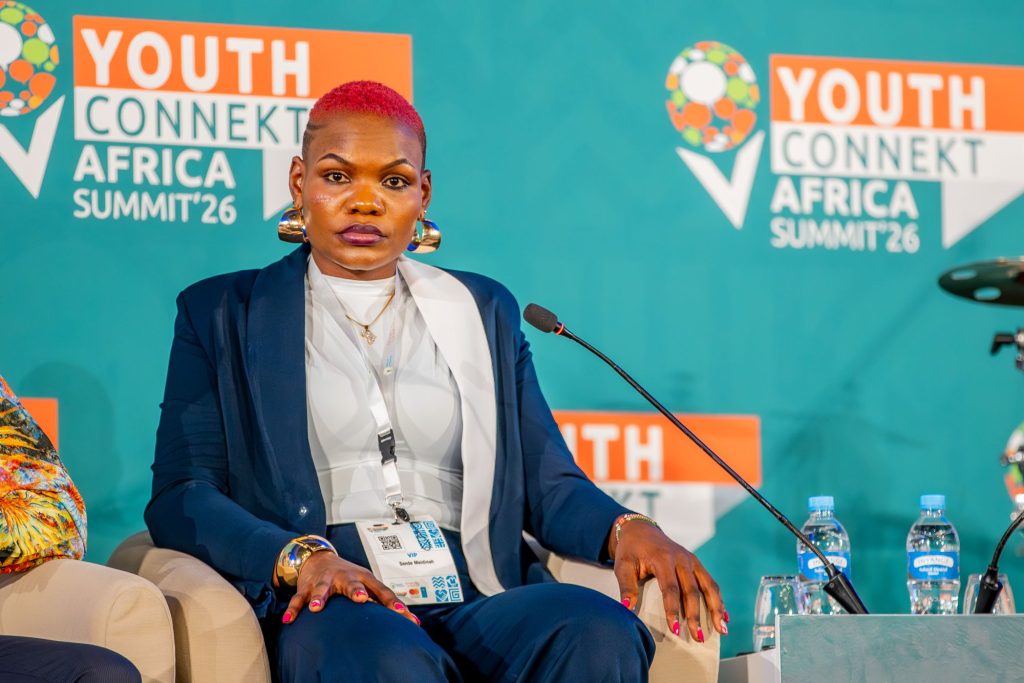
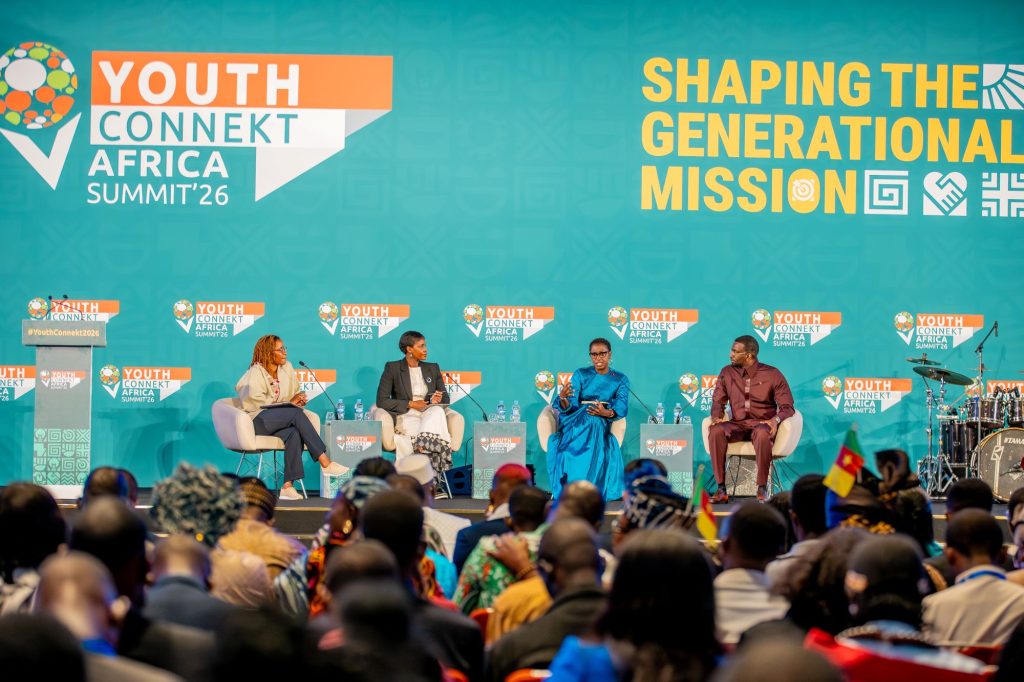
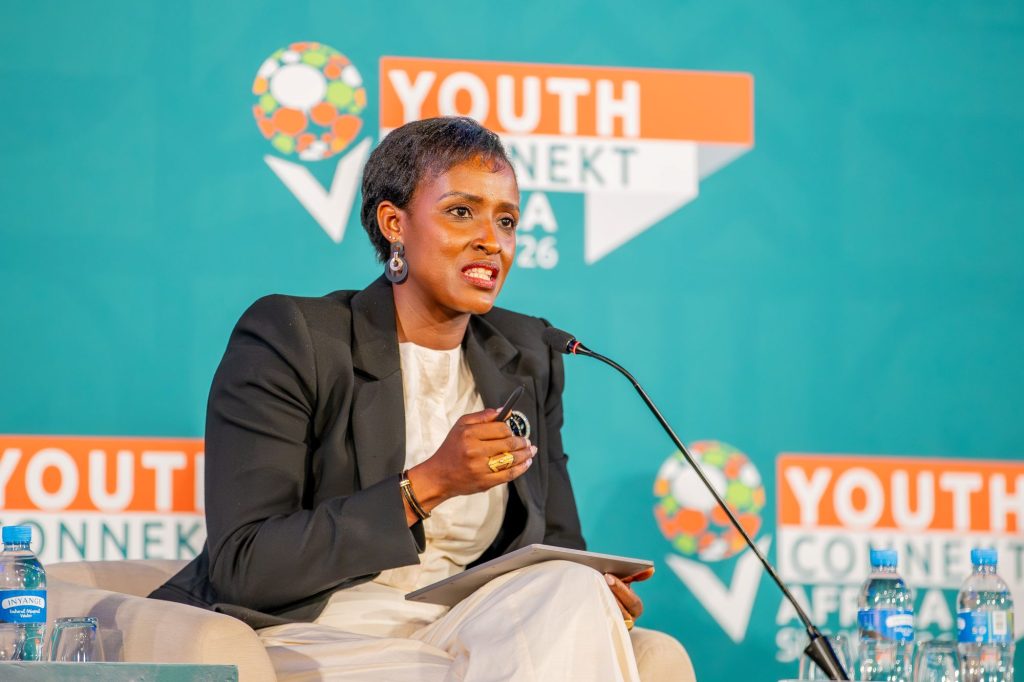
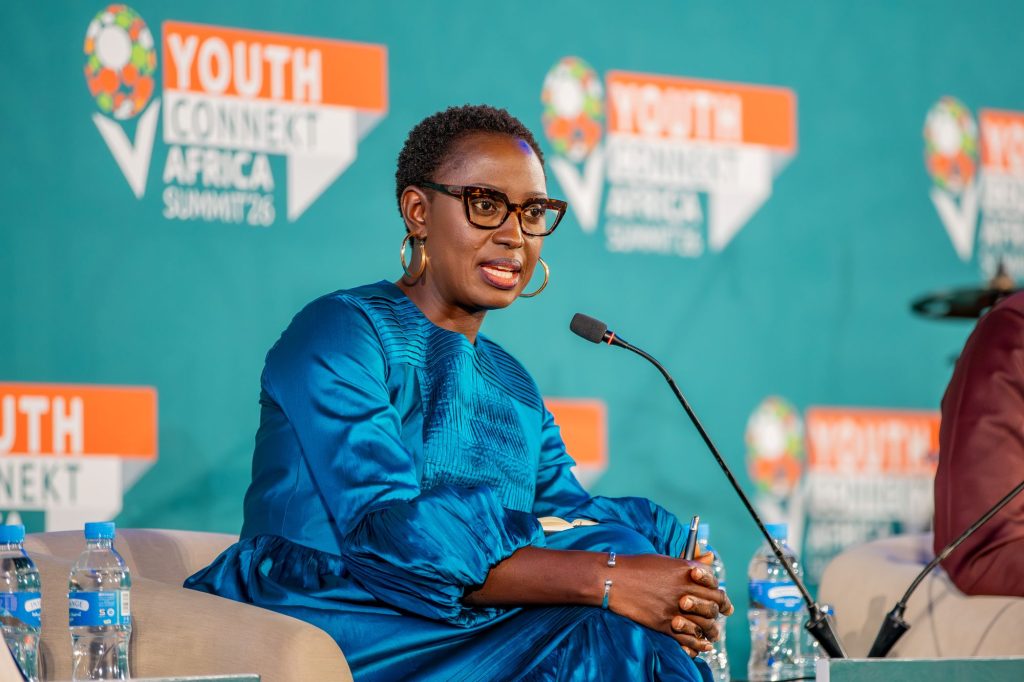
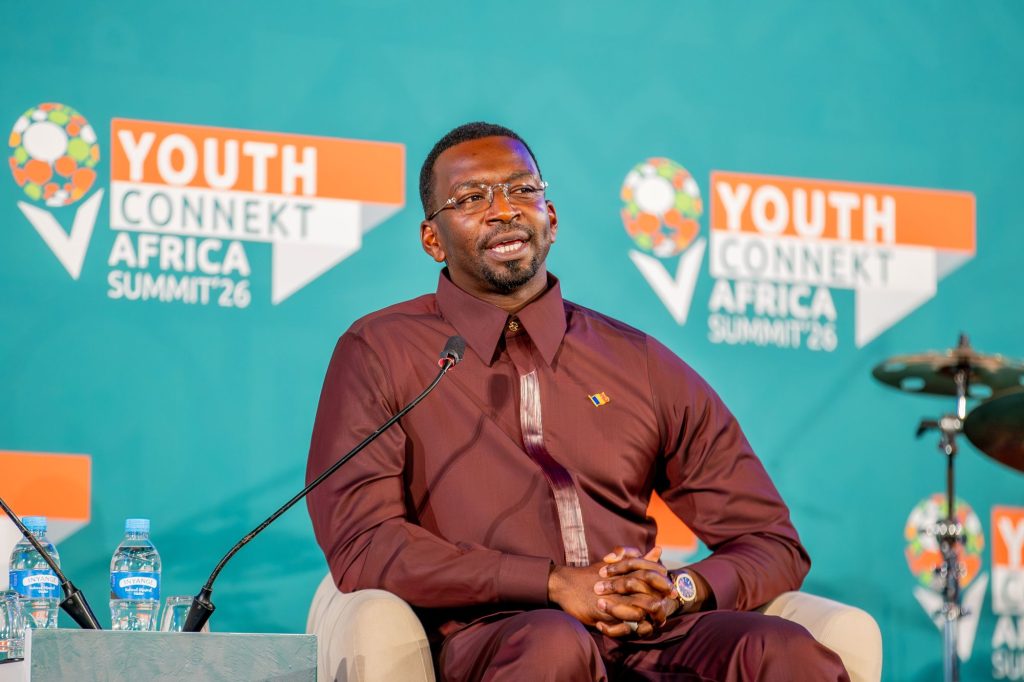
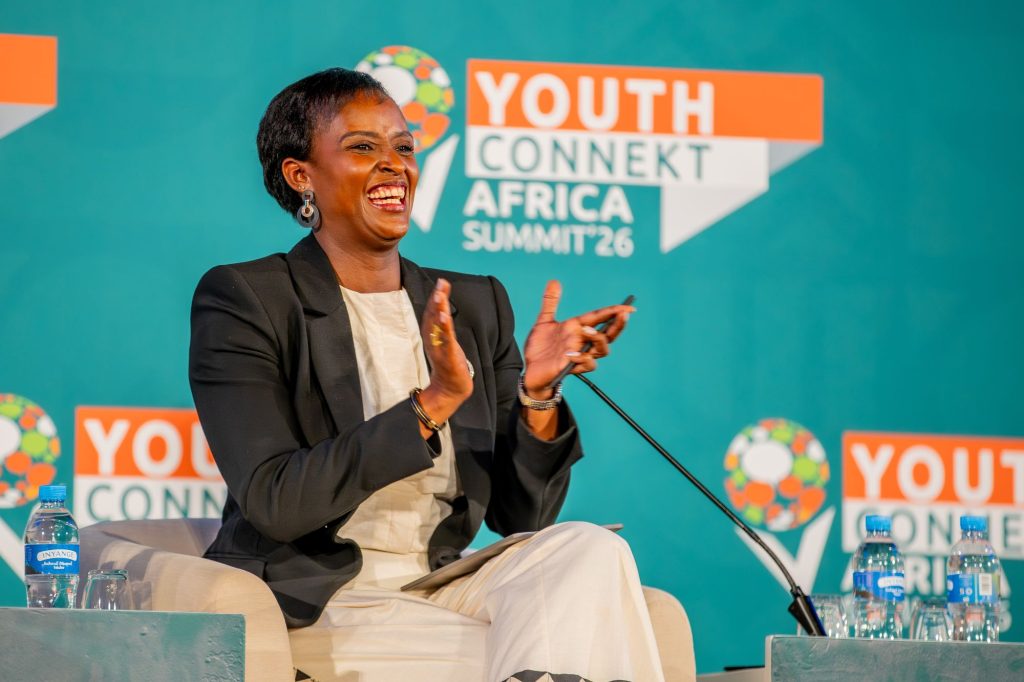
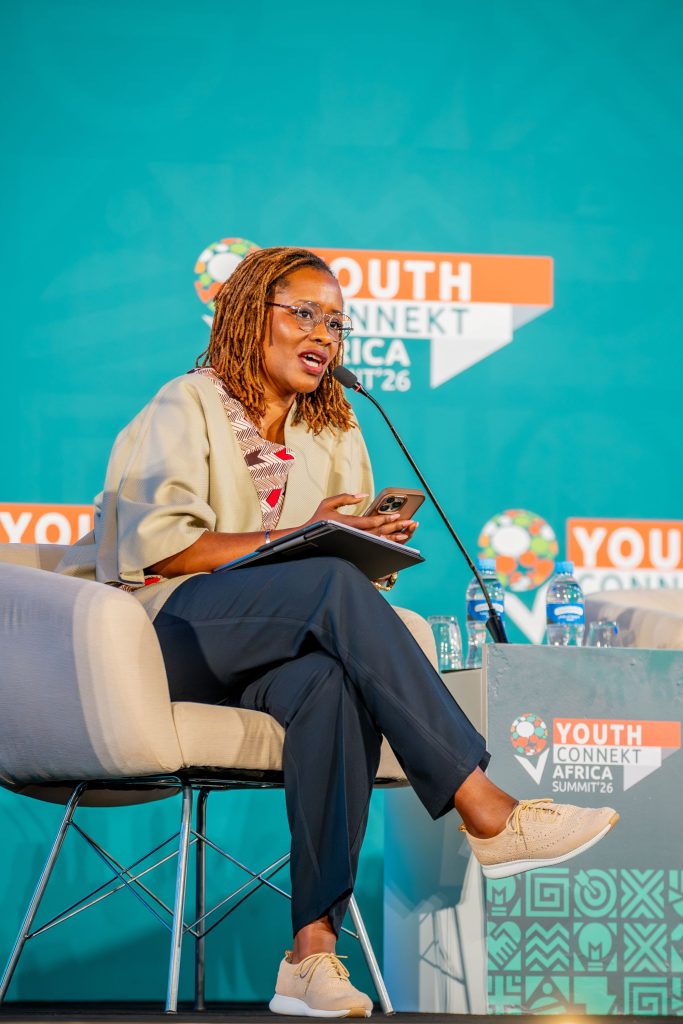
The call was made during a panel discussion, 'Legacy vs NextGen: The Future of the Sport Economy for Africa', held at the eighth edition of the YouthConnekt Africa Summit in Kigali this week.
The discussion brought together representatives from sports governing bodies, professional clubs and the private sector to explore how African countries can move beyond nurturing sporting talent to owning a greater share of the industry's economic value.
Christian Gakwaya, President of the Rwanda Automobile and Motorcycle Federation and CEO of Rwanda Events, cited Rwanda's upcoming entry into the Formula 1 calendar as an opportunity to develop skills and businesses beyond motorsport itself.
On October 13, 2026, the FIA and Formula 1 announced a 10-year agreement for Rwanda to host the Formula 1 African Grand Prix in the early 2030s. The race will take place at a purpose-built circuit planned for Bugesera District, marking Formula 1's return to Africa for the first time since 1993.
Gakwaya said the development could create opportunities for young Rwandans in data science, technology and other specialised fields.
Using Formula 1 as an example, he explained that each of the championship's 22 cars has more than 300 sensors generating approximately 1.1 million data points, requiring specialists to interpret and analyse the information.
"Technology, science and media do not depend on gender, background or physical strength. They depend on the brain," he said, encouraging young women to prepare for opportunities in the digital sports economy.
He also called for a broader understanding of sporting talent, arguing that opportunities extend to broadcasting, social media, content production and artificial intelligence.
Gakwaya urged Africa to build an ecosystem that enables athletes and businesses to earn and reinvest on the continent rather than rely on opportunities abroad. He also highlighted SportBiz Africa, a Rwandan-born initiative that connects sports startups with investors, as one avenue for fostering entrepreneurship.
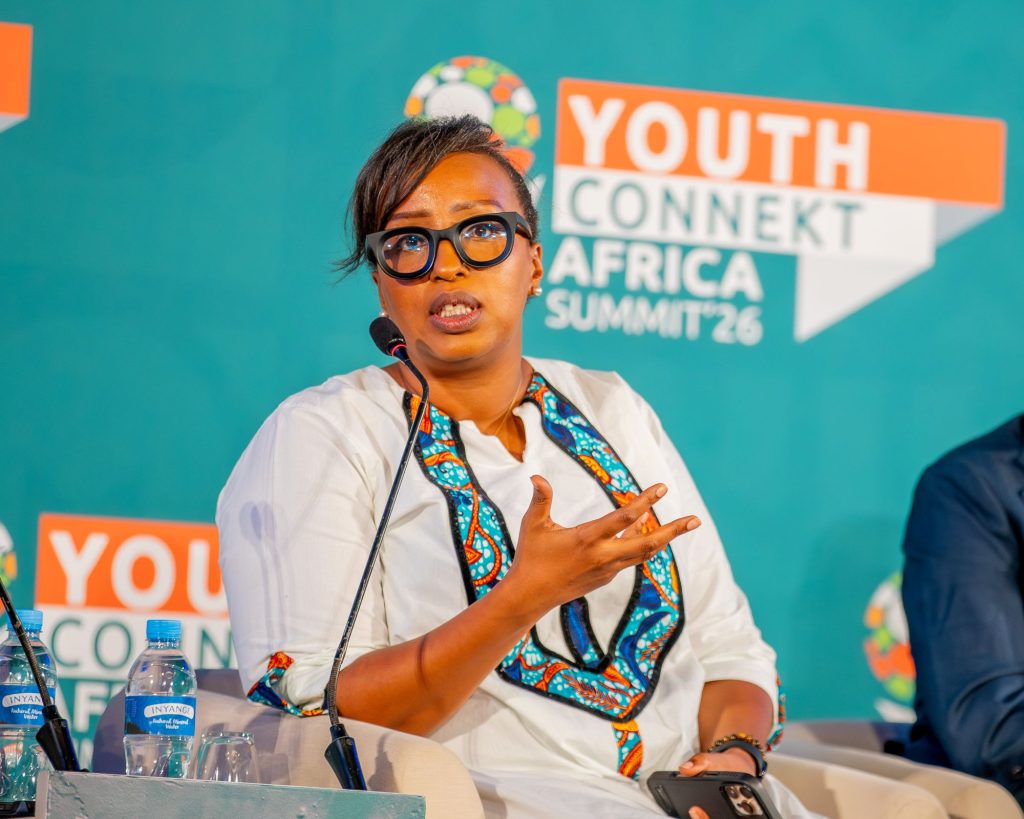
Teta Ndejuru, Country Director of the Basketball Africa League (BAL) at NBA Africa, said developing athletes must go hand in hand with building the wider sports ecosystem.
"Africa has never been short of talent," she said, urging young people to explore careers beyond competing, including sports marketing, content creation and investment.
"That's how you move from player to marketer, investor and owner," she said.
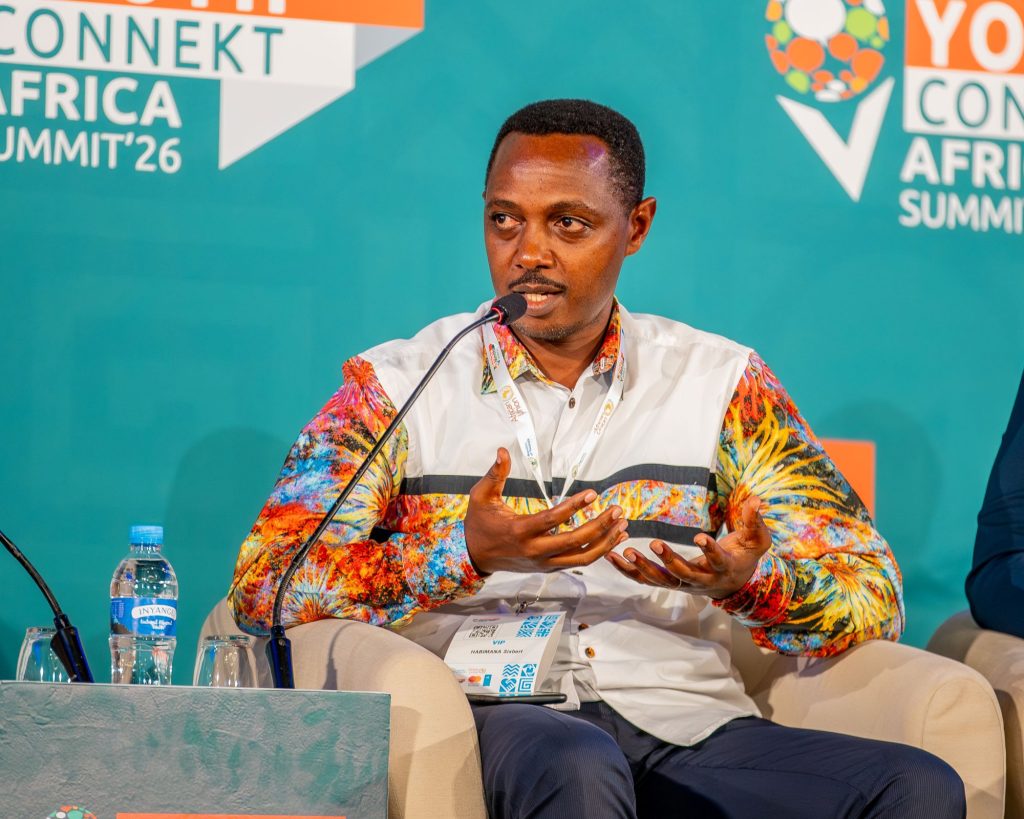
Sixbert Habimana, FIFA Member Association Development Manager for CECAFA and UNAF, said investment in infrastructure must be accompanied by skills development and better opportunities for professionals.
He noted that some African athletes move abroad in search of better training environments and support, arguing that countries must develop facilities and skilled personnel capable of nurturing talent while retaining more of the value generated by sports.
Habimana also challenged young people to stop being passive consumers of sports content and instead explore opportunities in content creation and data analysis.
On attracting investors, he cited Rwanda's government commitment to sports, talent base and business environment as strengths, while emphasising the need to develop human capital to build investor confidence.
Ndejuru added that clubs and leagues must operate as businesses, with sound governance, clear business plans, defined returns on investment and long-term development strategies to attract sponsors, banks and development partners.
Rwanda's sports infrastructure and economic potential
Professional athletes on the panel also highlighted Rwanda's sporting infrastructure and the environment it provides for players.
Meldina Sande, captain of Kenya's national volleyball team and a player for Police Volleyball Club in Rwanda, said the country's facilities and professional approach to sports had motivated her to improve.
She cited Amahoro Stadium, Petit Stade and the quality of training facilities available to clubs, saying Rwanda's investment in sports could offer lessons to other African countries.
Brazilian volleyball player Matheus Bettina, who has played for Police Volleyball Club for two years, also praised the facilities but called for greater investment in sports development at secondary school level, which he described as critical for nurturing young talent.
During a separate discussion, Sports Minister Nelly Mukazayire highlighted the wider economic opportunities that investment in sports infrastructure can create.
She described sports as a contributor to well-being, business and entertainment, arguing that the economic value of facilities such as stadiums and arenas extends beyond the sporting activities they host.
Using BK Arena as an example, she said a single event at the venue can generate nearly 2,500 jobs.
She encouraged young entrepreneurs to develop businesses around sports facilities, including merchandise, food services, technology and creative industries.
"The most important thing is not the pitch or the court itself. The most important thing is the business around it," she said.
Mukazayire added that the Government of Rwanda is looking to expand community playgrounds in collaboration with communities and the private sector, creating more opportunities for young people to participate in sports and develop businesses.
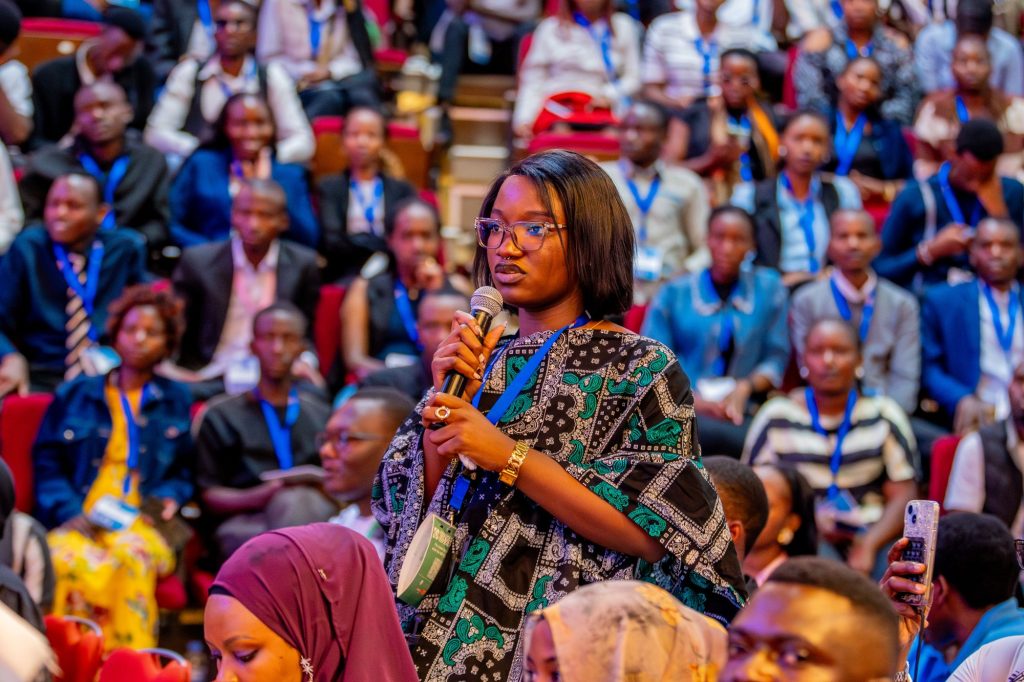
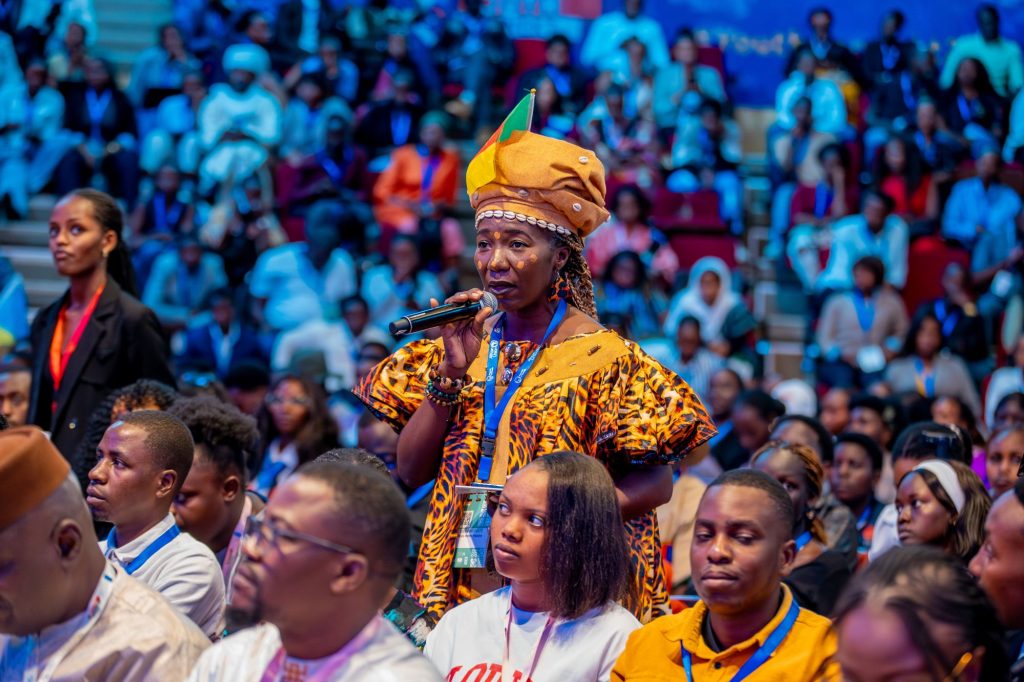
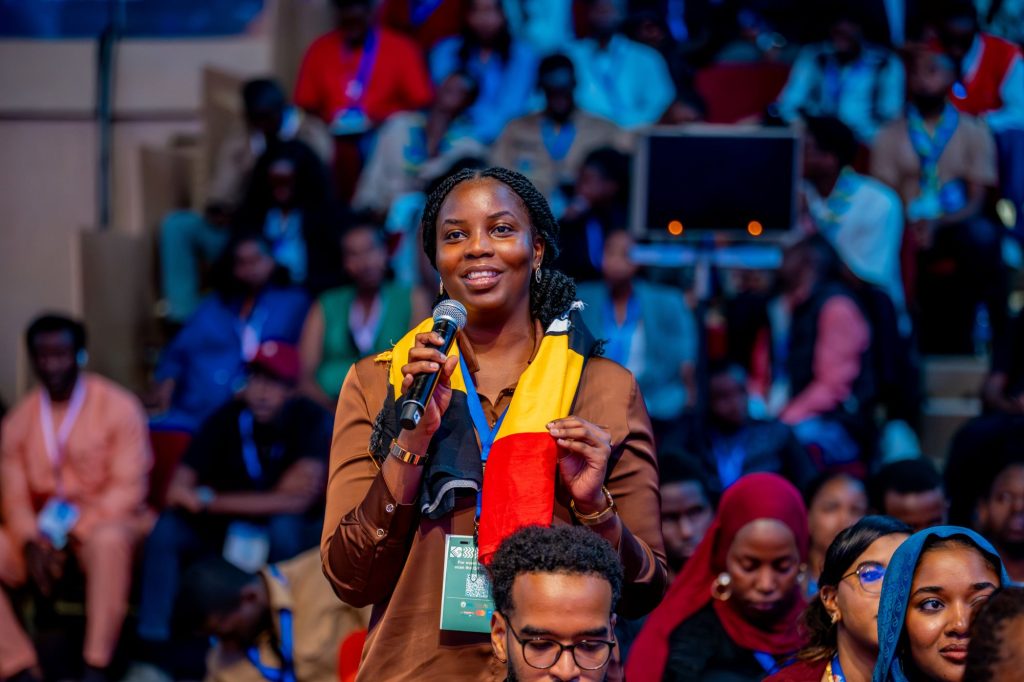
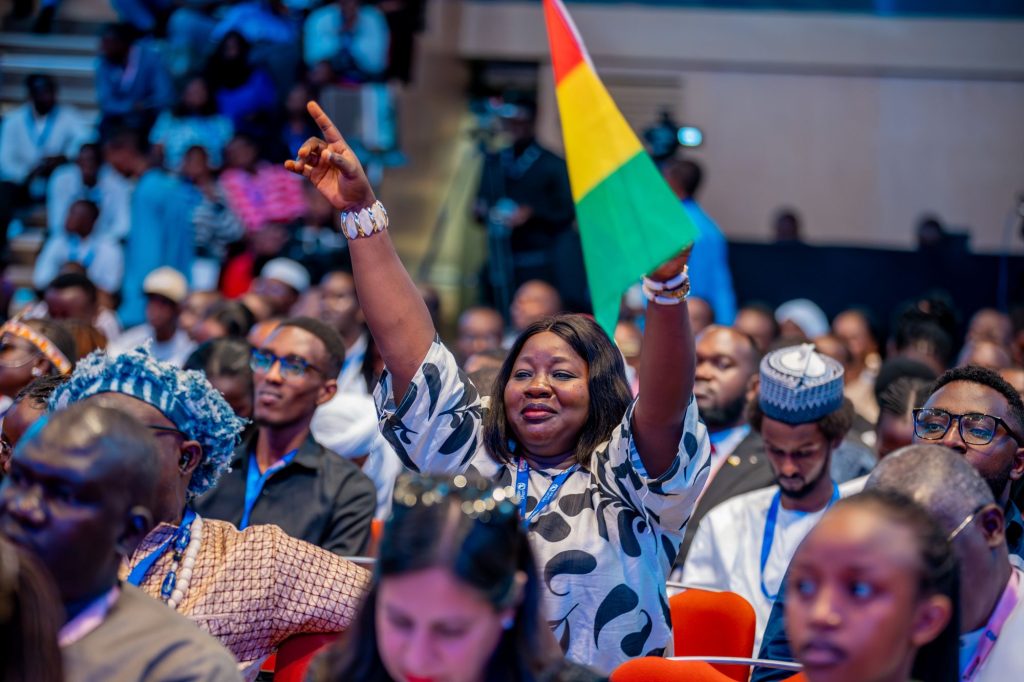
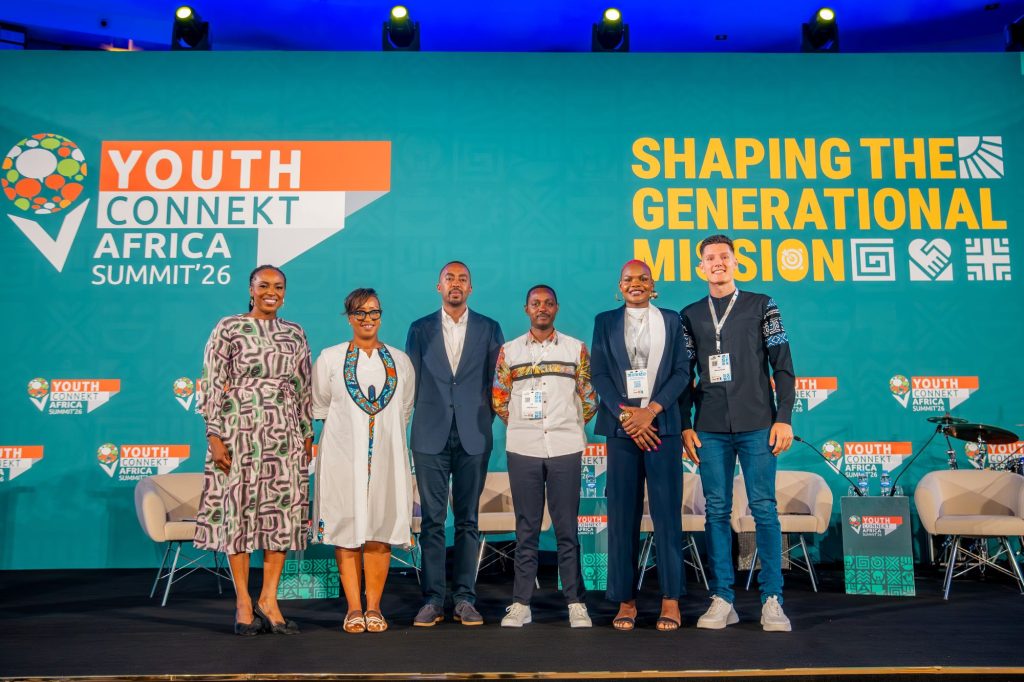
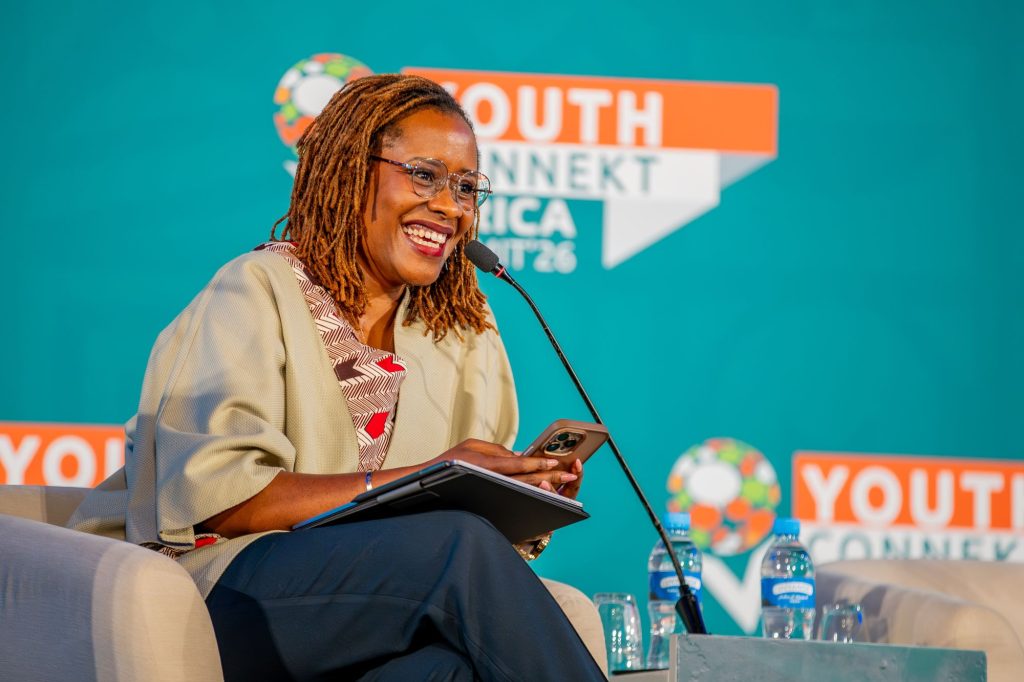
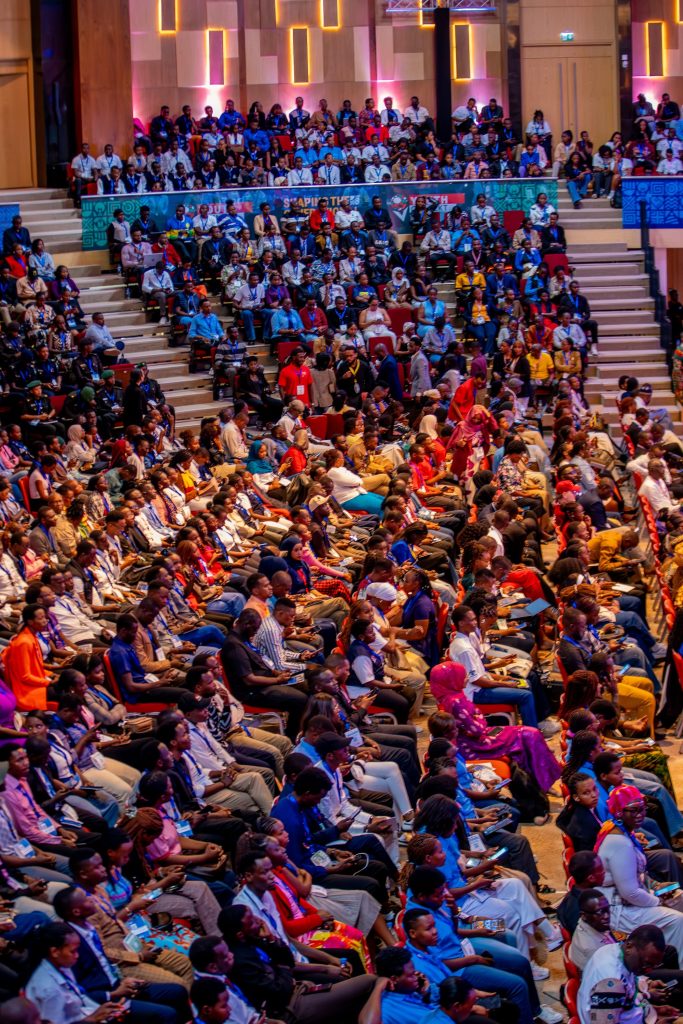
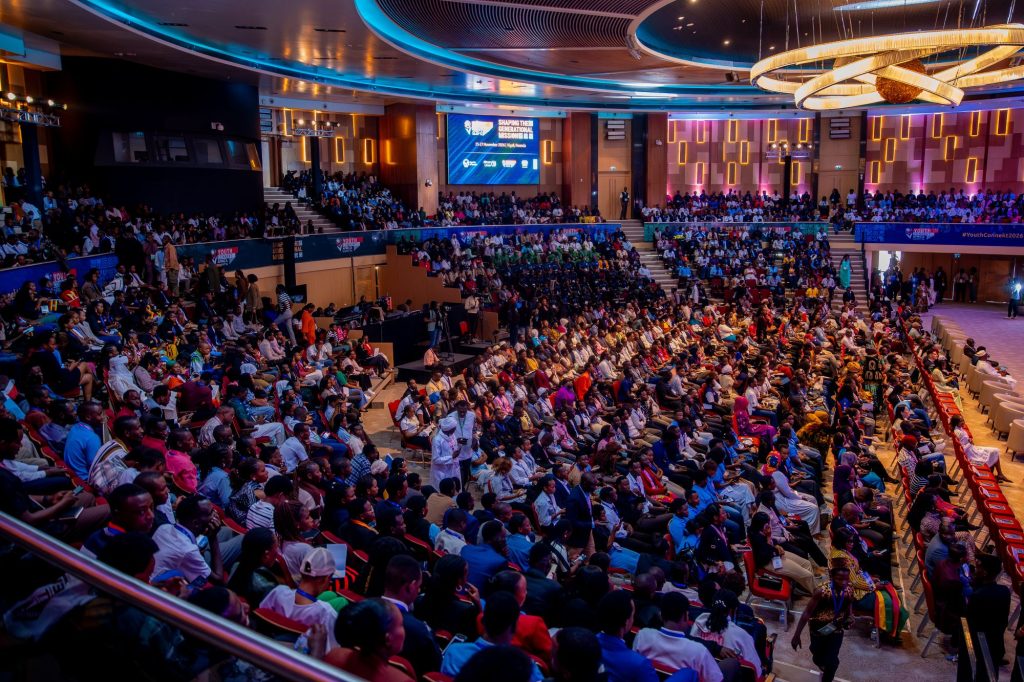
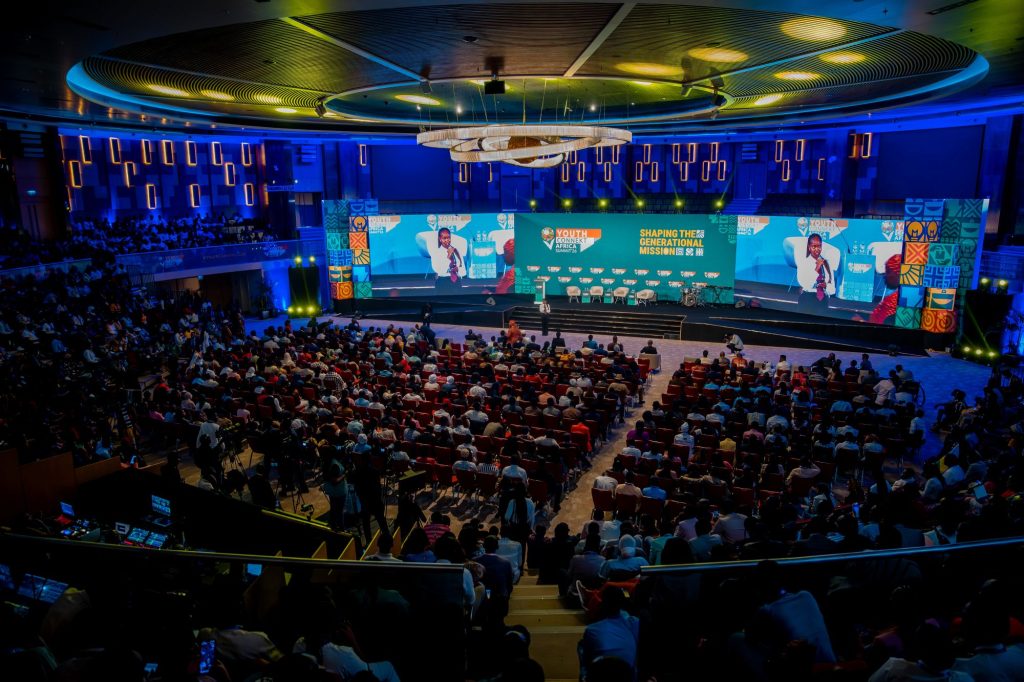
Held under the theme “Shaping the Generational Mission”, this year’s YouthConnekt Africa Summit drew more than 3,000 young people from across Africa to the Kigali Convention Centre.
Loading comments...
Leave a comment