



Opening the third SportsBiz Africa Forum in Kigali on September 10, Mukazayire noted that the global sports industry was valued at between $2.3 trillion and $2.65 trillion, while Africa accounted for only about 0.5% of the global market.
The gap, she argued, was difficult to ignore given the continent's youthful population and its long record of producing athletes whose talent has helped drive sports industries elsewhere.
"What are they doing that we are not doing?" Mukazayire asked as she outlined three areas she believes Africa must address to unlock more value from its sporting potential: data, people and the commercial side of sport.
The first is data.
Mukazayire argued that Africa needs to collect and use more data suited to African athletes, markets and conditions rather than relying entirely on research and systems developed elsewhere.
Science and technology, she explained, must also reflect the realities of African athletes, including factors such as altitude, climate and local environments.
The minister pointed to the limited availability of data on women in sport, noting that much of the research developed over the years has been based largely on men despite the growing participation and performance of women athletes across Africa.
"We need to discuss how we start looking at data, collecting data that is meant for African athletes and that is going to be created, put together by African companies, entrepreneurs and interpreted in that way," she said.

The second priority is people.
Mukazayire stressed that African sports systems need to look beyond an athlete's natural ability and understand the wider factors that determine high performance and long-term success.
Health, mental wellbeing, nutrition, sleep, recovery and the environment surrounding athletes all require greater attention, she argued.
She also highlighted fan engagement as an increasingly important part of the sports economy. Sport, she noted, can create opportunities beyond competition by supporting entertainment, fashion, creative industries and other businesses.
The third priority is commercial value.
Mukazayire questioned who benefits from broadcasting rights, merchandising and other revenue streams generated by African sport, arguing that the continent needs to take a greater role in building businesses around its sporting assets.
She also called for a different approach to investment in sports infrastructure. Stadiums, pitches and arenas should not be viewed only as facilities for developing athletes, but as centres around which businesses and communities can grow.
"By building pitches you're creating community. By adding all those services you're creating value," she told delegates.
Her message was echoed by Christian Gakwaya, Chief Executive Officer of Rwanda Events Group, who argued that Africa has spent years supplying talent to the global sports economy without capturing a proportionate share of the value created.
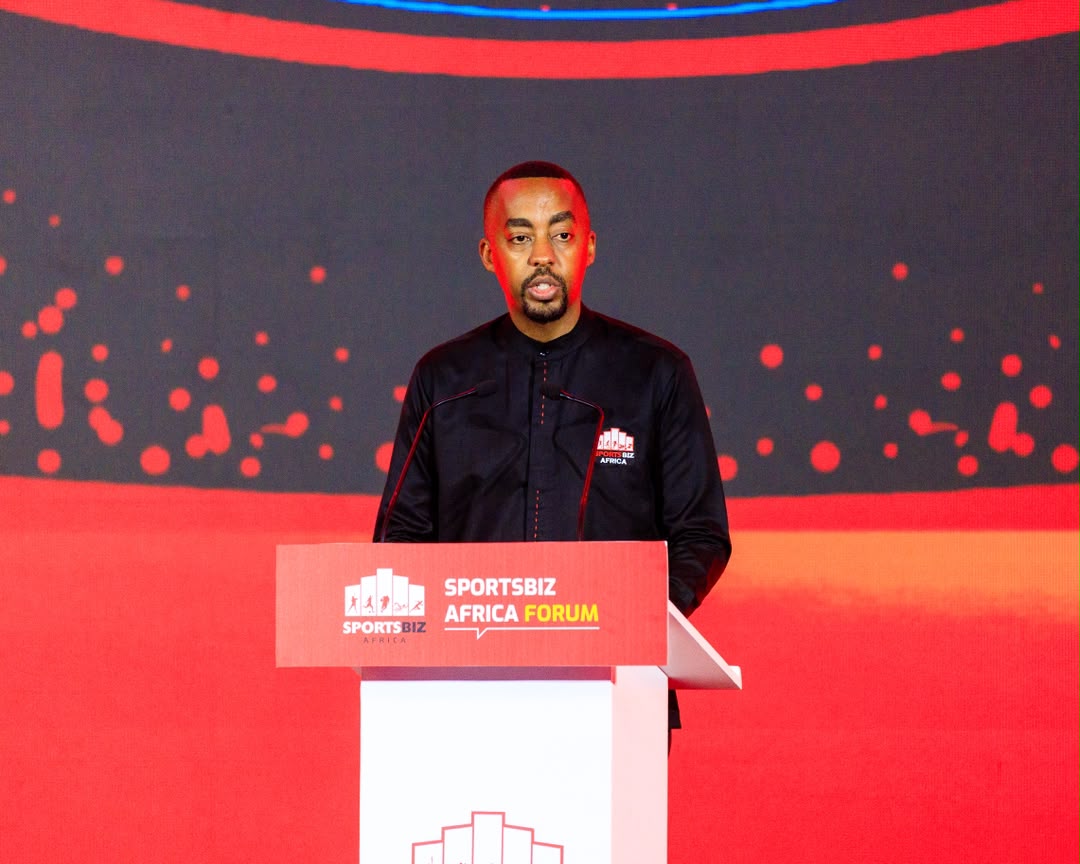
Africa has produced athletes, coaches and stories that have helped shape global sport, Gakwaya observed, but much of the economic value generated from those contributions has been captured elsewhere.
He urged the continent to move beyond measuring sporting success solely through participation, performance and trophies and instead confront questions around ownership.
"Who owns our media rights?" he asked. "Who owns the intellectual property in the sports sector in the continent?"
Gakwaya also questioned who manufactures sports apparel and technologies used on the continent, manages African athletes, collects sports data and builds African sports brands.
For him, the next phase should focus on ensuring that more of the economic value generated by African sport remains in Africa.
The SportsBiz Africa Forum, now in its third edition, he announced, is evolving into the SportsBiz Africa Platform, a shift intended to move beyond periodic discussions towards investment facilitation, business development, market intelligence, entrepreneurship, policy engagement and talent development.
"A forum brings people together. A platform will help them to do something together," Gakwaya said.
The call for stronger African participation in the global sports economy was also reinforced by Sir Paul J. Foster, President and Chief Executive Officer of the Global Esports Federation.
Foster described connectivity as a form of infrastructure capable of creating economic opportunity, particularly for young people, entrepreneurs and creators who can use technology to access global markets.
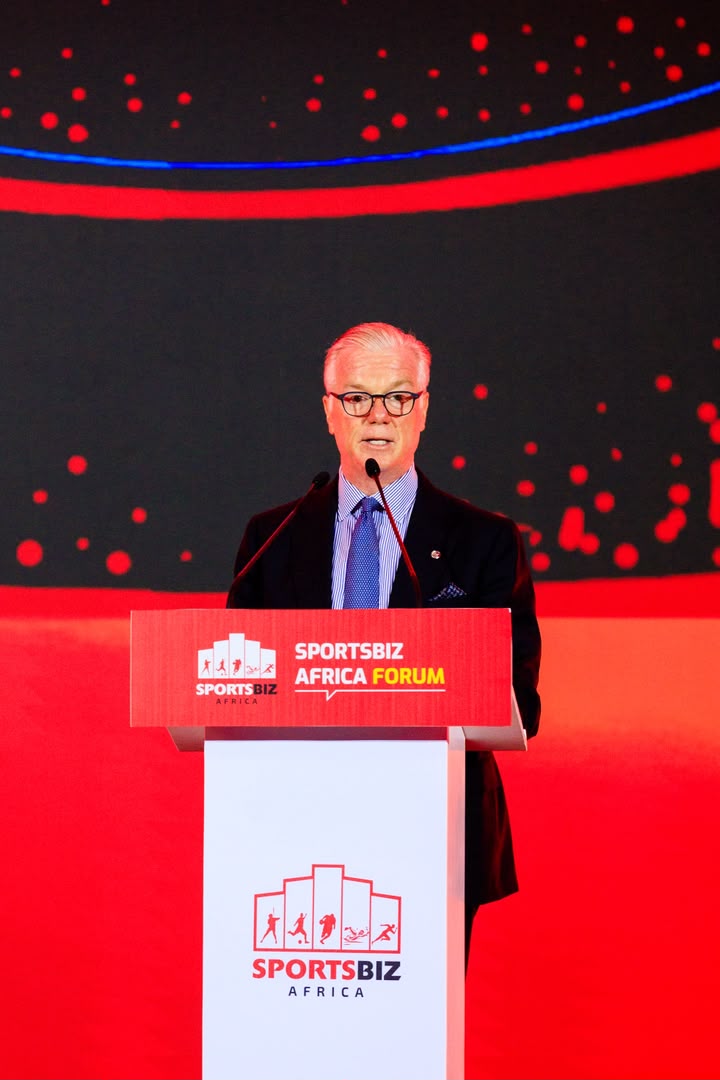
Rather than focusing on bringing the world to Africa, he argued that the continent should concentrate on connecting African talent, businesses, intellectual property and ideas directly to global opportunities.
"For too long, the conversation has been about bringing the world to Africa. I'm much more interested in the reverse. Africa to the world," Foster told the forum, describing it not simply as a slogan but as an economic proposition.
He urged African governments, universities, entrepreneurs, investors and sports organisations to build the infrastructure, competitions, academies, investment pathways and commercial networks needed to support that ambition.
Foster noted that the global gaming industry had grown into a major economic force, placing esports at the intersection of technology, artificial intelligence, entertainment, media, education, commerce and youth.
The challenge, he suggested, was to build systems that allow young Africans to move from being players to developers, fans to creators, students to entrepreneurs, and local businesses to global companies.
Dr Decius Hikabwa Chipande, Coordinator and Head of the African Union Sports Council, similarly framed sport as a strategic sector for economic growth, youth empowerment, job creation and innovation.
He urged stronger partnerships between governments, the private sector, sports organisations, development partners and communities to unlock opportunities across the sports value chain.
The African Union, he noted, sees sport as more than recreation and competition, with potential to support entrepreneurship, employment, skills development and continental integration.
Félicité Rwemarika, an International Olympic Committee member, also emphasised that talent and passion alone would not be enough for Africa to realise its sporting potential.
The continent needs strong institutions, good governance, investment, skills and expertise, she conveyed in a message from IOC President Kirsty Coventry.
Investment in sport, the message argued, should ultimately be understood as an investment in people, creating opportunities for young people through education, skills development and employment.
Together, the speakers returned repeatedly to a similar question: how can Africa retain more of the value generated by its sporting talent?
For Mukazayire, the answer begins with understanding African athletes through African data, investing in the people around sport and building stronger commercial ecosystems capable of creating value at home.
The task now, she told delegates, is to move beyond recommendations and develop practical measures that can create jobs, businesses and investment for future generations.
"We have to be intentional in terms of what is the legacy we are leaving for the next generations," she said.
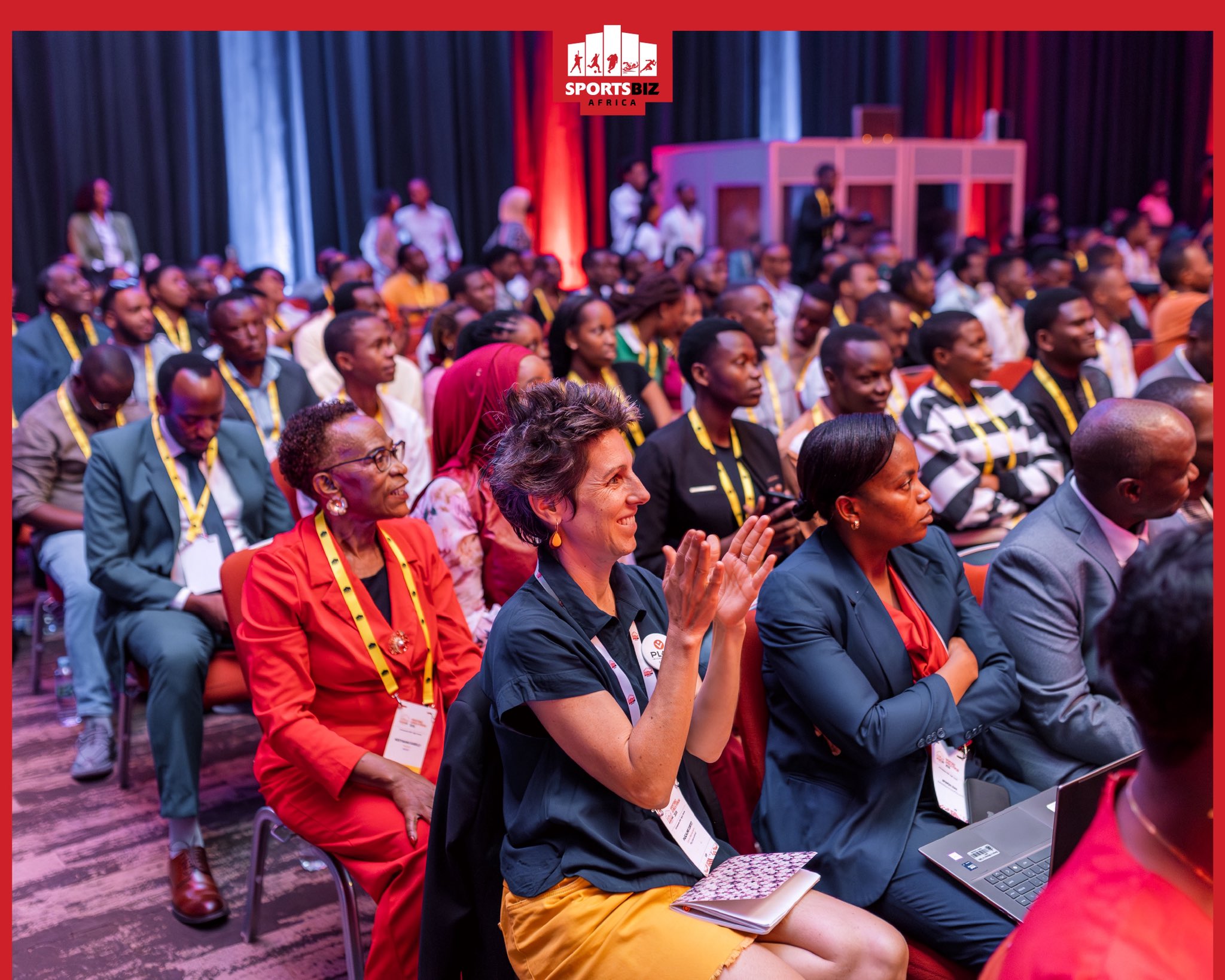
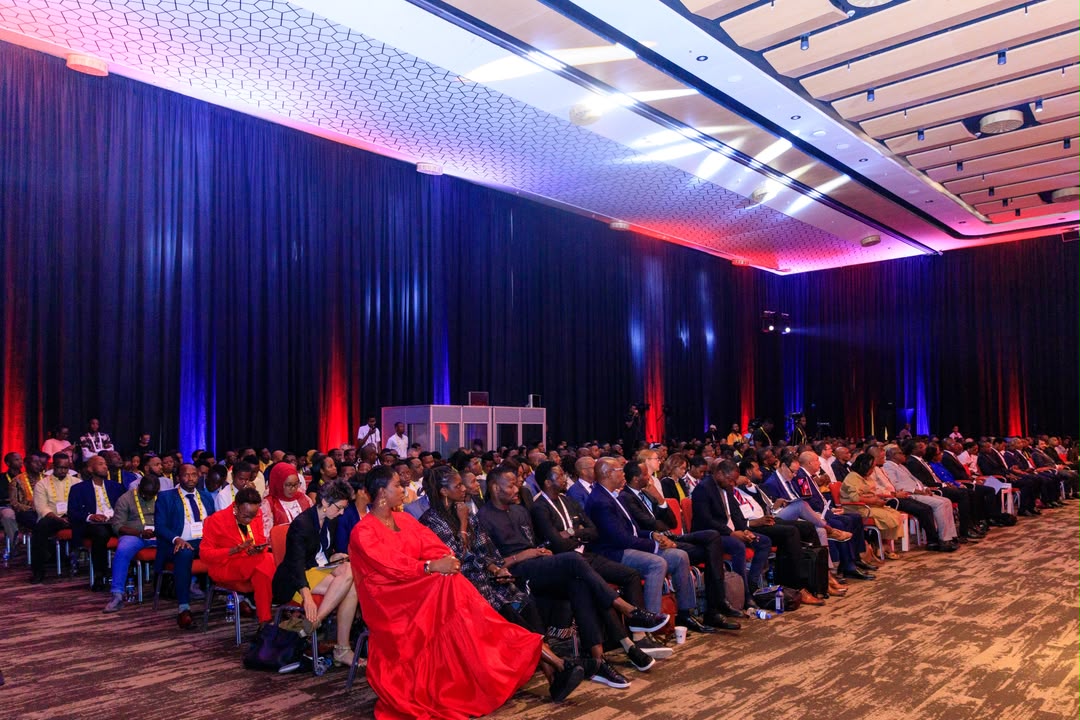
The two-day SportsBiz Africa Forum brings together policymakers, investors, sports administrators, business leaders, entrepreneurs and athletes to discuss ways of strengthening Africa's sports economy through investment, innovation and collaboration.

Loading comments...
Leave a comment