Rwanda’s hospitality sector has recorded significant growth over the past years, reflecting broader gains in the country’s tourism industry and economic transformation efforts.
Jackson Hakiza, the Head of Tourism at the Private Sector Federation (PSF), told IGIHE that hotel room capacity in Rwanda has steadily risen to 27,938, serving both domestic and international visitors across the country. This marks growth of more than 10,000 rooms over the past five years, up from 16,113 in 2019.
The PSF attributes this growth to sustained investment in the sector, noting its vital importance to the national economy.
The country features a diverse array of accommodation options, anchored by elite five-star hotels and globally acclaimed luxury eco-lodges. These include the Kigali Marriott Hotel and Radisson Blu Hotel & Convention Centre in the capital, alongside ultra-luxury wilderness properties like Bisate Eco Lodge and Singita Kwitonda Lodge near Volcanoes National Park, Magashi Camp in Akagera, and One&Only Nyungwe House.
In addition, a robust framework of four-star and three-star hotels indicates a highly diversified hospitality sector that caters to varying market segments.
The expansion of hotel infrastructure has played a central role in supporting Rwanda’s tourism growth, improving service capacity and strengthening the country’s attractiveness as a regional tourism and business destination.
In 2025, tourism revenue reached $685 million, up from $647 million in 2024, representing a 6% increase. Visitor arrivals grew by 9% to 1.49 million, with flagship conservation areas like Volcanoes National Park remaining primary economic engines.
The MICE (Meetings, Incentives, Conferences, and Exhibitions) segment also continued to expand rapidly, generating $94.7 million in 2025, up from $84.8 million in 2024, an 11.8% increase. Rwanda hosted 165 regional, continental, and global events during the year, drawing over 61,000 delegates who were accommodated across various hotels in the country.
Industry leaders note that the sector’s performance reflects sustained structural growth and its increasing contribution to the national economy through investment attraction and job creation. Under the Second National Strategy for Transformation (NST2), tourism is projected to generate $1.1 billion annually by 2029, while MICE revenues are targeted to hit $224 million.
The sector remains a key employer outside agriculture and livestock. The government aims to leverage these hospitality investments to help drive its broader NST2 employment goals, which target the creation of 250,000 new productive jobs annually through 2029.
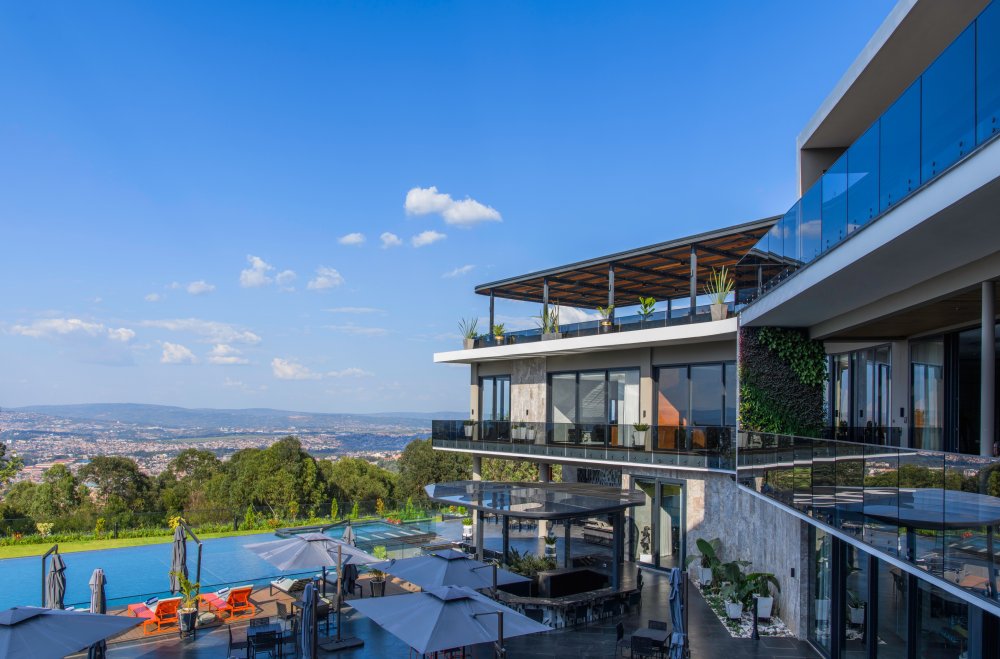
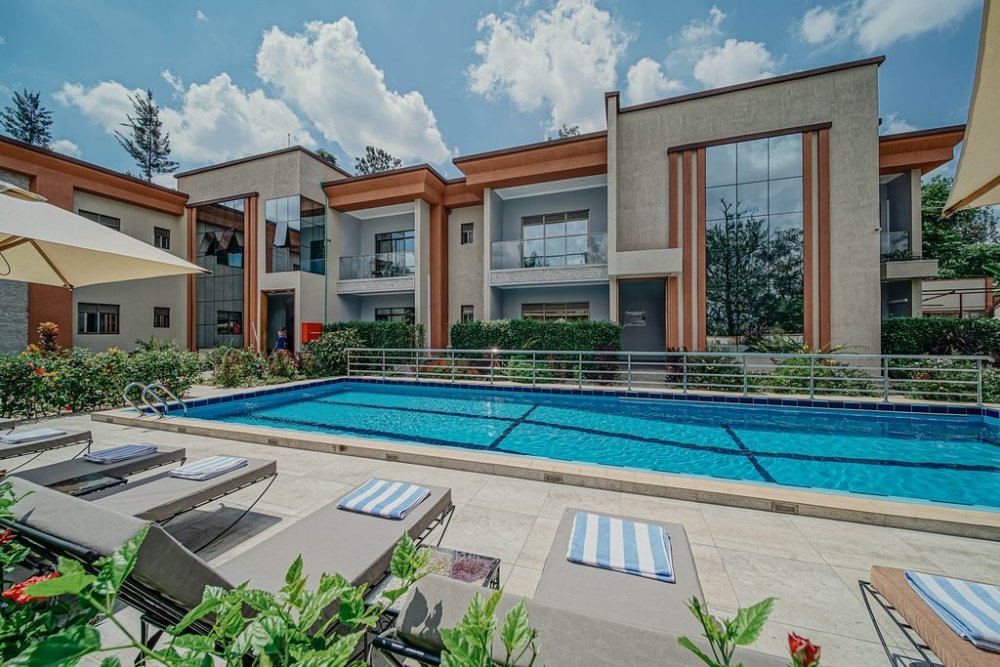
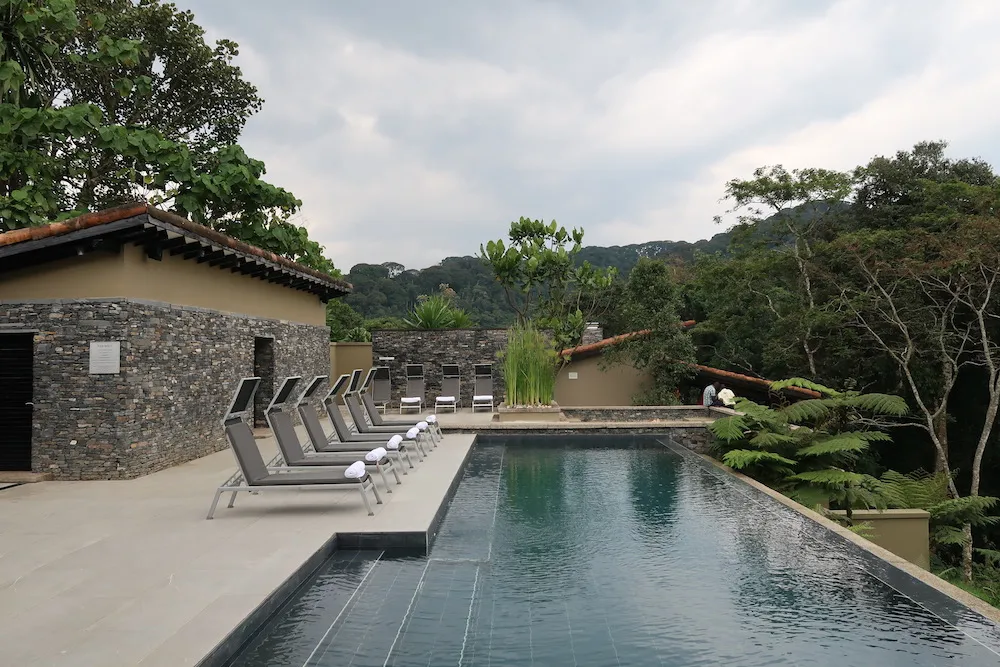
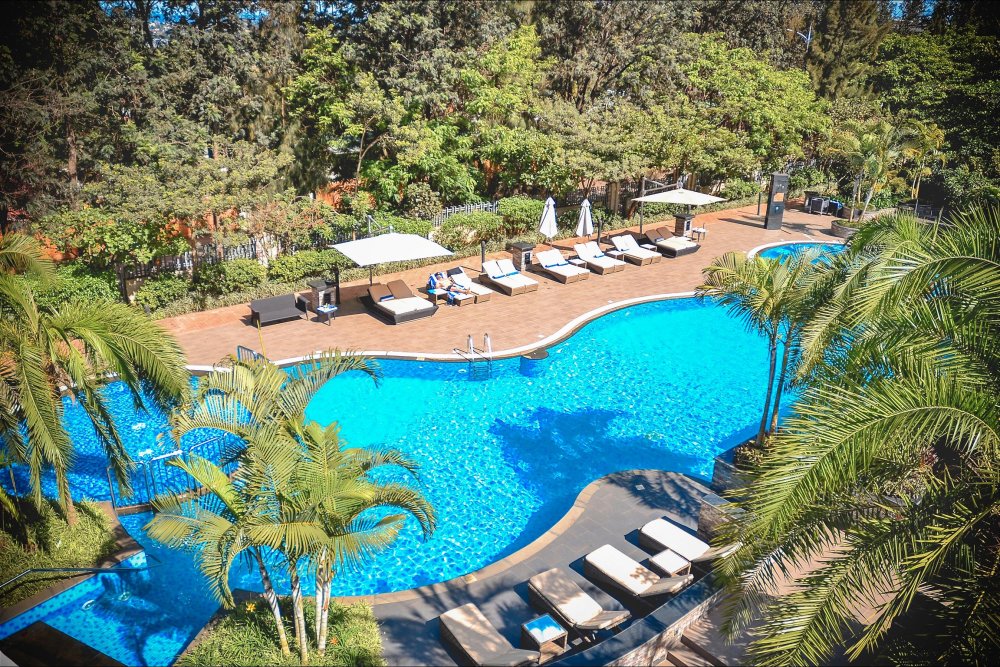
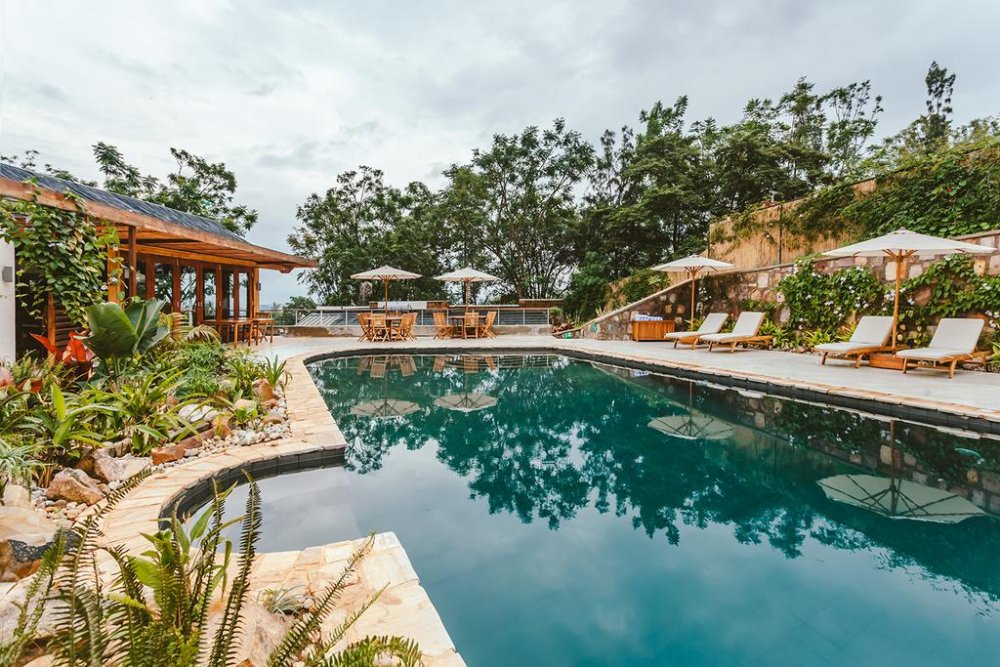
The swimming pool at Mövenpick Hotel Kigali features heated water.
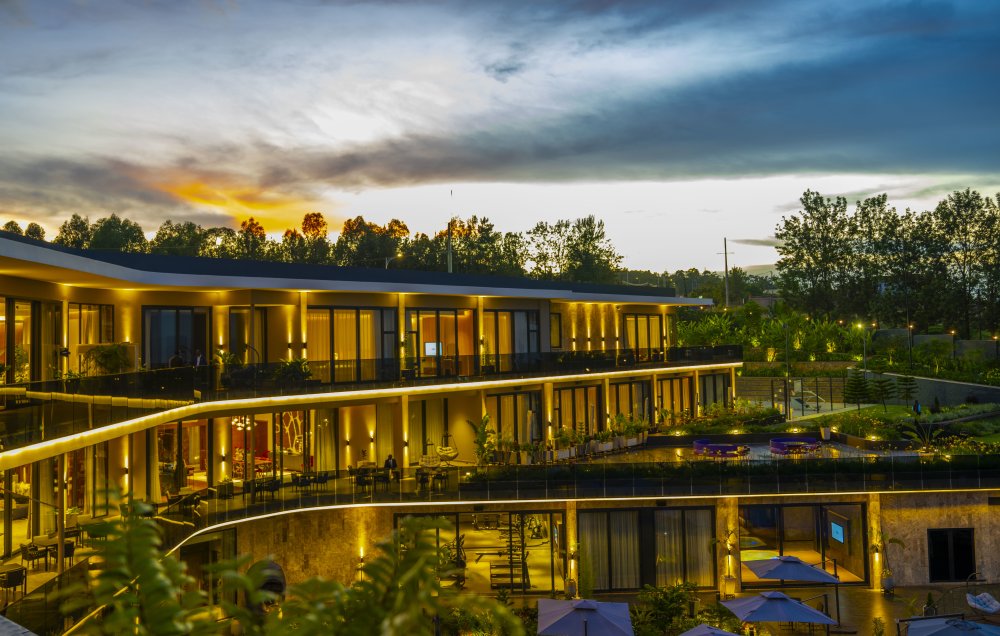
The Pinnacle Kigali is a hotel set on a 3.2-hectare site.
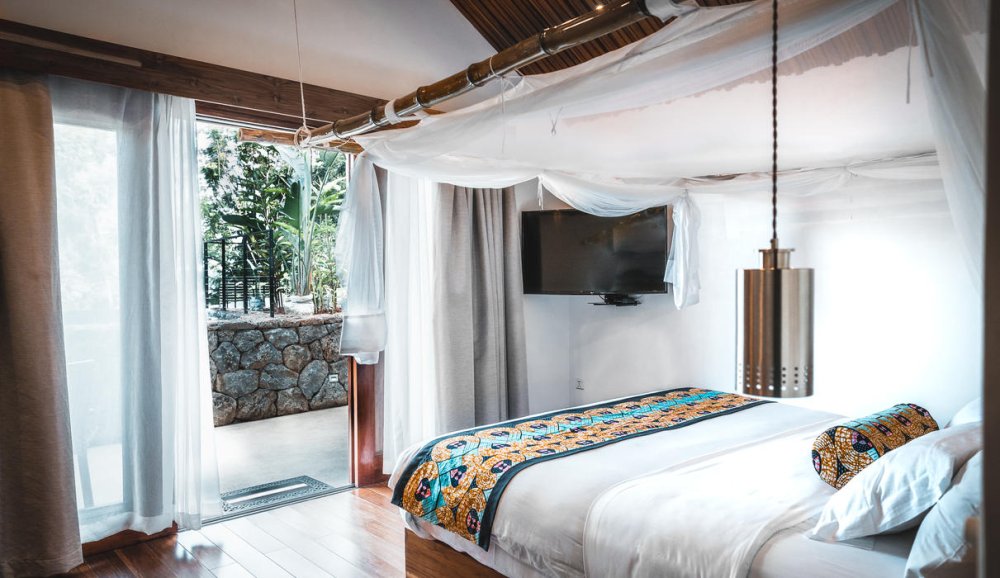
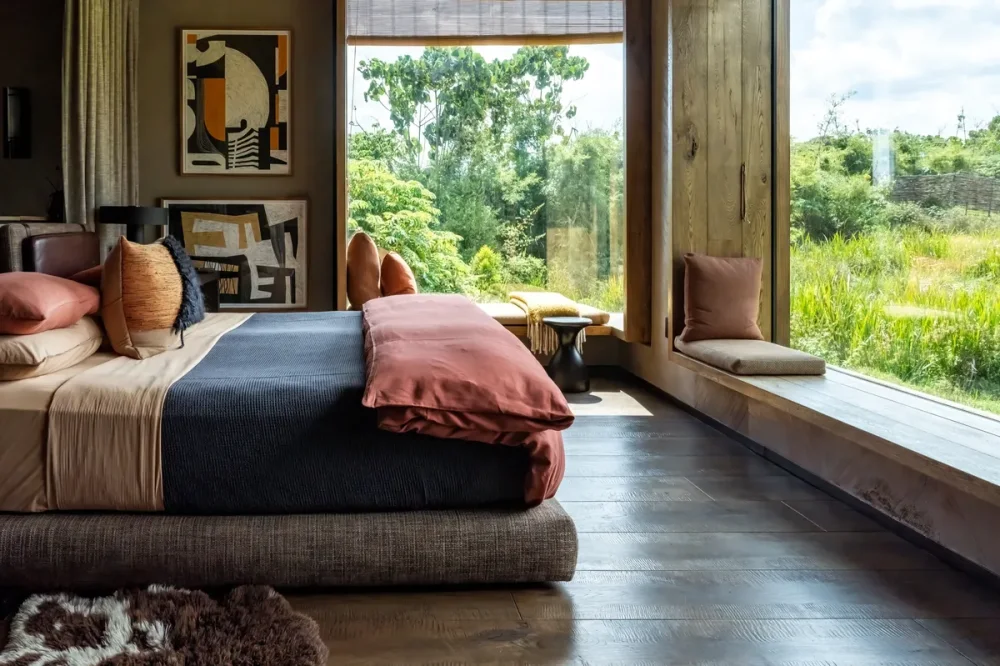
One of the 20 rooms at The Retreat by Heaven.
The luxury boutique property, The Retreat by Heaven, located in the Kiyovu neighborhood of Kigali, was founded by the American entrepreneurs Josh and Alissa Ruxin. [1, 2]The Retreat by Heaven is located in Kiyovu.
The Retreat by Heaven features 20 rooms.
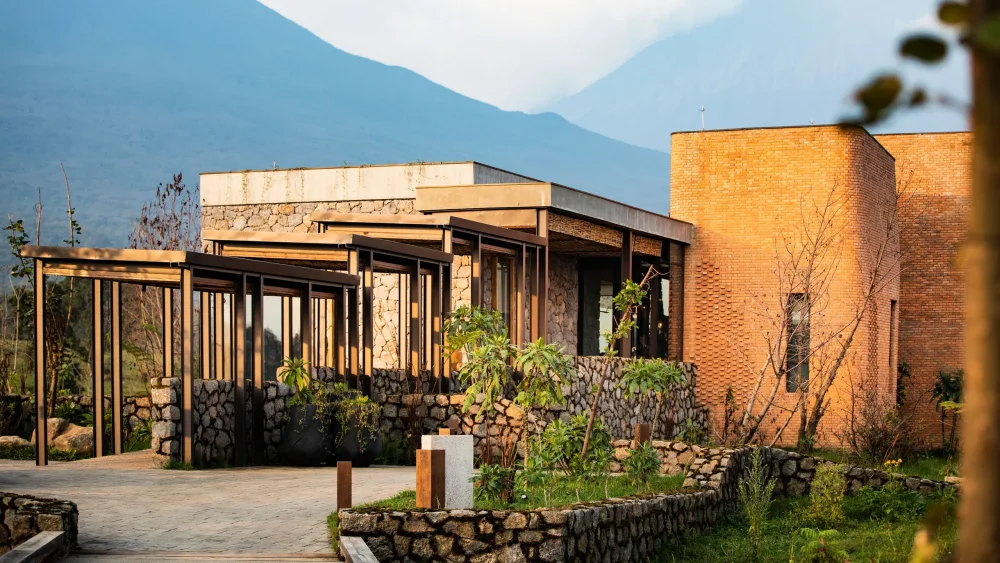
Singita Kwitonda Lodge offers ultra-luxury accommodation on the edge of Volcanoes National Park. Singita Kwitonda Lodge was built by the renowned conservation and tourism company Singita.The rooms at Singita Kwitonda Lodge are elegantly designed.
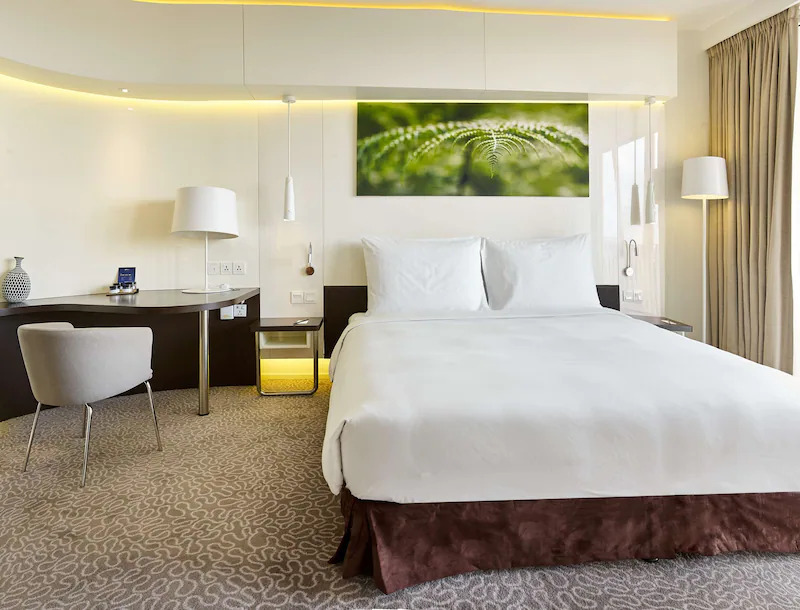
One of the rooms at Radisson Blu Hotel & Convention Centre.
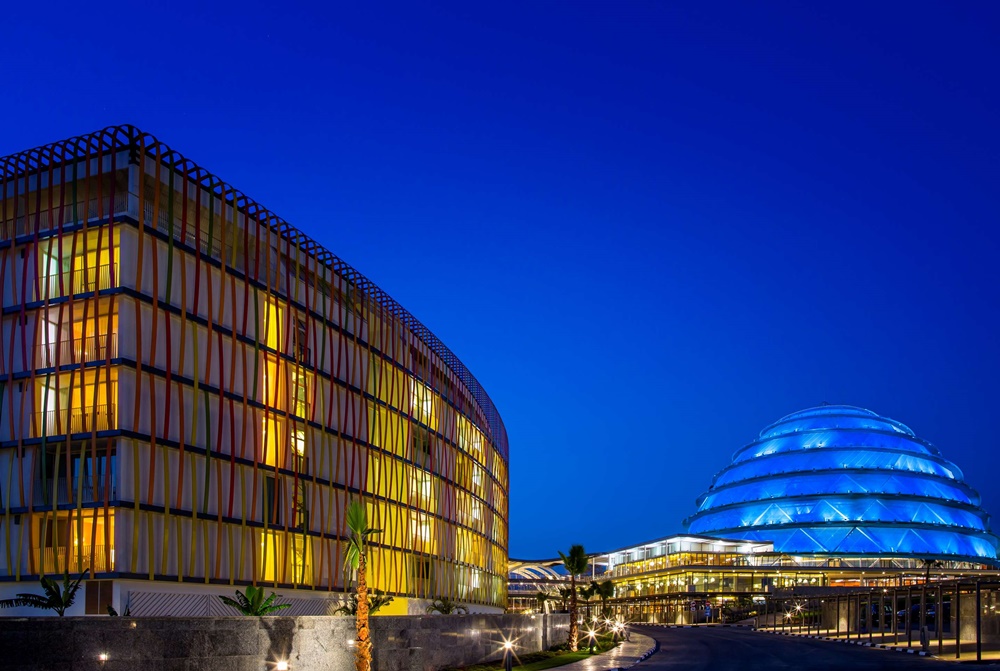
Radisson Blu Hotel & Convention Centre, built in 2016, has 291 rooms.
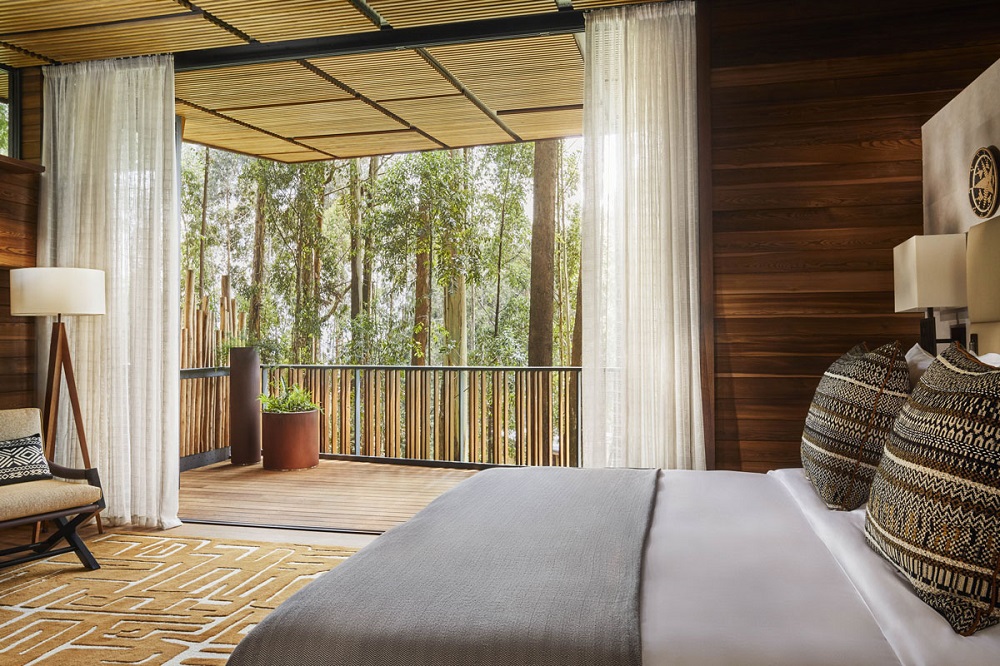
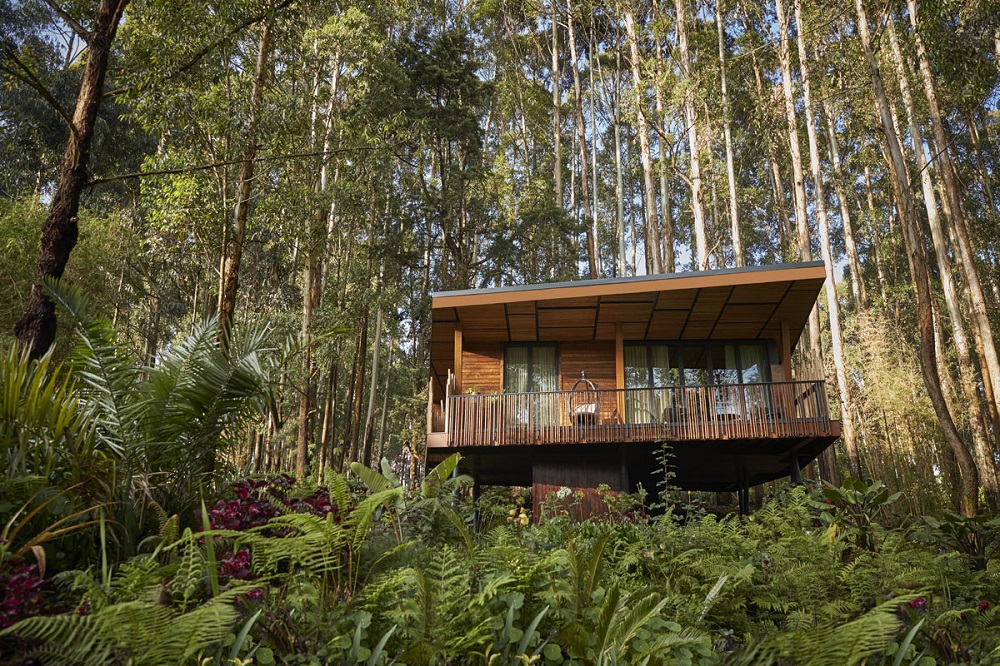
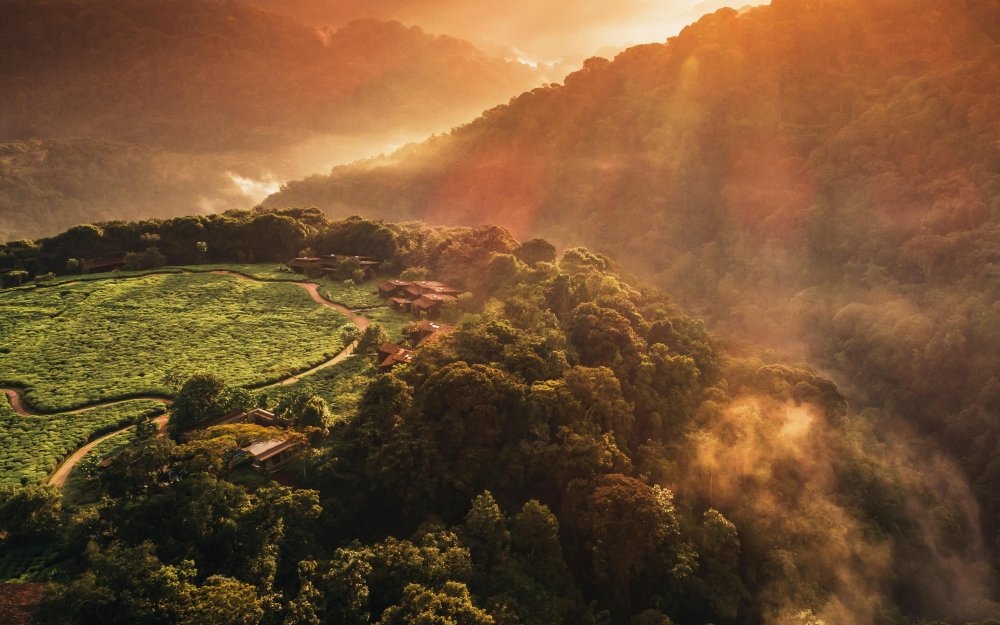
One&Only Gorilla’s Nest is set within a forested landscape, nestled among trees.
Radisson Blu Hotel & Convention Centre is located in Kimihurura in Kigali City.
Inside One&Only Gorilla’s Nest in Kinigi, Musanze District.
One&Only Gorilla’s Nest in Kinigi features 21 modern rooms and seven standalone villas.
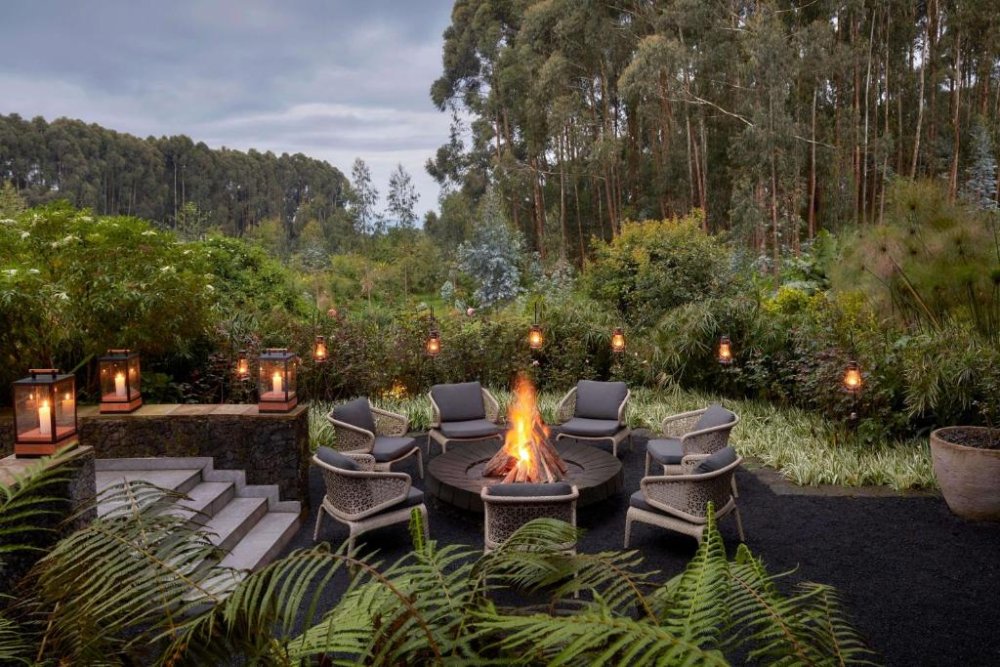
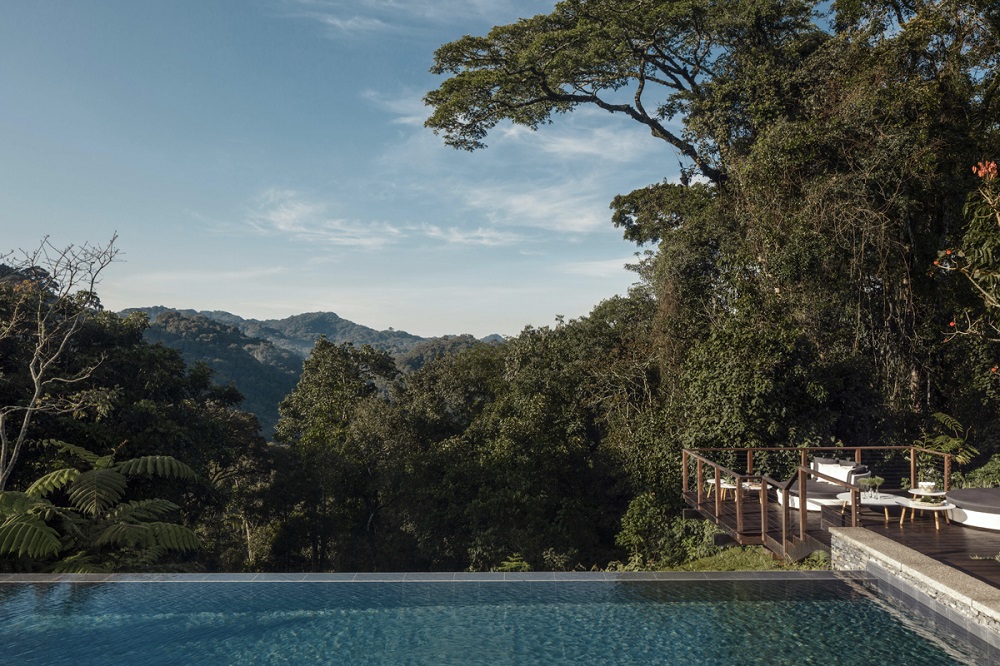
Inside One&Only Nyungwe House, set within lush forest surroundings.
Inside One&Only Nyungwe House, built in 2010.
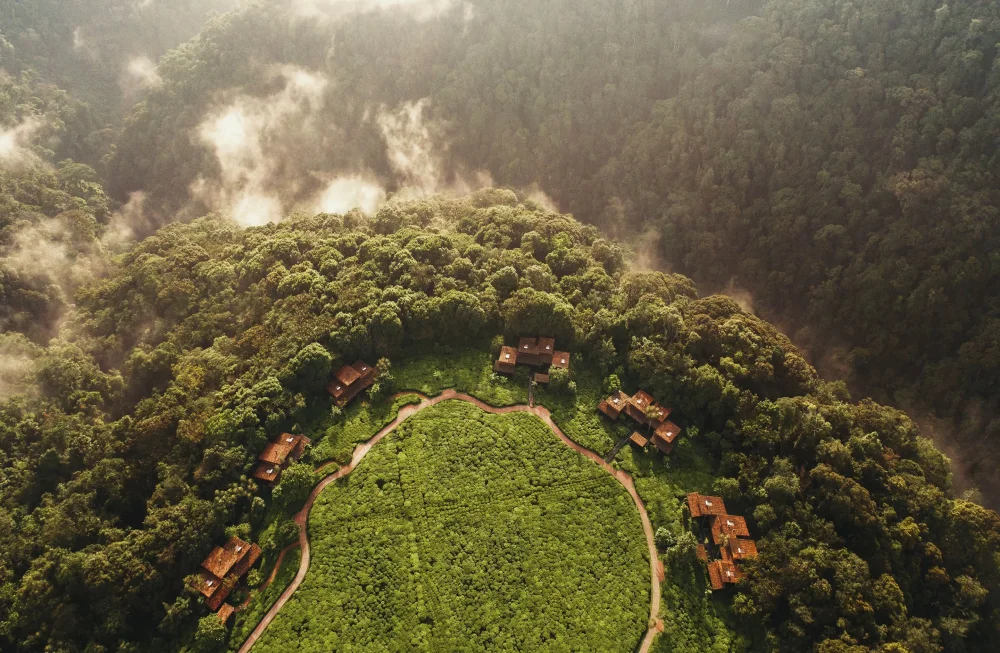
One&Only Nyungwe House is a luxury eco-resort set on the edge of Nyungwe Forest National Park.
One&Only Nyungwe House was built in 2010 in partnership with the Government of Rwanda.
Inside One&Only Nyungwe House, located within Nyungwe National Park.
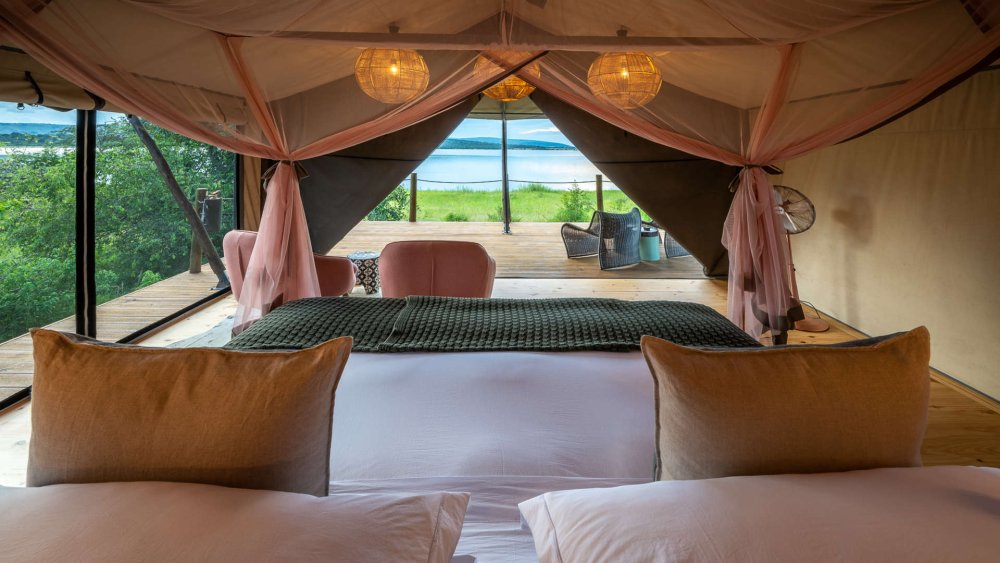
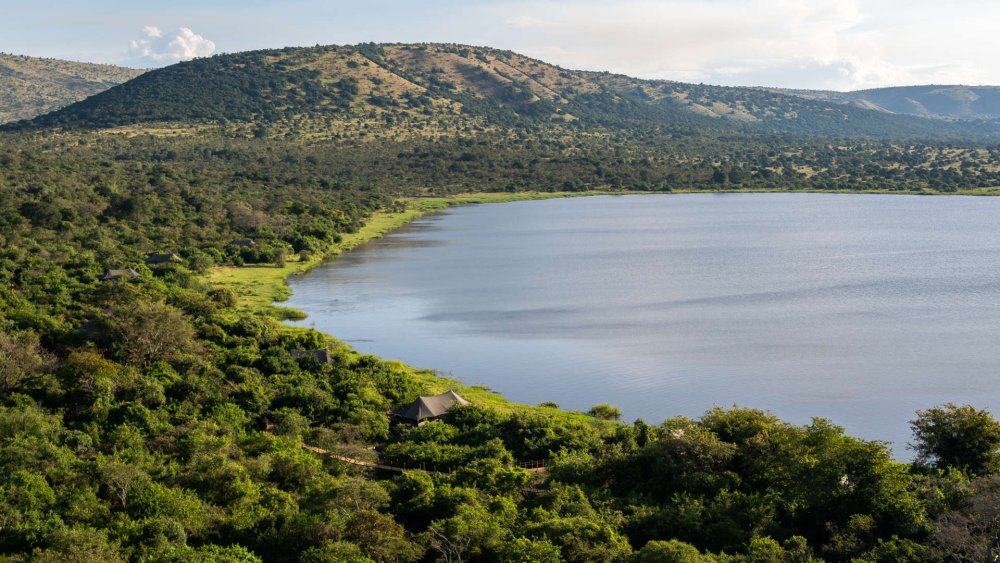
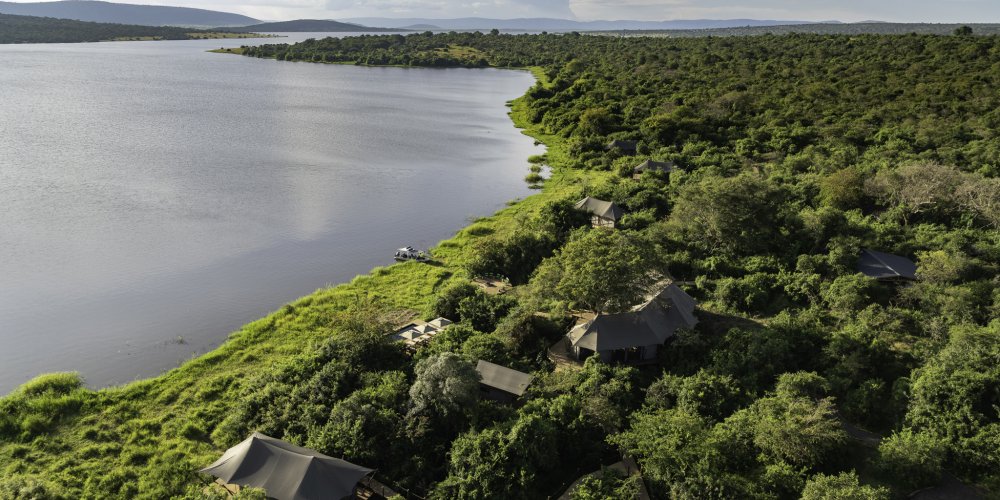
Inside Magashi Camp in Akagera National Park.
Magashi Camp in Akagera National Park is a luxury safari camp. Magashi Camp in Akagera National Park was established in 2018 inside Akagera National Park.
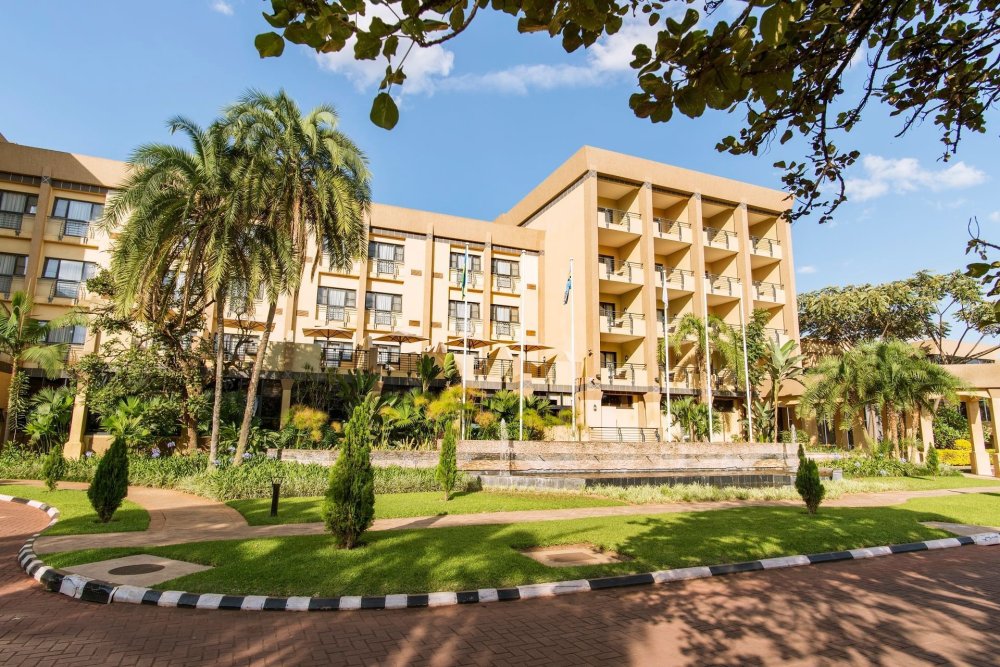
Kigali Serena Hotel is one of Rwanda’s long-established flagship hotels, built on the site of the former Hotel des Diplomates. It was later operated as Hotel Intercontinental before being rebranded as Kigali Serena Hotel in 2007.
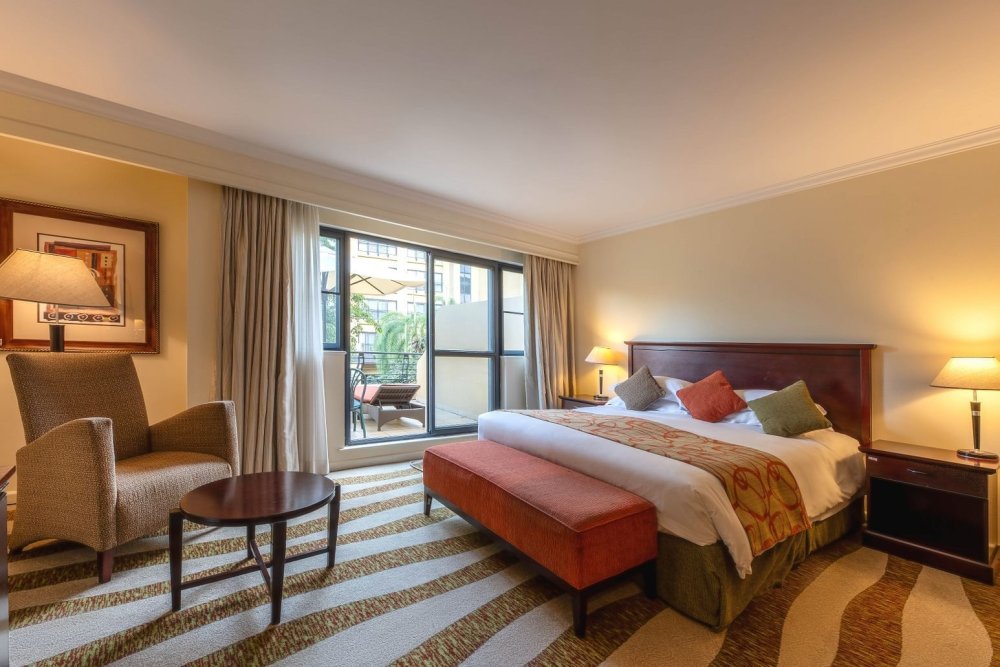
One of the rooms at Kigali Serena Hotel.
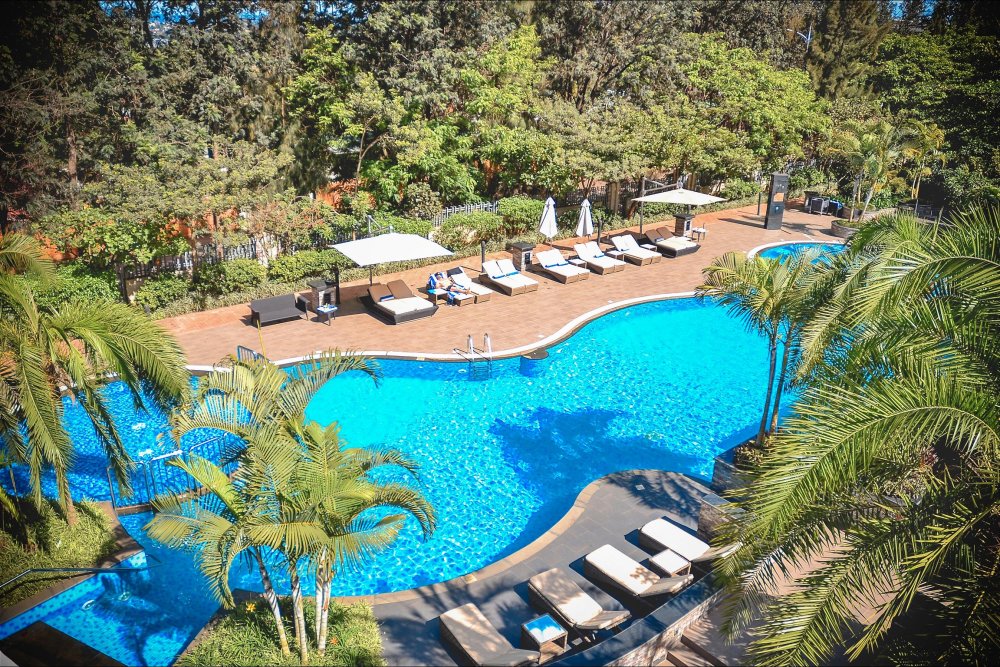
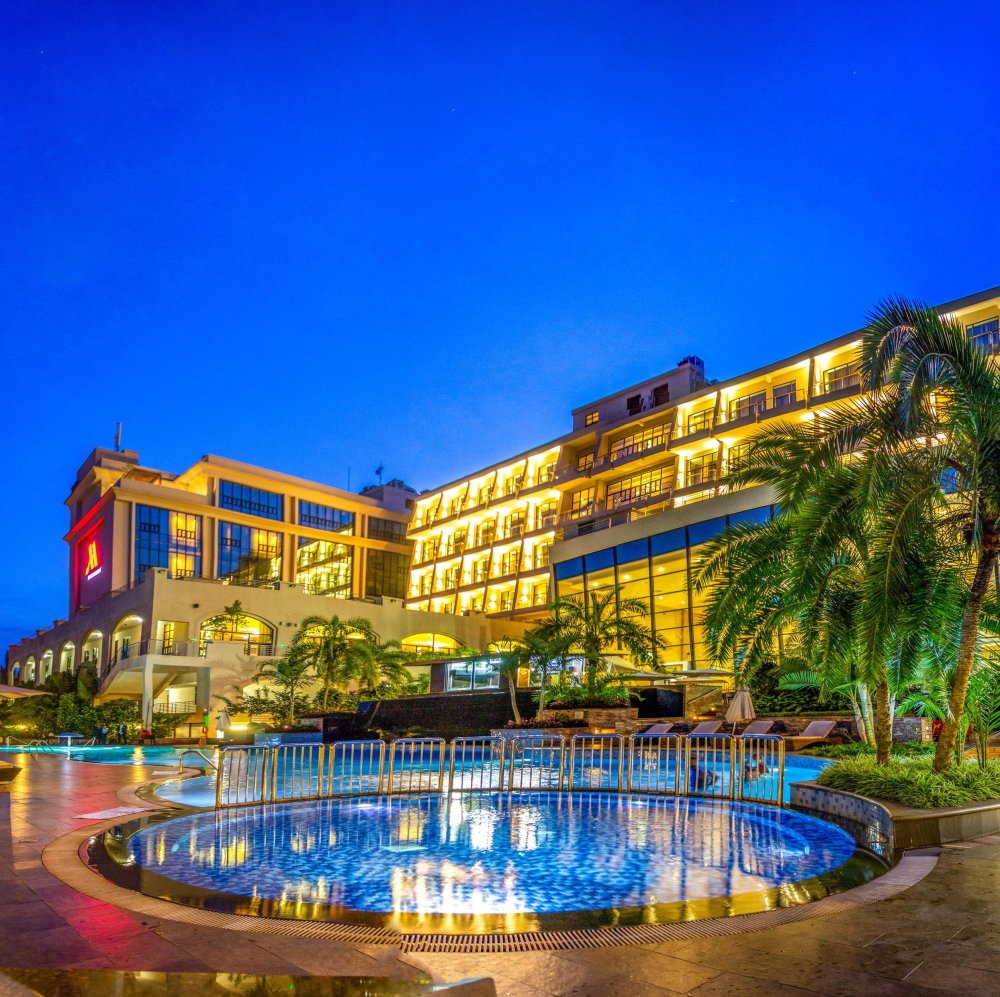
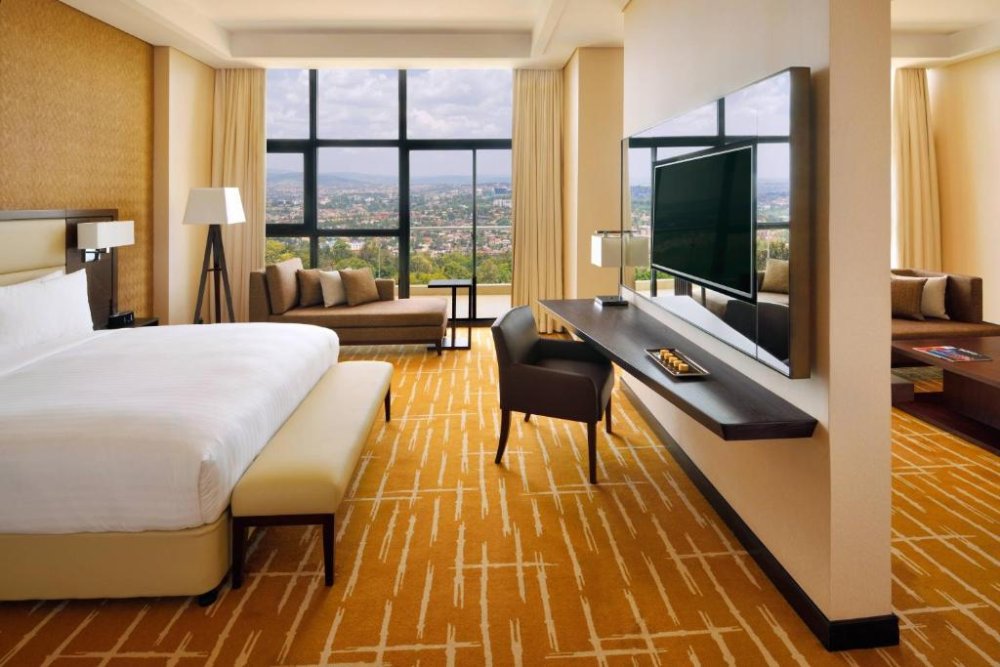
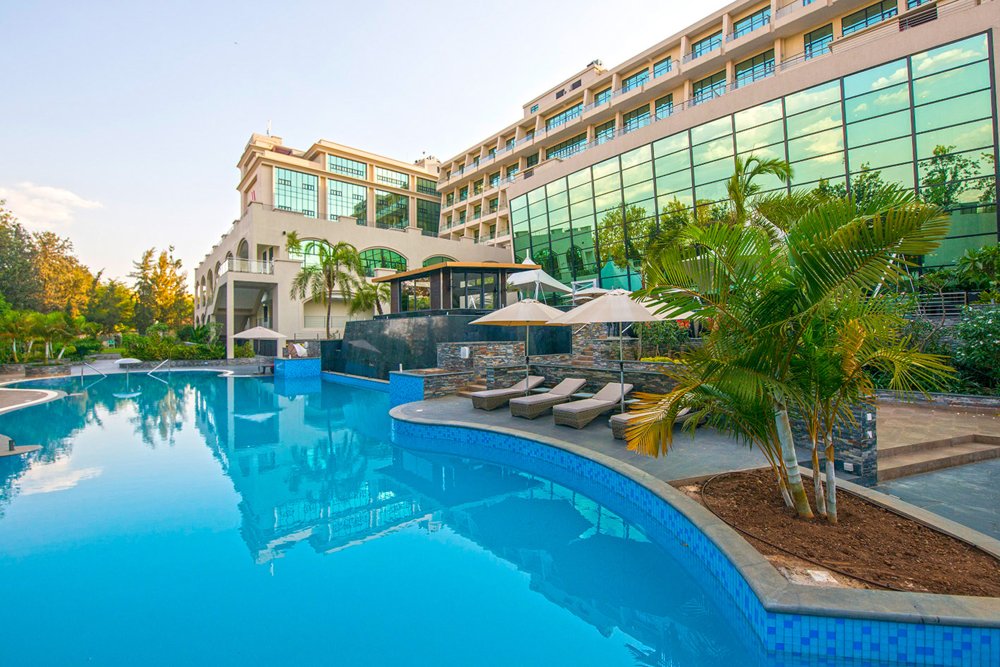
Kigali Marriott Hotel, located in the heart of Kigali, was officially opened on October 4, 2016.
Kigali Marriott Hotel features 250 rooms, including presidential suites.
Kigali Marriott Hotel is one of Rwanda’s five-star hotels.
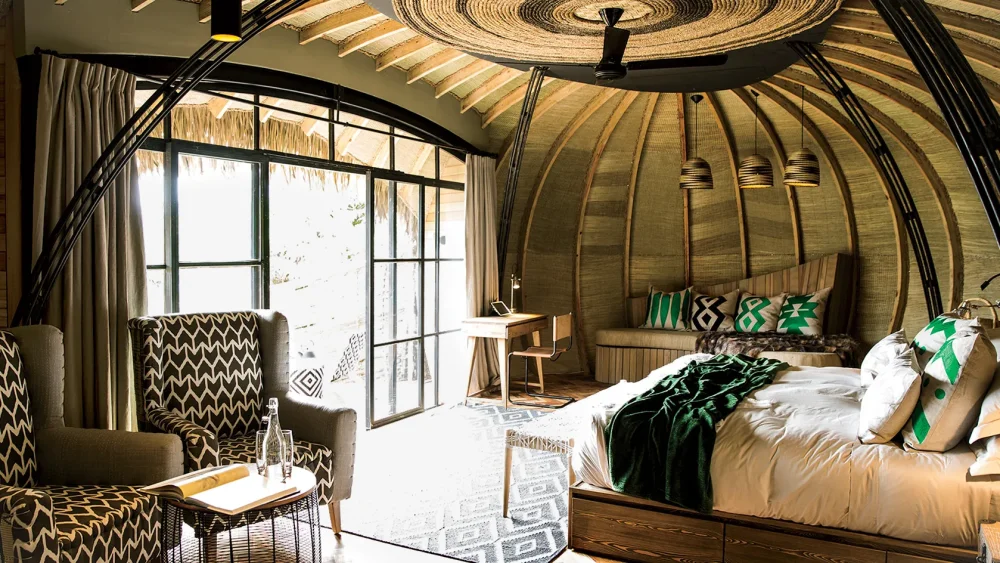
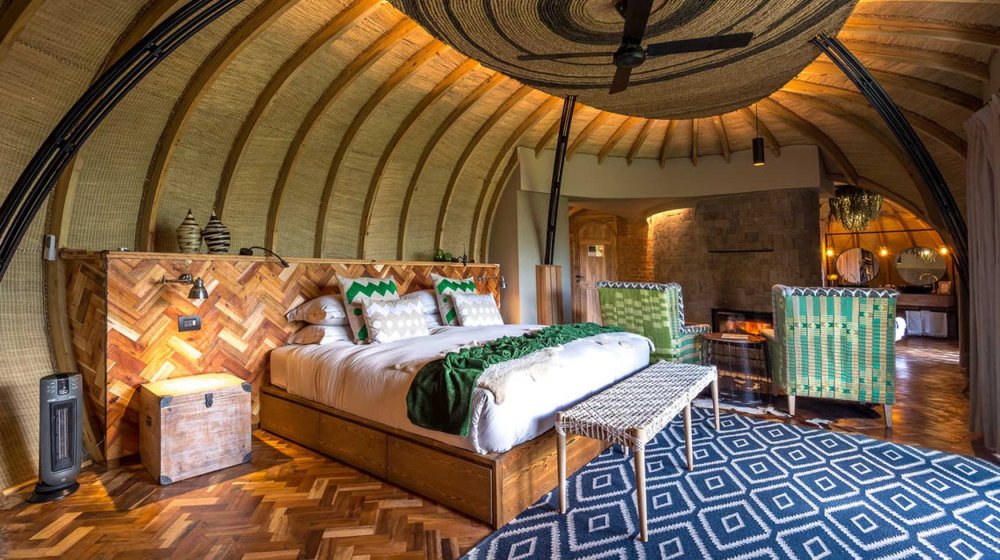
Inside Bisate Eco Lodge.
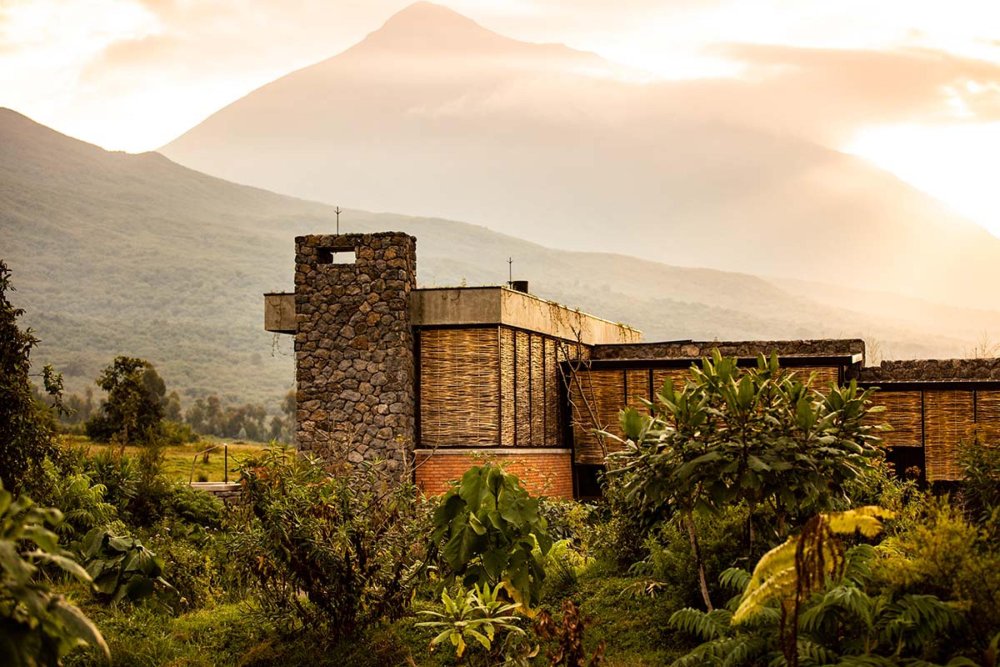
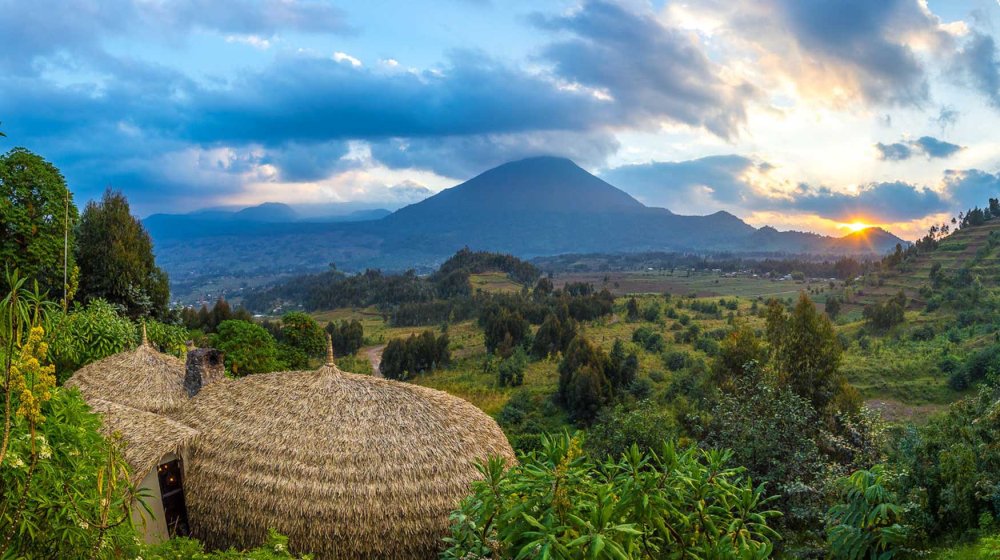
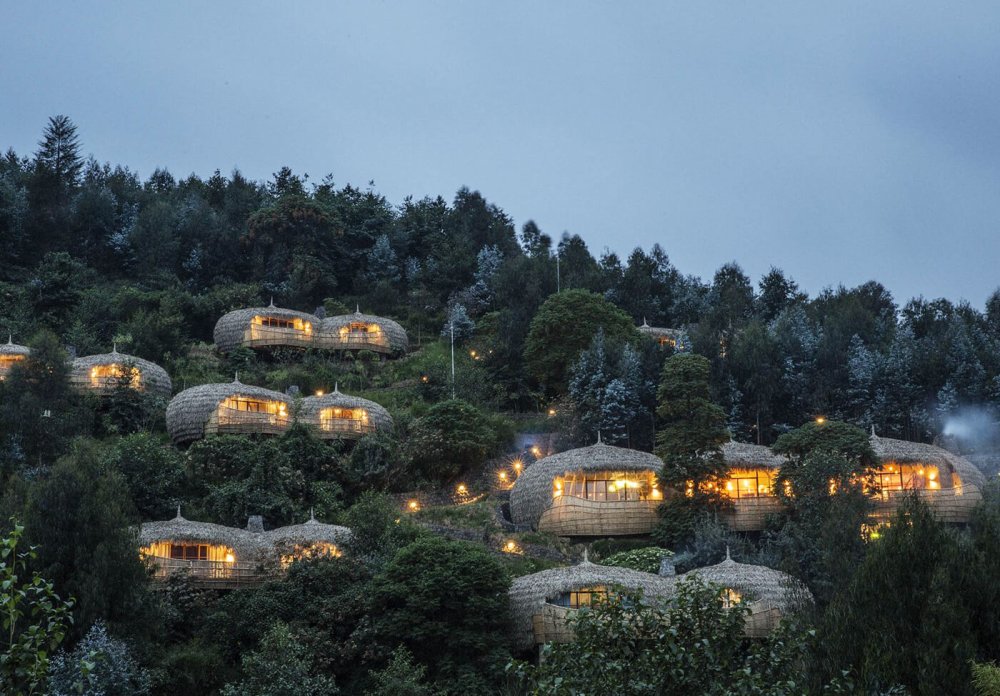
Bisate Eco Lodge is widely admired for its distinctive architectural design.
Bisate Eco Lodge was officially inaugurated by President Paul Kagame on September 1, 2017.
Bisate Eco Lodge is located in Kinigi, Musanze District, close to Volcanoes National Park.
Zaria Court Hotel.Zaria Court Hotel is one of Kigali’s modern hotels.
The Retreat by Heaven is located in Kiyovu and opened in 2011.Virunga Inn Resort is located in Kinigi, Musanze District.
Mövenpick Hotel Kigali is one of Rwanda’s recently established five-star hotels.
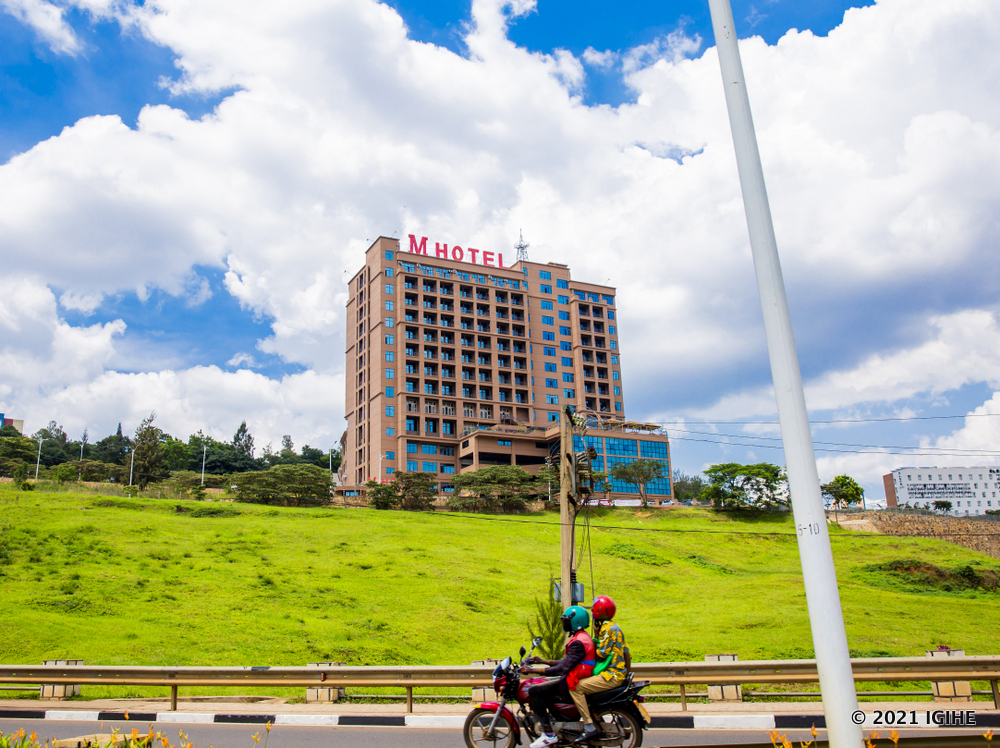
M Hotel, rated four stars, is part of Rwanda’s hospitality network serving international and domestic guests.










Loading comments...
Leave a comment