



The figures are contained in the park's third-quarter activity newsletter, released on Thursday, October 22, 2026.
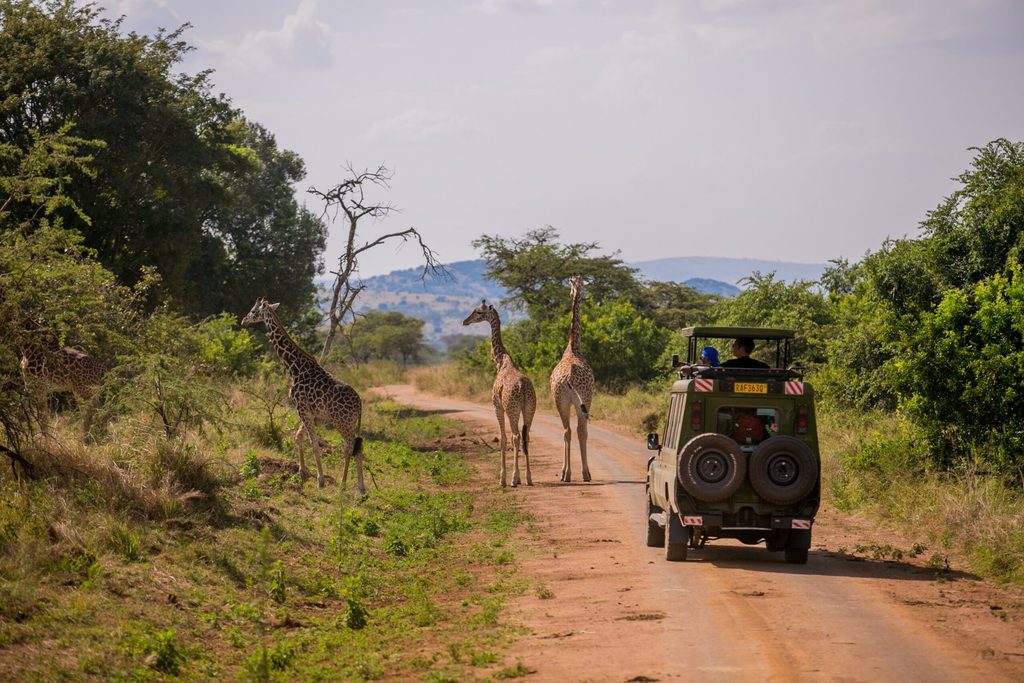
Of the 15,790 visitors recorded during the quarter, 13,911 paid entrance fees. Average spending per visitor rose to $162 in September, 22% higher than in the same month in 2025 and the highest level recorded since 2010.
During the quarter, the park hosted several events, including the African Parks Management Meeting, the Wildlife Ranger Challenge, the Akagera Trail Marathon and Kwita Izina.
Fire management and community livelihoods
A total of 16,631 hectares of the park had burned by August, according to the report. Approximately one-third of the burned area resulted from prescribed management burns, including block burns and firebreaks, while the remainder was attributed to unplanned fires.
The latter were caused by accidental ignitions in neighbouring communities or deliberate fires linked to poaching.
The park's fire management programme involved planned burns, close monitoring and rapid response to reduce fuel loads in grassland and woodland areas and protect wildlife habitats from more destructive fires. The rains arrived in mid-September, providing relief after the dry season.
Meanwhile, fish farming continued to support community fisheries and local food supplies.
In July, Akagera Management Company stocked 50,000 mixed-sex tilapia fingerlings in Gacaca Valley Dam, a four-hectare water body in Murundi Sector. In August, Mubari Farmer Cooperative Society stocked a further 23,000 fingerlings in Cyamusenyeri Valley Dam, also in Murundi Sector.
Community enterprises generate over $416,000
Community enterprises and local procurement generated a combined $416,893 in economic benefits during the quarter, the report shows.
Fishing, beekeeping, community centres, freelance guiding and building cooperatives generated $158,322, while local procurement contributed another $258,571.
Fishing cooperatives generated $38,649, while the Akagera builders' cooperative and casual labourers generated $67,887.
Environmental education and community outreach activities reached 52,958 people through school programmes, community and cooperative meetings, awareness campaigns, radio broadcasts and educational visits to the park, among other initiatives.
Elephant identification database expands
Fieldwork during the quarter identified 55 known elephants belonging to two bonding groups, according to the report.
Three additional elephants were added to the park's identification database, bringing the total number of identified individuals to 121, equivalent to 85.2% of the known elephant population.
The database supports long-term monitoring of individual elephants and the wider population, helping conservation teams track changes over time.
Park begins drone training for rhino monitoring
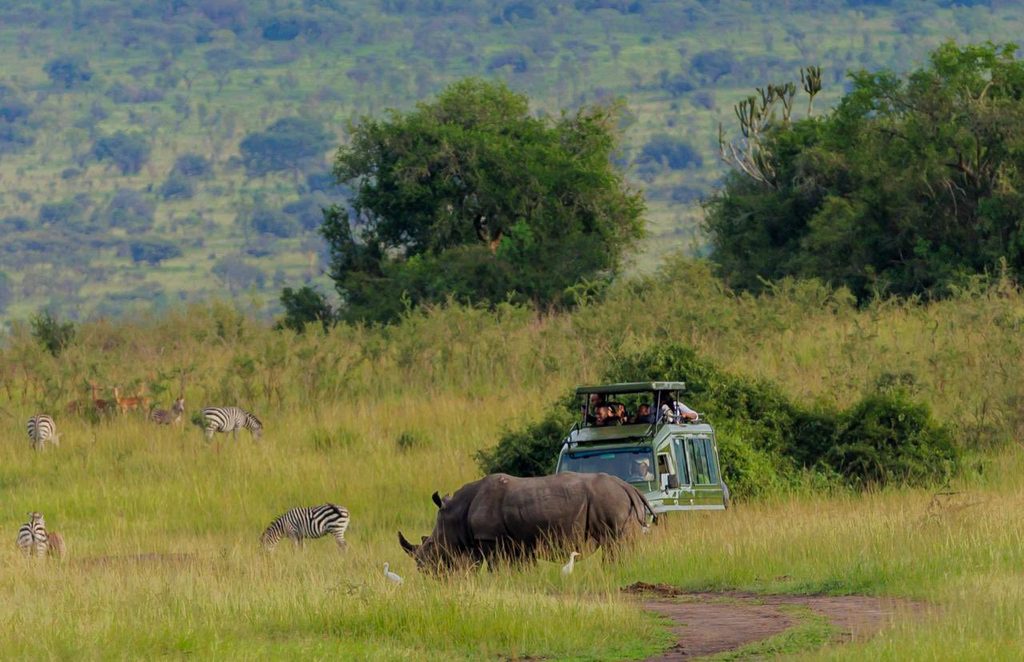
Akagera's rhino monitoring teams continued daily patrols on foot and from the air, recording 2,517 white rhino observations and 413 black rhino observations during the quarter.
After obtaining the necessary permits, rhino trackers began a three-week practical training programme on operating drones to strengthen monitoring capacity.
Two rangers and three rhino trackers also attended black rhino monitoring training at Liwonde National Park in Malawi.
The training is intended to strengthen the teams' skills in monitoring and protecting the park's rhino population.
During the period under review, the park also completed a large carnivore camera trap survey during the quarter, deploying 85 cameras across 57 sites. The cameras have captured more than three million images, which conservation teams are analysing to identify individual leopards and hyenas, estimate population trends and assess the relationship between predator populations and the growth of the park's lion population.
The findings are expected to inform future conservation strategies.
Established in 1934, Akagera National Park covers 1,122 square kilometres and is home to more than 11,300 animals.
Its wildlife includes 60 lions, 142 elephants, 4,000 buffaloes, 115 giraffes, between 80 and 100 leopards, and 145 rhinos.
The park also hosts about 2,000 zebras, 1,500 impalas, between 120 and 150 hyenas, between 1,500 and 1,800 hippos, 1,000 inyemera and more than 1,000 indonyi. It is also home to 179 butterfly species.
With approximately 500 bird species, Akagera has the highest recorded bird diversity among Rwanda's national parks, according to the report. Nyungwe National Park has about 300 bird species, while Gishwati-Mukura and Volcanoes National Parks have fewer.
Loading comments...
Leave a comment