



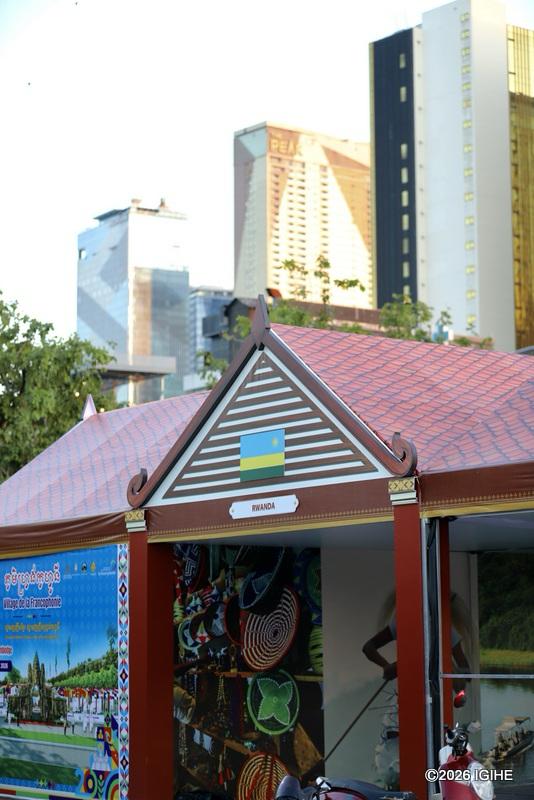
During the coverage of the 20th Francophonie Summit for IGIHE, a stay in Phnom Penh also provided an opportunity to discover the city beyond official activities. Through visits, tuk-tuk rides, walks and encounters, the capital gradually reveals its history, identity and way of life.
A capital whose name originates from a legend
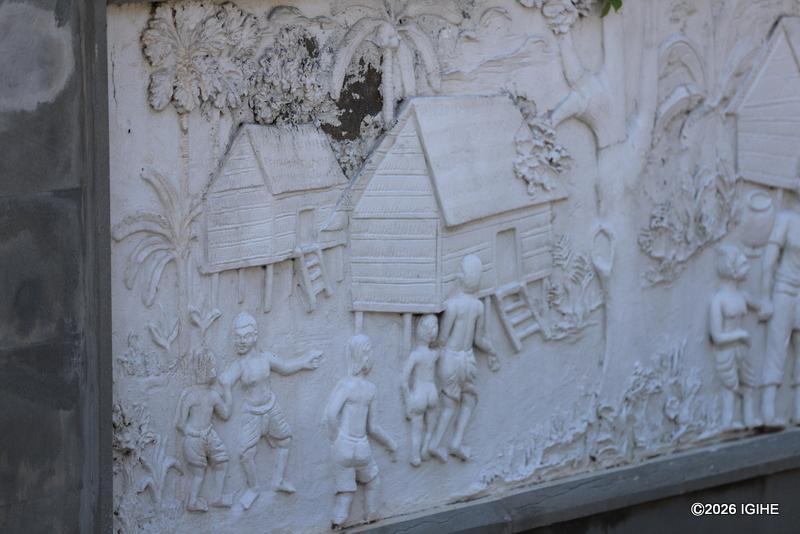
According to popular tradition, the history of Phnom Penh is linked to a woman named Penh, also known as Daun Penh. Legend has it that she discovered several Buddha statues inside a tree floating on the Mekong River. She subsequently arranged for a hill to be built to house these religious objects.
This hill, known as Phnom Penh, is believed to have given the capital its name. Today, it is home to Wat Phnom, one of the city’s most important religious and historical sites.
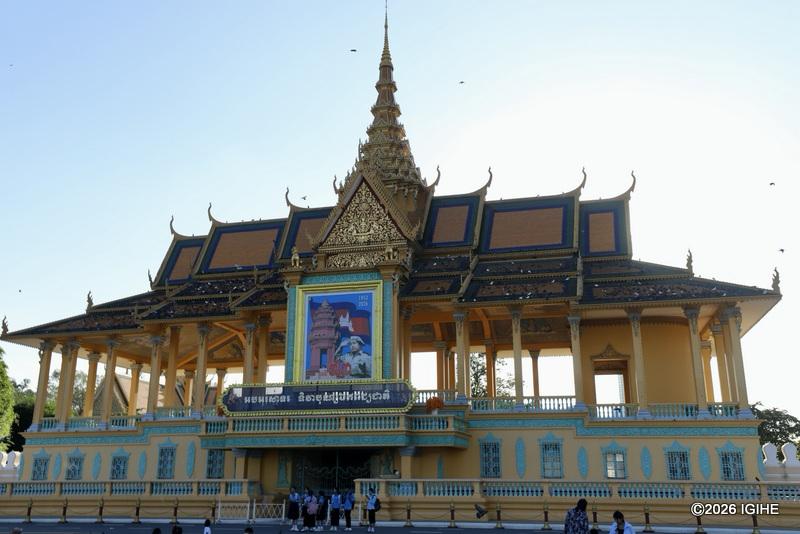
Phnom Penh officially became Cambodia’s capital in 1866, during the reign of King Norodom I. It was also around this time that construction of the Royal Palace began, now one of the country’s most iconic landmarks.
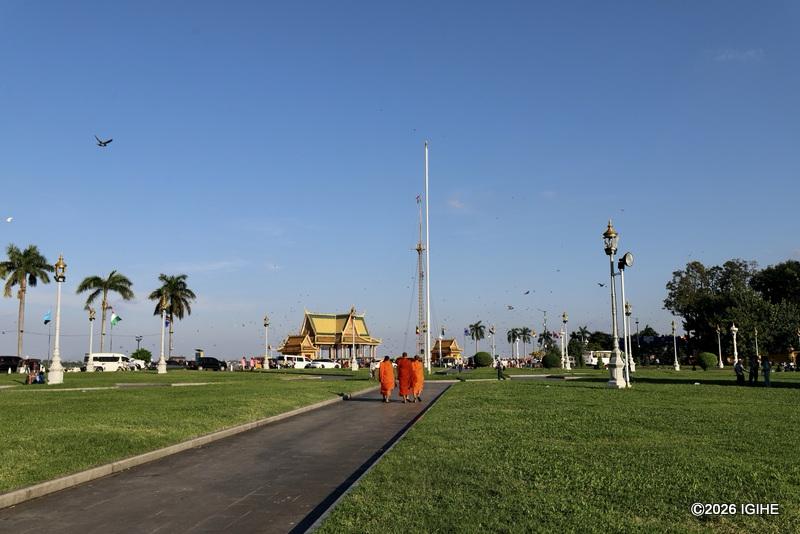
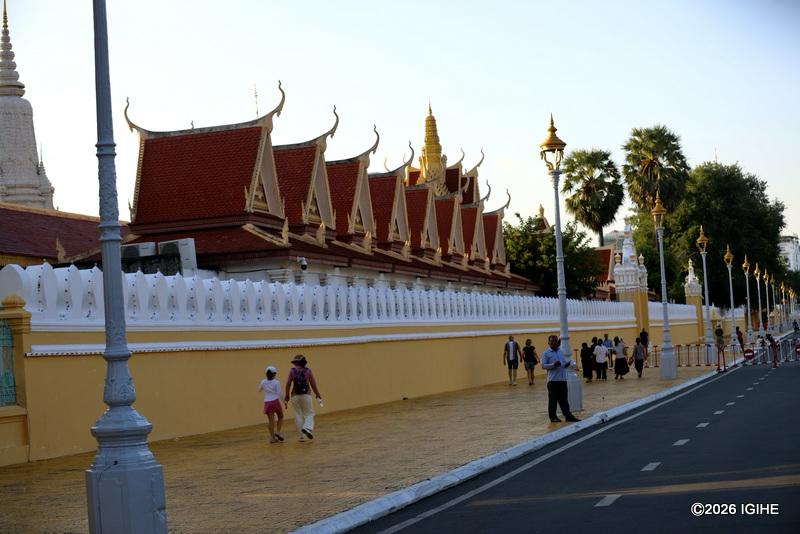
With its golden rooftops and traditional Khmer architecture, the Royal Palace reflects Cambodia’s royal heritage. Nearby, the Silver Pagoda highlights the importance of Buddhism in the country’s cultural identity.
Behind the city’s beauty lies a painful history
Phnom Penh cannot be understood solely through its palaces and temples. The capital also bears the scars of one of the darkest periods in contemporary history.
On April 17, 1975, the Khmer Rouge took control of the capital and forced its residents to leave the city. Under Pol Pot’s regime, between 1975 and 1979, Cambodia experienced a period of terror that claimed an estimated 1.7 to 2 million lives.
The former Tuol Sleng High School, transformed into the S-21 detention centre, is now a museum dedicated to the Cambodian genocide. This memorial site provides a powerful reminder of the suffering endured by the population.
This history reminds visitors that Phnom Penh is more than its architectural heritage or tourist appeal. It is also a symbol of the resilience of a people who had to rebuild their country after an immense tragedy.
Monuments that tell the story of different eras
The capital’s history is also shaped by the French Protectorate and Cambodia’s independence in 1953.
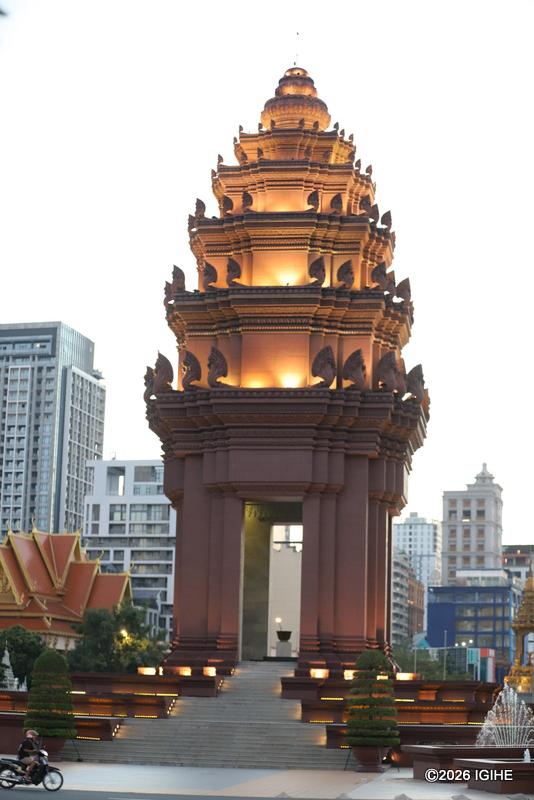
Inaugurated in 1962, the Independence Monument commemorates this important milestone. Its architecture, inspired by traditional Khmer designs, makes it one of the most recognisable landmarks in Phnom Penh.
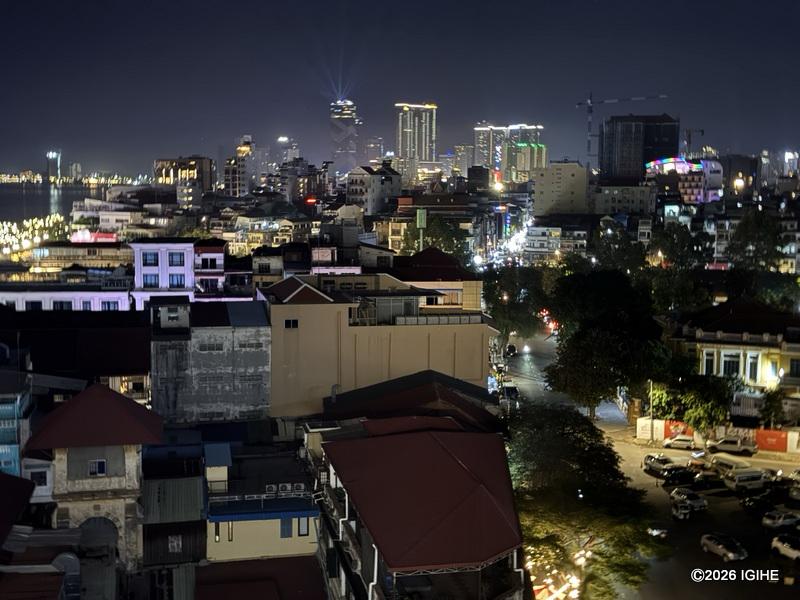
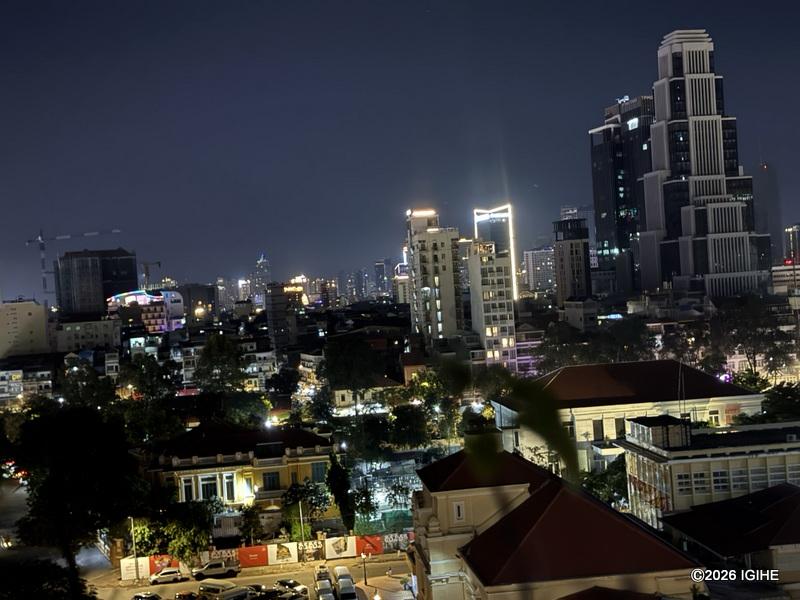
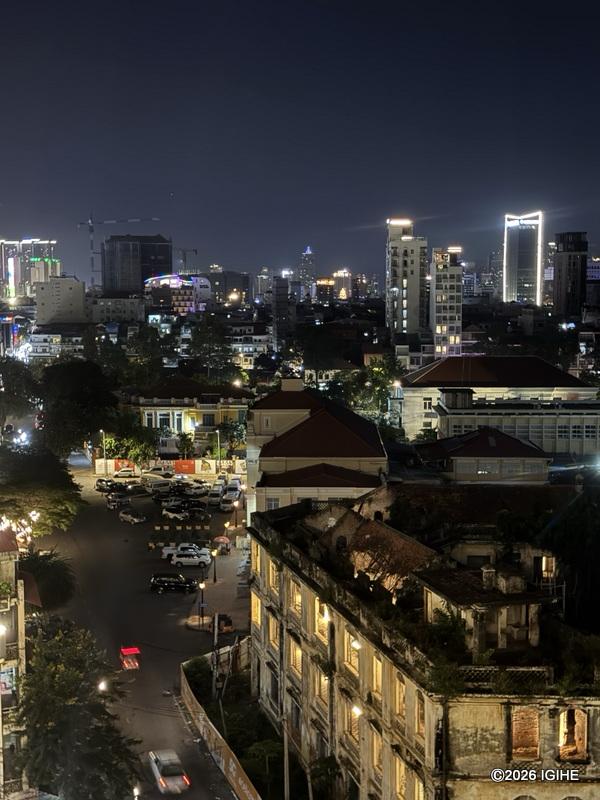
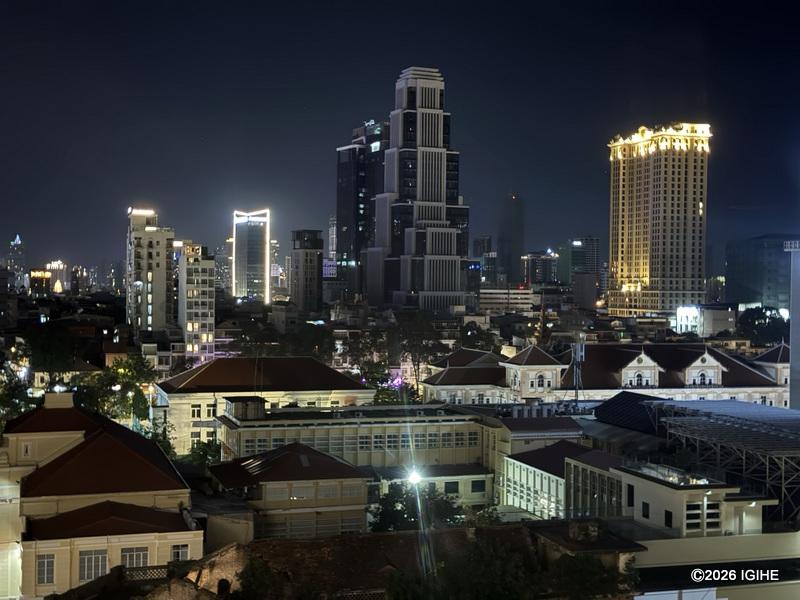
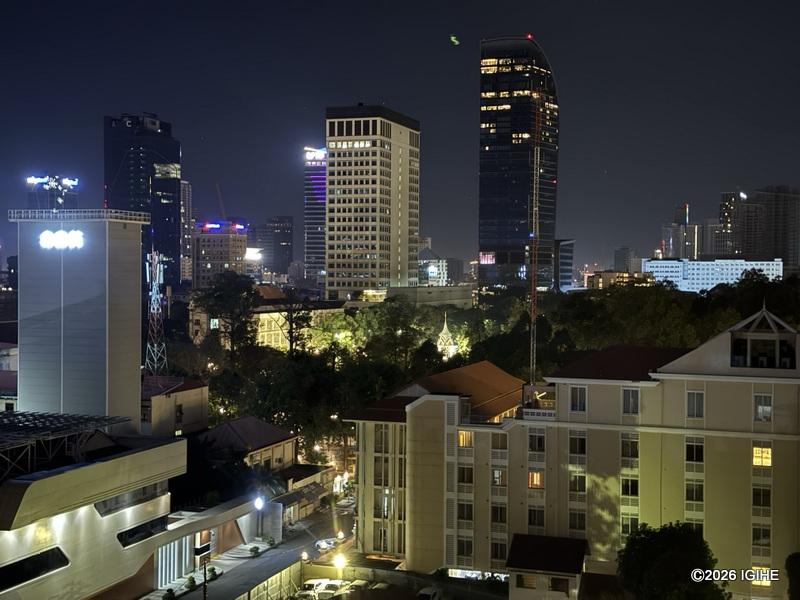
Buildings inherited from the colonial period stand alongside pagodas, traditional structures and modern high-rises. This architectural diversity offers a glimpse, along the city’s streets, of the different historical periods that have shaped Cambodia.
Markets, tuk-tuks and traffic: The rhythm of the capital
The Central Market, known locally as Phsar Thmey, is one of Phnom Penh’s most iconic places. Its Art Deco architecture and large central dome immediately catch the eye.
Inside, the stalls offer a wide variety of products, including clothing, jewellery, souvenirs, food and handicrafts. The market is a lively meeting place for residents, traders and international visitors.
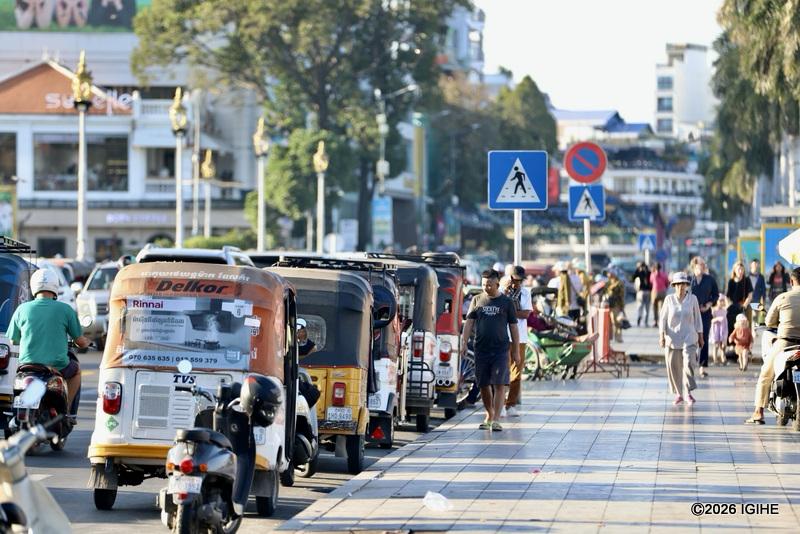
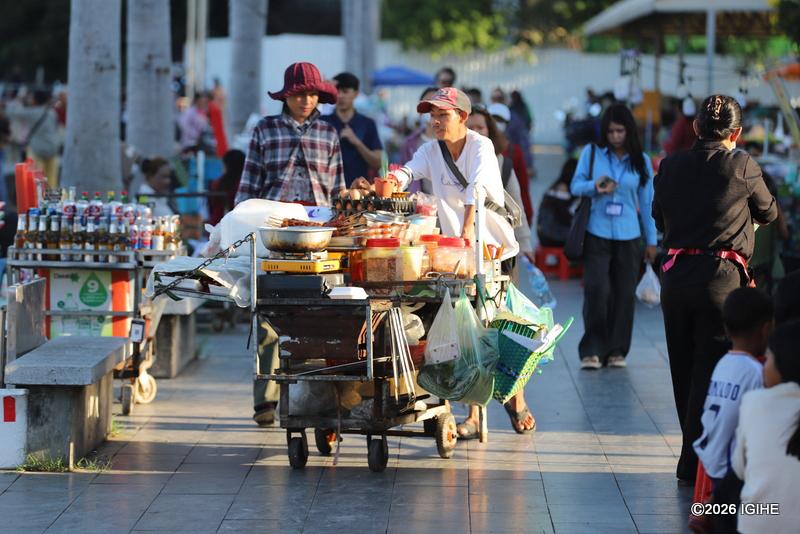
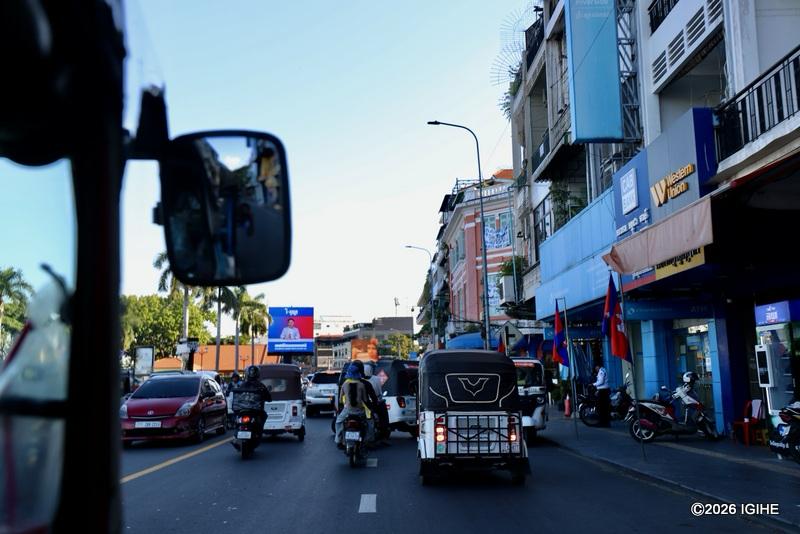
Tuk-tuks are also an essential means of transport for exploring the city. Travelling in these small vehicles provides an opportunity to observe neighbourhoods, shops, restaurants, homes and major avenues.
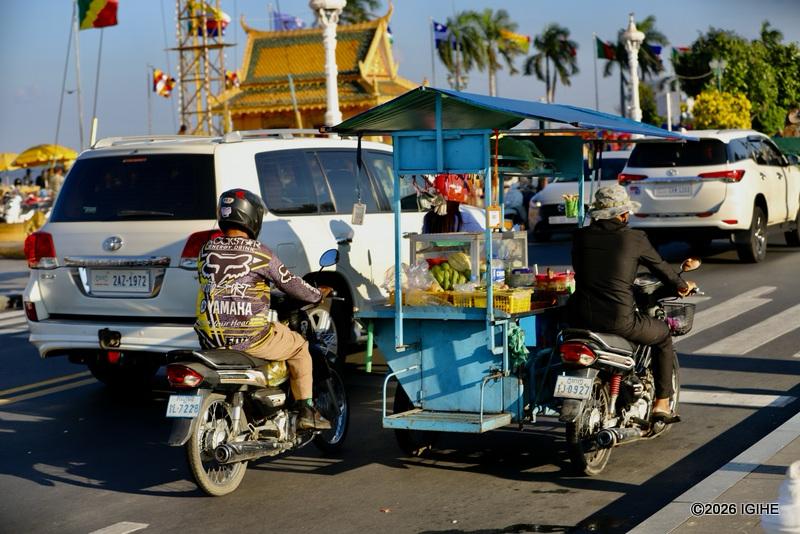
Traffic remains one of the most striking aspects of Phnom Penh. Cars, motorcycles, bicycles and tuk-tuks share the roads in an almost continuous flow. For visitors accustomed to European cities, this density can be surprising.
Yet observing the drivers reveals their ability to anticipate the movements of other road users and find their way through this busy environment. The use of car horns also appears relatively limited in some of the situations observed.
Despite the challenges and risks associated with such traffic, it is an integral part of everyday life in the capital and almost a spectacle in itself.
Tropical heat and Cambodian hospitality
Another contrast with Europe is the climate. Phnom Penh experiences generally high temperatures throughout the year, with a dry season and a rainy season.
In November, while autumn is already settling in Belgium, the Cambodian capital maintains a tropical atmosphere, with warm and sometimes humid conditions.
Beyond the climate and urban scenery, encounters with people are an important part of discovering the city.
In restaurants, shops, hotels and during daily journeys, the welcome extended to visitors contributes to an enjoyable stay. Even when language barriers make communication difficult, smiles, gestures and a willingness to communicate help bridge the gap.
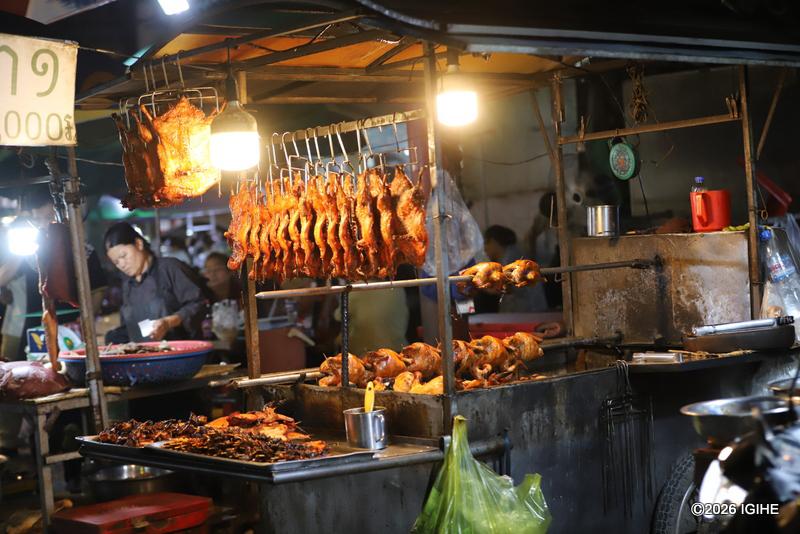
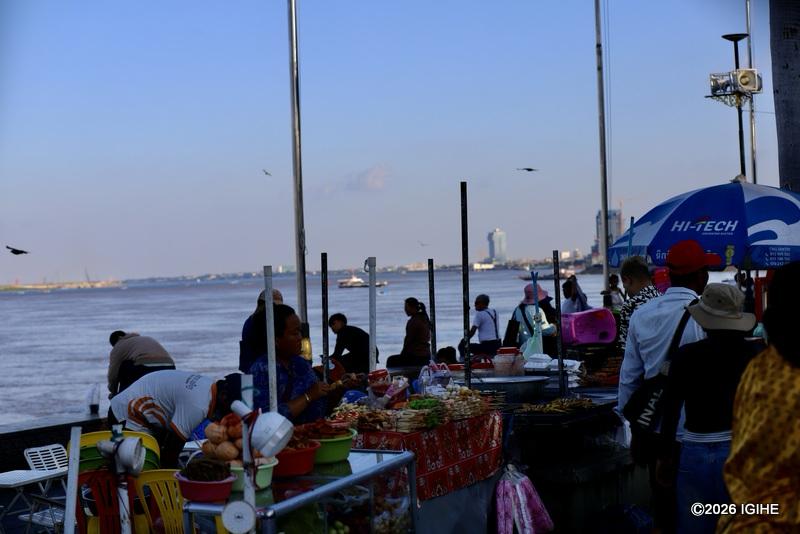
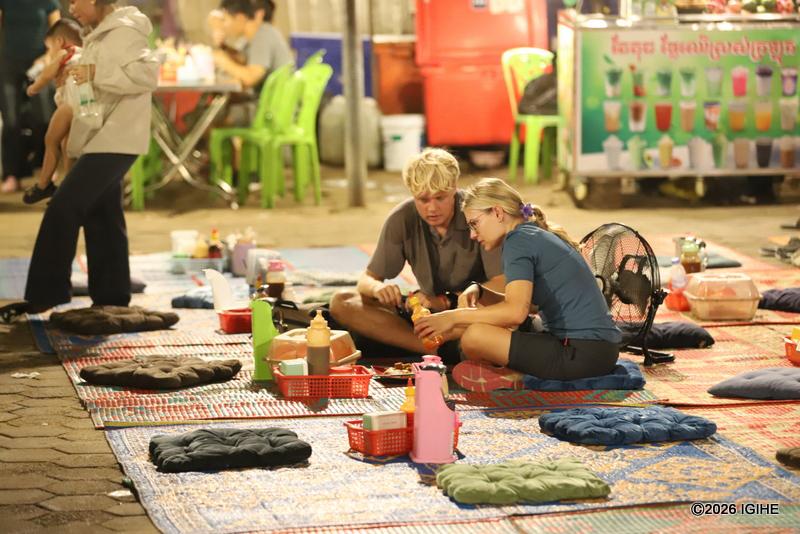
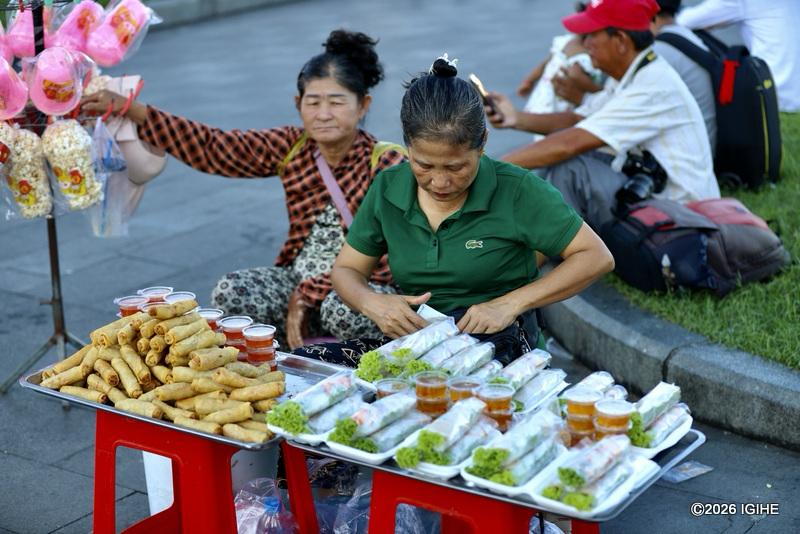
Local cuisine, small restaurants and markets also offer many opportunities to discover the country’s flavours and culinary traditions.
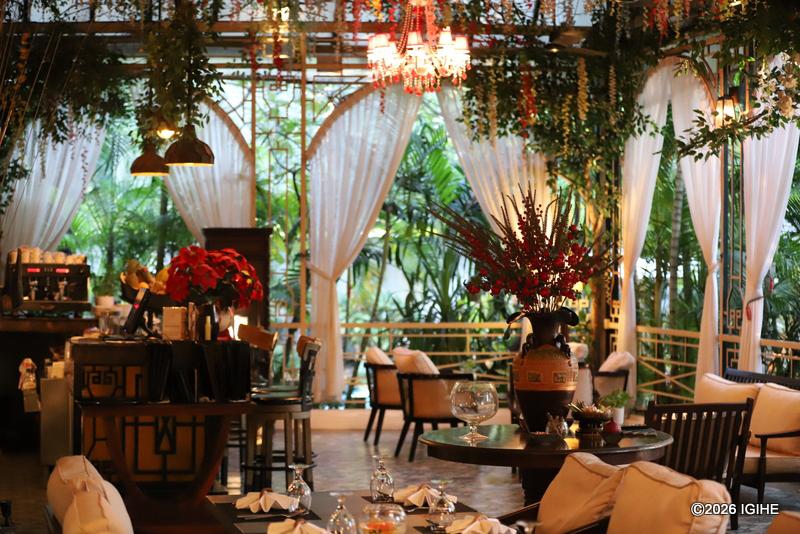
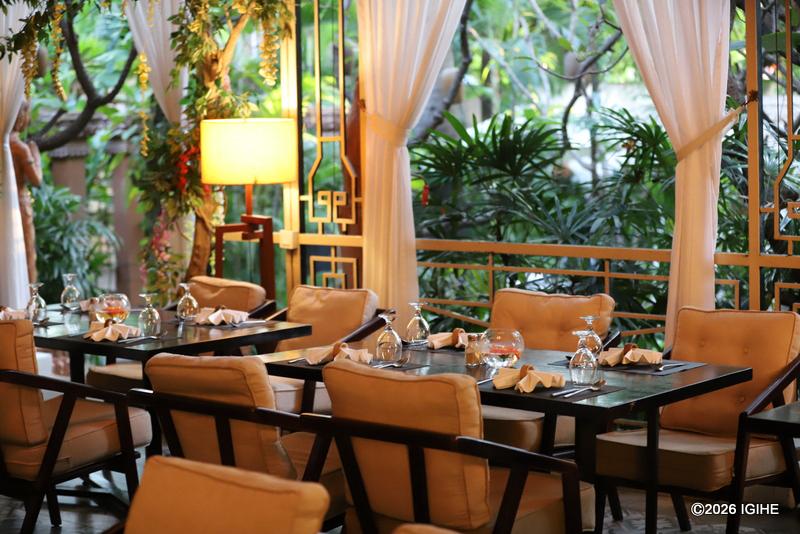
Phnom Penh also offers a range of accommodation, dining and transport options to suit different budgets. Tuk-tuk journeys and many local establishments, in particular, allow visitors to explore the city at relatively affordable prices, depending on the services chosen.
A capital looking towards the future
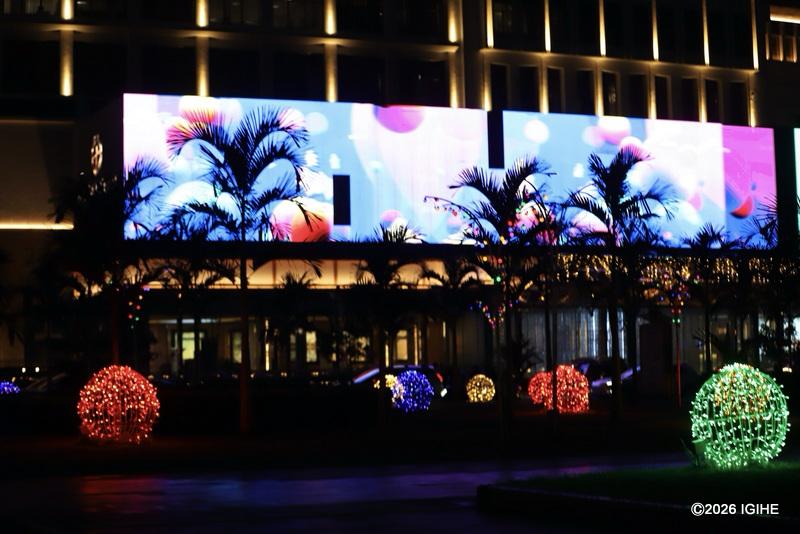
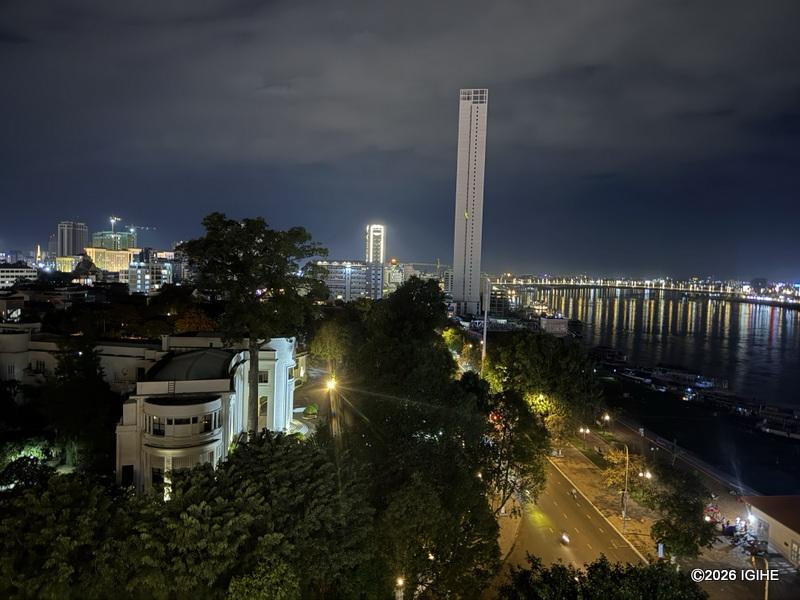
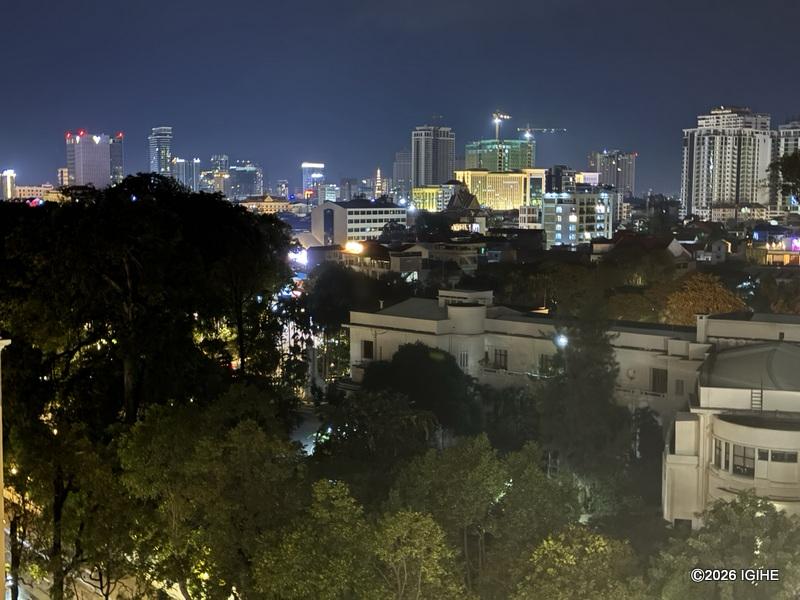
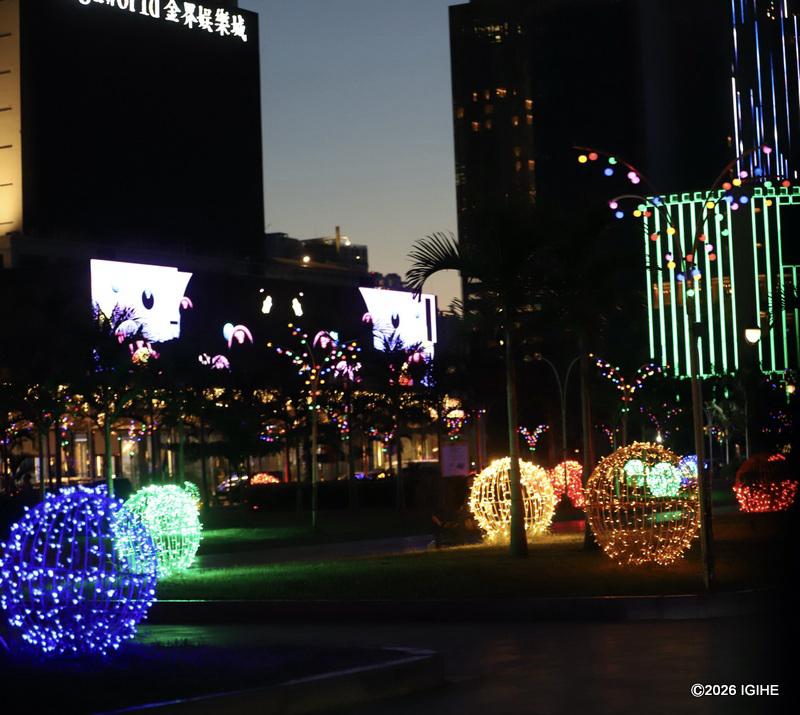
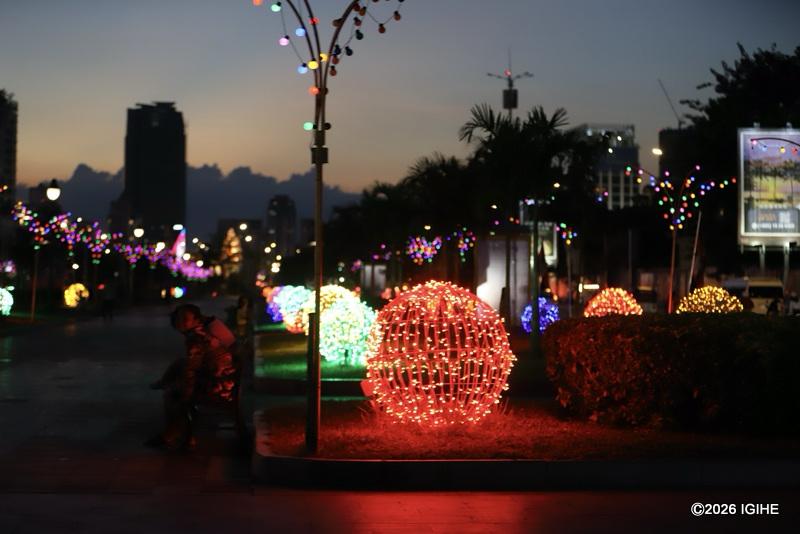
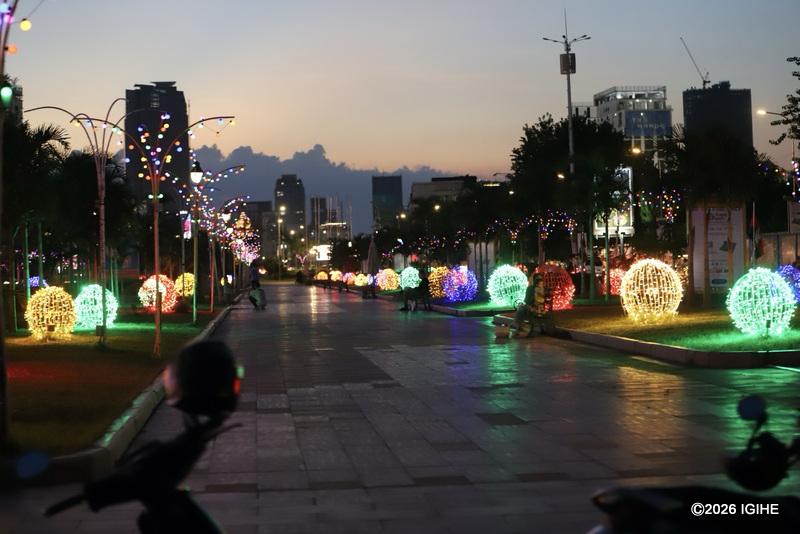
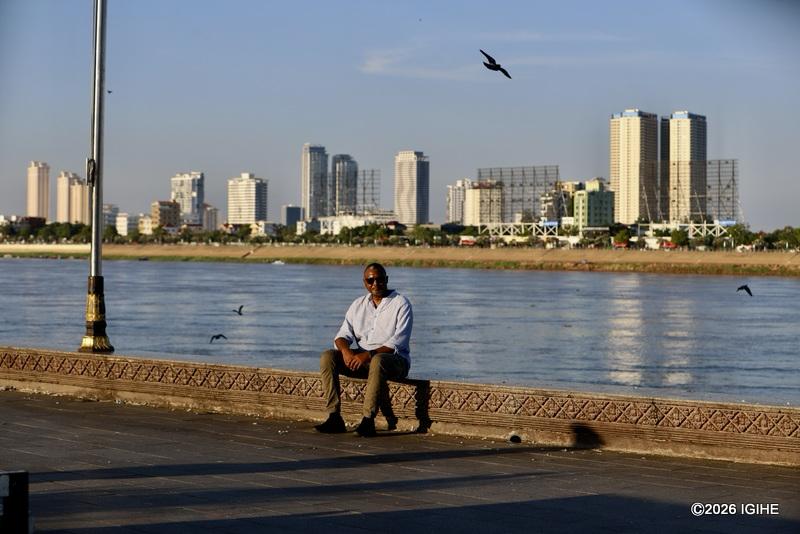
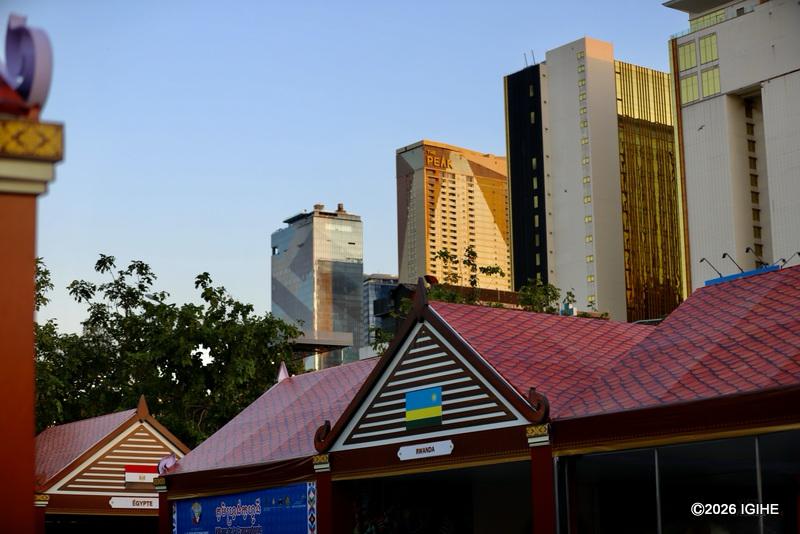
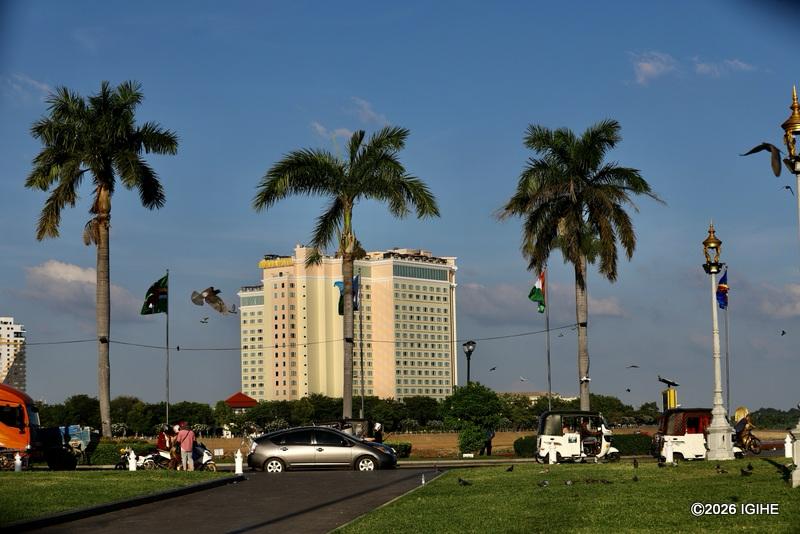
Phnom Penh does not live solely in the rhythm of its past. In recent years, the capital has undergone significant urban transformation. New buildings, hotels, shopping centres and modern infrastructure are gradually reshaping its skyline.
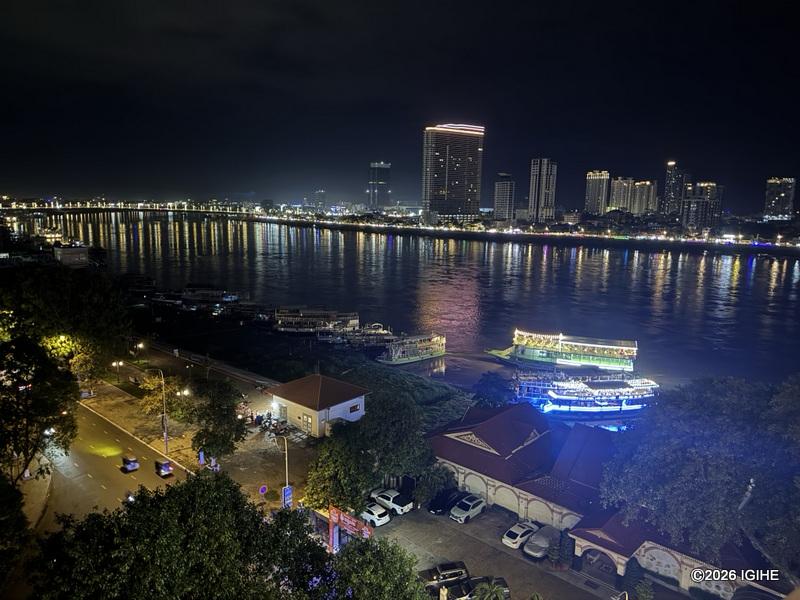
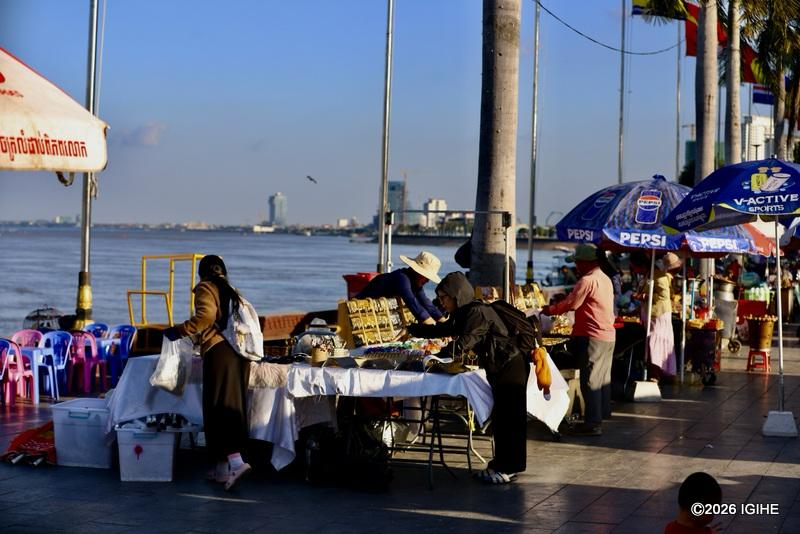
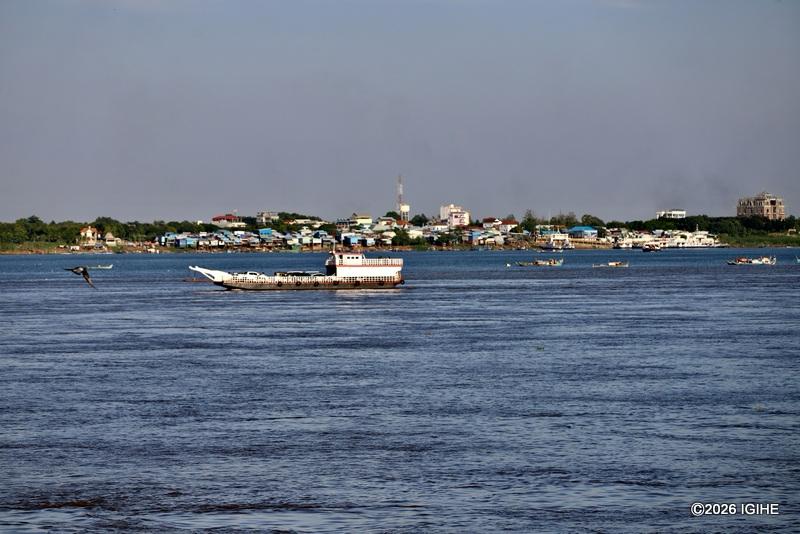
Located at the confluence of the Mekong and Tonlé Sap rivers, the city also benefits from a remarkable geographical setting. Its riverside promenades provide popular spaces for relaxation among residents and visitors alike.
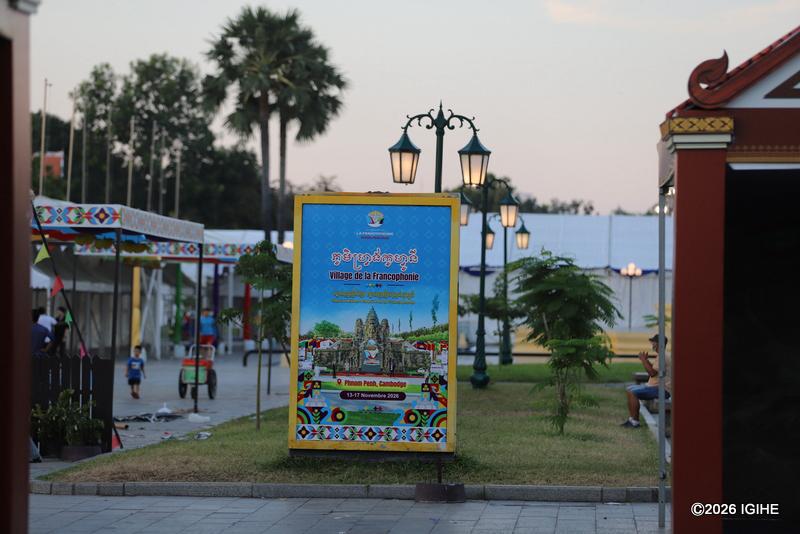
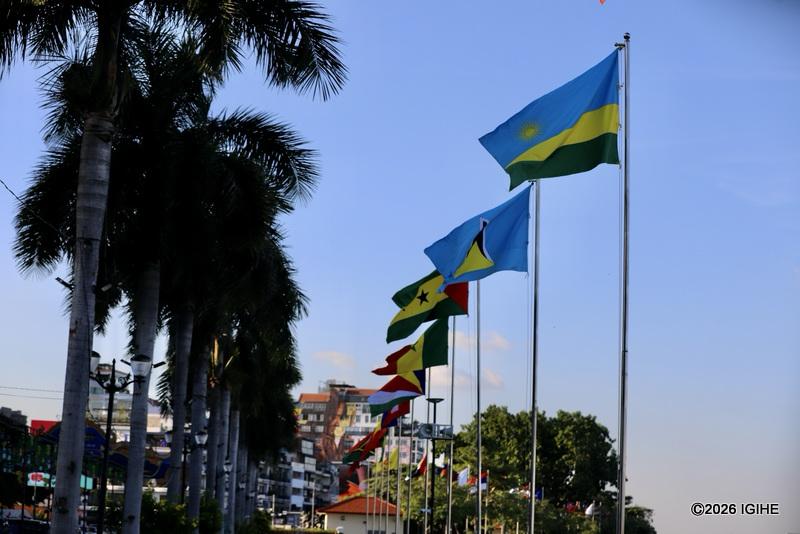
Hosting the 20th Francophonie Summit, held from November 14 to 16, 2026, provided Cambodia with another opportunity to showcase its international openness and its place within the Francophone community.
For a journalist covering this event for IGIHE, discovering the capital beyond conferences and official meetings offers a better understanding of the country’s identity and ambitions.
Phnom Penh: A capital worth discovering
Phnom Penh leaves a lasting impression through its many different faces. It is a city rich in history, shaped by the monarchy, the colonial period, independence and the tragedies of the Khmer Rouge era.
Its lively atmosphere, markets, tuk-tuk journeys, cuisine and the hospitality of its people also contribute to its identity.
What truly characterises this capital is its ability to bring together very different realities: painful historical memories and a determination to rebuild, ancient heritage and modern buildings, dense traffic and a daily life that continues to move forward.
Coverage of the 20th Francophonie Summit for IGIHE also provided an opportunity to discover Cambodia beyond the diplomatic event, through its history, culture and the realities of its capital.
Phnom Penh is a city that deserves not only to be visited, but also observed and understood. Behind its busy streets, monuments and modern buildings lies the story of a people who, despite the hardships of the past, continue to build their future.






Loading comments...
Leave a comment