



But Nanjing offers far more than its celebrated cuisine, from historic landmarks and lively riverside streets to peaceful green spaces and the warmth of its people.
I got my first glimpse of this appeal as I made my way from Kigali to Nanjing recently. My journey took me through Ethiopia to Shanghai, before I boarded a high-speed train to Jiangsu Province.
After the long flight and several connections, arriving in Nanjing brought welcome relief. The warm reception and friendliness of the people made the transition easier, while the efficient transport connections offered an early glimpse of the infrastructure linking cities across China.
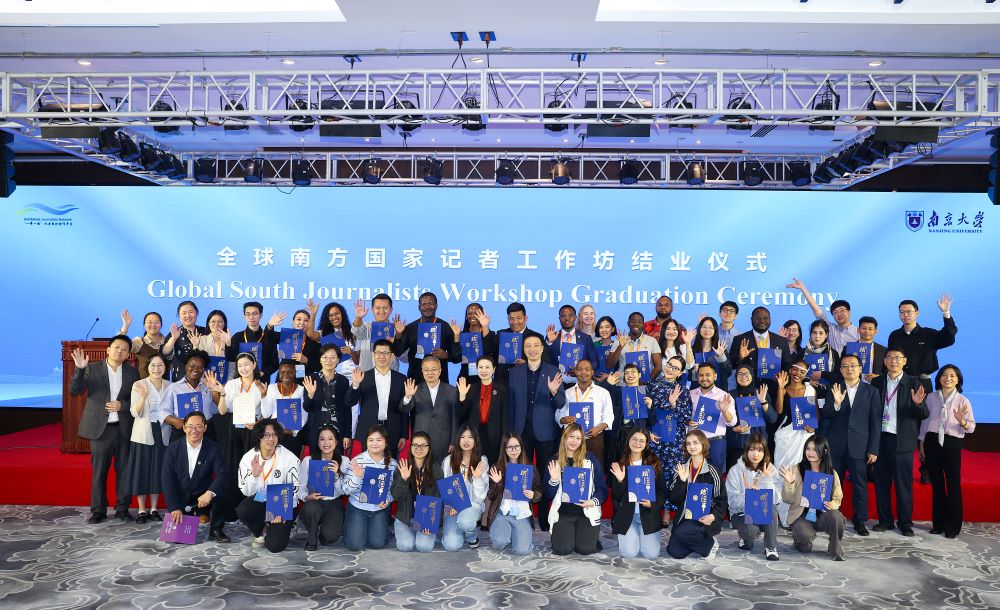
I was visiting Nanjing to attend the 2026 Belt and Road Journalists Network Forum, held from October 12 to 17, alongside activities related to the Global South Journalists Workshop.
Beyond the meetings, however, Nanjing offered an opportunity to experience a city where history, culture, education and modern life come together.
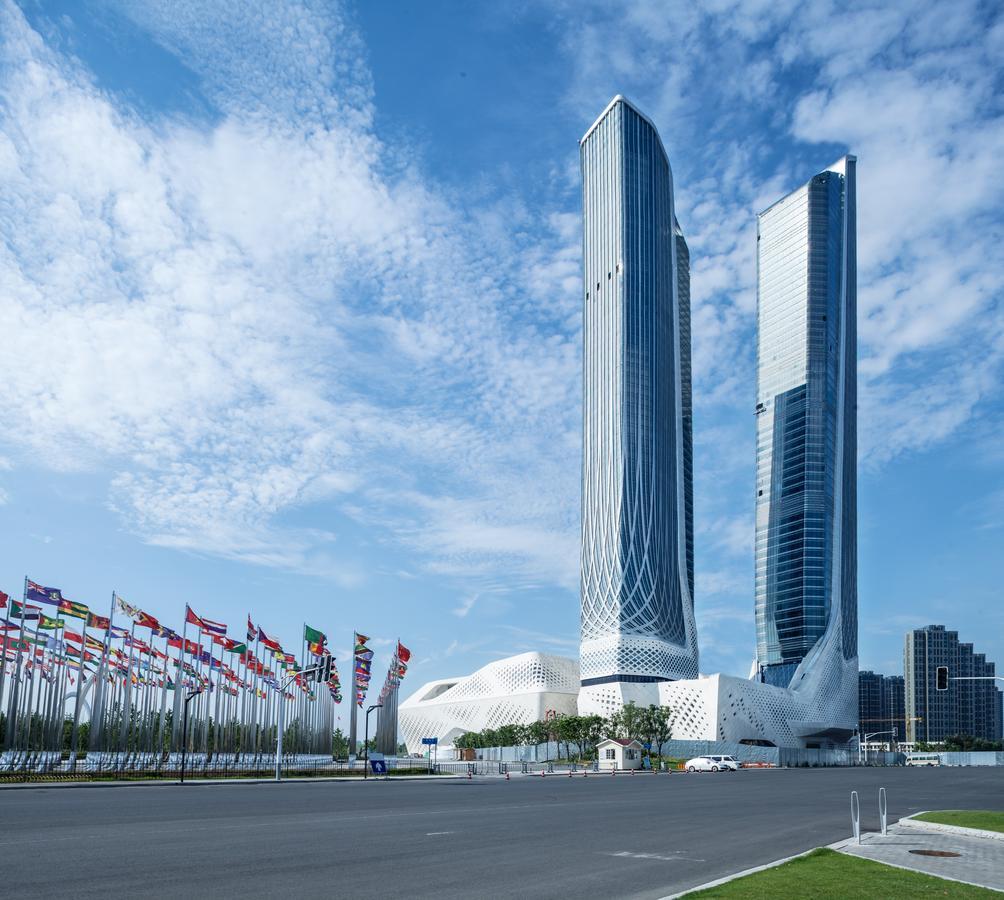
Located in eastern China, Nanjing is the capital of Jiangsu Province and one of the country's historic capitals. Its character emerges as you explore, with traditional architecture standing alongside busy streets, quiet lakeside paths offering a break from the urban bustle, and residents going about their daily lives.
A city where history lives on
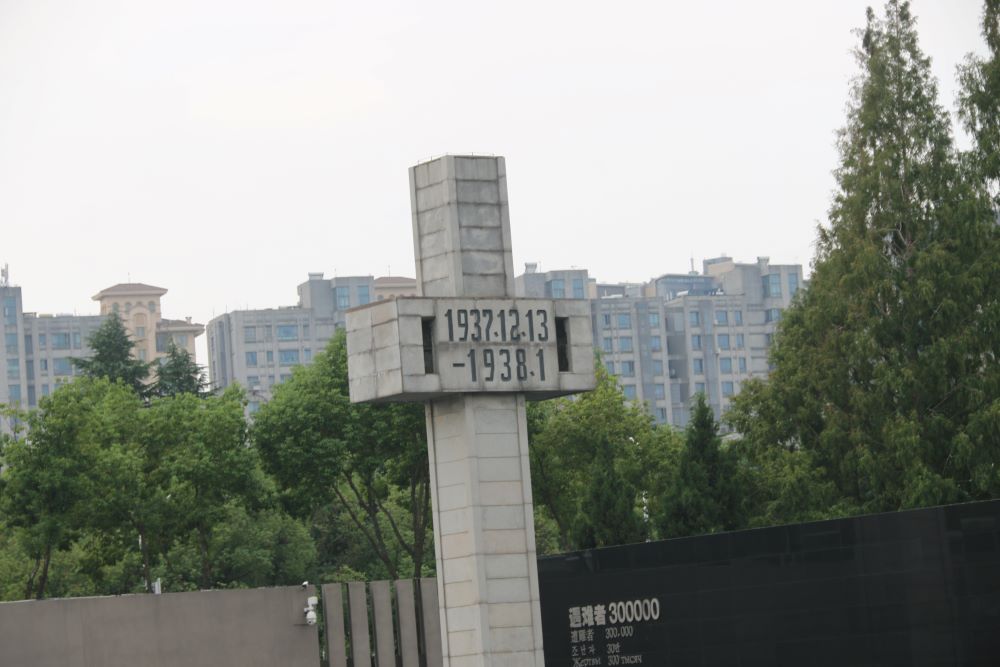
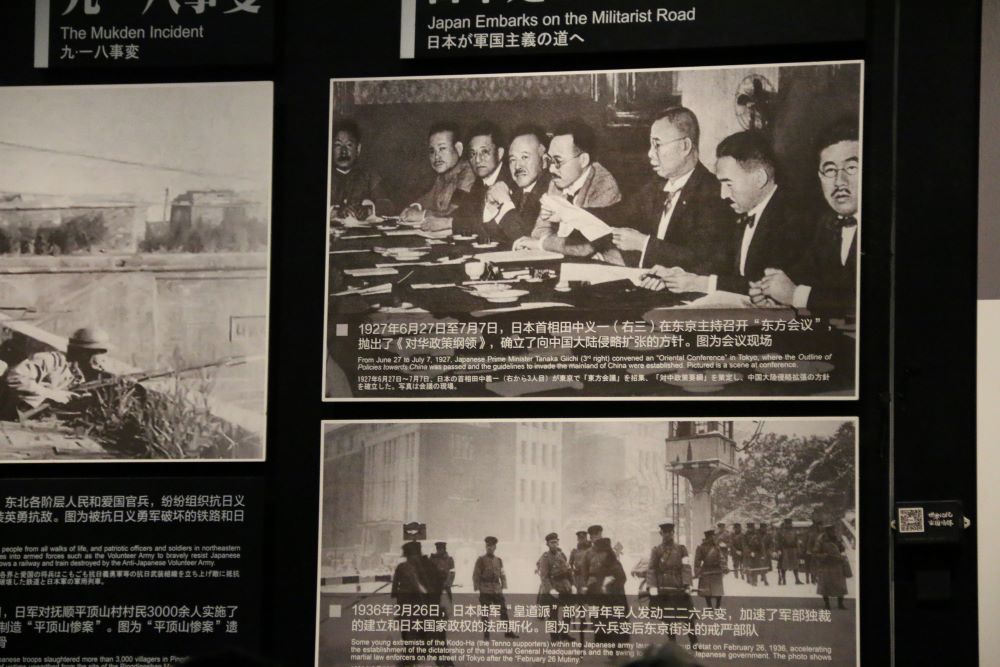
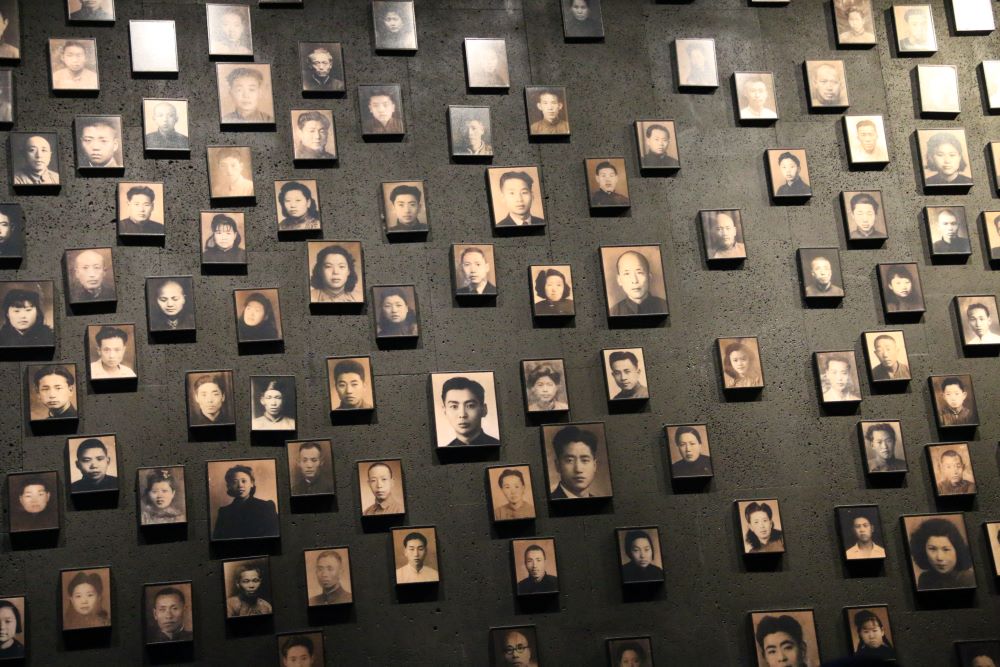
One of Nanjing's most significant sites is the Memorial Hall of the Victims in Nanjing Massacre by Japanese Invaders. It commemorates the atrocities committed after Japanese forces captured the city on December 13, 1937, when Nanjing was China's capital.
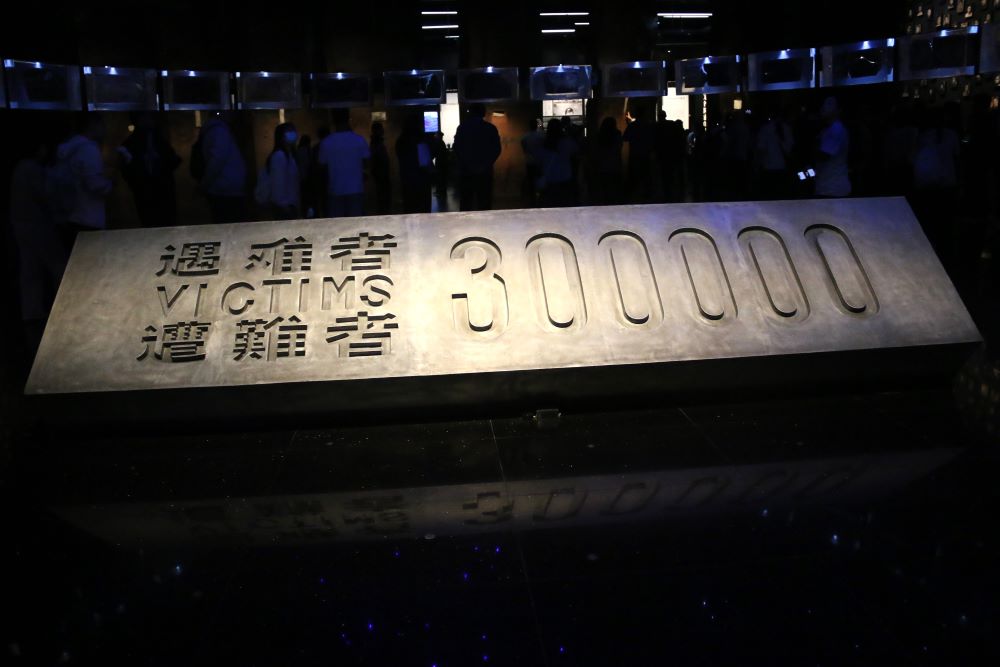
The massacre lasted about six weeks, during which over 300,000 Chinese civilians and unarmed soldiers were killed.
Historical documents, photographs and testimonies at the memorial present the human cost of the violence. Walking through the exhibitions offers a solemn encounter with a defining episode in the city's past and a reminder of the importance of preserving historical memory.
Yet Nanjing's story did not end with the tragedy. The city continued to evolve, rebuilding its life and identity while preserving the memory of those who lost their lives.
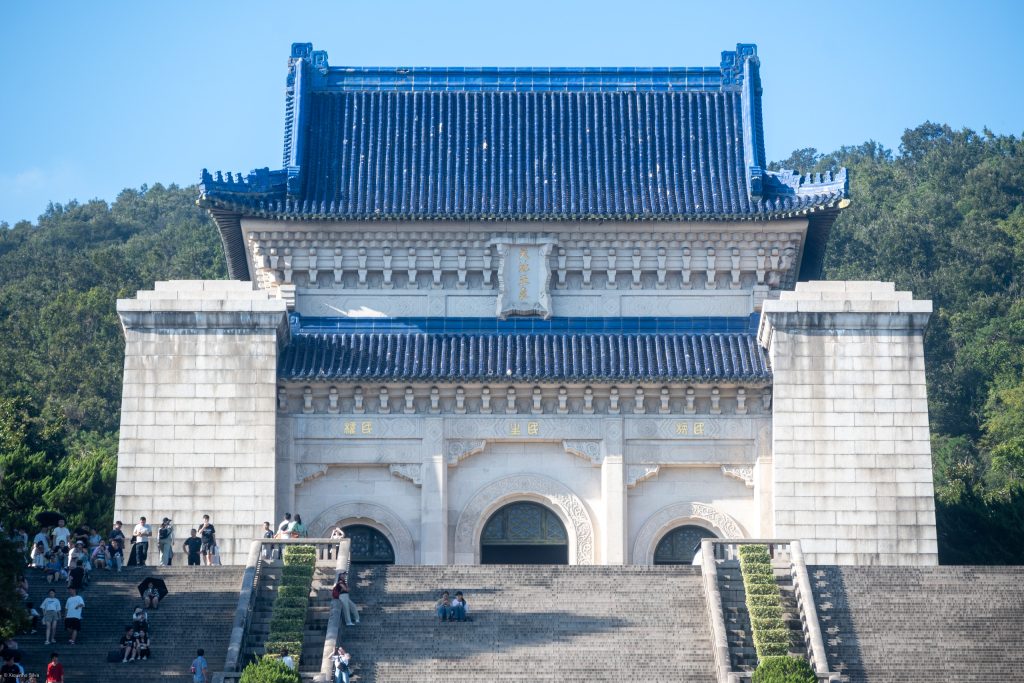
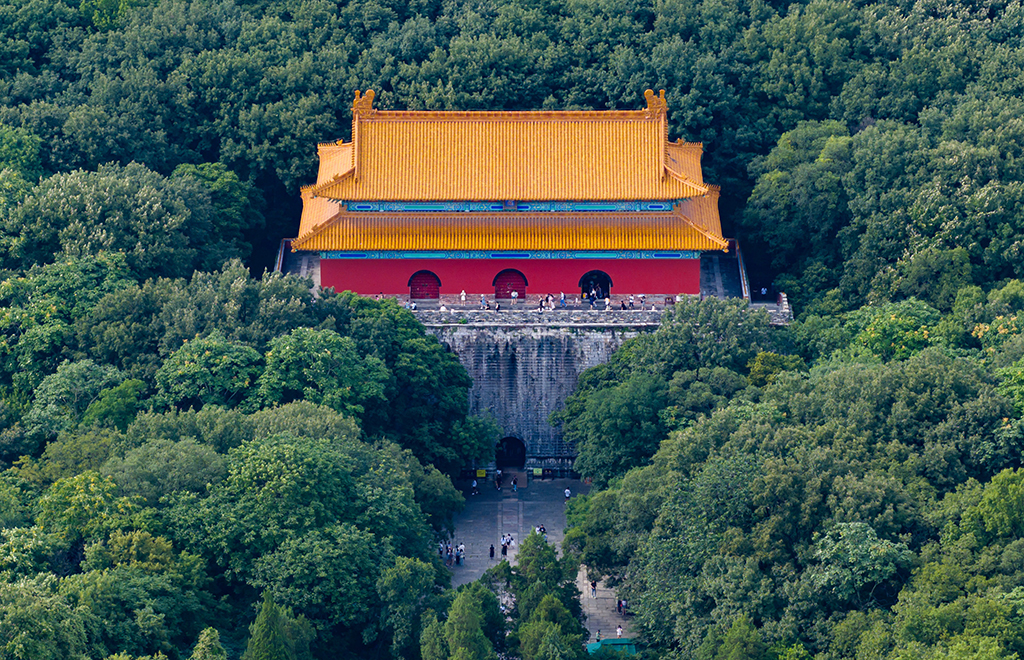
Other landmarks reveal different chapters of Nanjing's history. The Presidential Palace offers insight into the republican era, while the Sun Yat-sen Mausoleum, set among the wooded slopes of Purple Mountain, commemorates the revolutionary leader associated with the end of imperial rule.
The Ming Xiaoling Mausoleum and surviving sections of the Ming-era city wall provide further glimpses into the city's imperial past.
Finding quiet among the city's green spaces
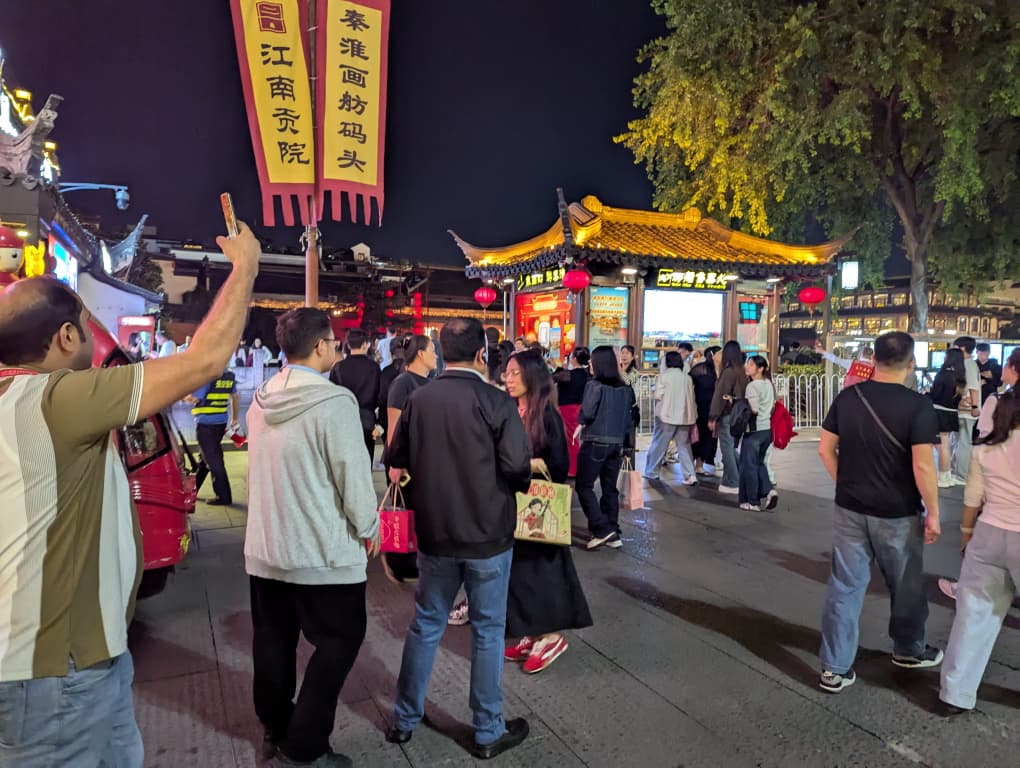
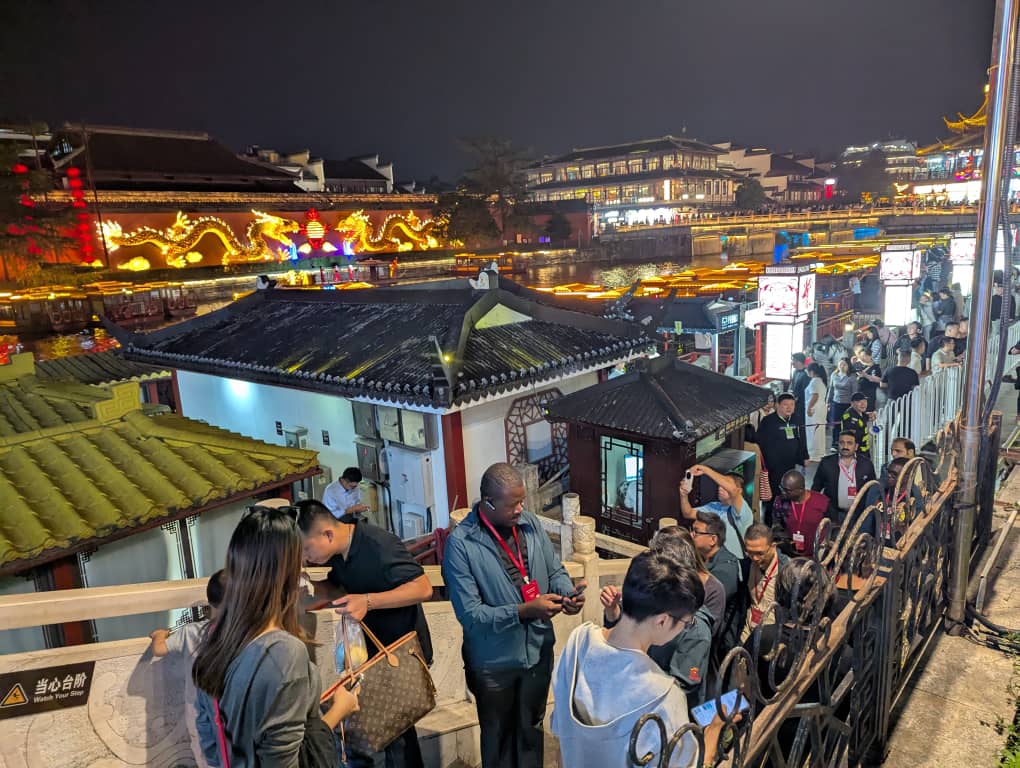
As daylight fades, the area around the Confucius Temple and Qinhuai River becomes one of Nanjing's most inviting destinations.
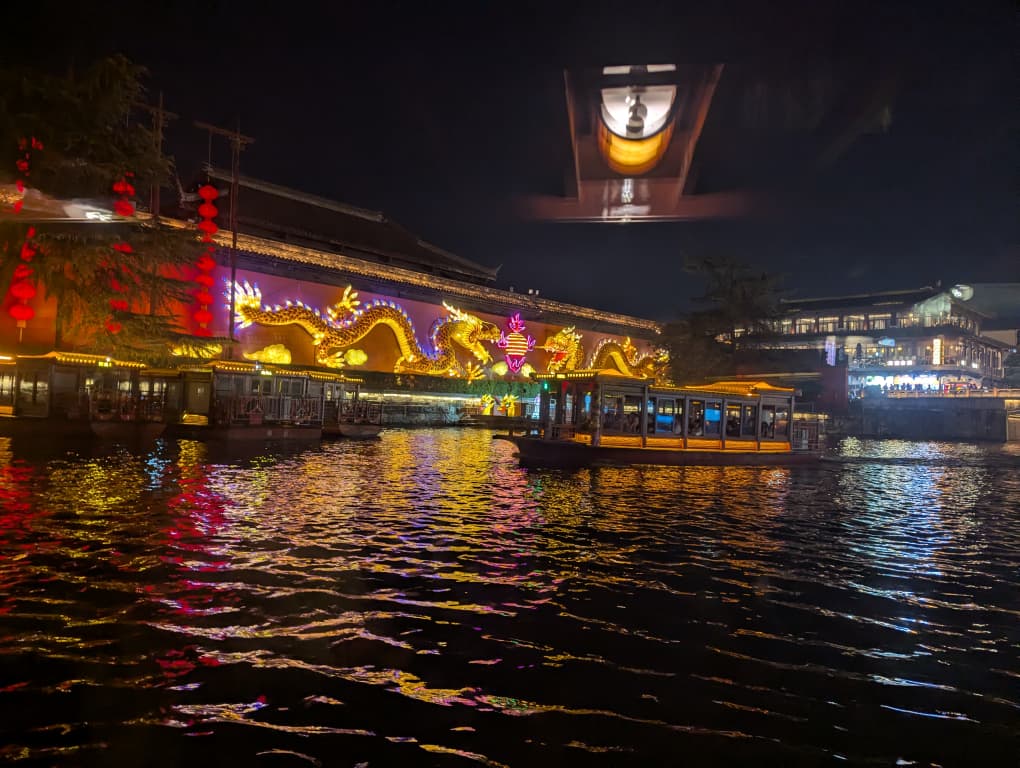
Traditional buildings glow beneath evening lights as boats move along the water. Visitors wander through narrow streets lined with shops and restaurants, stopping to sample local snacks or admire the views from stone bridges.
There is a lively atmosphere, but also room to slow down and take in the surroundings. A boat ride offers a different perspective on the historic architecture, while a walk along the river brings visitors closer to the city's everyday rhythms.
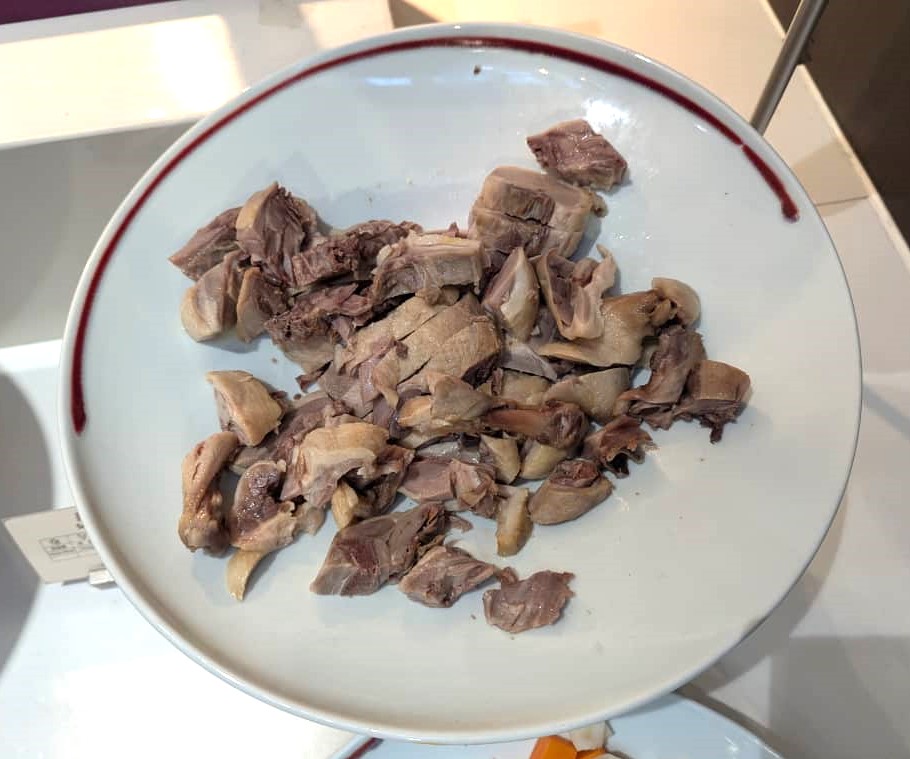
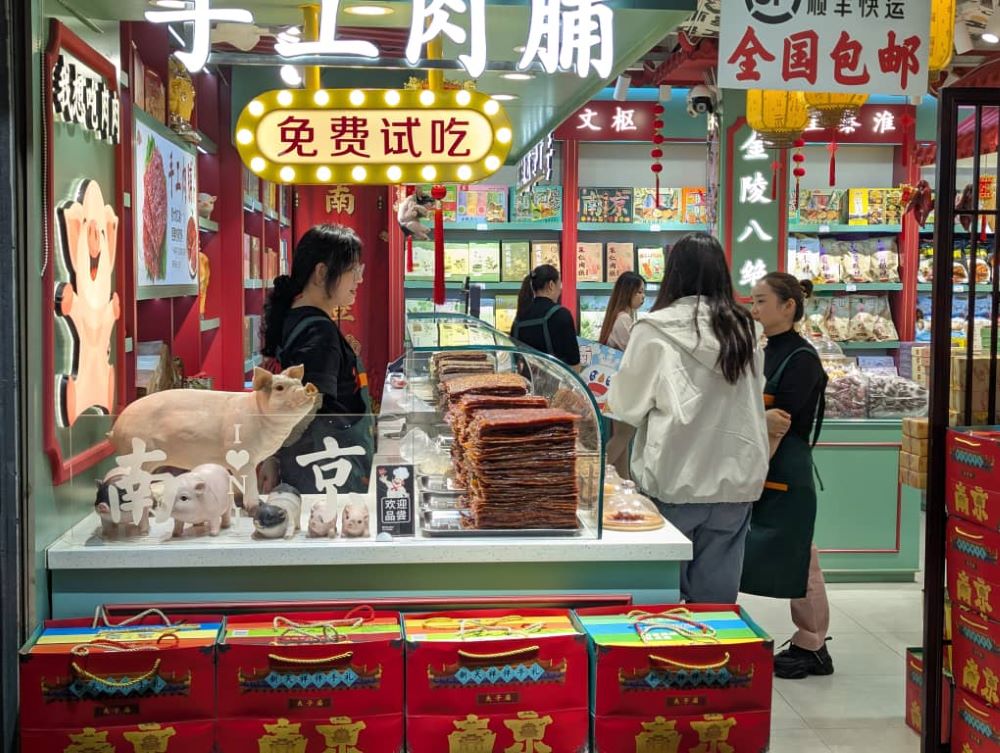
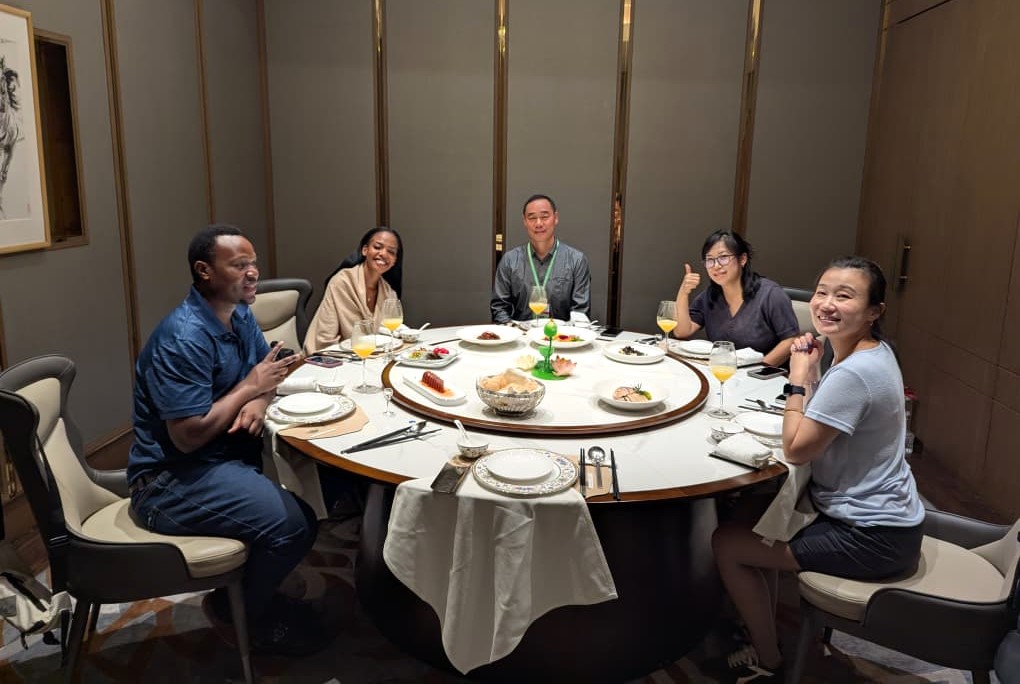
Food is an essential part of the experience. Nanjing is particularly known for salted duck, a local speciality prepared using a traditional salting and cooking process.
Duck blood and vermicelli soup is another dish associated with the city. Together, these flavours offer an introduction to regional cuisine and help explain why food is such a distinctive part of Nanjing's identity.
The pleasure of exploring also lies in everyday encounters. The friendliness of the people, the welcome extended to visitors and the opportunity to experience local life beyond the main attractions all contribute to the city's appeal.
Nanjing is not defined by historic buildings and busy streets alone. Xuanwu Lake offers walking paths, gardens and open views across the water, with the city's skyline and historic wall providing a striking backdrop.
Purple Mountain combines wooded landscapes with cultural and historical attractions, allowing visitors to spend time outdoors while exploring the city's heritage. These green spaces provide a welcome change of pace from the urban centre.
A city of learning and international connections
Nanjing's appeal also comes from its reputation as a centre of education and research. It is home to numerous universities, including Nanjing University, one of China's prominent institutions of higher learning.
Welcoming journalists to the city, Zhou Hongbo, secretary of the CPC Nanjing Municipal Committee, described Nanjing as “an ancient capital of six dynasties and ten regimes” and “a major central city in eastern China and a major metropolitan centre in the Yangtze River Delta.”
Zhou said nearly one million students were enrolled across 54 universities in the city. He also highlighted Nanjing's history of international engagement, recalling that Chinese navigator Zheng He set sail from the city more than 600 years ago on voyages that opened avenues for exchanges across the seas.
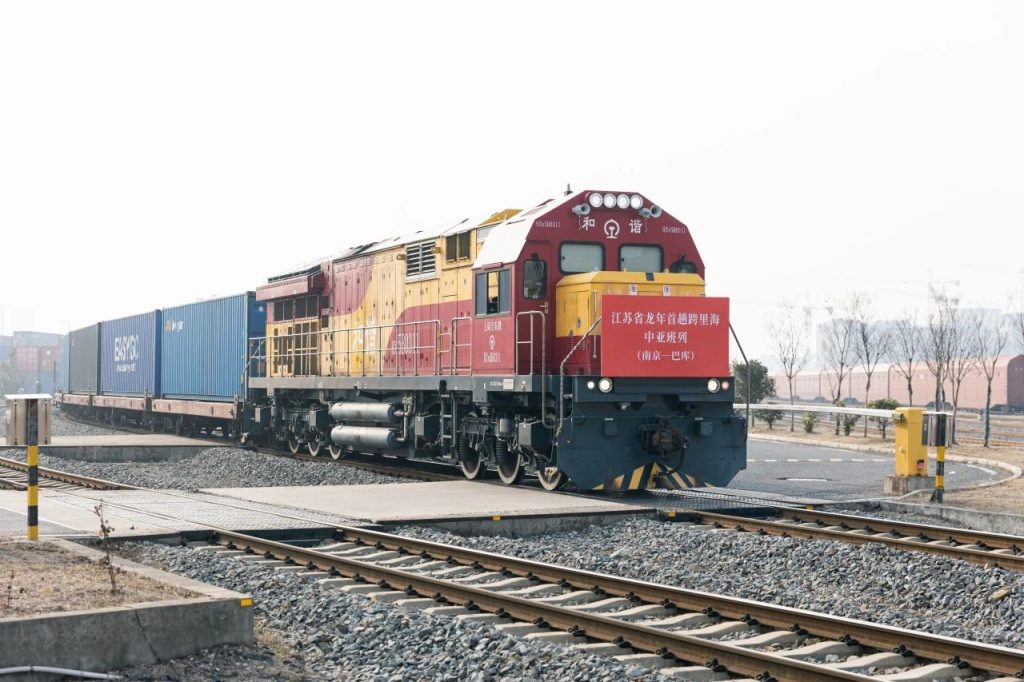
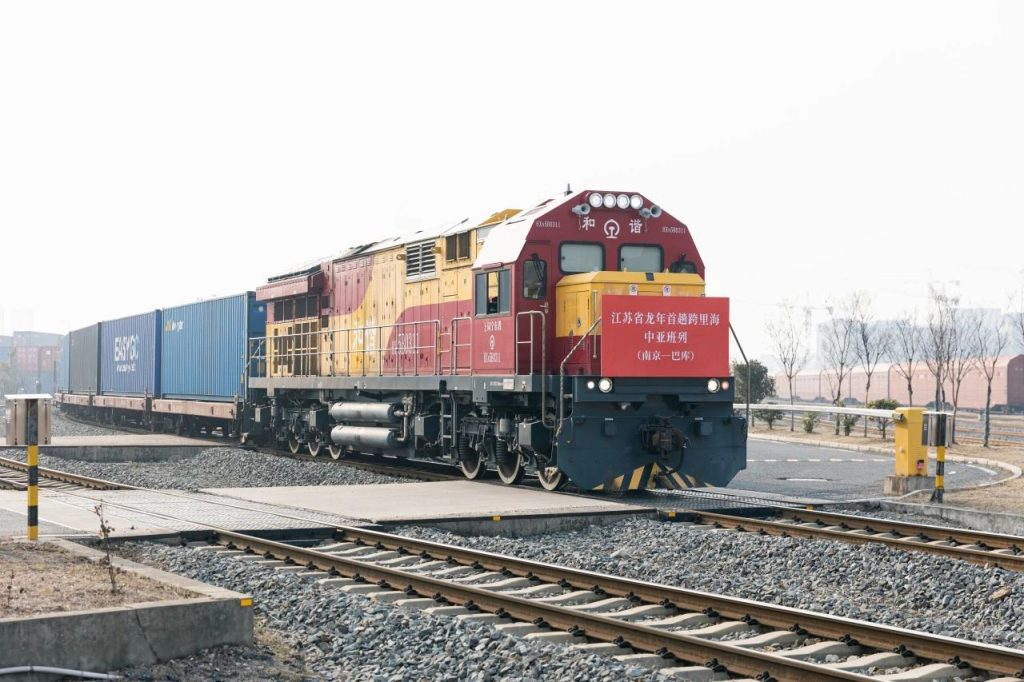
Today, China-Europe freight trains departing from Nanjing connect the city with more than 60 cities in 15 countries, reflecting its place in China's wider transport and trade networks.
The city also became a meeting place for international journalists. Following the forum, Nanjing University hosted a Global South Journalists Workshop from October 18 to 20, bringing journalists together to exchange experiences and discuss the media's role in international communication.
The wider programme also took journalists to other cities in Jiangsu, including Changzhou, Suzhou, Nantong and Lianyungang, offering a broader view of a province where historic towns, industrial centres and modern transport infrastructure form part of a wider development story.
For visitors, Nanjing's appeal lies in the variety of experiences it offers: a solemn encounter with history, an evening beside the Qinhuai River, the flavours of local food and the tranquillity of its lakes and wooded hills.
I arrived after a long journey from Kigali for a journalism forum, but the city's welcoming people and varied attractions made the visit memorable well beyond the meetings. And, after learning about its famous salted duck and tasting it, I finally understood the humour behind the saying that no duck leaves Nanjing alive.
Loading comments...
Leave a comment