



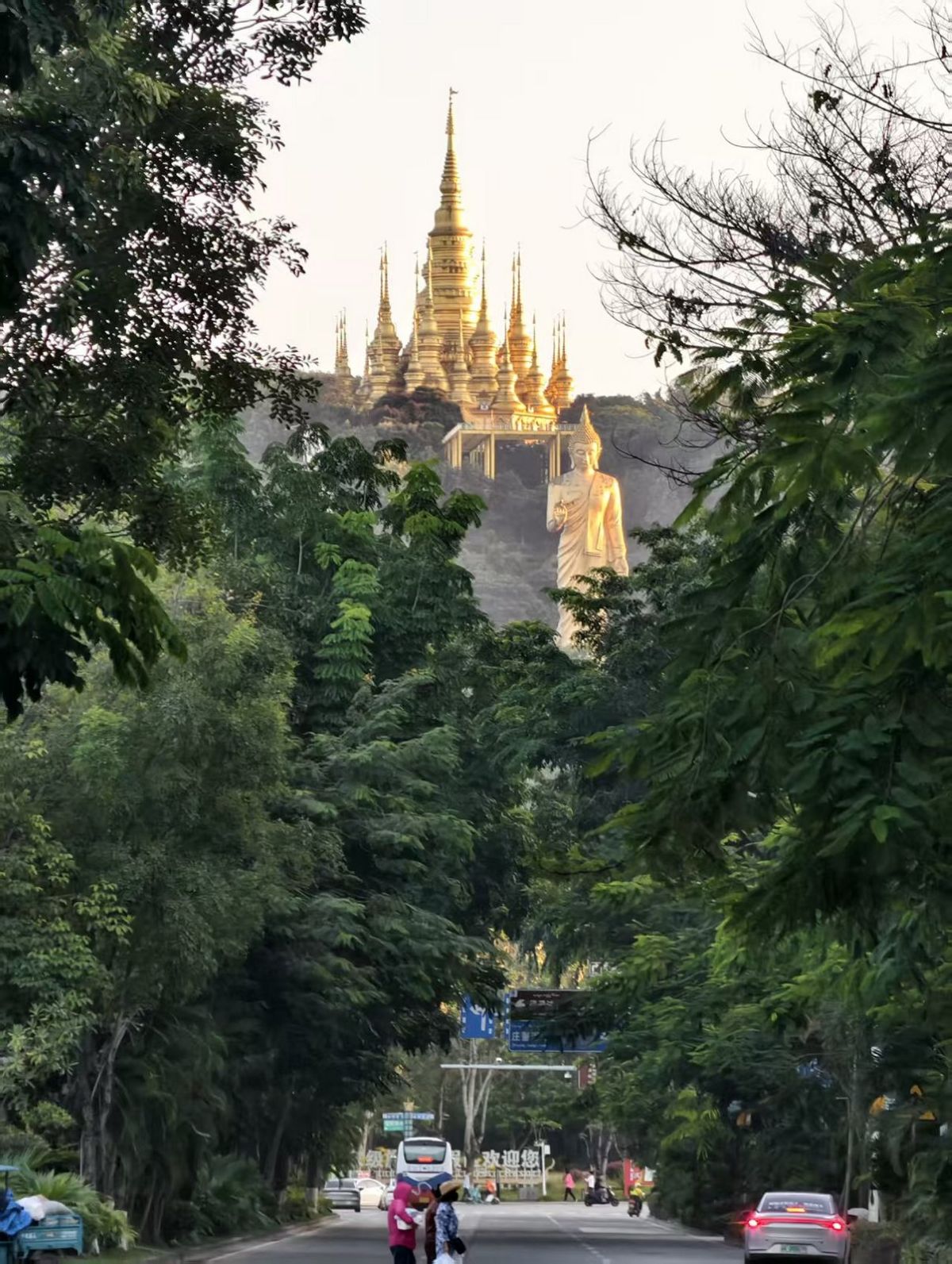
This is Xishuangbanna, a tropical oasis in southern Yunnan that is a totally different world to the rest of the country. I flew from Beijing at the start of summer, expecting the usual hot and humid weather. Instead, I found a frontier where the neon lights of modern China seamlessly merge with ancient, misty rainforests that stretch on for miles.
The view from the plane as it descended into the airport showed a lot of tropical-looking mountains rolling with lush green in every direction. From up high, it looked familiar, and I could have sworn we were heading back to the Virunga Mountains in Rwanda, my motherland.
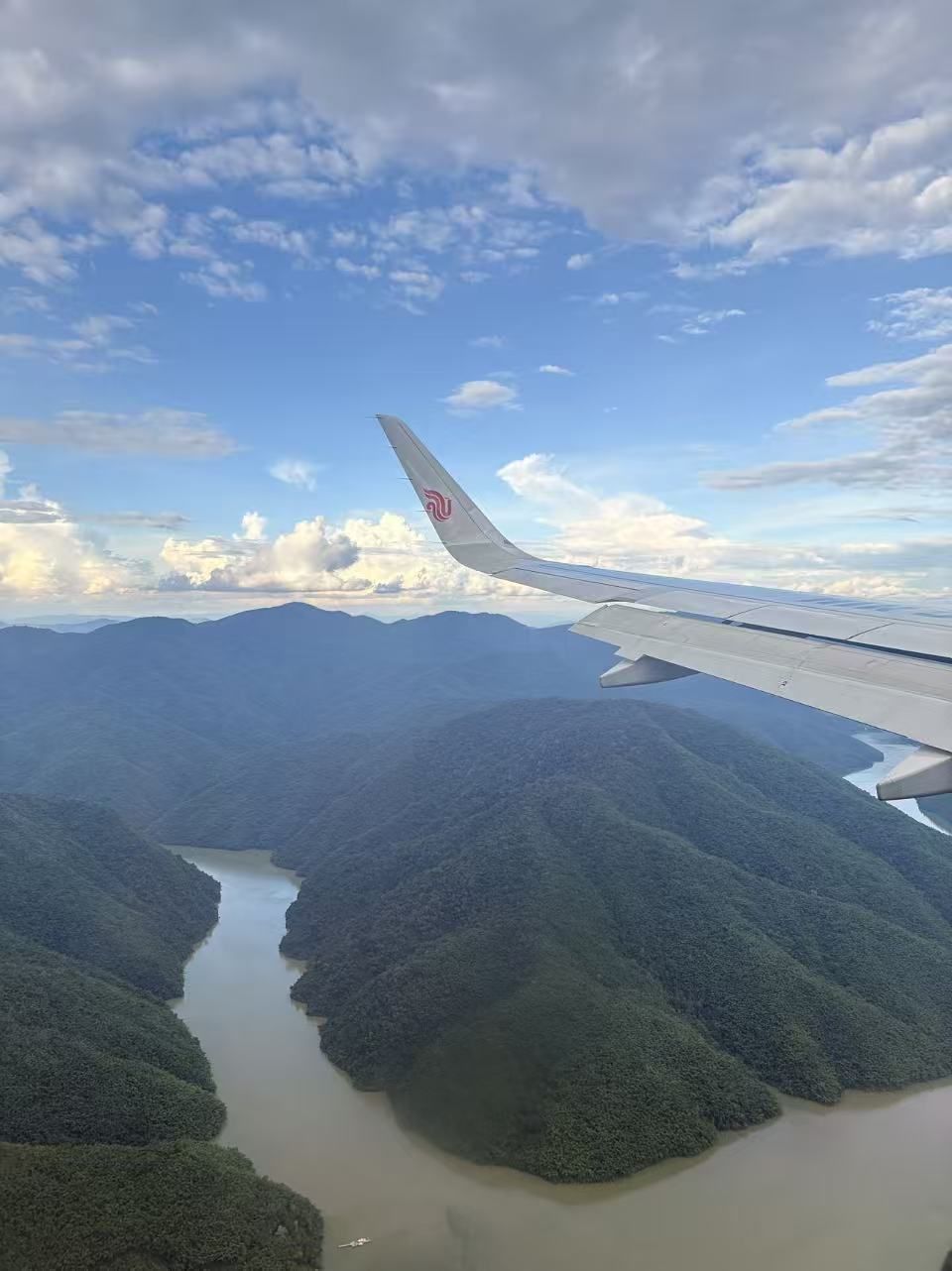
As I left the plane, I was relieved to find that the weather was cool and fresh – the exact opposite of the sweltering summer weather that I had left behind in Beijing.
To truly understand this borderline paradise, you have to look at the staggering geographical realities that isolate and define it. The straight-line aerial distance from Beijing to Jinghong, the capital of Xishuangbanna, is approximately 2,200 kilometers.
If you were to take the newly opened China-Laos high-speed railway, that journey stretches to roughly 2,600 kilometers from Beijing South Station, and driving via the highways pushes it past 2,700 kilometers.
According to the 2020 Seventh National Census, the permanent resident population of the prefecture sits at 1,301,407 people, with the urban center of Jinghong housing about 642,000 of them.
The indigenous Dai ethnic group numbers approximately 330,000, making up about a quarter of the total population, sharing the region with Han, Hani, Yi, and Lahu communities.

What truly shapes this land, however, is its severe vertical altitude gradient and its geopolitical edges. The prefecture shares 966 kilometers of international boundaries.
There is a 288-kilometer southwest border with Myanmar's Shan State, featuring crossings like the Daluo-Muse port. To the southeast, a 677-kilometer border meets Laos through Luang Namtha and Oudomxay provinces.
The terrain itself plunges to just 477 meters above sea level in the Lancang River valley near Laos, and spikes to 2,429 meters at the summit of Mount Huazhu.
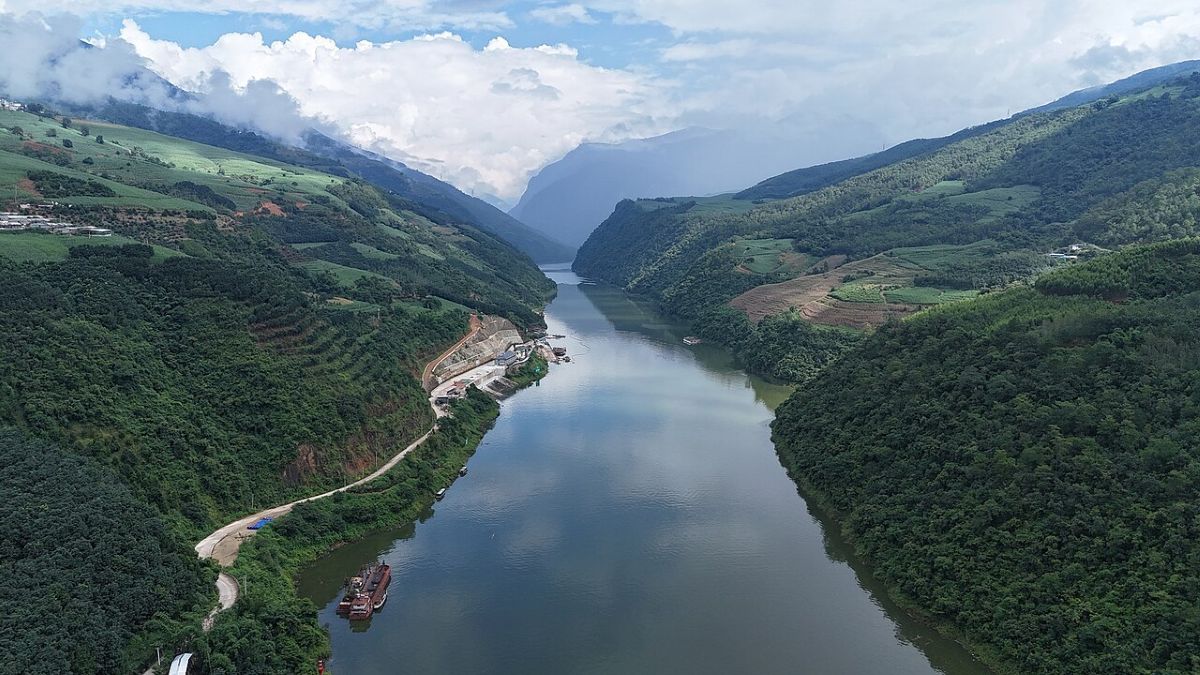
Because Xishuangbanna sits at a tropical latitude, altitude entirely overrides latitude in dictating the seasons. At low altitudes under 800 meters, there is a tropical monsoon climate with an annual average of 21.9 degrees Celsius.
There is no winter here, only a wet season from May to October that dumps up to 1,600 millimeters of rain, and a dry, cooler season from November to April. Conversely, high altitudes over 1,500 meters experience a subtropical highland climate with annual averages dropping to 17 degrees.
During the sweltering wet season, these highlands serve as a natural refuge, dropping temperatures by several degrees and triggering vertical migrations for wildlife.
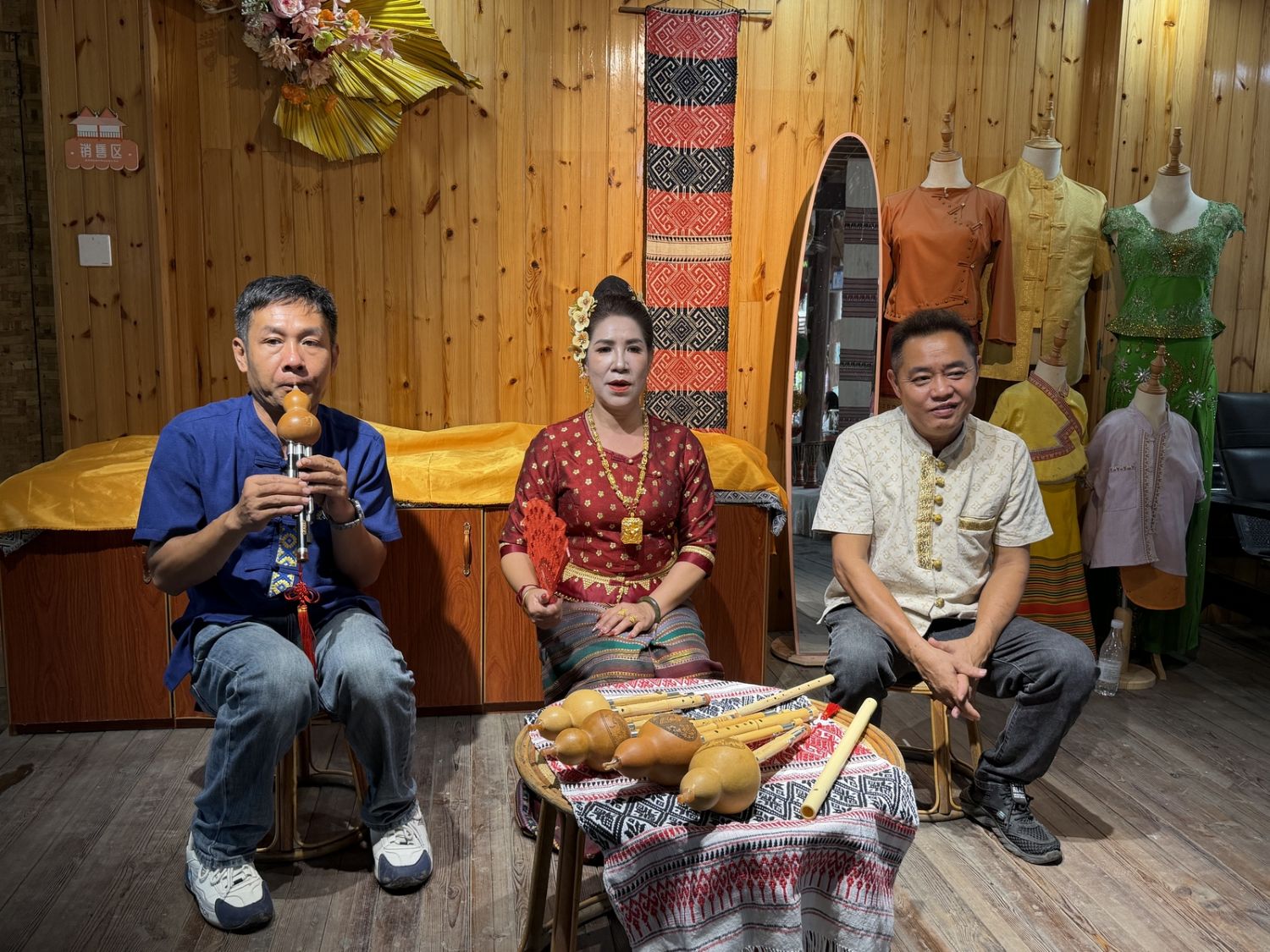
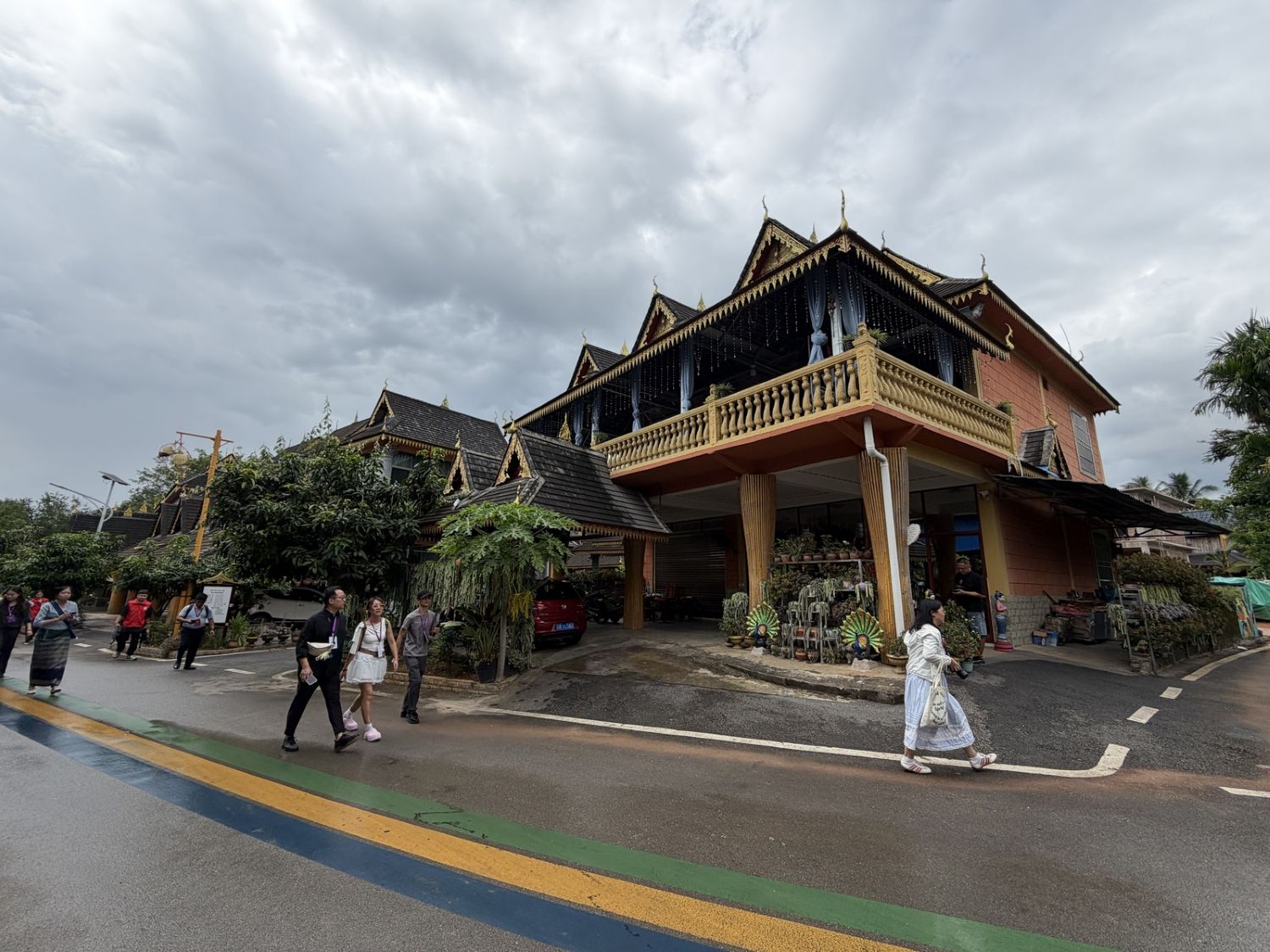
The soul of this region belongs to the Dai people, whose ancestors migrated from the upper Yangtze basin southward into the Mekong watersheds over 2,000 years ago.
By the eighth century, they established the independent kingdom of Mengle, pledging tributary allegiance to Chinese empires while maintaining autonomy until the Ming and Qing dynasties integrated them as a native chieftain domain. Their language, Tai Lue, belongs to the Southwestern Tai branch of the Kra-Dai language family.
It is a linguistic bridge to Southeast Asia, sharing 75 to 80 percent lexical similarity with Lao, and is closely related to Northern Thai Lanna. It also shares up to 65 percent cognate vocabulary with Central Thai and 60 percent with Shan.
The written script, derived from Old Mon-Burmese through Theravada Buddhism, features a distinct, rounded calligraphy utilizing six tones compared to standard Thai's five.
After collecting my bags at the airport, the drive to the hotel took around 30 minutes, during which I saw a lot of elephant sculptures. It was then that I really understood what an Elephant city I was in and that the history of Elephants in this place was even greater than what I had read on my travels so far.
Historically, Wild Asian elephants roamed in massive herds of thousands of individuals throughout the region of what is now the elephant city. The Dai people believed the elephants were the royalty of their gods. They were captured and used in wars against the Burmese and later the Khmer from neighboring countries. For centuries, the strongest elephants were used to pull the largest teak logs, some weighing up to 1.5 metric tons, until the late 1980s.
Others were used in annual ritual performances held in the middle of April as part of the city’s famous Water-Splashing Festival.
The Dai traditional laws in respect of elephants were, for the Dai, no different than those for the taking of human life. Payment for taking an elephant was made in the same way as for a human, in the form of a silver ingot of equivalent weight to that of the animal killed. This was paid to the village headman. Such were the views of the Dai towards elephants for at least centuries prior to the 1940s, when this was written down by the anthropologist.
The decline of the population of wild Asian elephants in Yunnan was triggered by habitat fragmentation due to large-scale development of rubber plantations. The area of rubber plantations increased dramatically to over 250,000 ha by 2005, while the elephant population crashed to a low of 150 animals in the 1990s.
A new census of Asian elephants in the wild has been conducted in the area by conservationists, and it has revealed that there are between 283 and 300 elephants roaming the province of Yunnan.
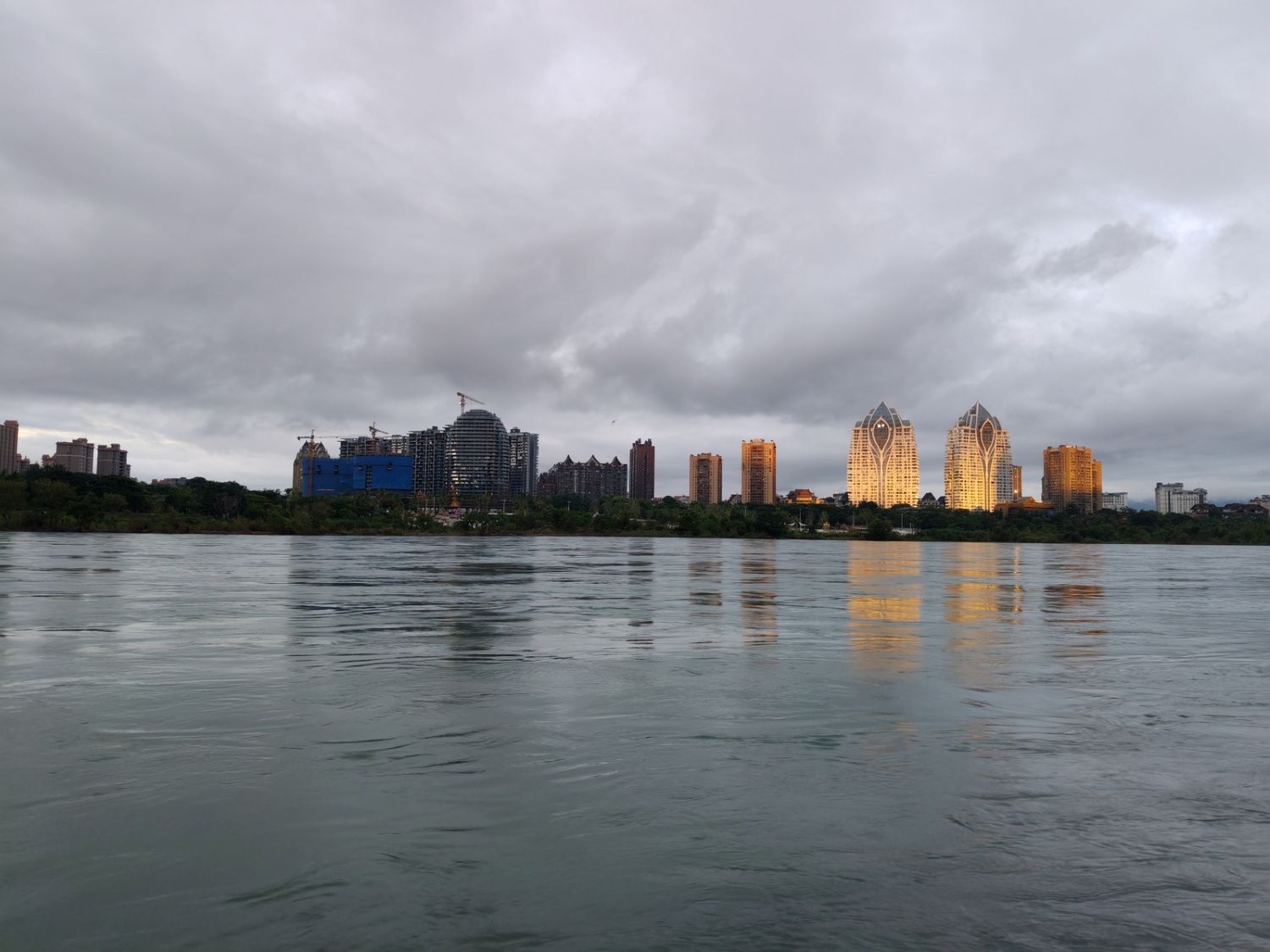
Binding this entire ecosystem together is the Lancang River, known globally as the Mekong. It flows through Xishuangbanna for 188 kilometers, acting as the only river that exits China through this prefecture and draining its entire territory.
This massive waterway geologically and culturally connects the valleys to Laos, Myanmar, Thailand, Cambodia, and Vietnam.
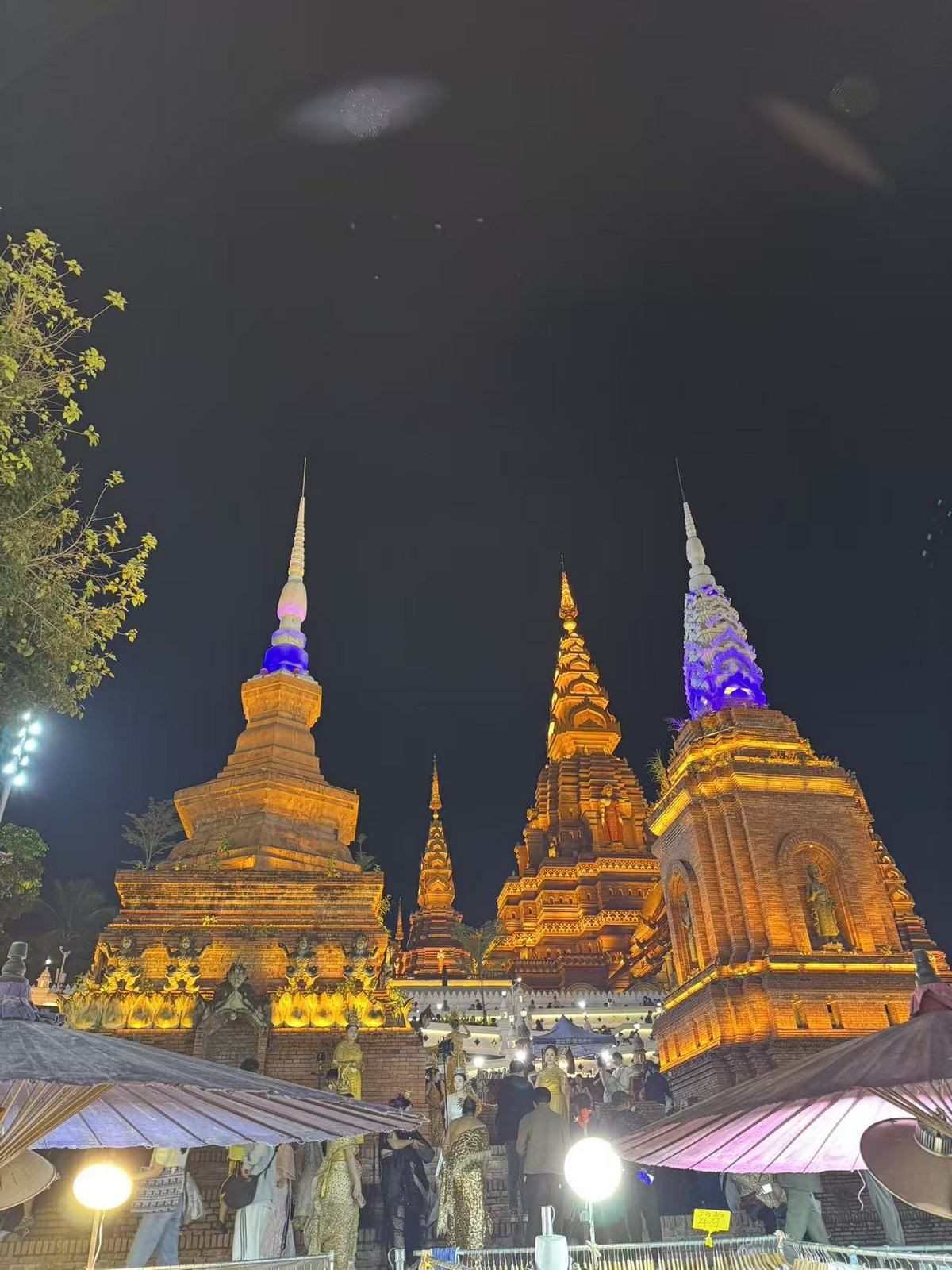
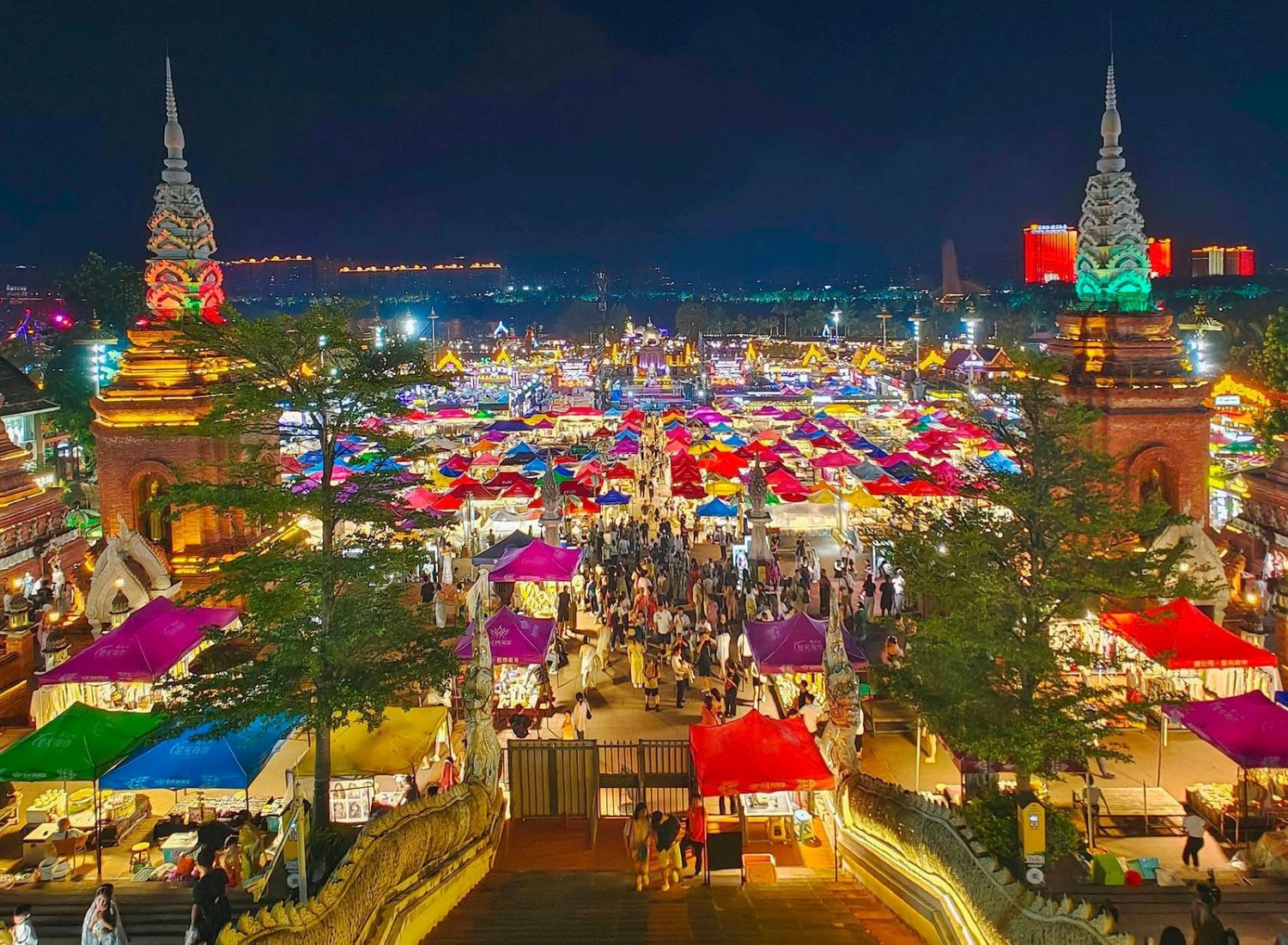
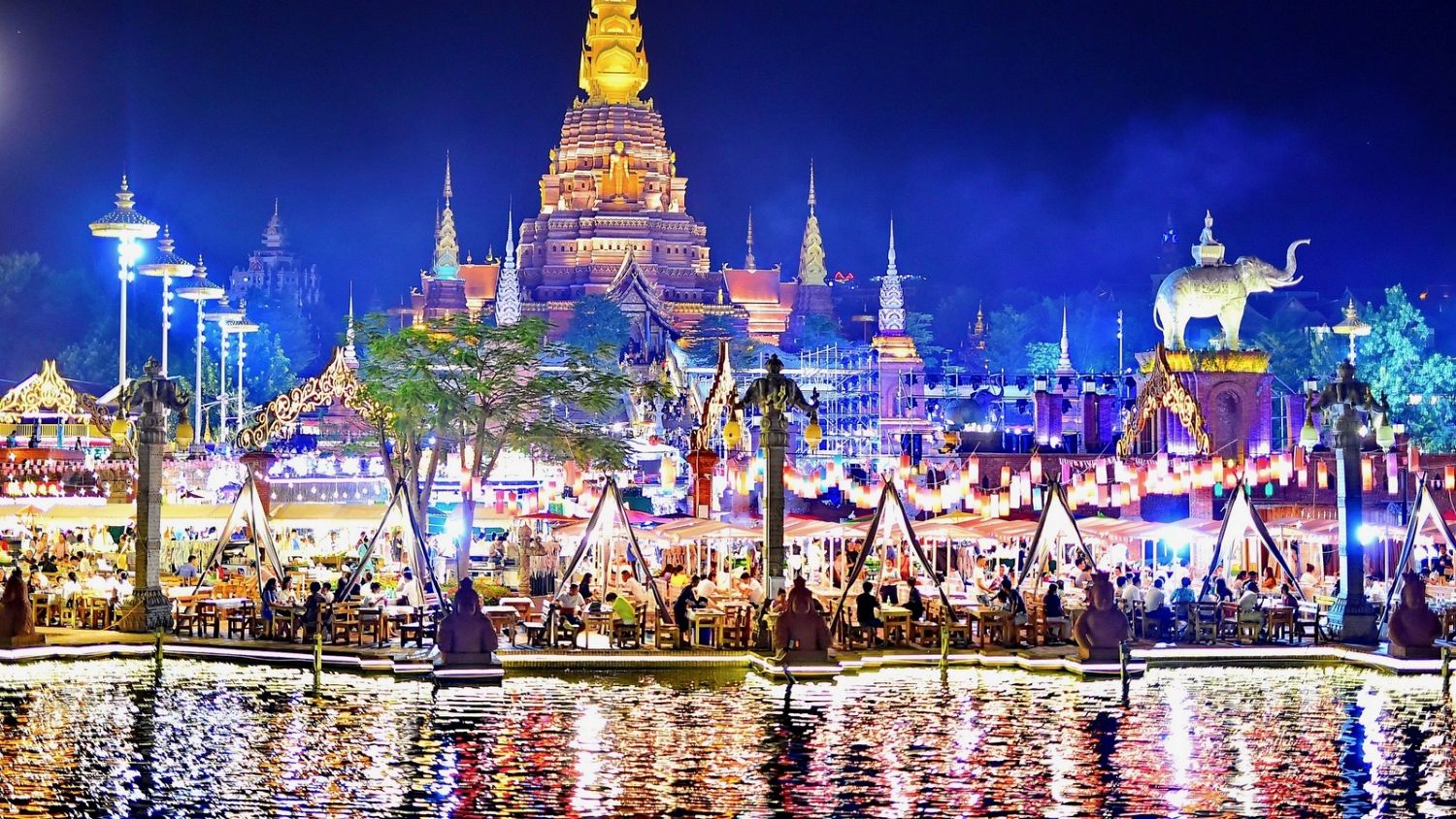
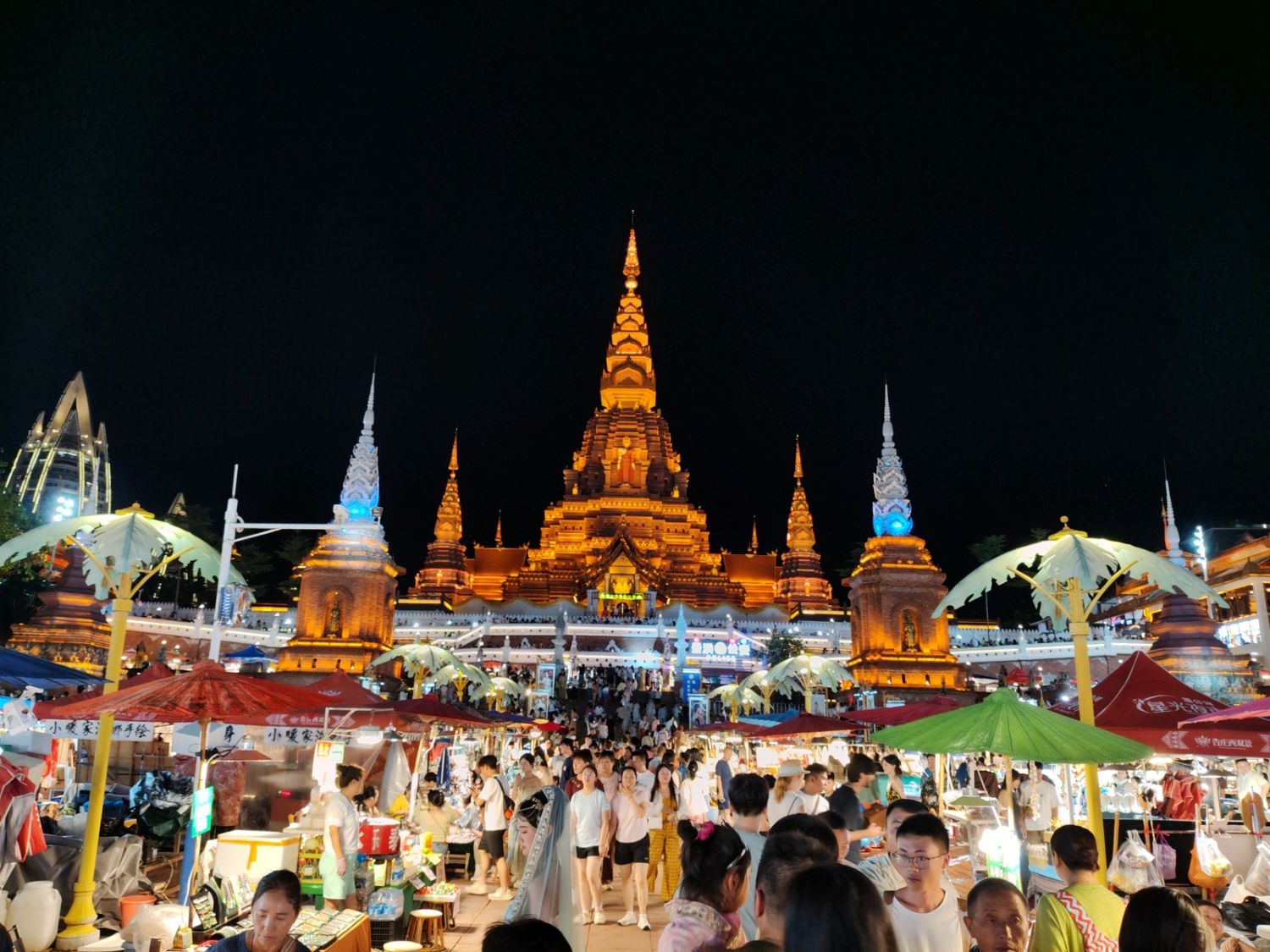
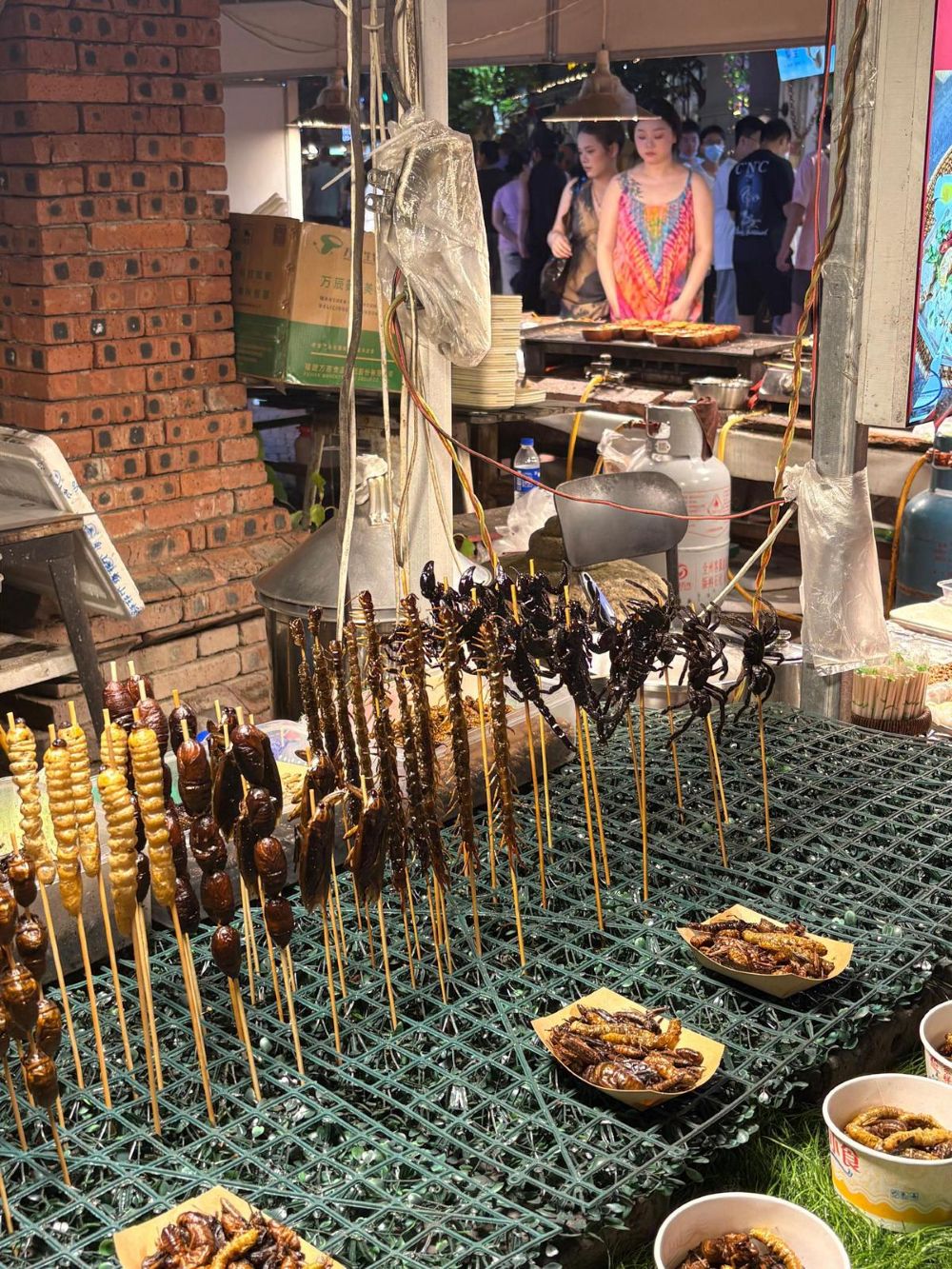
That evening, I experienced the ultimate fusion of this ancient river heritage and modern vibrancy at Gaozhuang Xishuangjing, the famous Starlight Night Market. Located right along the Lancang River in Jinghong, I had never seen anything like it in my entire life.
It felt exactly like stepping into the bustling, ancient marketplaces seen in that old Jesus movie we have all watched, except this was exploding with thousands of colorful conical parasol lights. The sheer scale was breathtaking.
Everywhere I looked, content creators were recording the electric atmosphere, weaving between stalls selling intricate Dai silverware, silk, and souvenirs. The real star was the street food. I found myself surrounded by the aromas of grilled luosifen snails, bamboo-wrapped sticky rice, and exotic insects sizzling on open grills.
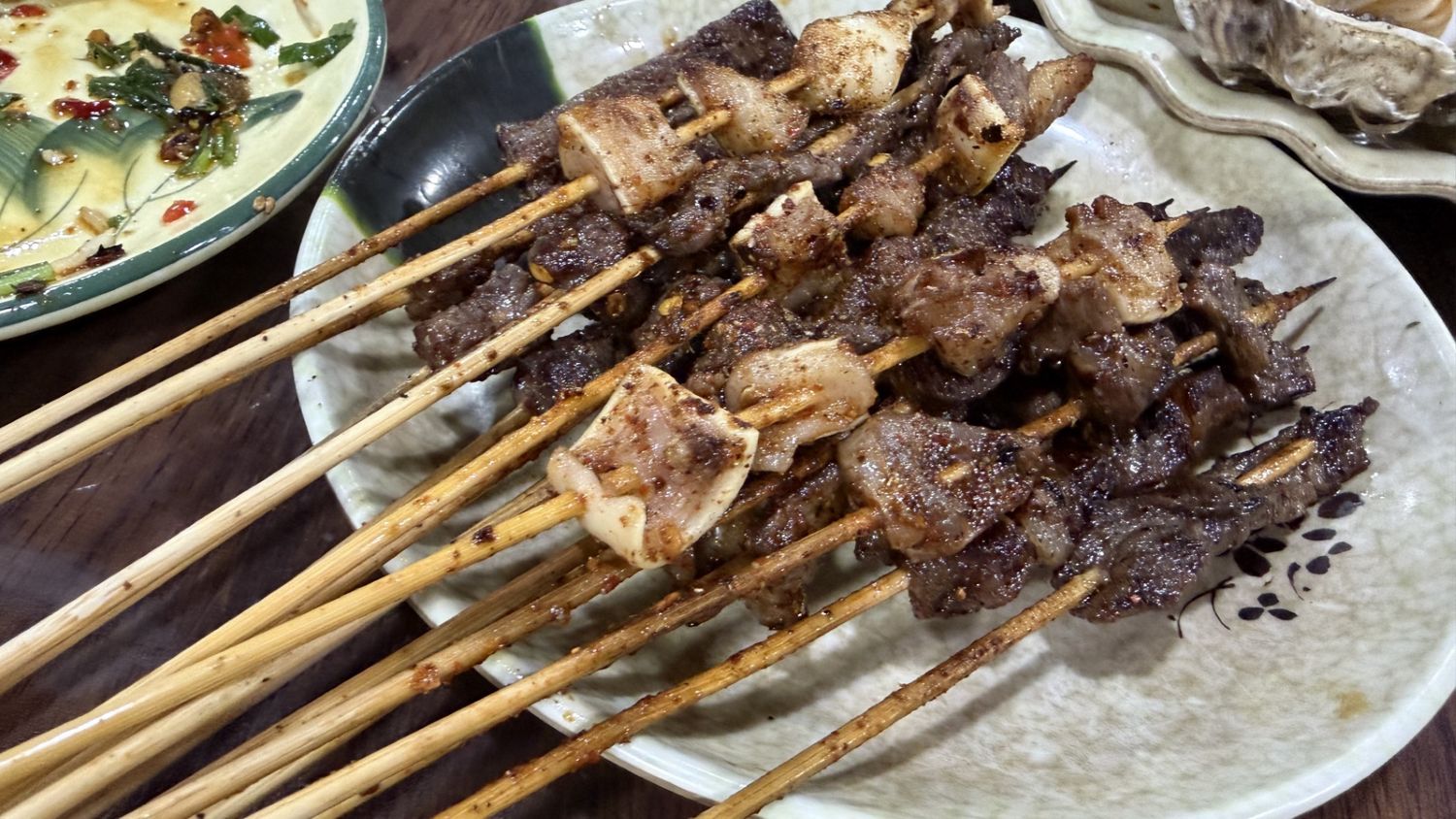
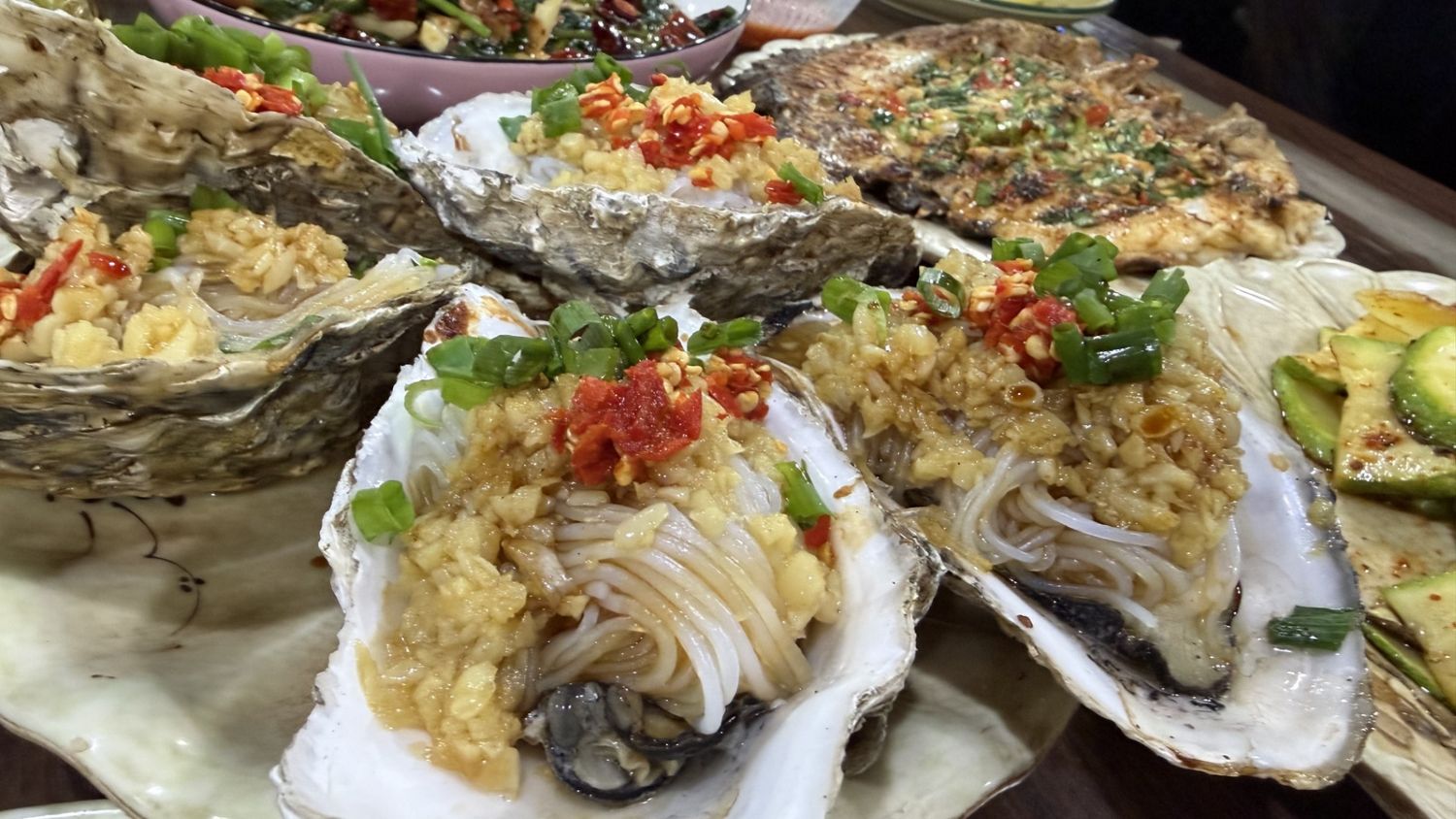
With a musical fountain show playing in the background and the river bridge lighting up the night sky, it was an intoxicating blend of ancient tradition linked up to future technology. You simply would not ever wish to leave this place.
The next day, I ventured into the high altitudes to visit Nannuo Mountain, an absolute pilgrimage site for tea lovers. This is one of the oldest and most famous mountains for growing Pu'er tea, home to ancient tea trees that have stood for over 800 years.
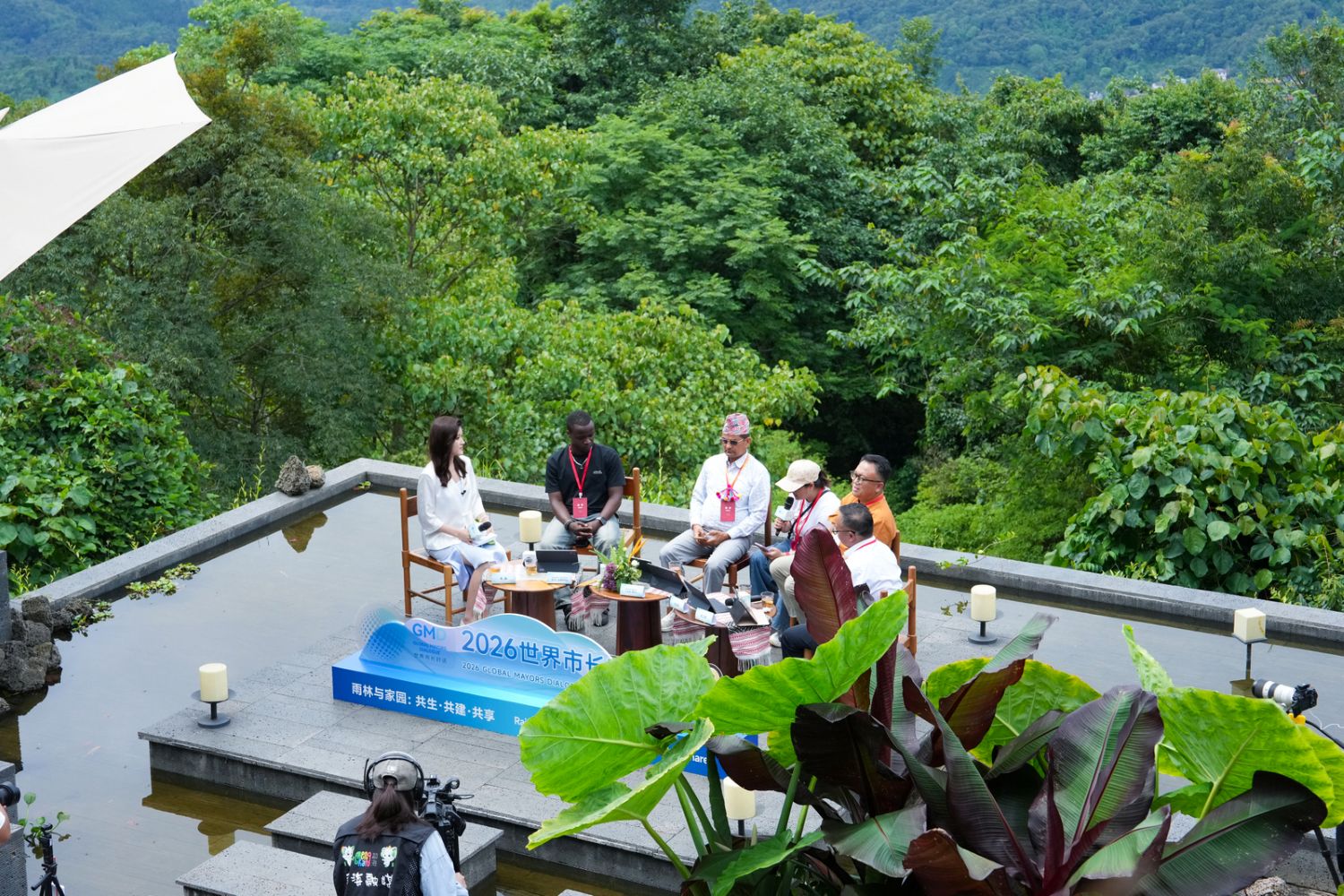
My day involved hiking through misty tea terraces and visiting the traditional Hani ethnic minority villages, who are the traditional tea growers of the region. Sitting in a local tea farmer's wooden hut, sampling raw, earthy Pu'er right at the source, was a grounding experience.
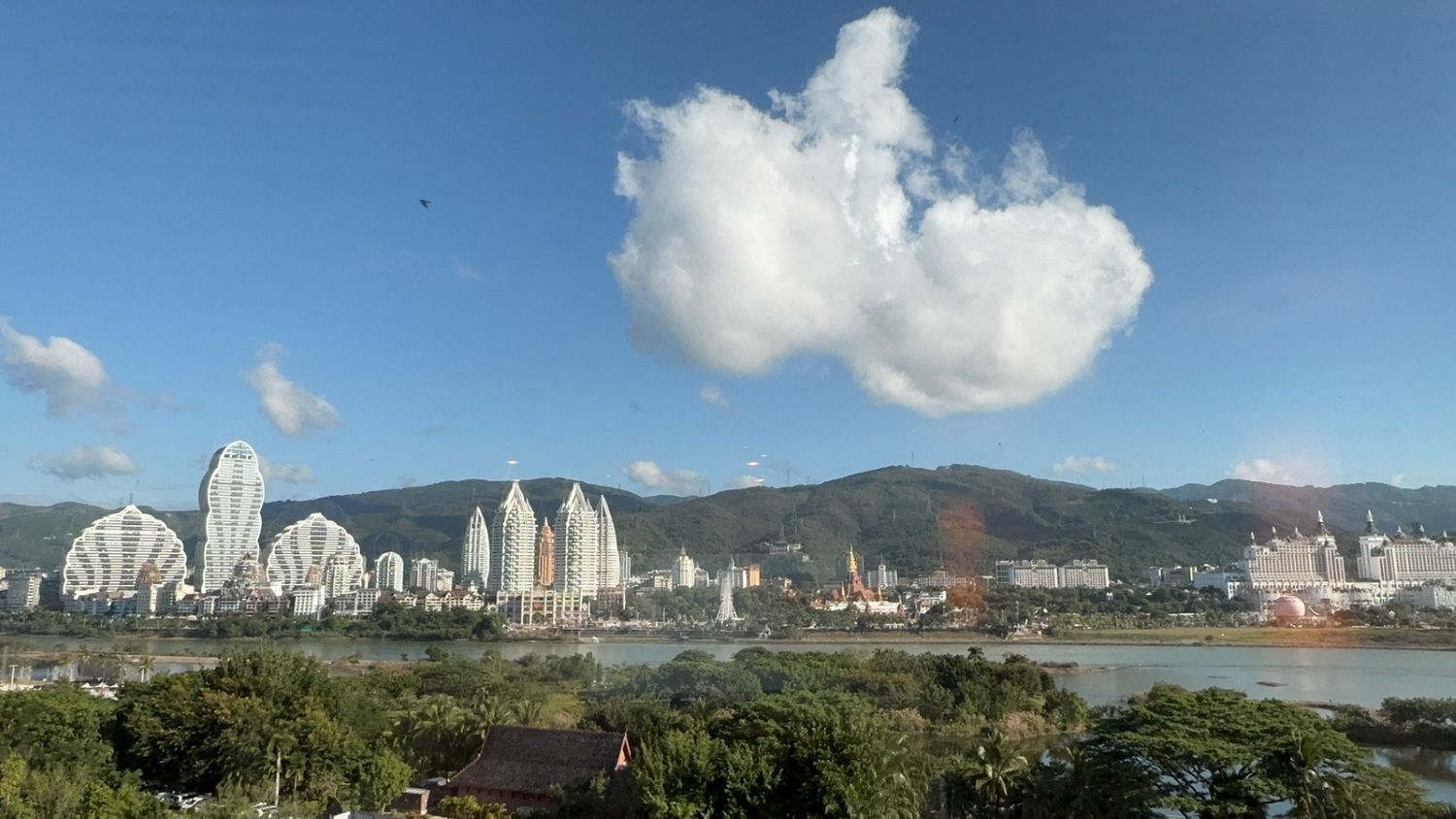
Yet, what completely shocked me was looking out and seeing modern flats built right into the mountain landscape. You would never imagine such urban prosperity existing in harmony with ancient high-mountain farming. The people here are so prosperous and genuinely amazing.
Xishuangbanna demands multiple visits to see everything it holds. You absolutely must visit the Menglun Tropical Botanical Garden, the crown jewel run by the Chinese Academy of Sciences.
Spanning over 1,100 hectares, it is divided into a public West Garden filled with ornamental aquatic plants and dancing grass, and a reserved East Garden featuring a pristine tropical rainforest canopy where you can easily spend half a day marveling at over 13,000 plant species.
Then there is Wild Elephant Valley, the only place in China to reliably observe wild Asian elephants. Walking along its 1.3-kilometer elevated skywalk through the rainforest canopy allows you to watch them bathe and forage, alongside educational performance shows featuring a semi-domesticated herd of 16 retired elephants.
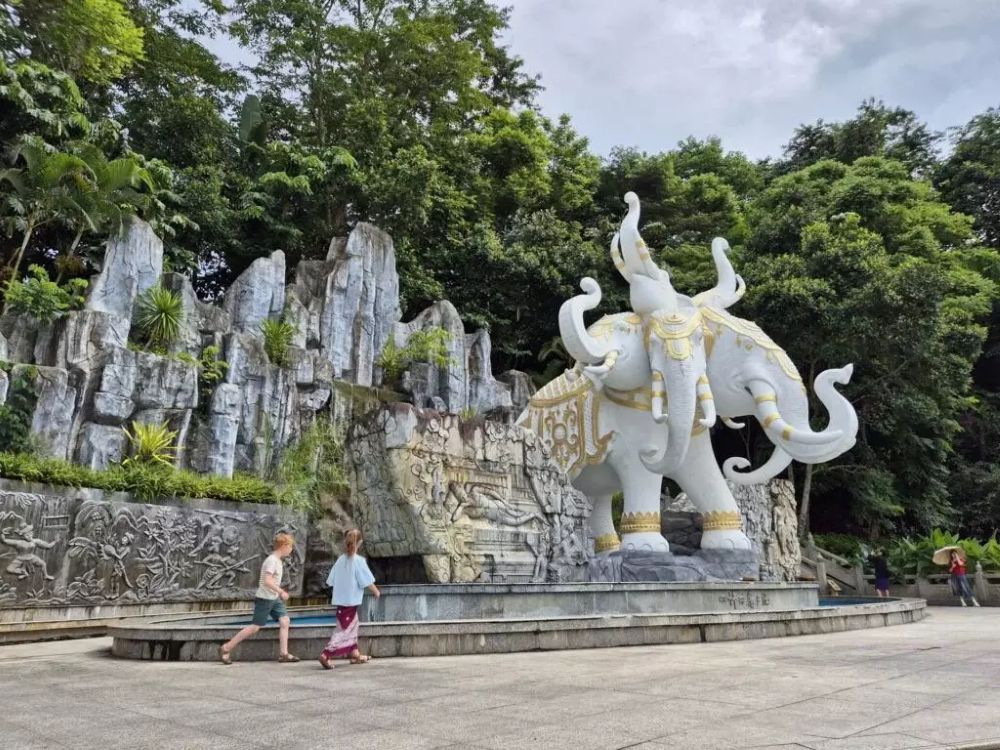
For ultimate adventurers, the Wangtianshu Sky Tree Scenic Area in Mengla County features a rare tropical tree soaring 80 meters high. The Corridor of the Sky, a dizzying suspension bridge and spiral staircase, lets you climb right into the treetops for a bird-eye view of the ocean-like rainforest.
If you are ready to pack your bags and write your own story, timing your visit is crucial. Because the rainy season from May to October is heavily humid and wet, the absolute perfect time to visit is from November to April when the weather is cooler and much drier.
When you do go, make sure to pack bright-colored clothes, as the lush, endless greenery makes for the most amazing photographs. And above all else, in this wild, beautiful frontier, always remember to carry strong insect repellent.

Loading comments...
Leave a comment