



Akagera National Park has become Rwanda's only Big Five destination, offering visitors the chance to see lions, elephants, rhinos, buffaloes and leopards in a landscape of savannah, woodland, wetlands and lakes.
Its transformation has also created more activities, accommodation and reasons for travellers to spend longer exploring Rwanda.
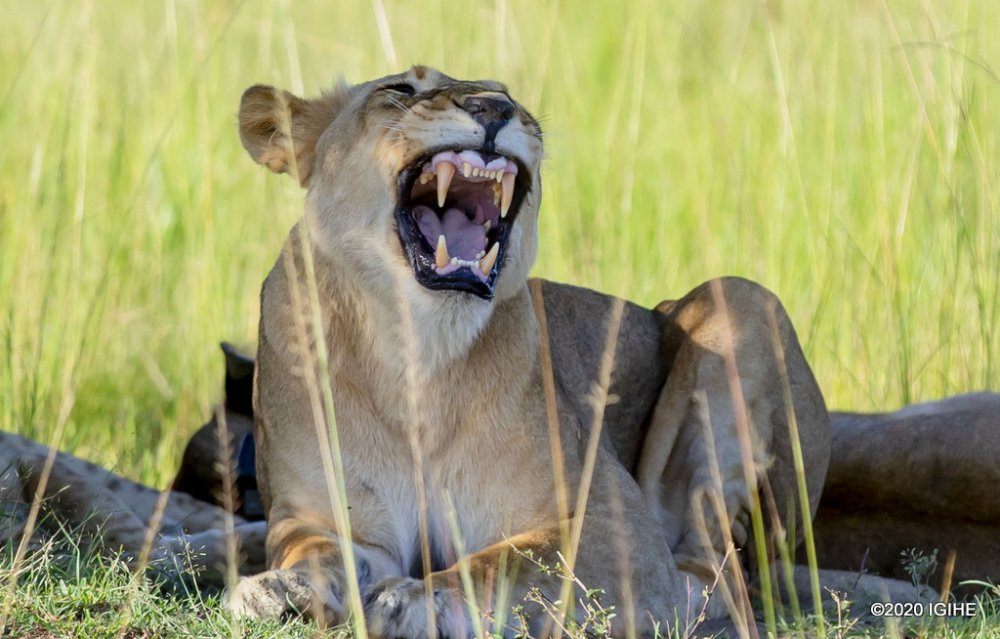
The return of lions is one of the clearest signs of the change. After being locally extinct in Akagera, seven lions were reintroduced in 2015, followed by two males in 2017 to strengthen genetic diversity.
The population has since reproduced successfully and reached around 70 lions by 2026. Conservation managers are now using fertility-control measures to manage the growing population while maintaining a healthy ecosystem.
Rhinos tell a similar story. Eighteen eastern black rhinos were reintroduced in 2017 after a decade-long absence, followed by five more in 2019.
In 2021, 30 southern white rhinos were introduced, and another 70 arrived from South Africa in June 2025.
African Parks says the 2021 group had grown to 41 animals before the latest translocation.
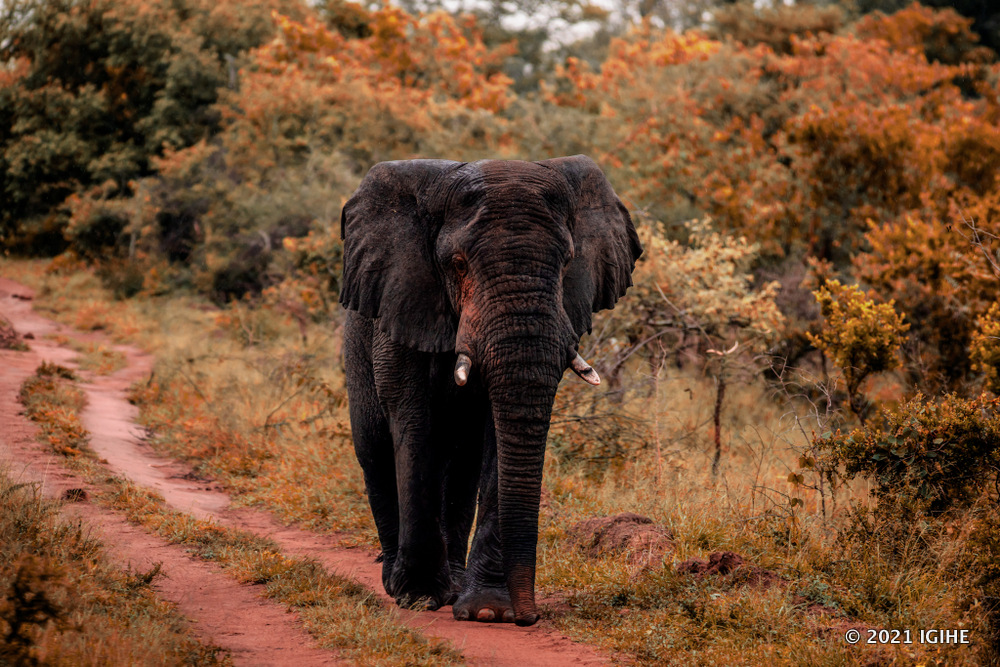
Elephants have also multiplied from a small founding population. Akagera's latest survey put the number at at least 115, all descendants of 26 elephants relocated to the park in 1975.
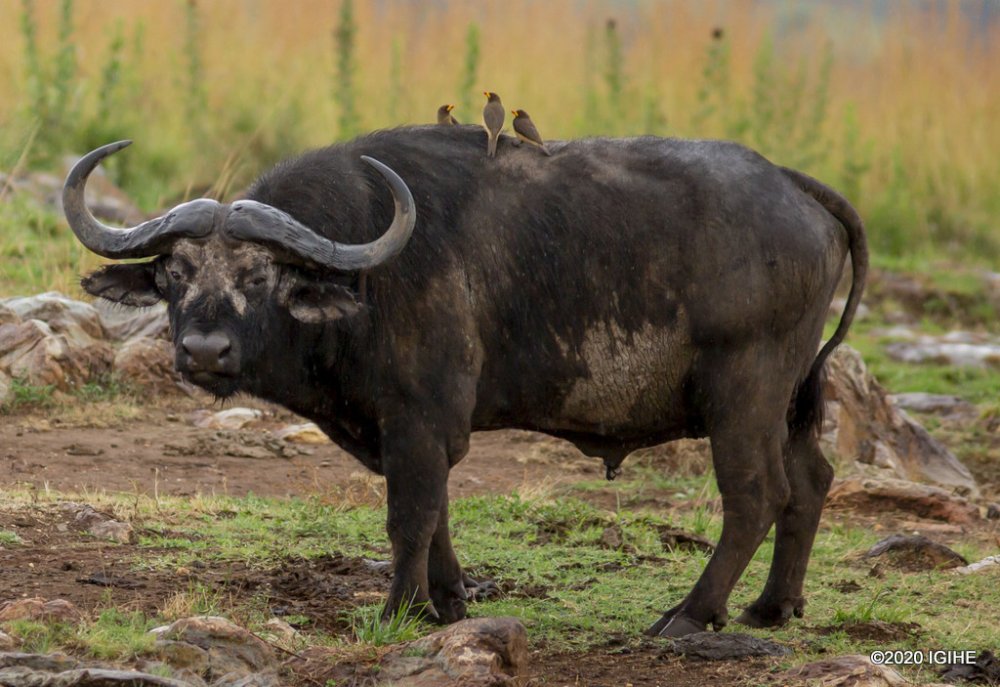
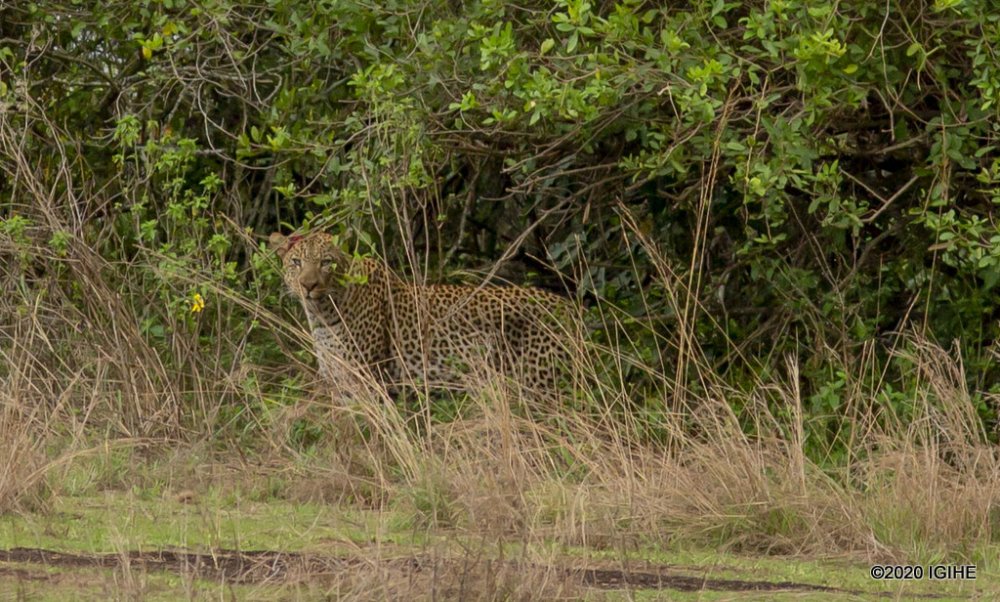
The park also has at least 3,300 buffaloes and an estimated 60 leopards.
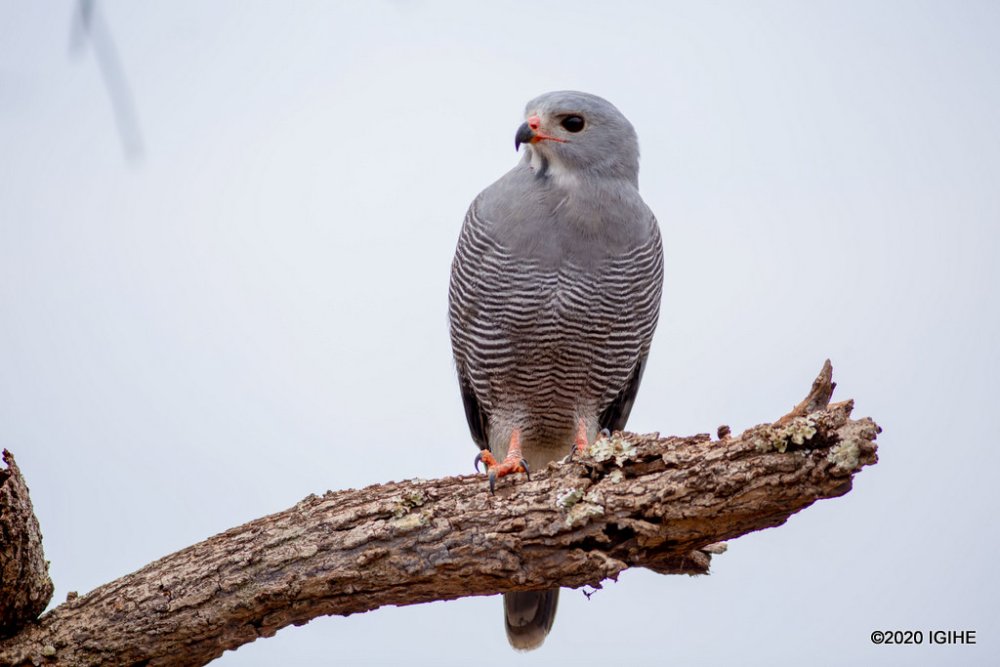
The attraction, however, is not simply the Big Five. Akagera contains a mosaic of savannah, woodland, wetlands and lakes that supports almost 500 recorded bird species, making it an important destination for birdwatchers as well as conventional safari visitors. The park has also recorded 179 butterfly species.
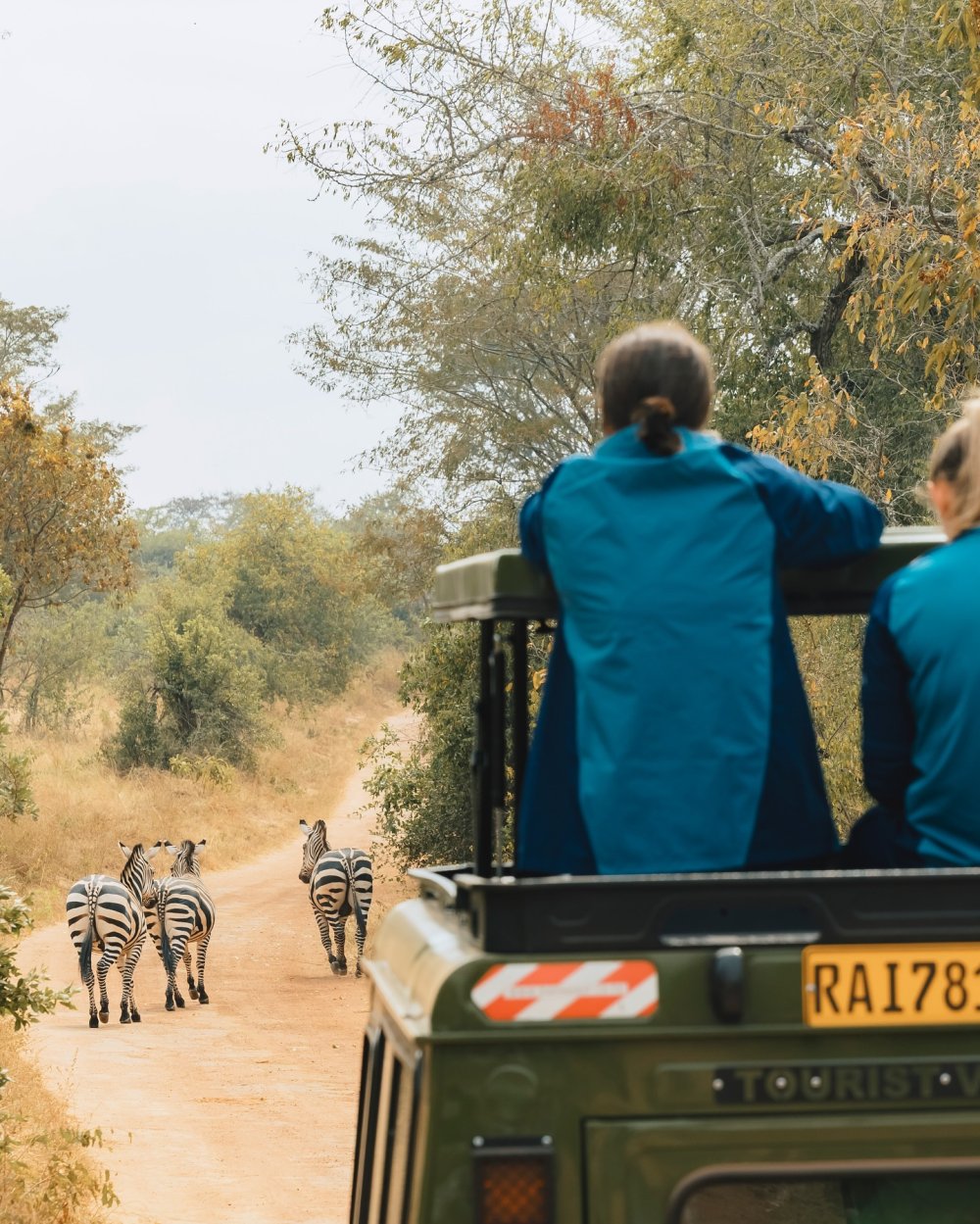
That biodiversity is being turned into a broader visitor experience. Travellers can go on game drives, boat trips, guided walks and birdwatching excursions, while guided rhino walks provide a closer experience with one of the park's conservation success stories.
Accommodation options include Ruzizi Tented Lodge, Karenge Bush Camp and Magashi, allowing visitors to stay within or close to the park and experience the landscape over several days rather than making a short safari visit.
The tourism infrastructure has developed alongside the wildlife recovery. Karenge has been renovated, while the Magashi Peninsula has expanded the park's accommodation offering.
These investments matter because they turn wildlife recovery into a complete tourism product: visitors need somewhere to sleep, activities to choose from and reasons to remain in the destination.
The economic results are increasingly visible. In 2024, tourism generated 97% of Akagera's total revenue, with the park earning more than US$4.7 million in total revenue and welcoming 56,219 visitors.
In 2025, paying visitors increased by 7%, while commercial activities; including tourism, hospitality, leisure and fisheries, generated more than US$5 million, a 4% increase from the previous year.
That year was also the first in which Akagera no longer required operational funding from RDB, covering its operating costs through self-generated revenue.
The benefits extend beyond the park. Akagera employs more than 300 full-time staff, the vast majority from surrounding communities, while 10% of its income contributes to Rwanda's Tourism Revenue Sharing Programme.
Nationally, more than Rwf23 billion has been reinvested through the programme in nearly 1,300 community projects, including schools, health facilities, water infrastructure and livelihood initiatives.
Akagera's growth is part of a wider expansion of Rwanda's nature-based tourism offer. Volcanoes National Park continues to draw visitors for mountain gorilla and golden monkey trekking, while Nyungwe offers chimpanzee tracking, forest trails and its canopy walkway and has UNESCO World Heritage status. Gishwati-Mukura adds another protected forest ecosystem.
For travellers, this diversity has made it possible to combine very different experiences. Tour operators can package gorilla trekking with safari, forest exploration, cultural encounters, hiking and other outdoor activities, giving visitors reasons to stay longer and explore beyond a single attraction.
Rwanda generated a record US$685 million in tourism revenue in 2025 from 1.49 million visitor arrivals, while its national parks recorded 155,394 visits and US$40.8 million in revenue.
Rwanda has set a target of reaching US$1.1 billion in annual tourism revenue by 2029.

Loading comments...
Leave a comment