



In 2007, more than 100 million votes were cast in a global campaign to select seven modern wonders from a list of iconic landmarks around the world.
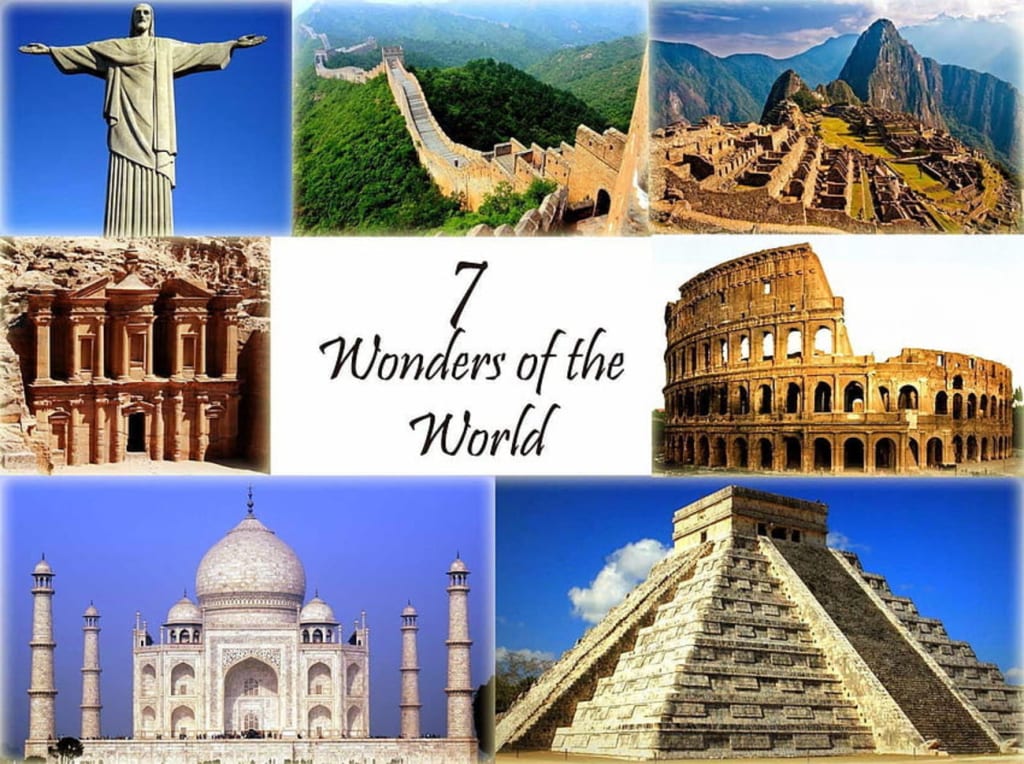
The campaign, organized by the New7Wonders Foundation, brought global attention to seven extraordinary sites: Christ the Redeemer in Brazil, Chichén Itzá in Mexico, the Colosseum in Italy, Petra in Jordan, Machu Picchu in Peru, the Great Wall of China and the Taj Mahal in India.
Each carries a unique story of human creativity, determination and cultural heritage.
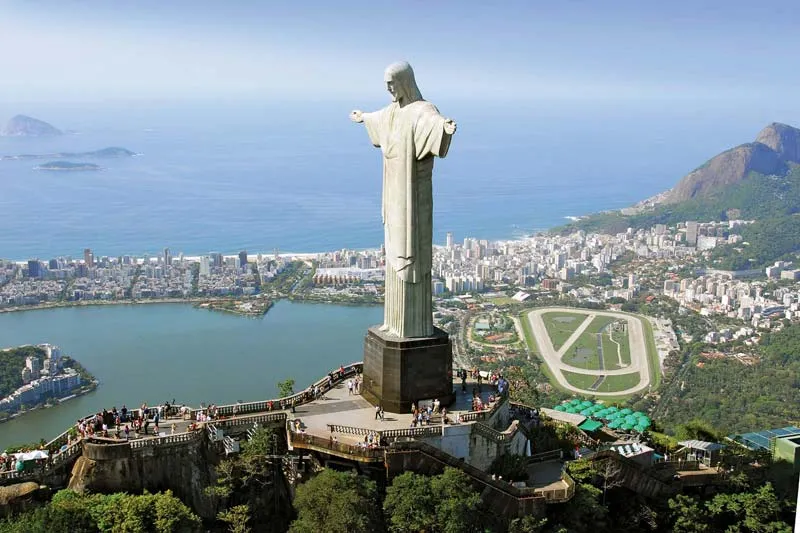
Christ the Redeemer, Brazil
Standing above Rio de Janeiro on Corcovado Mountain, Christ the Redeemer is among the world's most recognizable monuments.
The Art Deco statue of Jesus Christ stands about 30 metres tall, with its outstretched arms spanning approximately 28 metres.
Construction began in the 1920s and the monument was officially inaugurated in 1931. Its position high above Rio has made it one of Brazil's most important cultural and religious symbols.
The statue is also exposed to lightning because of its location, requiring regular maintenance to preserve the monument.
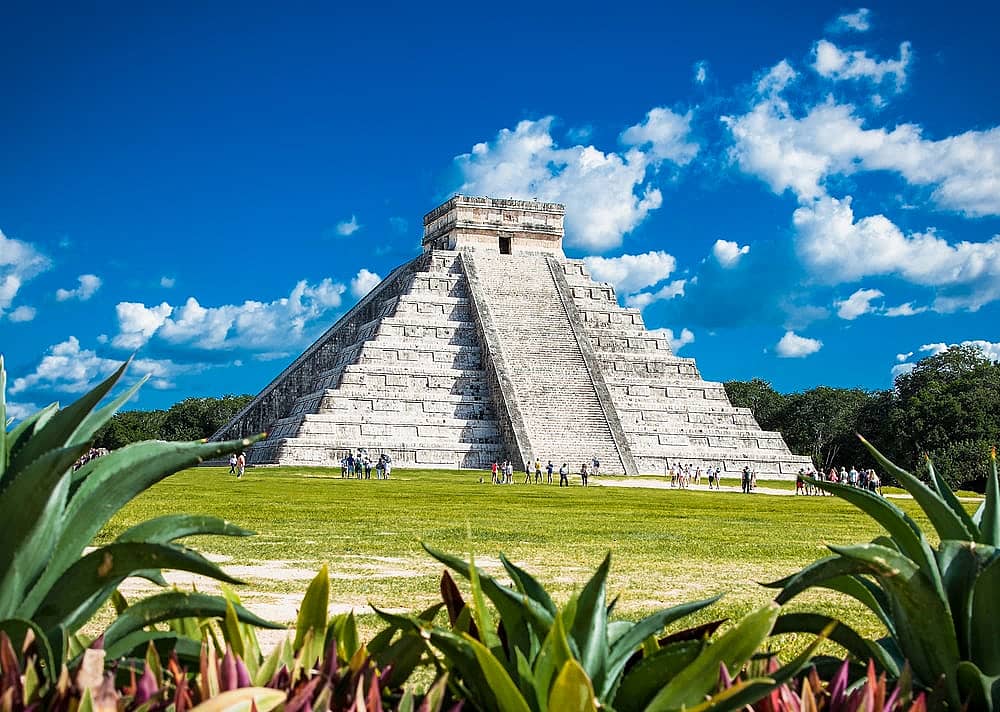
Chichén Itzá, Mexico
In Mexico's Yucatán Peninsula lies Chichén Itzá, one of the most important archaeological sites associated with the ancient Maya civilization.
Its most famous structure, El Castillo, also known as the Temple of Kukulcán, demonstrates the Maya's sophisticated understanding of architecture, mathematics and astronomy.
During the equinoxes, sunlight creates a striking shadow effect along the pyramid's staircase, producing an appearance associated with Kukulcán, the feathered serpent.
The phenomenon has helped make Chichén Itzá one of the world's most fascinating archaeological destinations.
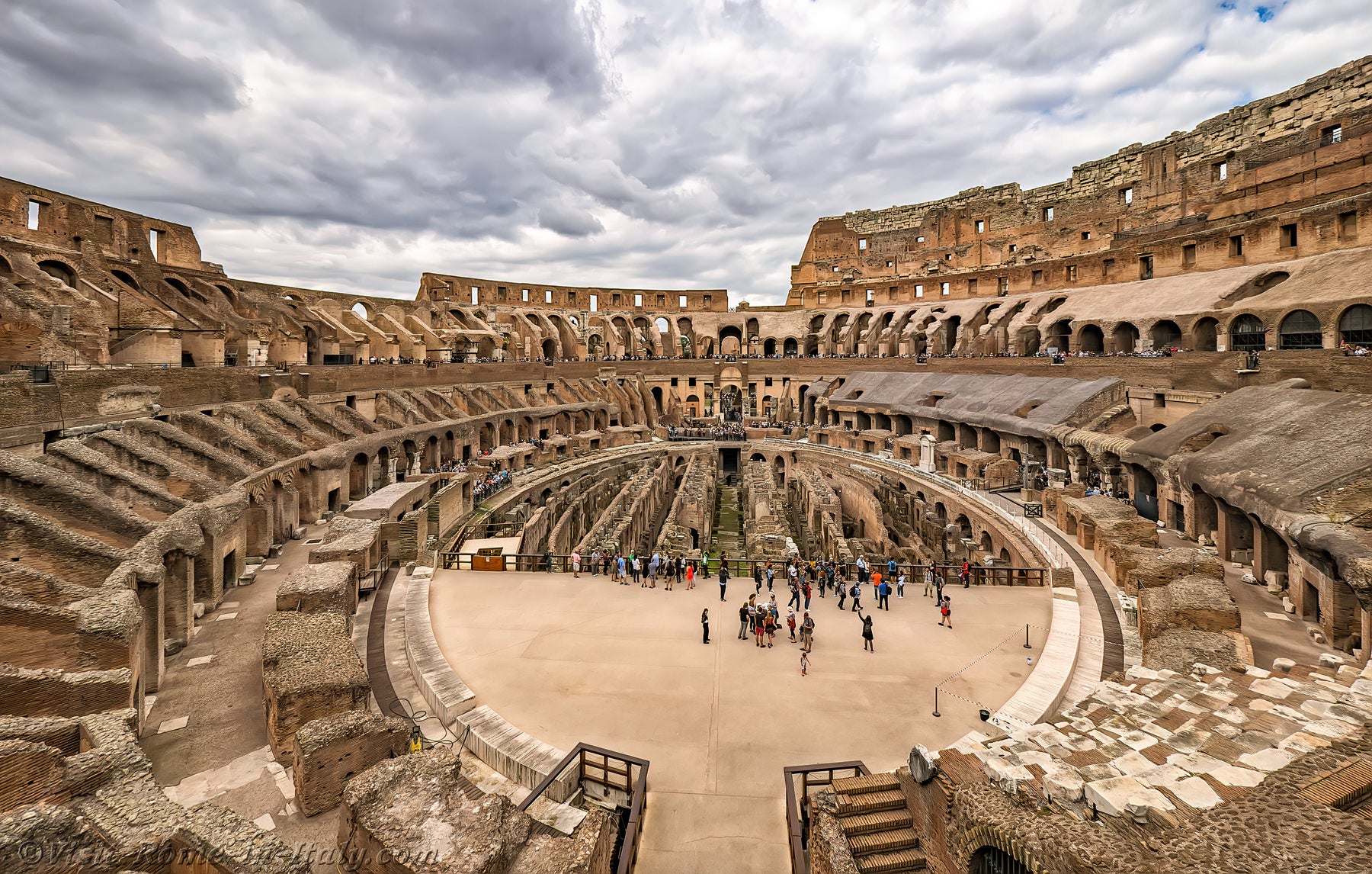
The Colosseum, Italy
In the heart of Rome stands the Colosseum, a massive amphitheatre completed around AD 80 during the reign of Emperor Titus.
The structure could accommodate tens of thousands of spectators who gathered to watch gladiatorial contests, animal hunts and other public spectacles.
Beyond its entertainment history, the Colosseum demonstrates the engineering and architectural capabilities of ancient Rome.
Nearly 2,000 years later, its remains continue to attract visitors from around the world.
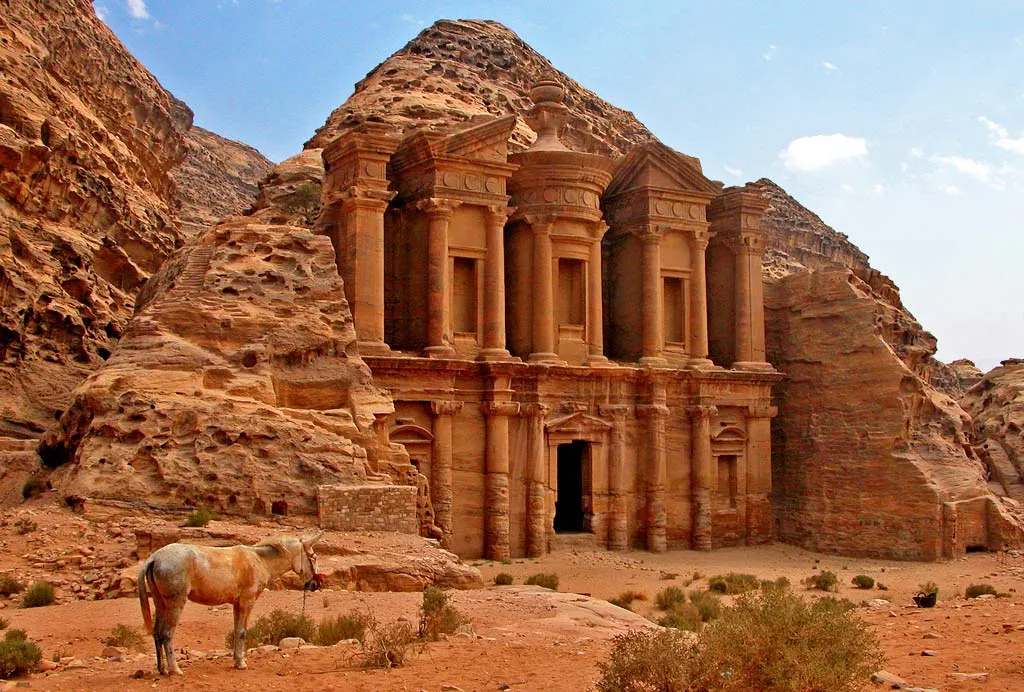
Petra, Jordan
Known for its spectacular rock-cut architecture, Petra was once a major trading centre of the Nabataean civilization.
The ancient city is located in a valley surrounded by mountains and is famously reached through the narrow Siq.
Among its most recognizable structures is Al-Khazneh, commonly known as the Treasury, which was carved directly into the sandstone.
Petra's dramatic landscape and architecture have earned it a reputation as one of the world's most extraordinary archaeological sites.
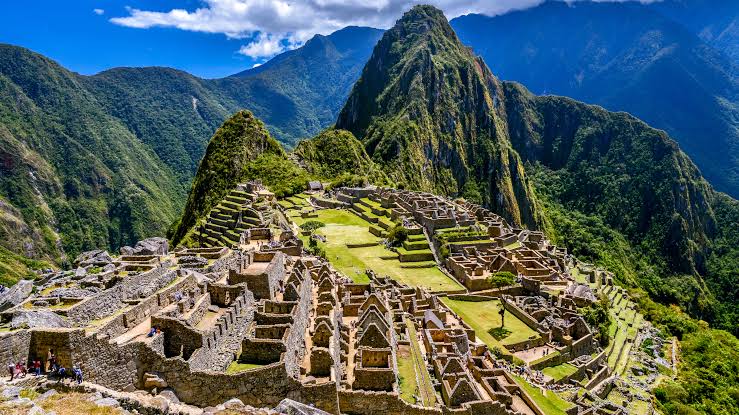
Machu Picchu, Peru
High in the Andes Mountains of Peru lies Machu Picchu, the remarkable 15th-century Inca site that continues to attract historians, archaeologists and travellers.
The settlement contains temples, terraces and residential structures constructed with sophisticated stonework.
One of its most impressive features is the precision with which stones were fitted together, often without mortar.
Although Machu Picchu is sometimes described as a "lost city", nearby Indigenous communities were aware of the site's existence long before it became internationally known.
Today, it stands as an important symbol of Inca civilization and engineering.
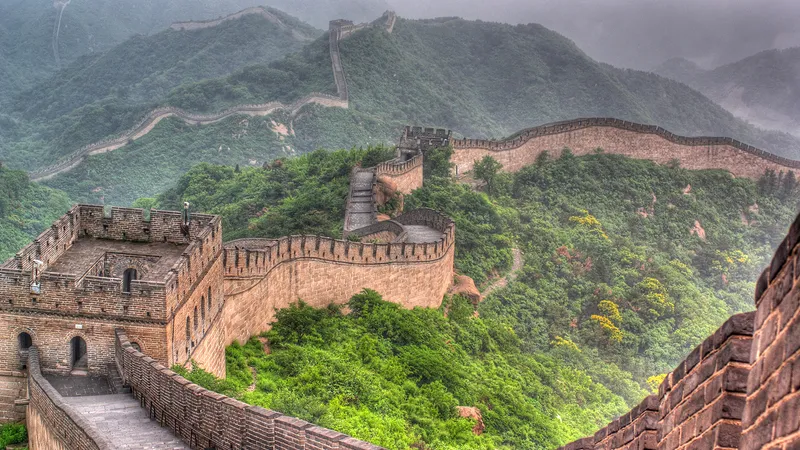
The Great Wall of China
Stretching across mountains, valleys and deserts, the Great Wall of China represents centuries of construction and military planning.
Rather than being one continuous wall built at one time, it consists of fortifications constructed, rebuilt and expanded by different Chinese dynasties over many centuries.
The total length of the various sections is estimated at more than 21,000 kilometres.
The wall was primarily constructed for defence and border control, although it also served purposes including communication and transportation.
One popular myth claims that the Great Wall can easily be seen from the Moon with the naked eye. Scientists have repeatedly explained that this is not the case.
Nevertheless, its enormous scale remains a powerful reminder of the resources and labour invested in its construction.
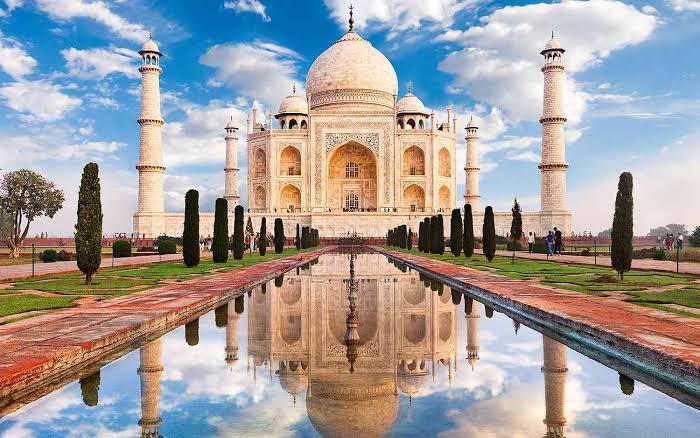
The Taj Mahal, India
The final wonder is the Taj Mahal in Agra, India, one of the world's most famous monuments to love.
Mughal Emperor Shah Jahan commissioned the white marble mausoleum in memory of his wife, Mumtaz Mahal, who died in 1631.
Construction began soon after her death and the principal mausoleum was completed in the 17th century, with additional work continuing later.
The monument is celebrated for its symmetrical design, large marble dome, intricate decoration and carefully designed gardens.
Beyond its architectural beauty, the Taj Mahal has become globally associated with Shah Jahan's devotion to Mumtaz Mahal.
A legacy of human achievement
The New Seven Wonders are more than famous tourist destinations. They represent different civilizations, historical periods and approaches to architecture and engineering.
From the stonework of Machu Picchu to the scale of the Great Wall and the symbolism of the Taj Mahal, each wonder demonstrates what human beings have achieved through creativity, knowledge and determination.
For millions of visitors, these landmarks are not simply places to see. They are reminders that some of humanity's greatest achievements can survive for centuries and continue inspiring generations.
Loading comments...
Leave a comment