



The leaders of three world powers are scheduled to meet in Shenzhen on November 19, on the sidelines of the Asia-Pacific Economic Cooperation summit.
The leaders are expected to discuss nuclear arms control, Iran and global stability, with Ukraine also possible. SIPRI’s January 2026 estimates put Russia’s nuclear inventory at 5,420 warheads, America’s at 5,042 and China’s at 620, including retired warheads awaiting dismantlement. No immediate nuclear agreement is expected.
Their countries generated approximately US$53.1 trillion (Rwf78,442 trillion) in 2025. Bringing that economic weight to one table would be remarkable anywhere.
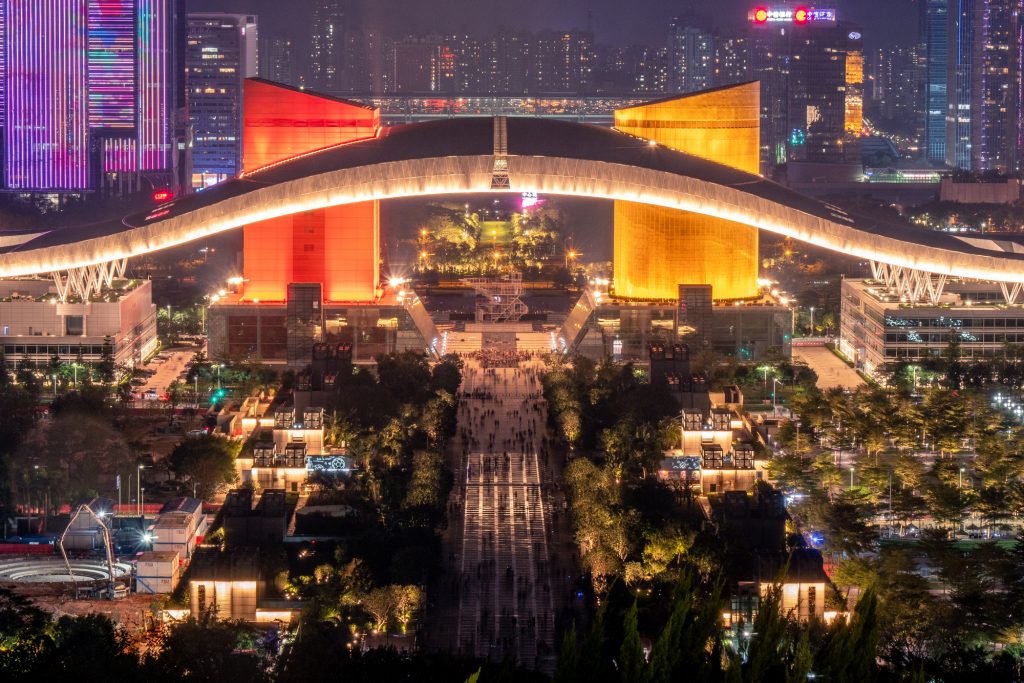
In Shenzhen, where nine in 10 residents lived in the countryside in 1979, it adds another chapter to an extraordinary transformation. Shenzhen lies about 1,940 kilometres from Beijing, across a river from Hong Kong.
In 1979, only about 30,000 of its 314,100 residents lived in urban areas. Poverty pushed some to seek better livelihoods across the border. Today, opportunity draws people towards Shenzhen.
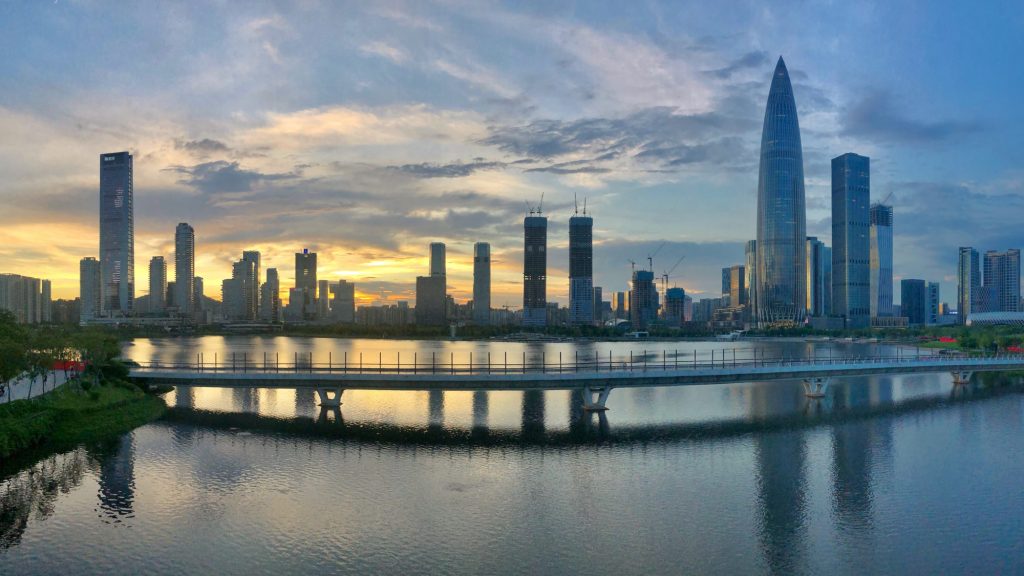
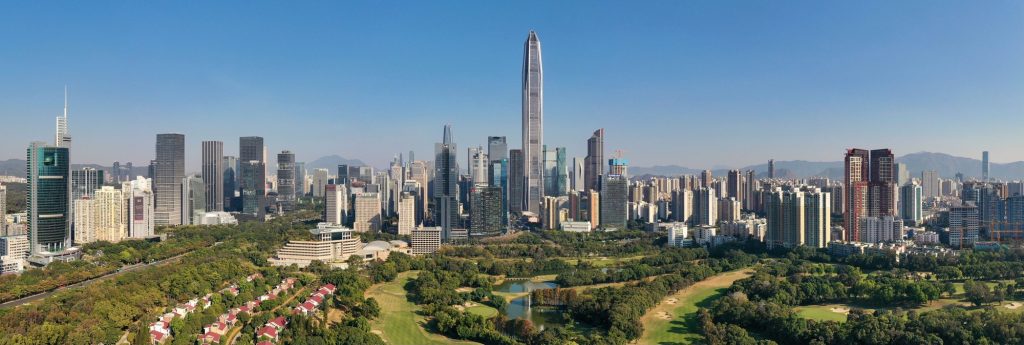
The turning point came in 1980, when special economic zone status opened the door to overseas investment. Factories arrived, workers followed, and a rural landscape began acquiring an urban skyline.
Its economy grew from 270 million yuan (Rwf59.79 billion) in 1980 to 84.25 billion yuan (Rwf18.66 trillion) in 1995 and 3.87 trillion yuan (Rwf857 trillion) in 2025.
By then, 18.21 million of its 18.25 million residents lived in urban areas.
Chinese Foreign Minister Wang Yi’s argument for openness finds a practical illustration here.
“Openness is the lifeline of Asia-Pacific prosperity; only by maintaining an open environment for regional cooperation can we create stable expectations for Asia-Pacific economic growth,” he wrote.
For Shenzhen, opening up meant factories, investment and access to customers far beyond its borders.
The November 18–19 APEC meeting brings together 21 economies representing three billion people and 61.6% of global output. They accounted for 50.1% of merchandise exports and 48.5% of imports in 2025.
The accompanying CEO Summit brings together over 2,000 participants, including representatives of 115 Fortune Global 500 companies.
China, hosting for the third time after Shanghai in 2001 and Beijing in 2014, has prioritised openness, innovation and cooperation. Few host cities could illustrate those ambitions quite so visibly.
This year’s APEC focuses on openness, innovation and cooperation, under the theme “Building an Asia-Pacific Community to Prosper Together.” Priorities include easing trade and investment, advancing artificial intelligence and the digital economy, strengthening supply chains, and promoting sustainable growth.
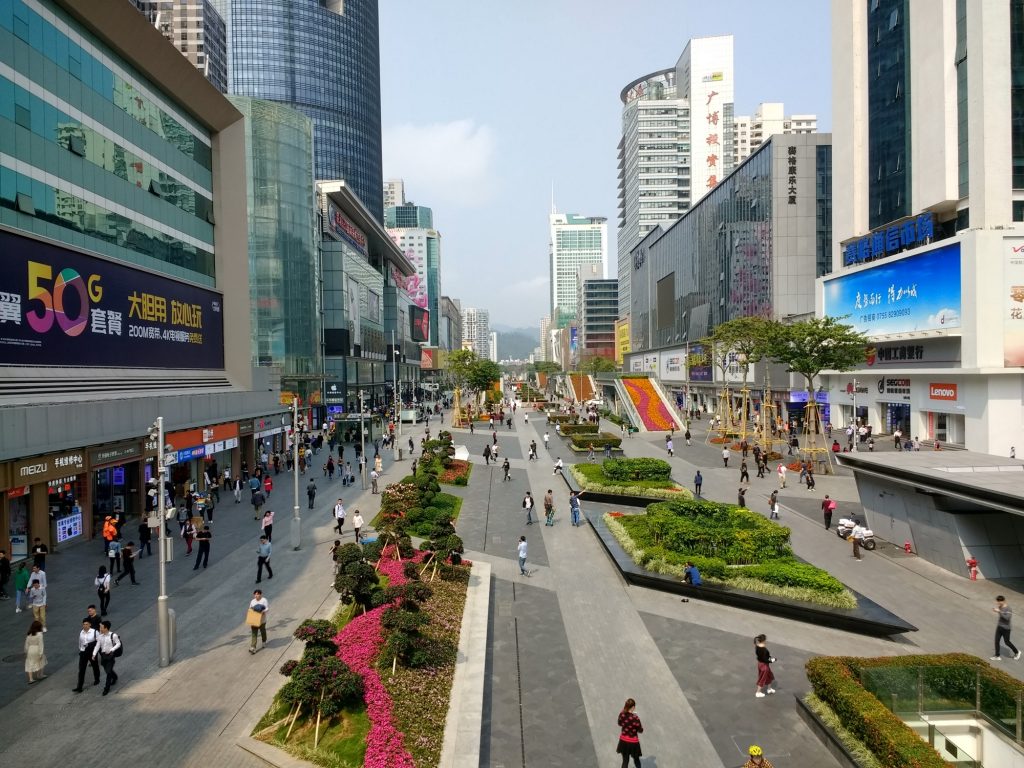
Chinese Silicon Valley, with the parts next door
California’s Silicon Valley made its name turning ideas into technology. Shenzhen earned its comparison by bringing invention close to the people who can manufacture it.
In Huaqiangbei, its electronics district, over 115,000 commercial entities and 35 specialised markets form a vast marketplace of technological possibilities. Nearly 8,000 foreign buyers visited daily, according to figures reported in August.
An entrepreneur’s shopping list here might be the beginnings of somebody else’s next favourite gadget.
By September 2026, Shenzhen had 3,056,274 registered enterprises, within 4,442,510 commercial entities. It registered 289,279 enterprises during January–September—more than 1,000 daily.
Its business community included over 26,000 nationally recognised high-tech enterprises and 600 listed companies by end-2025.
“Innovation is the driving force behind Asia-Pacific prosperity,” Wang wrote. He linked that ambition to cooperation on digital technologies and an environment where innovation can move across borders.
Shenzhen invested 245.31 billion yuan (Rwf54.32 trillion), equivalent to 6.67% of GDP, in research during 2024. WIPO ranked the combined Shenzhen–Hong Kong–Guangzhou innovation cluster first globally in 2026.
The companies explain the scale. BYD produced 4.54 million vehicles in 2025, about 12,400 daily, recording revenue of 804 billion yuan (Rwf178.05 trillion).
Huawei generated 880.9 billion yuan (Rwf195.08 trillion), while ZTE reported 133.90 billion yuan (Rwf29.65 trillion) and shipped over 100 million home devices. These figures cover their wider operations.
Tencent’s Weixin and WeChat had 1.439 billion combined monthly active accounts in June 2026. DJI and UBTECH add drones and robots to Shenzhen’s technological family.
Lunch takes the aerial route
At Lianhua Hill Park, visitors can receive drone-delivered meals while robots patrol, automated boats collect rubbish and an autonomous minibus transports passengers.
Even a quiet afternoon in the park has acquired a technology department. Shenzhen had 310 low-altitude logistics routes by February 2026. Cargo drones completed over one million flights in 2025.
Robots have also been photographed serving diners, sorting postal parcels and making ice cream. Factories produced 194,900 industrial robots, 7.97 million service robots and 7.45 million civilian drones in 2025.
At a Qianhai health centre opened in April, AI guides blood sampling. Citywide, the core AI industry generated 220 billion yuan (Rwf48.72 trillion) in 2025, supported by over 2,600 enterprises above designated statistical thresholds.
Addressing APEC officials in February, Wang urged governments to ensure such advances reach beyond the biggest companies and wealthiest economies.
“We should strengthen economic and technological cooperation, scale up support for developing economies, and ensure that emerging technologies like AI benefit more people,” he said.
Shenzhen recorded 4.5 trillion yuan (Rwf996.53 trillion) in fixed-asset investment during 2021–2025.
Foreign investment utilised in 2025 reached 50.48 billion yuan (Rwf11.18 trillion), up 14.4%. Nearly 16,000 foreign-invested enterprises were established.
Across the economy, Shenzhen reported 260,000 additional people in employment—livelihoods behind the impressive machinery.
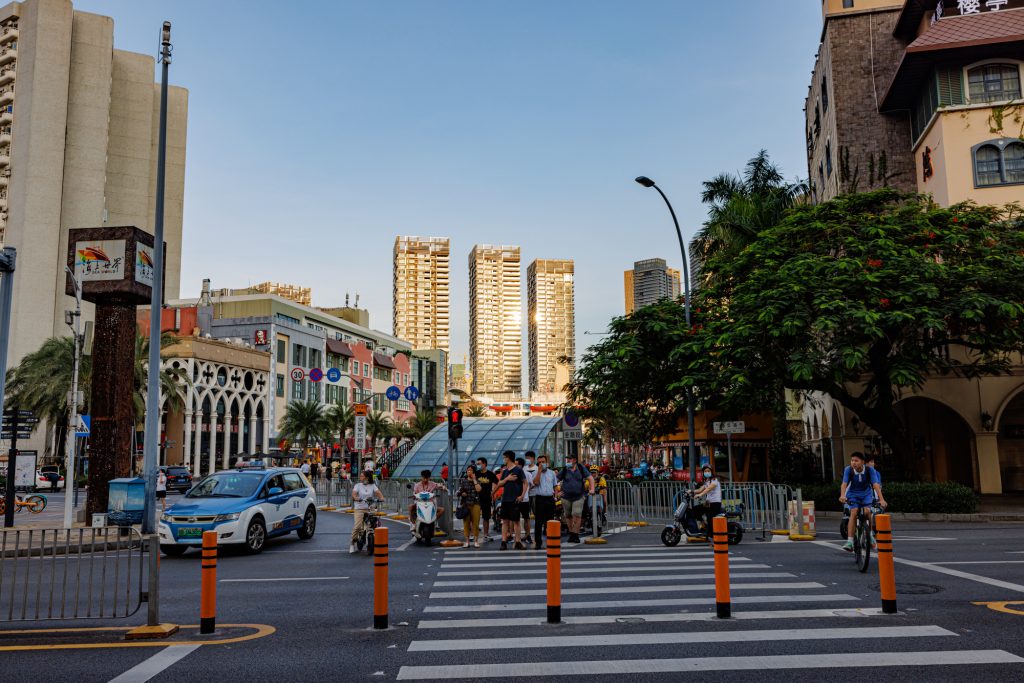
A gateway Africa already uses
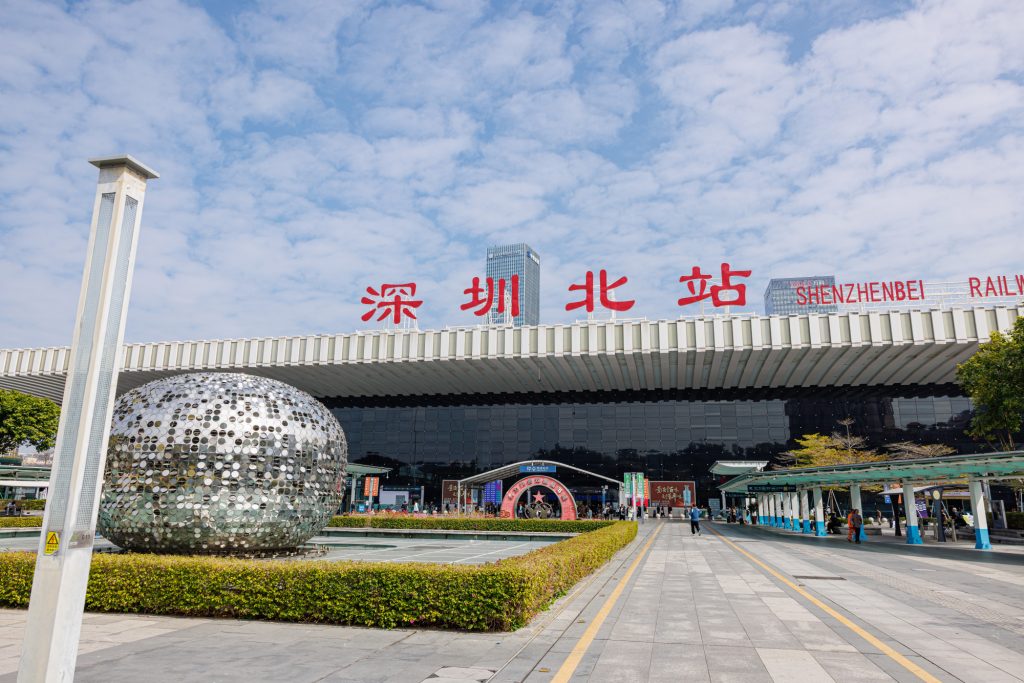
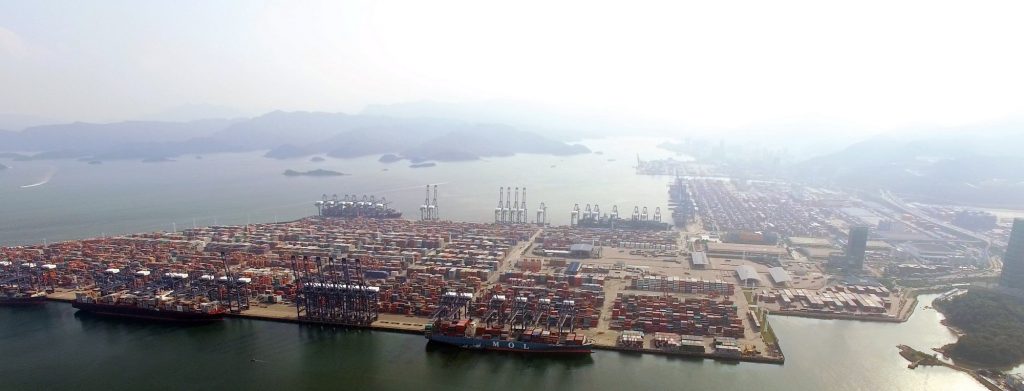
Shenzhen Port handled 35.4 million container equivalents in 2025, nearly 97,000 daily. Bao’an airport handled 66.48 million passenger trips, connecting 61 international and regional destinations.
Africa has no APEC member, but its commercial interests are considerable. China–Africa trade reached US$348.05 billion (Rwf514.16 trillion) in 2025.
In April–June 2026, China bought Rwanda’s domestic exports worth US142.38million(Rwf210.33billion)and suppliedUS415.89 million (Rwf614.37 billion) in imports.
For African businesses, Shenzhen offers a close view of what that relationship can involve: electric vehicles, communications equipment, manufacturing technology and access to suppliers.
Loading comments...
Leave a comment