



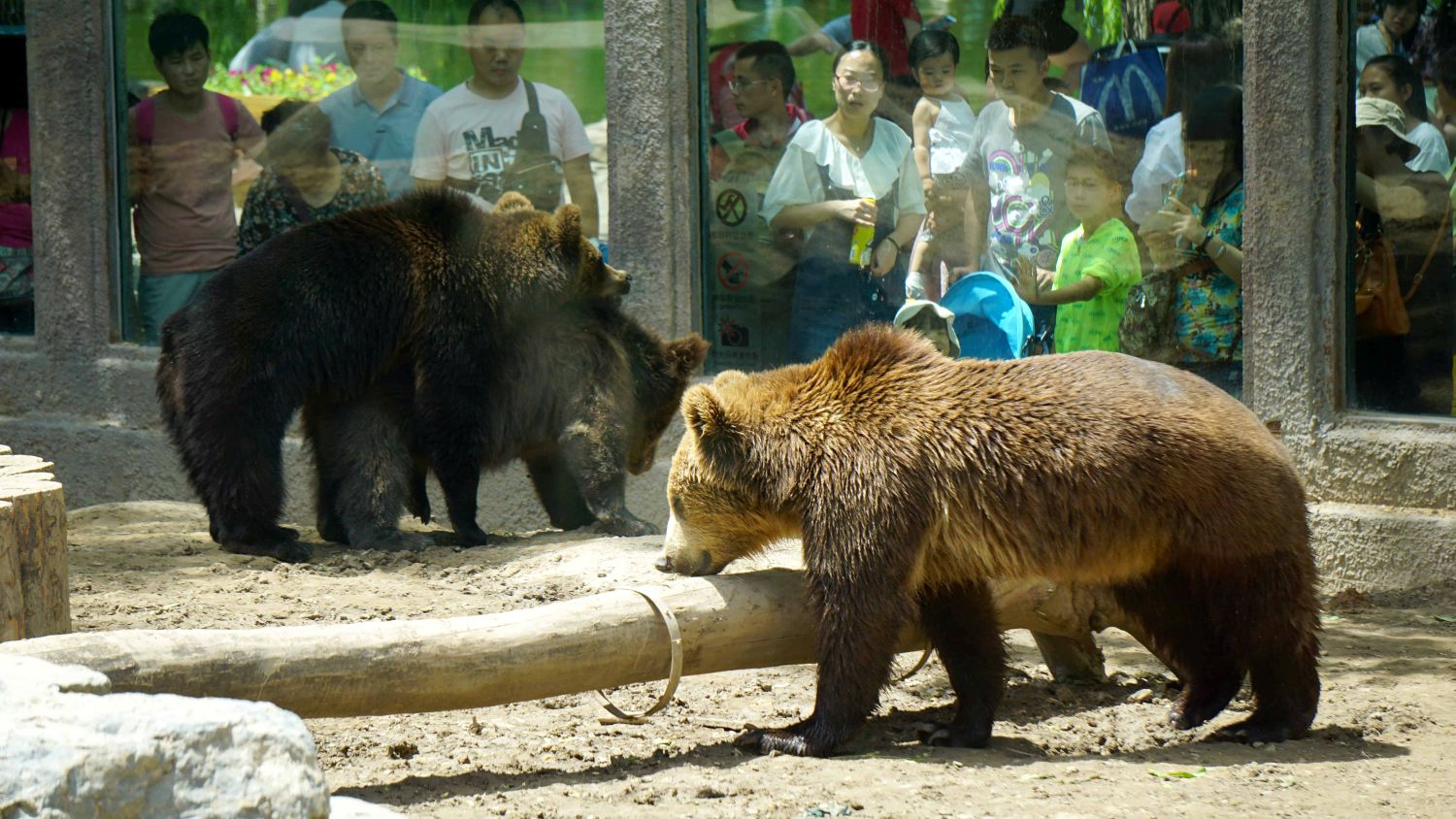
But standing only a few metres away from a giant bear inside Beijing Zoo, watching it walk slowly, eat and interact with its surroundings, those old stories suddenly felt real.
It was no longer a creature from a book or a documentary. It was alive, moving before visitors who had travelled from different parts of the world to see nature in the middle of one of Earth's busiest cities.
The visit was not only about seeing animals. It was about discovering how Beijing, a city of more than 20 million people, created a place where wildlife conservation, science and urban life exist together.
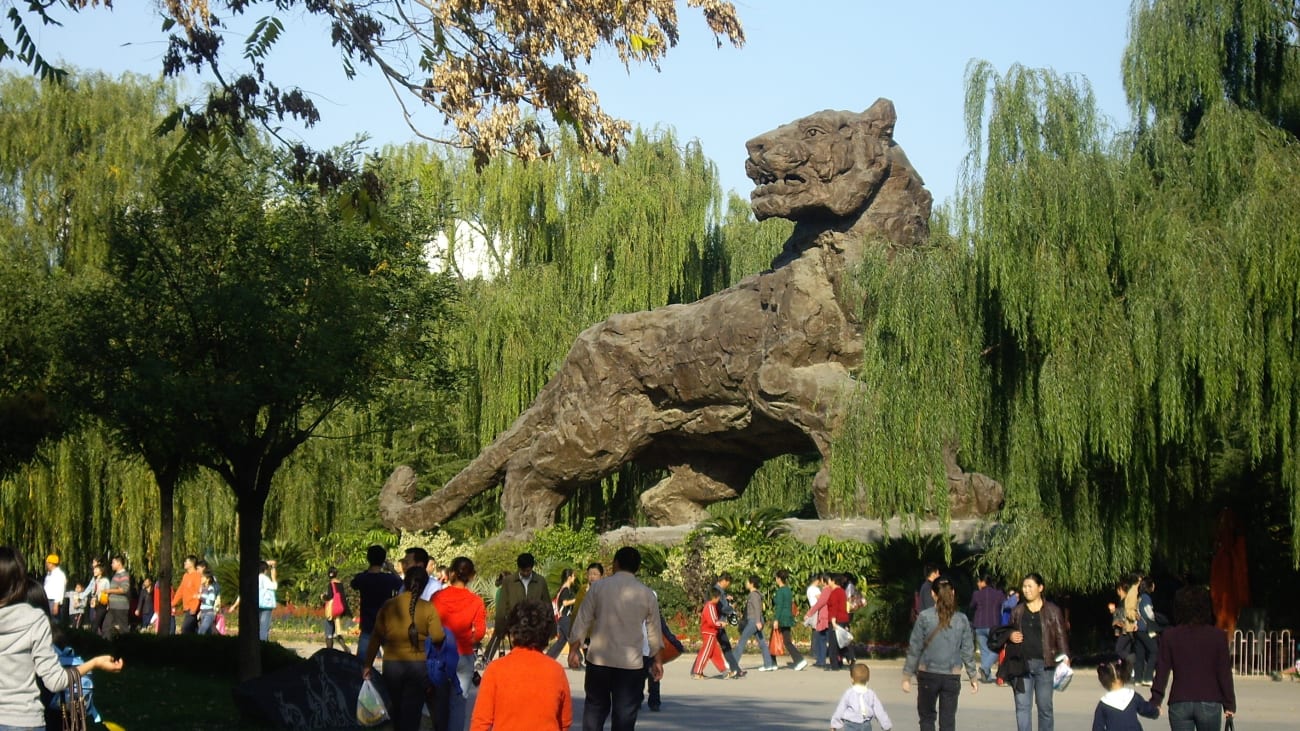
Located at No.137 Xizhimenwai Street in Xicheng District, Beijing Zoo sits in an area surrounded by modern buildings, busy roads and the constant movement of the Chinese capital.
Outside the entrance, Beijing looked exactly as expected: crowded, fast and highly developed. Cars moved along busy streets, people rushed to their destinations and tall buildings dominated the skyline.
But after passing through the zoo gates, the city seemed to disappear.
The sounds of traffic were replaced by birds singing, children laughing and the movement of animals. Trees, lakes, gardens and green spaces created a completely different environment.
It did not feel like entering an ordinary zoo. It felt like entering a small wildlife city inside a giant modern capital.
Visitors moved along wide pathways connecting different sections of the park. Families walked with children, students took notes, tourists carried cameras, and researchers observed animals closely.
Because of its size, electric vehicles transport visitors across different areas, making it easier to explore the large space.
Modern facilities, information centres and digital systems have also transformed the visitor experience. In some areas, intelligent service robots attract attention by providing information and interacting with guests.
A zoo the size of a small town
One of the first things visitors notice is the size of Beijing Zoo.
The zoo covers approximately 80.05 hectares, an area equivalent to more than 110 football fields.
Walking from one animal section to another can take several minutes, and some areas are more than a kilometre apart. A visitor who wants to explore everything needs comfortable shoes and enough time.
“I am tired, but I hardly notice it because I am seeing so many new things here. In my home country, we do not have anything like this. Even seeing a fox was a great experience for me,” said Olivia Edward, a Mauritian journalist visiting the zoo.
“This is one of the best experiences I have ever had. It is amazing to see bears and pandas just a few centimetres away from me,” she added.
The size of the zoo allows different animals to have specially designed spaces, while visitors experience something closer to exploring a wildlife park rather than simply walking between cages.
A 120-year journey from a small experiment
Beijing Zoo’s story began in 1906, during the late Qing Dynasty.
At that time, the area was created as an agricultural experimental centre outside Xizhimen. It focused mainly on agricultural studies, plants and animal observation.
The original facility was very small, covering about 1.5 hectares.
Few people could have imagined that the small experiment would eventually become one of China’s most recognised centres for wildlife conservation.
After the establishment of the People’s Republic of China, the institution continued expanding and was officially named Beijing Zoo in 1955.
Over more than a century, it transformed from a place where people came only to see animals into a centre involved in animal protection, scientific research and environmental education.
Today, it represents a unique example of conservation taking place in the middle of a major city.
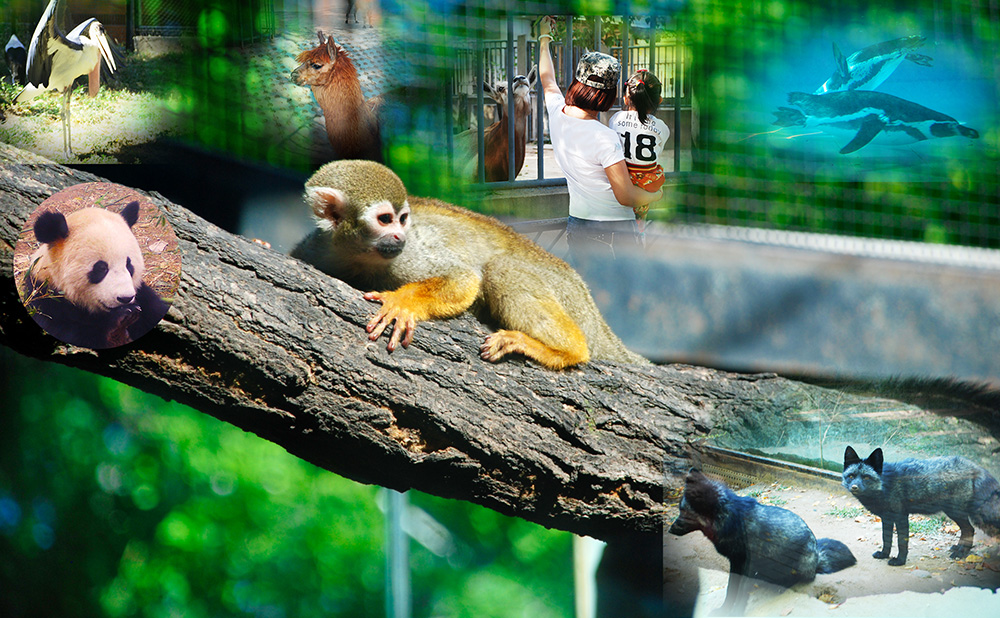
According to Beijing municipal information, Beijing Zoo is home to more than 5,000 animals representing around 400 species.
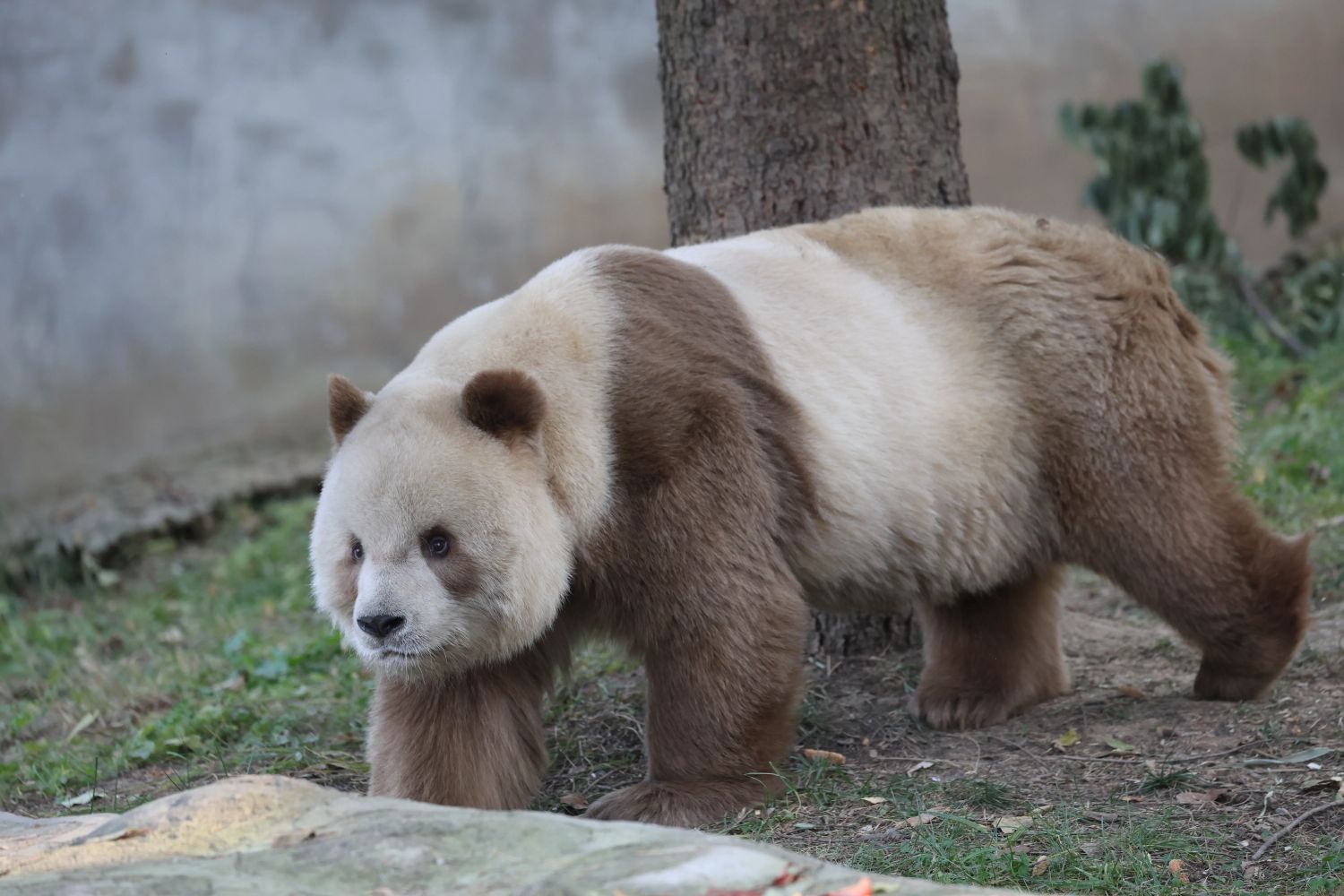
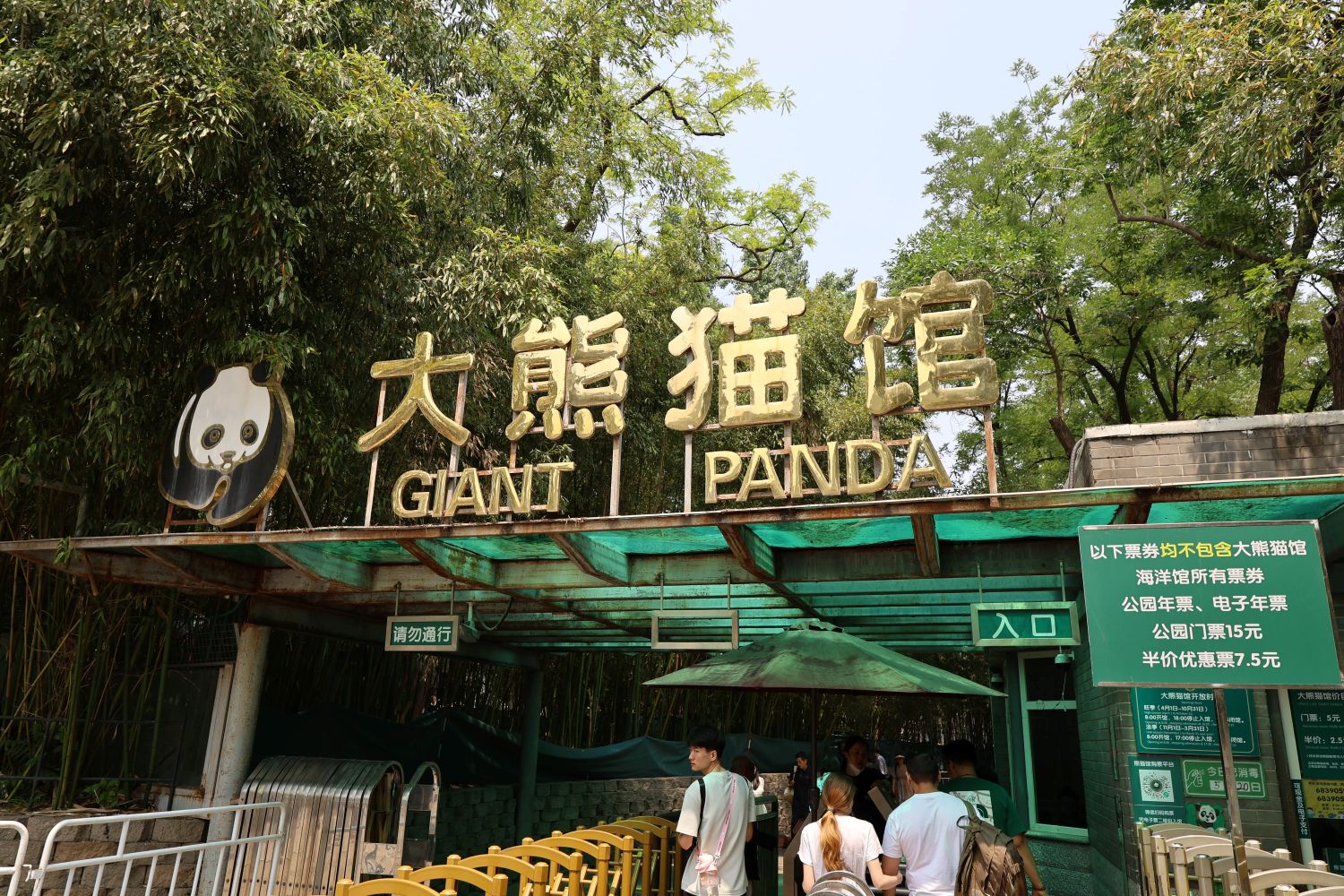
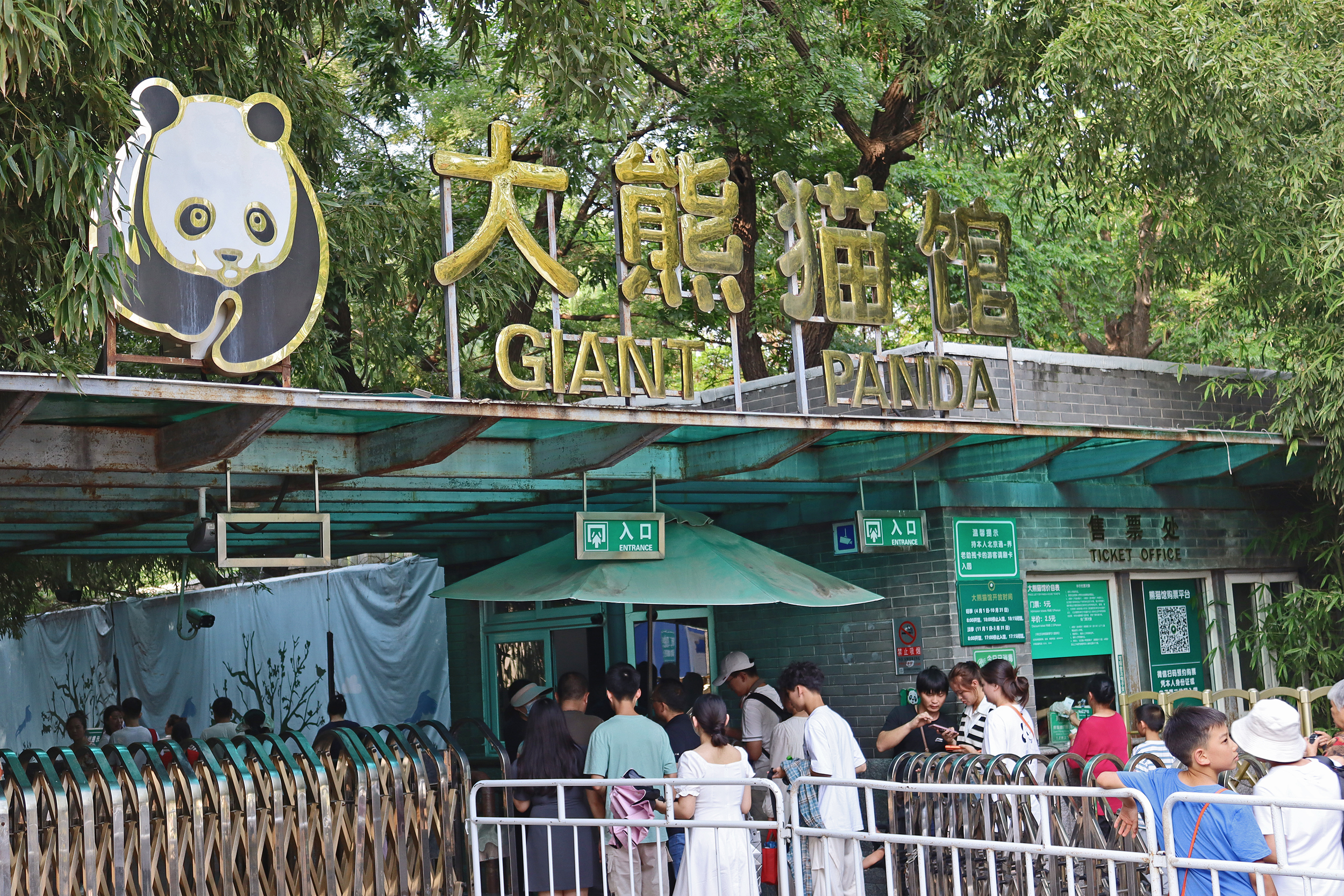
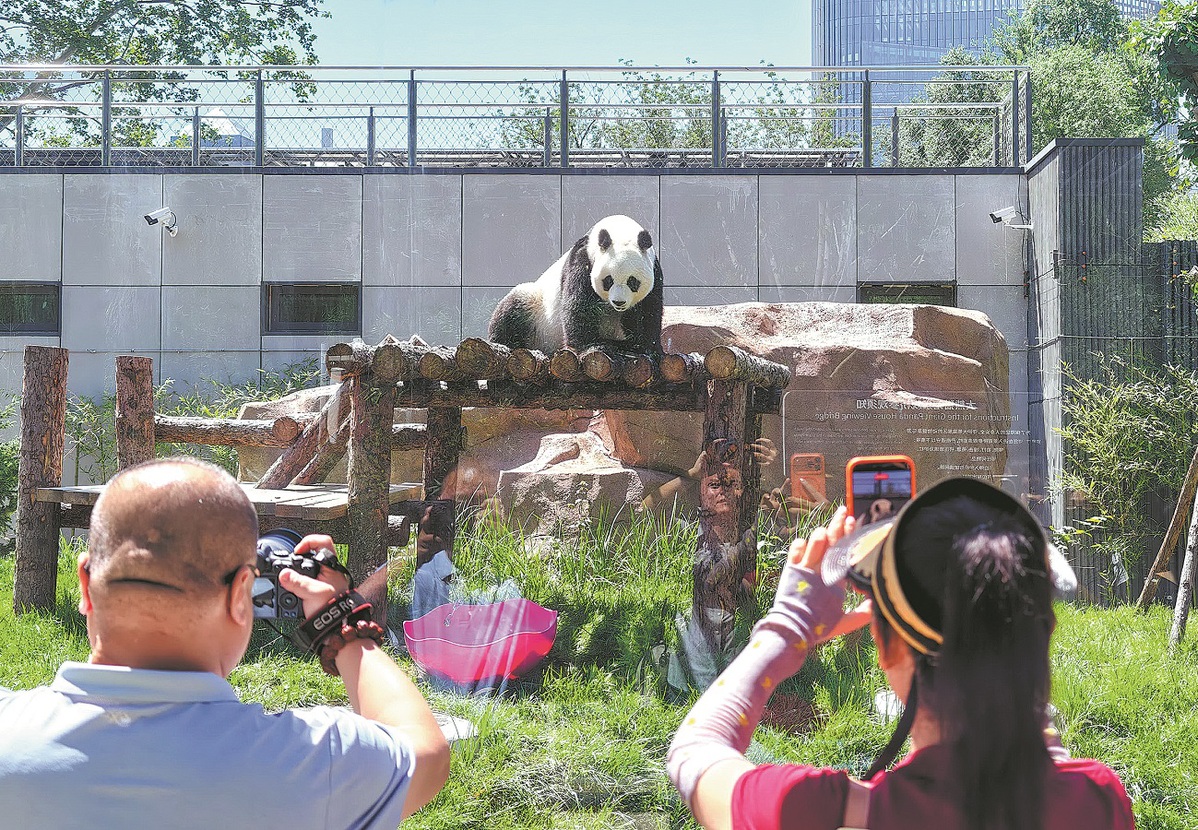
The most famous residents are the giant pandas, animals that have become a global symbol of China’s wildlife protection efforts.
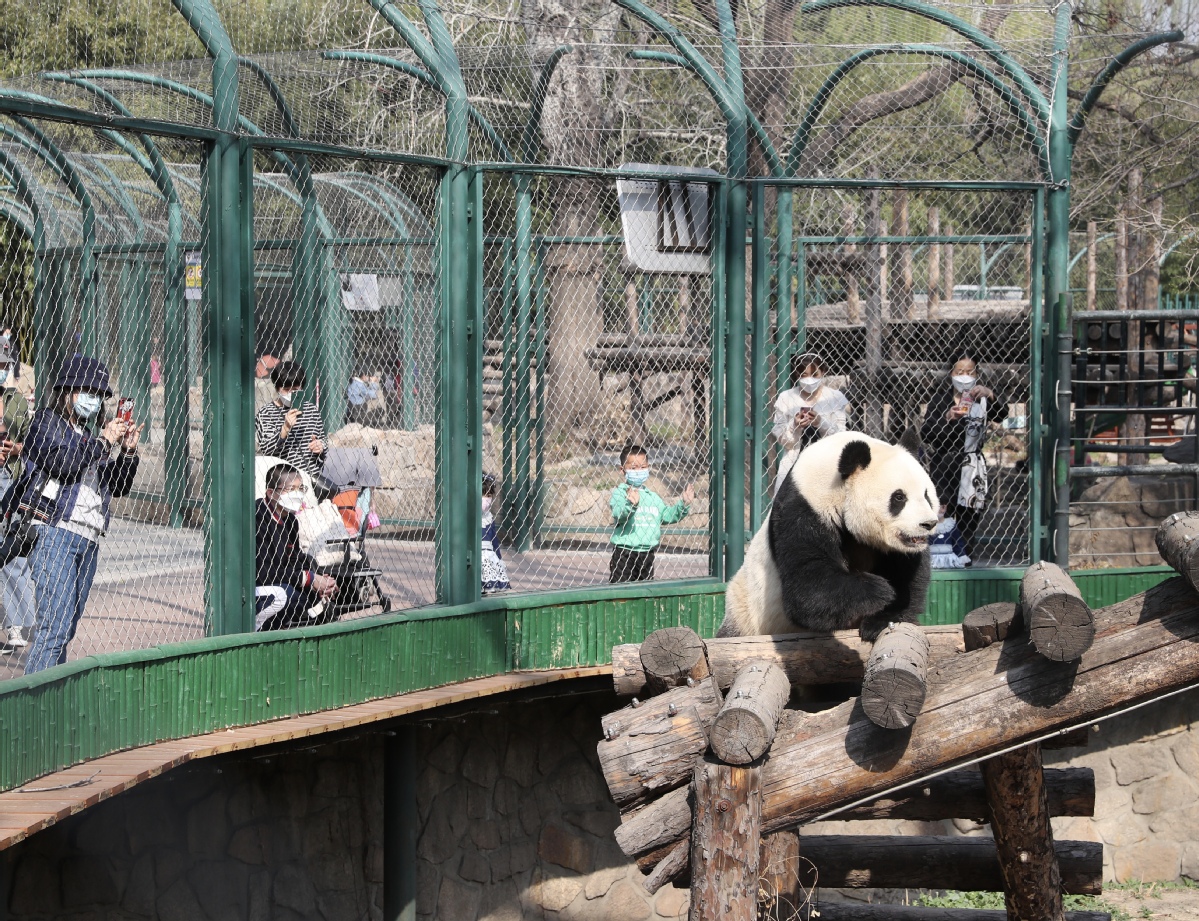
Inside the panda houses, visitors can watch these rare animals spend much of their day eating, climbing and resting.
Their lifestyle is surprisingly simple. Because bamboo provides limited energy, pandas must consume large amounts of it every day to survive.
Watching a panda slowly chewing bamboo while hundreds of visitors quietly observe creates one of the zoo’s most memorable moments.
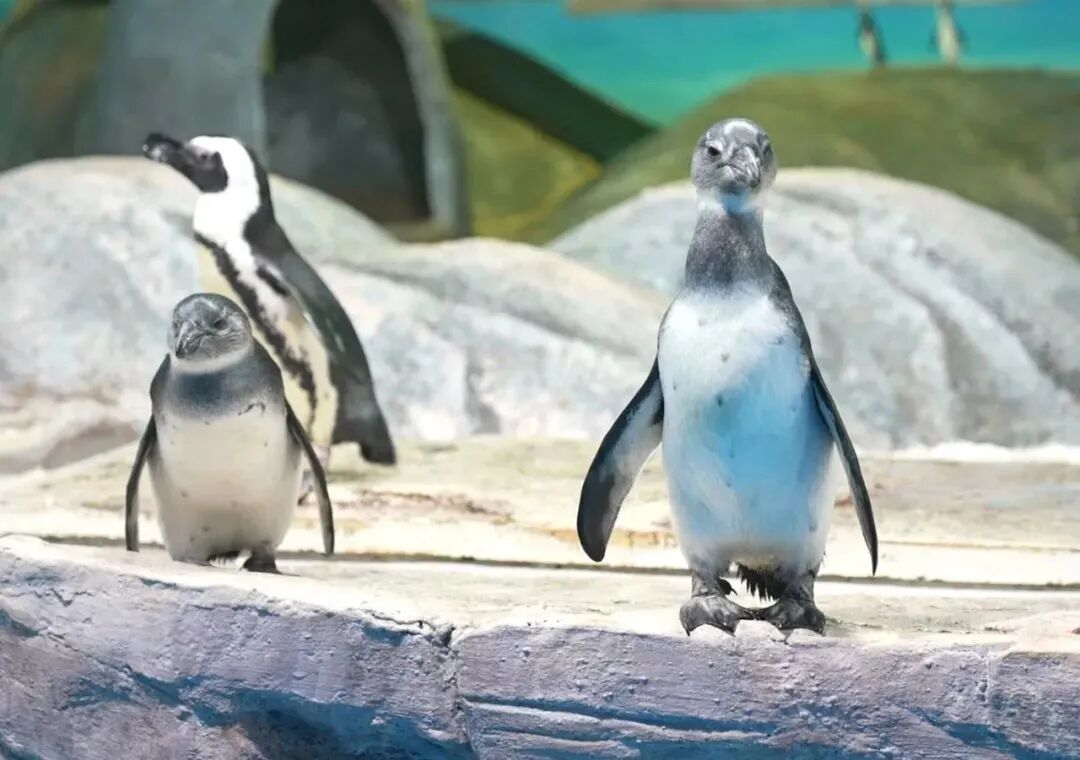
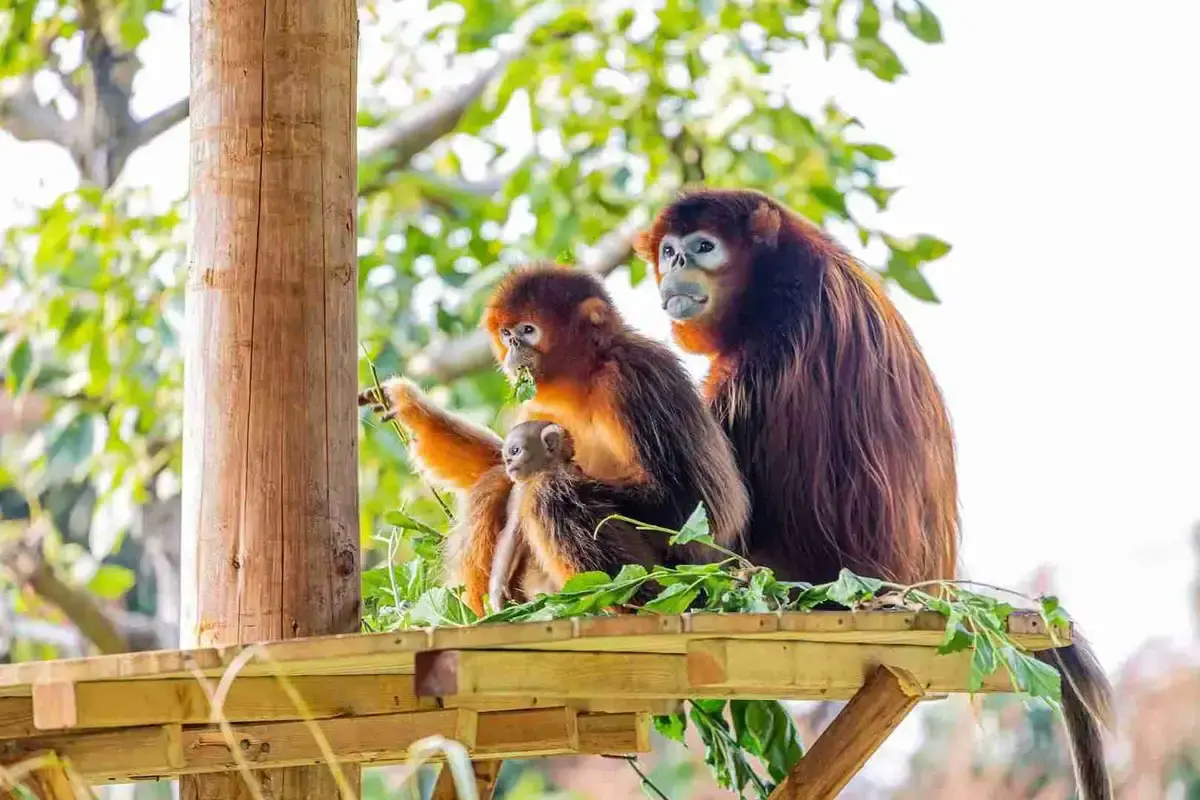
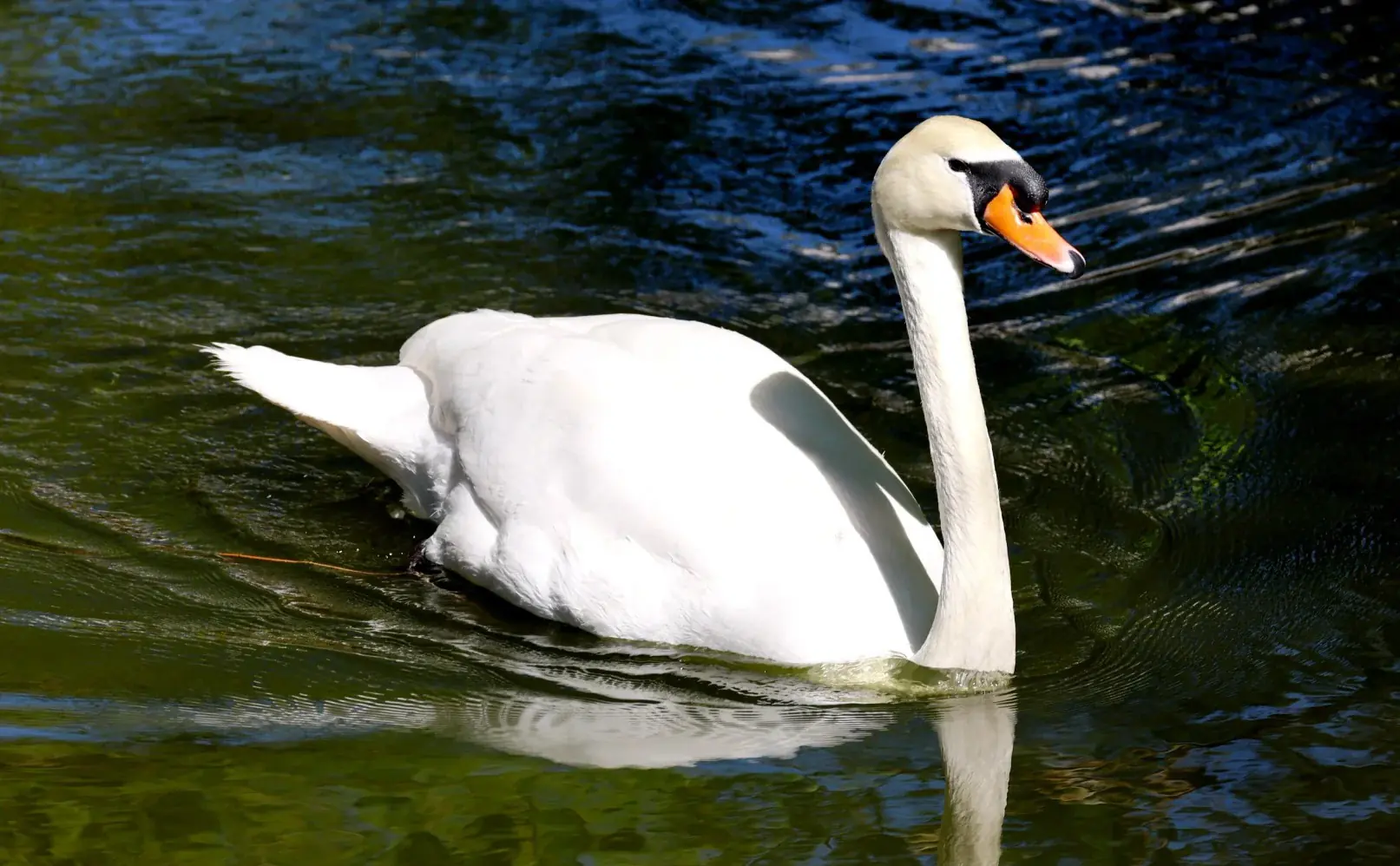
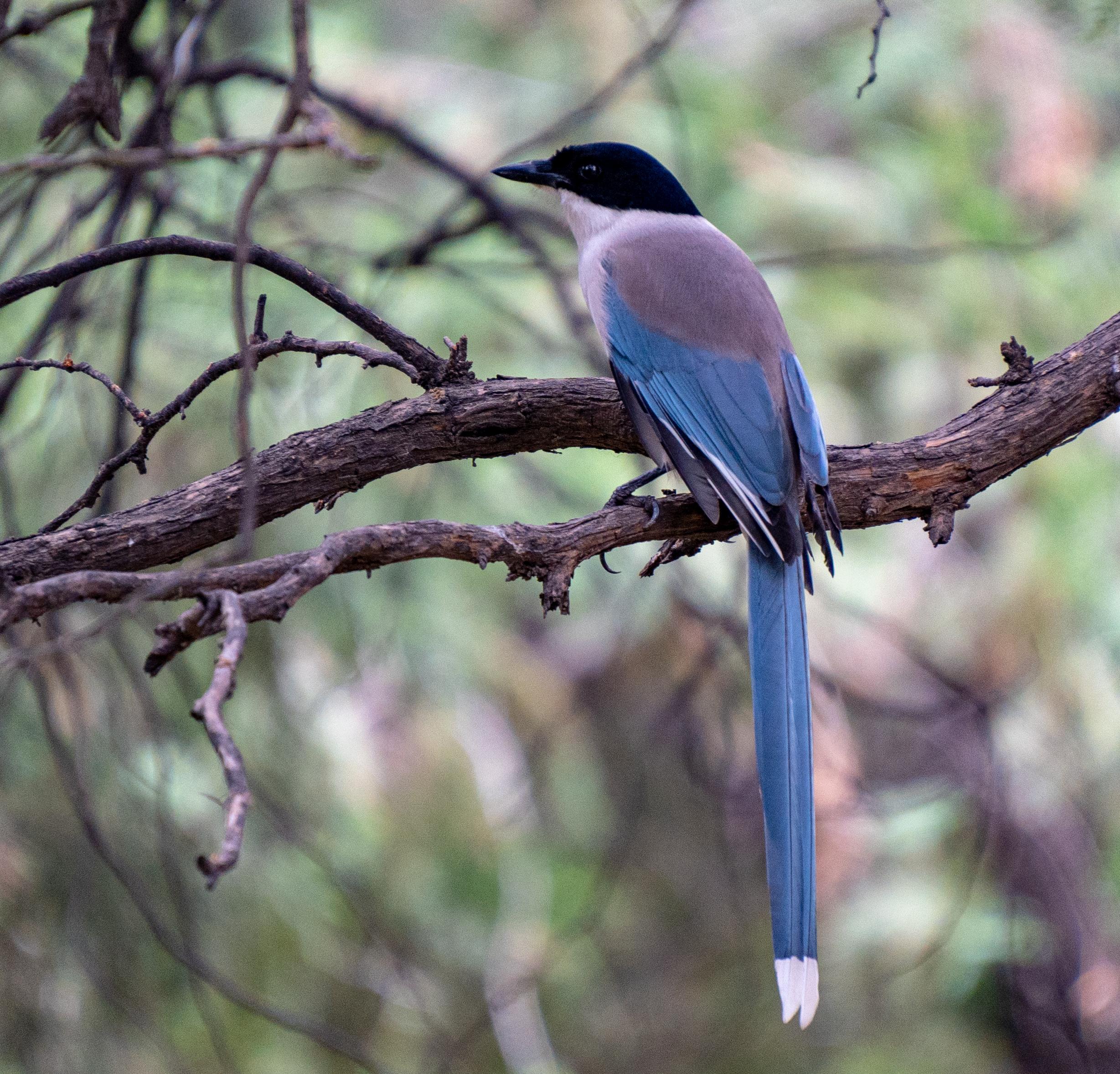
Beyond pandas, the zoo is home to lions, tigers, elephants, giraffes, golden monkeys, red pandas, penguins, reptiles and many bird species.
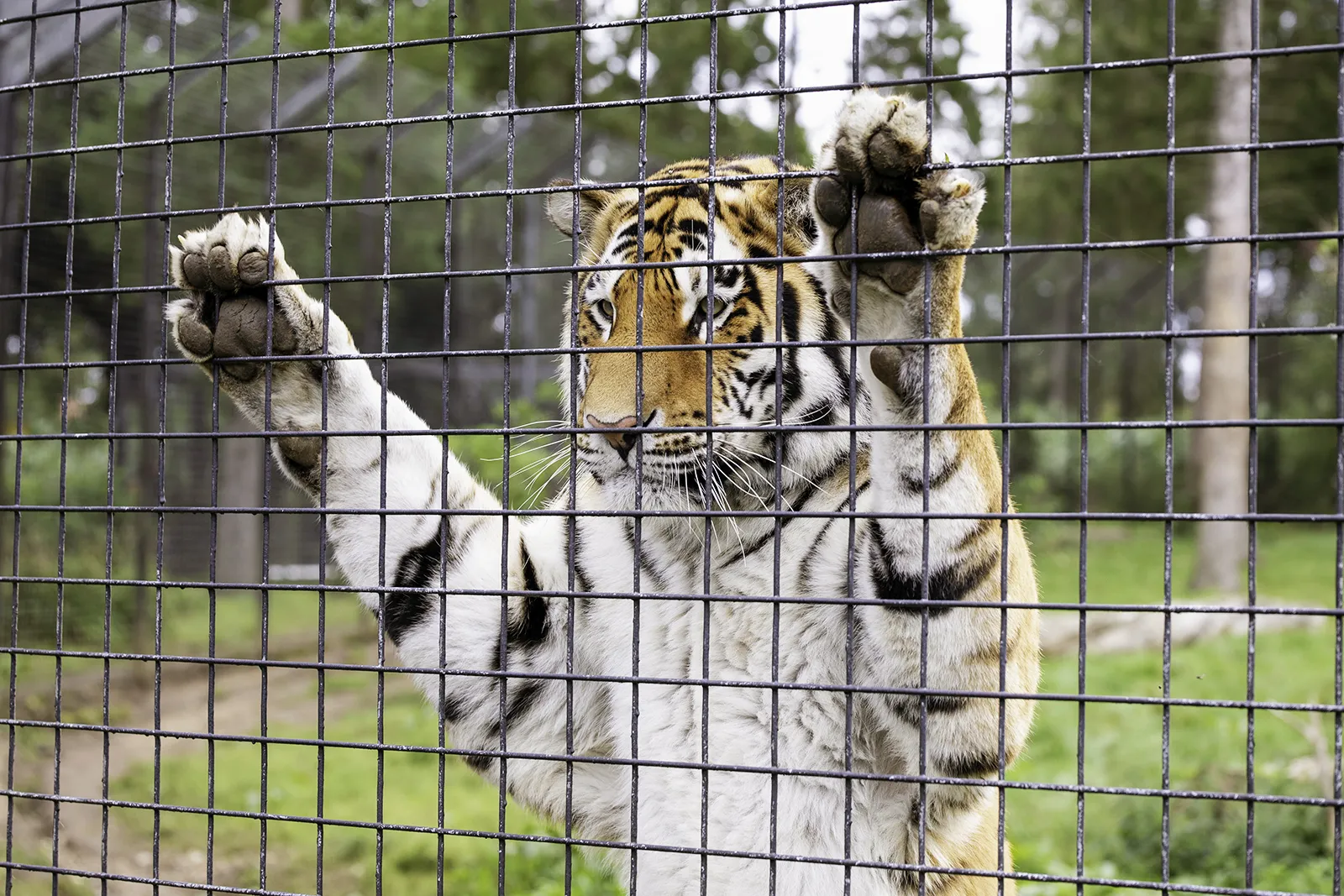
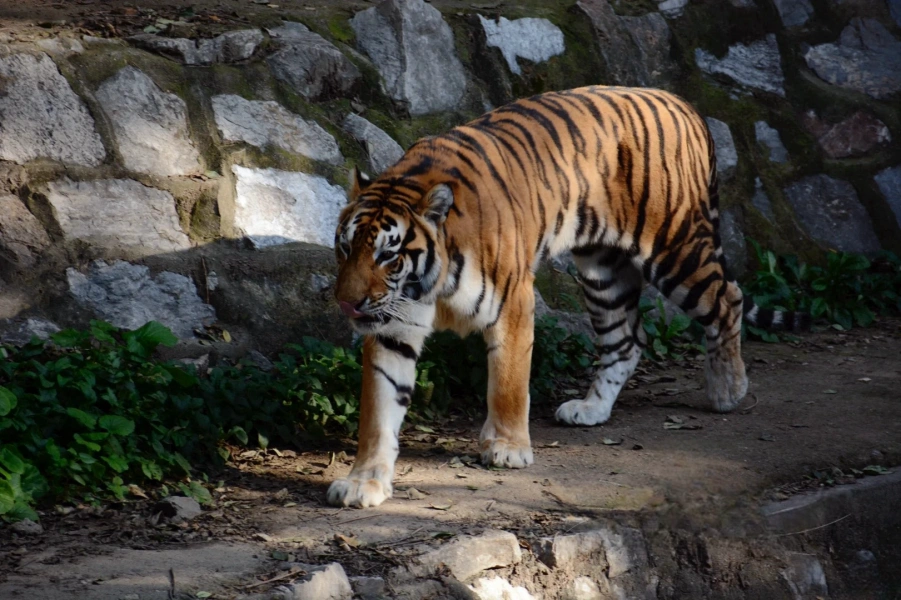
The Lion and Tiger Mountain area, established in 1956, recreates a mountain-like environment for animals including African lions, white lions, Bengal tigers and Siberian tigers.
The bird section is another impressive area, displaying species such as eagles and vultures that many people normally only see through documentaries.
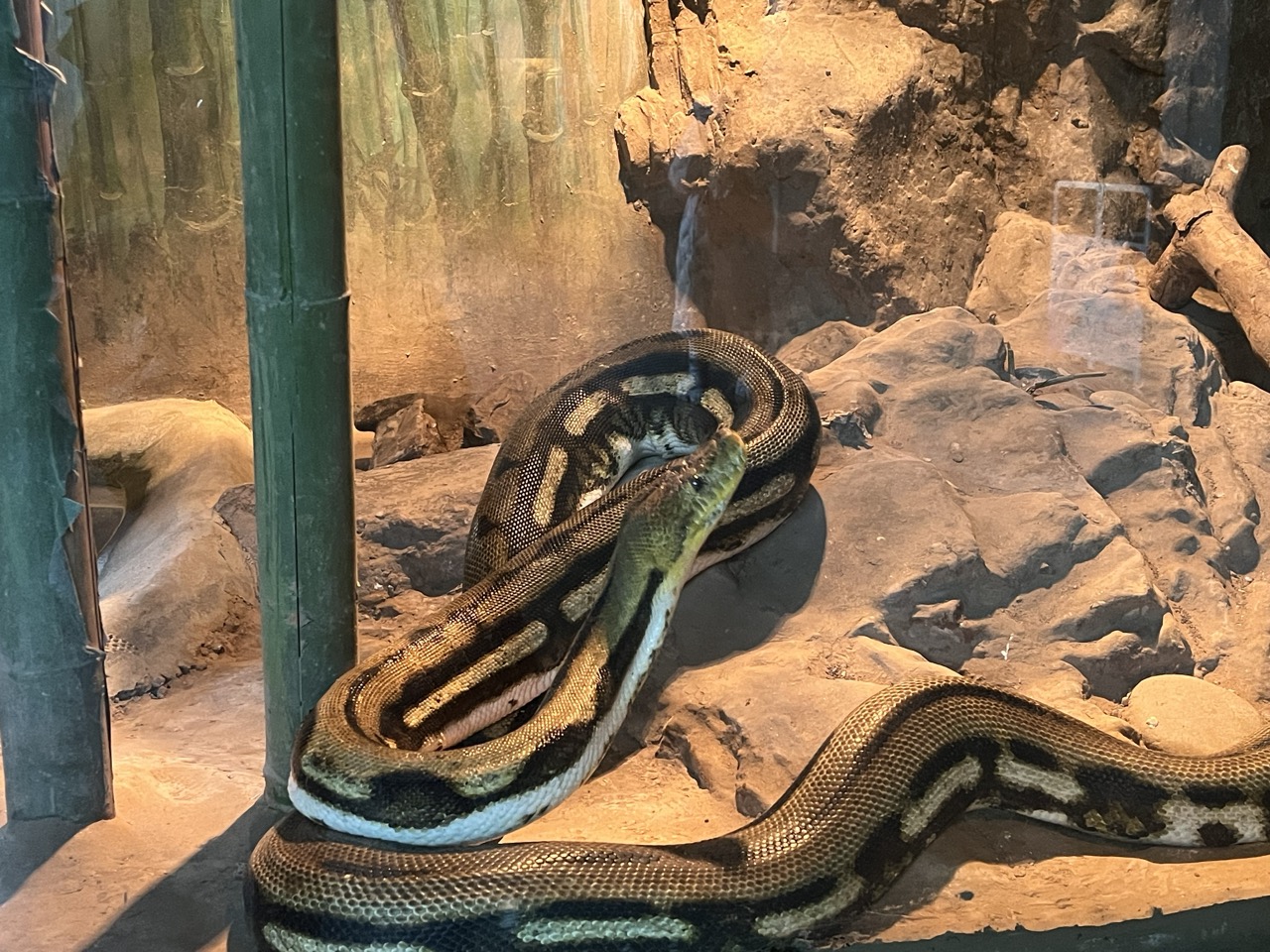
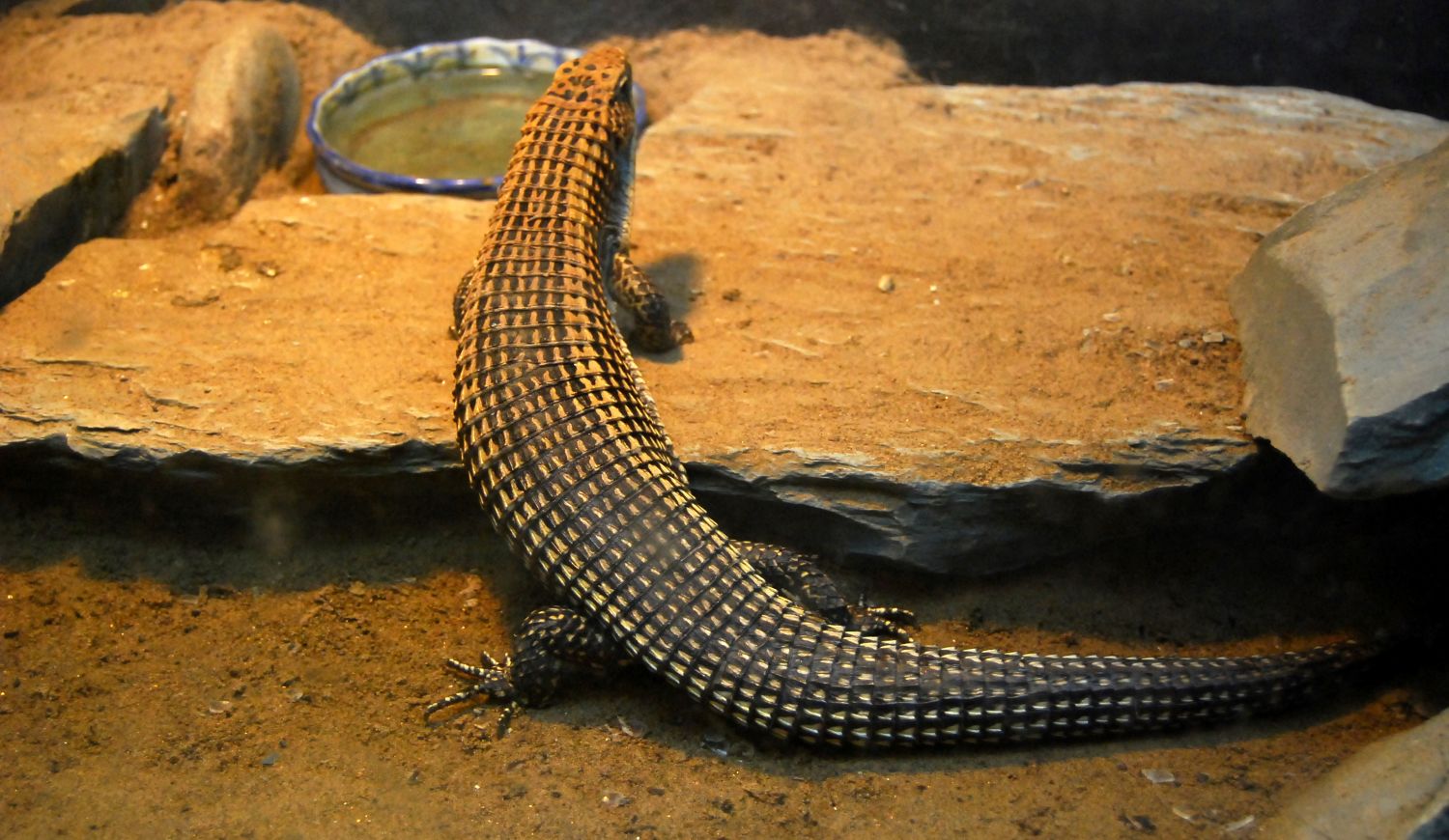
The reptile houses offer another fascinating encounter, where visitors can see snakes and other creatures that are often misunderstood but play important roles in ecosystems.
Beijing Zoo is not only an attraction. It also functions as a centre for research and education.
Experts study animal behaviour, breeding, health and conservation methods to support the protection of endangered species.
For many children, the zoo becomes their first real connection with wildlife.
Instead of only learning about animals from books, they can watch them move, feed and interact with their environment.
The experience creates curiosity and helps younger generations understand why protecting nature matters.
Beyond conservation, Beijing Zoo also contributes to the city’s tourism economy. It attracts around 9 million visitors annually, bringing millions of people into the area every year.
Visitors support not only the zoo but also nearby restaurants, transport services, hotels and shops.
Ticket prices remain relatively affordable. General admission is around 15 yuan, while combined tickets that include the Panda House cost about 19 yuan during peak periods.
If nine million visitors each paid the basic 15-yuan (about 3,000 Rwandan francs) ticket price, the estimated ticket revenue would reach about 135 million yuan (about Rwf30 billion) annually. This does not include additional income from restaurants, shops, special exhibitions and other services.
Walking back through the green pathways, watching children excitedly describe the animals they had seen and families taking photographs, one thing became clear.
Beijing Zoo is much more than a place where humans observe animals.
Standing at the heart of one of the world’s largest cities, this wildlife kingdom shows that modern progress does not have to push nature away.
Here, ancient creatures meet modern technology, conservation meets tourism, and millions of visitors each year rediscover the extraordinary relationship between humans and the natural world.
Loading comments...
Leave a comment