



Here, modern industrial parks, research laboratories and emerging technologies exist alongside centuries-old gardens, historic neighbourhoods and waterways that remain part of everyday life.
Located in Jiangsu Province, close to Shanghai and at the heart of the Yangtze River Delta, Suzhou has developed into one of China’s major economic centres.
Founded in 514 BC, the city has more than 2,500 years of history. Over time, it has also become an important destination for investment, industrial development and international cooperation under China’s reform and opening-up policy.
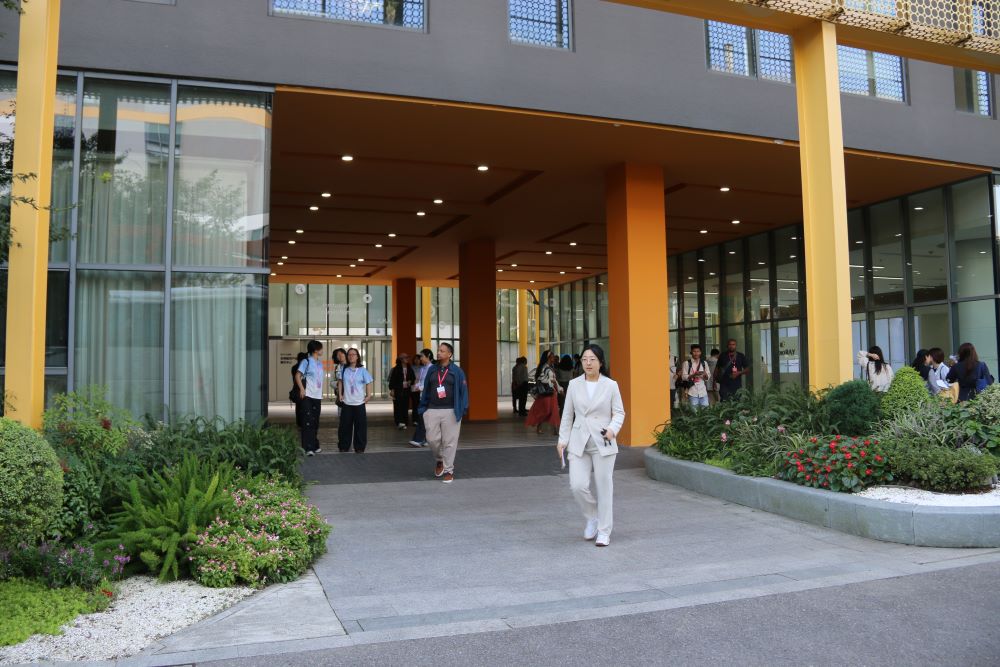
This dynamic blend of heritage and modern enterprise was recently on display for a delegation of media representatives attending the 2026 Belt and Road Journalists Forum in Jiangsu Province, who toured Suzhou to gain firsthand insight into its industrial development, technological innovation, cultural heritage, and rural life.
From international cooperation to a global innovation hub
Suzhou Industrial Park was established in 1994 through cooperation between China and Singapore. The partnership drew on Singapore’s experience in investment promotion, urban planning and public administration as China developed the park into a destination for international investment and industrial activity.
More than three decades later, the park is home to businesses operating in advanced manufacturing, research and technology.
The park is part of a wider network of industrial and innovation zones in China that support trade, investment and cooperation with international partners. Trade between China and Belt and Road partner countries reached RMB 1.27 trillion (over US$ 189) in 2025.
Suzhou is also home to BioBAY, an innovation hub specialising in biotechnology and life sciences. Established nearly two decades ago, it hosts more than 680 innovative high-tech companies and around 35,000 scientific and technological professionals. Companies based there work in areas including innovative medicines, high-end medical devices, cell and gene technologies, nucleic acid therapeutics and synthetic biology.
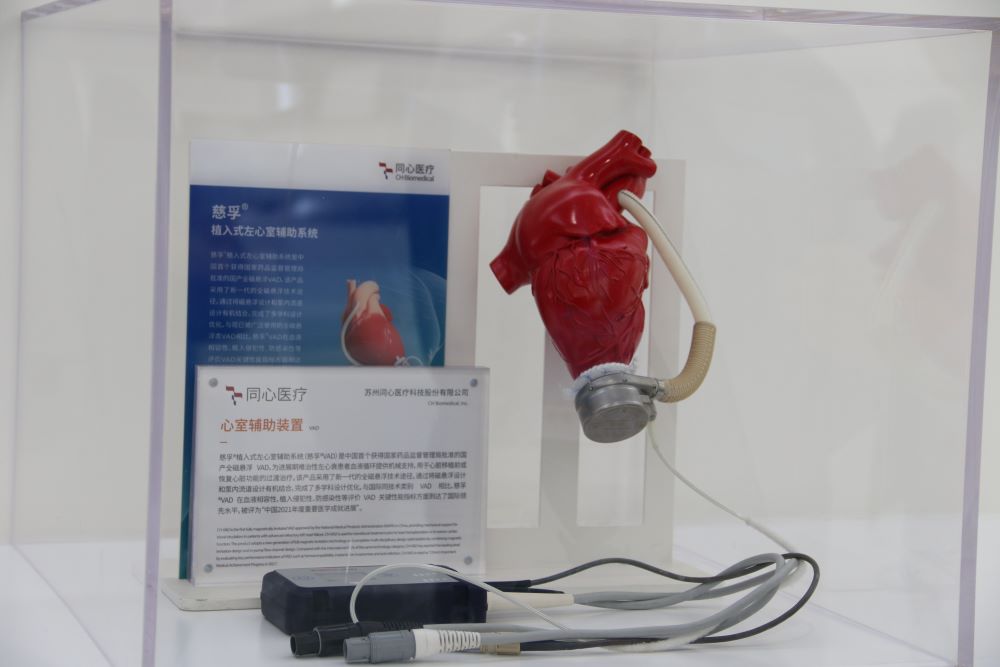
Medical technology has also advanced in ways that can have lasting effects on patients. A person who received a heart implant eight years ago is now 68 years old.
In another area of technological development, AISpeech Co Ltd specialises in conversational artificial intelligence and voice technologies. Its work includes developing systems that allow people to interact with digital devices through speech, as well as AI applications for smart homes, vehicles and smart-city services. These technologies enable devices and digital systems to respond to spoken instructions, provide information and support everyday tasks.
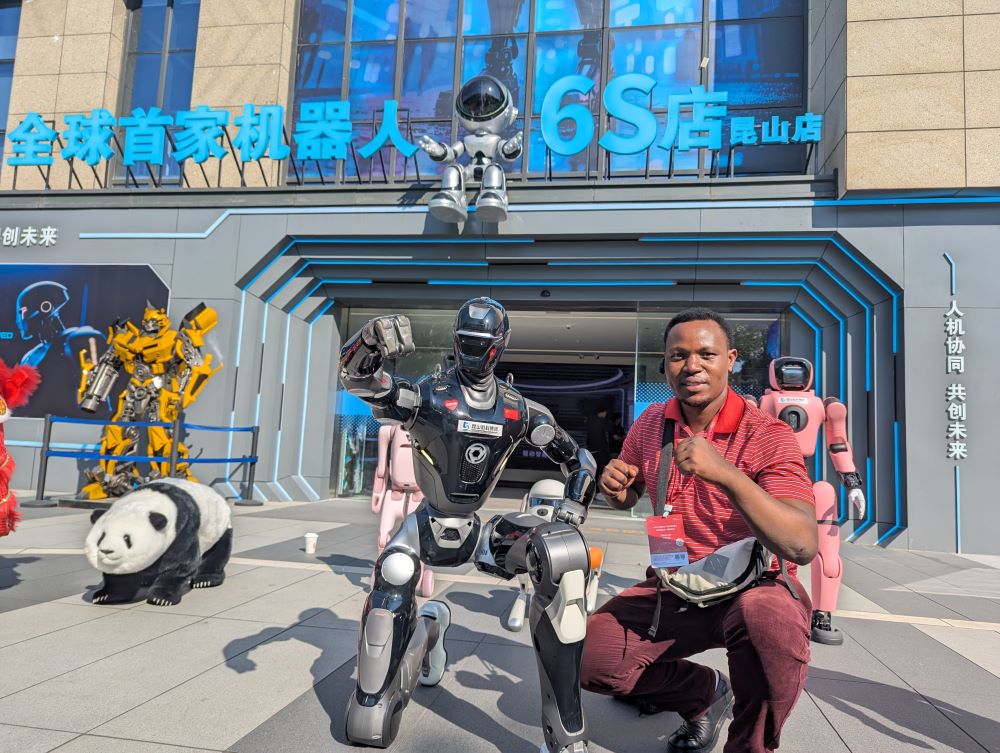
Kunshan town, which is administered by Suzhou, is home to the World’s First Robot 6S Store. Covering approximately 1,000 square metres, the facility brings together more than 100 brands and offers sales, spare parts, servicing, surveys, leasing and customised solutions.
Its product range includes humanoid robots, industrial robots, drones and other AI-related products. The store brings together product sales and services related to the selection, maintenance and use of robotic equipment.
A modern city preserving its cultural identity
Beyond its industrial parks and technology businesses, Suzhou retains a historic urban landscape shaped by canals, traditional architecture, gardens and narrow streets.
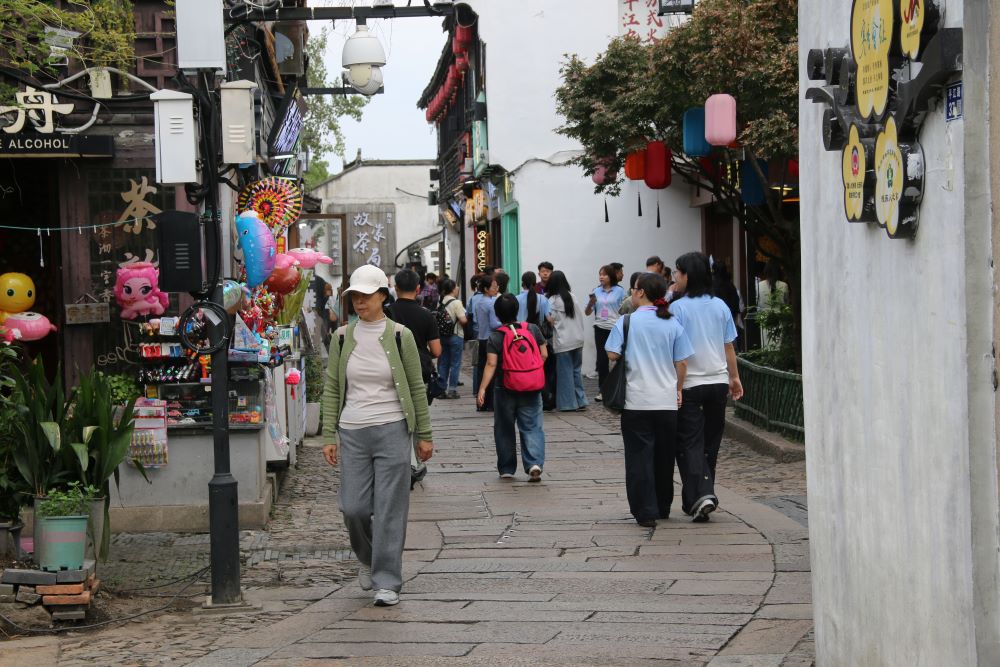
Pingjiang Road is one of the city’s best-preserved historic districts. Waterways run alongside streets lined with traditional buildings, with small bridges connecting the banks.
White walls and dark-tiled roofs give the neighbourhood a distinctive appearance. The area contains more than 100 protected heritage sites and numerous elements of Suzhou’s historic urban landscape.
Narrow lanes lead past traditional homes, small shops and waterside buildings, while boats move along the canals that have long formed part of the neighbourhood.
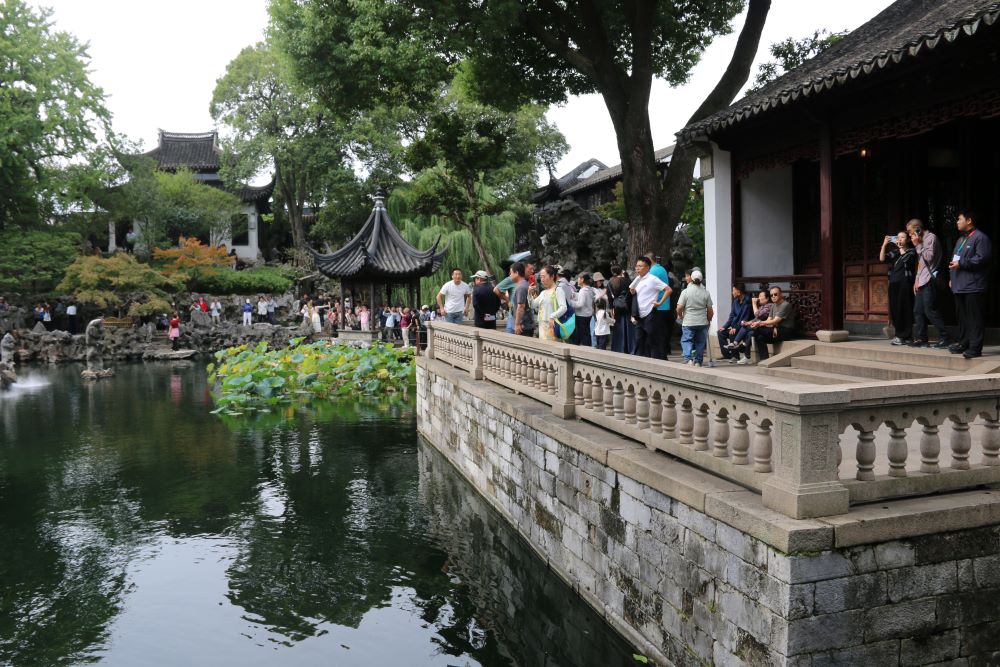
Lion Grove Garden, established in 1342, is known for its elaborate rock formations, some of which resemble lions. The garden follows traditional Chinese landscaping principles, combining rocks, pathways, plants, pavilions and water features within a carefully arranged space.
Winding passages lead visitors between tall, irregular rock formations, through narrow openings and sheltered spaces before opening onto courtyards and pavilions. Trees and other vegetation provide shade throughout the garden.
A different architectural approach can be found at the Suzhou Museum of Contemporary Art, designed by the Danish architectural firm BIG.
The complex comprises interconnected structures whose design draws inspiration from classical Chinese gardens. Its buildings, courtyards and pathways create transitions between enclosed galleries and outdoor spaces.
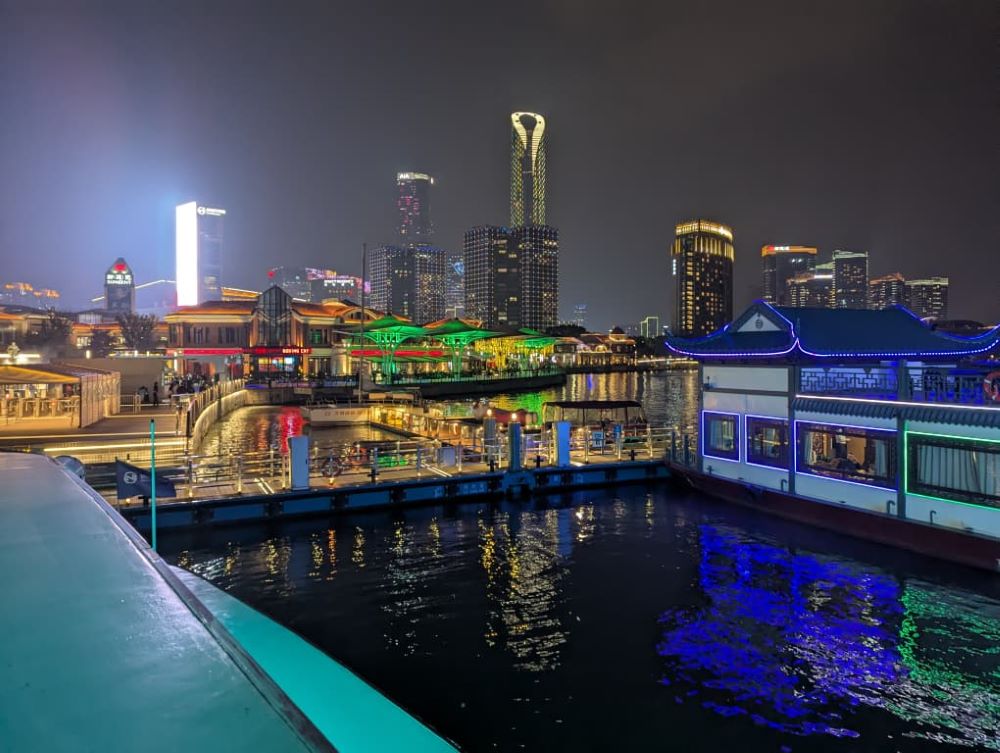
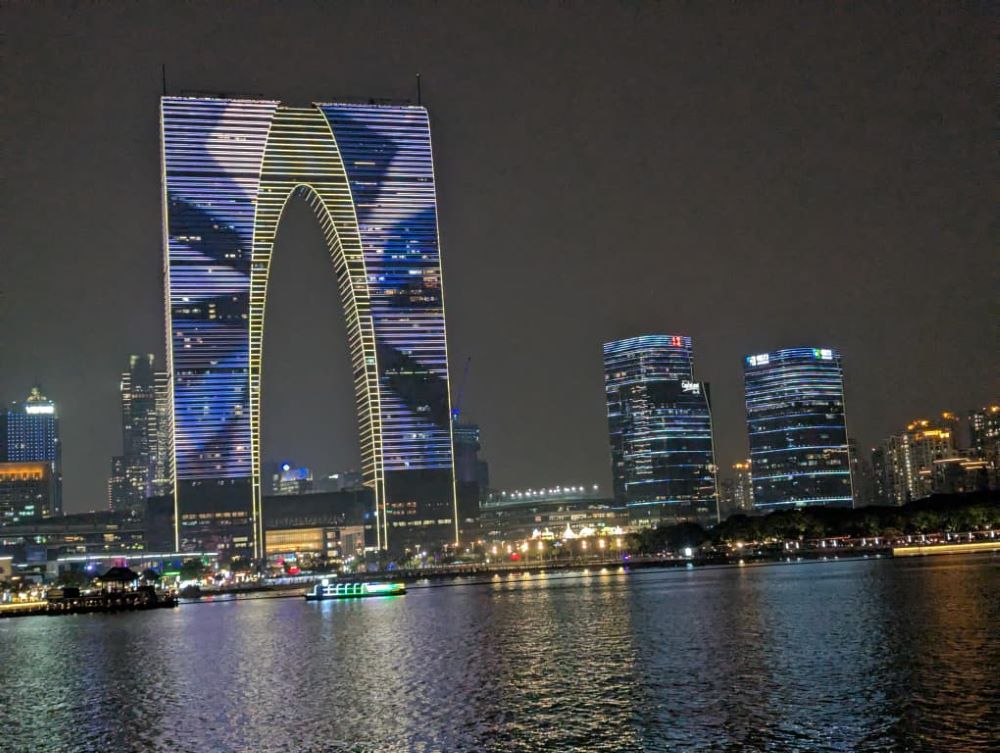
Jinji Lake is located in the central part of Suzhou Industrial Park, in eastern Suzhou. The freshwater lake covers approximately 7.4 square kilometres, while the wider scenic area extends across about 11.5 square kilometres. Its waterfront is surrounded by commercial buildings, cultural facilities, hotels and public spaces.
The area includes the Suzhou Culture and Arts Centre, Suzhou International Expo Centre and Suzhou Jinji Lake International Convention Centre. Other landmarks include the Oriental Gate, Suzhou Center, Eslite Bookstore and Ligong Causeway, a waterfront promenade lined with restaurants and other businesses.
Walking paths connect sections of the lakeside, offering views of the water and the surrounding skyline. The area also accommodates exhibitions, cultural performances, sporting events and other public activities, alongside shopping, dining and recreational facilities.
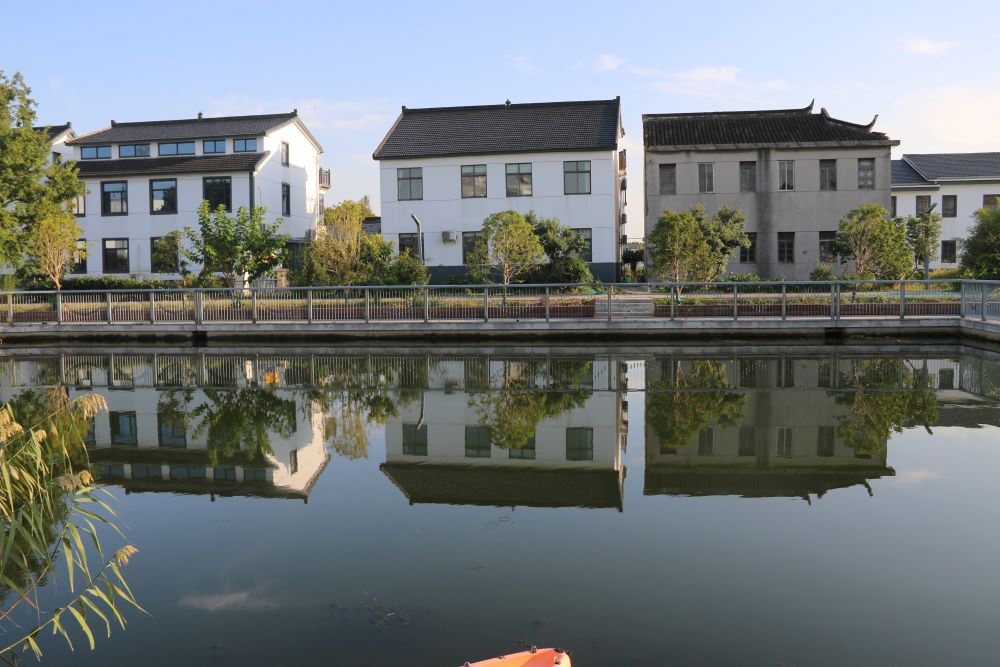
Rural life is another part of Suzhou’s landscape. Shangmingdian Village, located in Zhangpu Town in Kunshan, combines traditional agricultural activities with efforts to develop rural tourism and new business opportunities.
Farmland, waterways and village settlements form part of the local landscape, while crop cultivation remains an important aspect of rural livelihoods. Agricultural development initiatives in the area include improvements to farmland and village infrastructure, alongside activities involving agricultural production, countryside recreation and tourism.
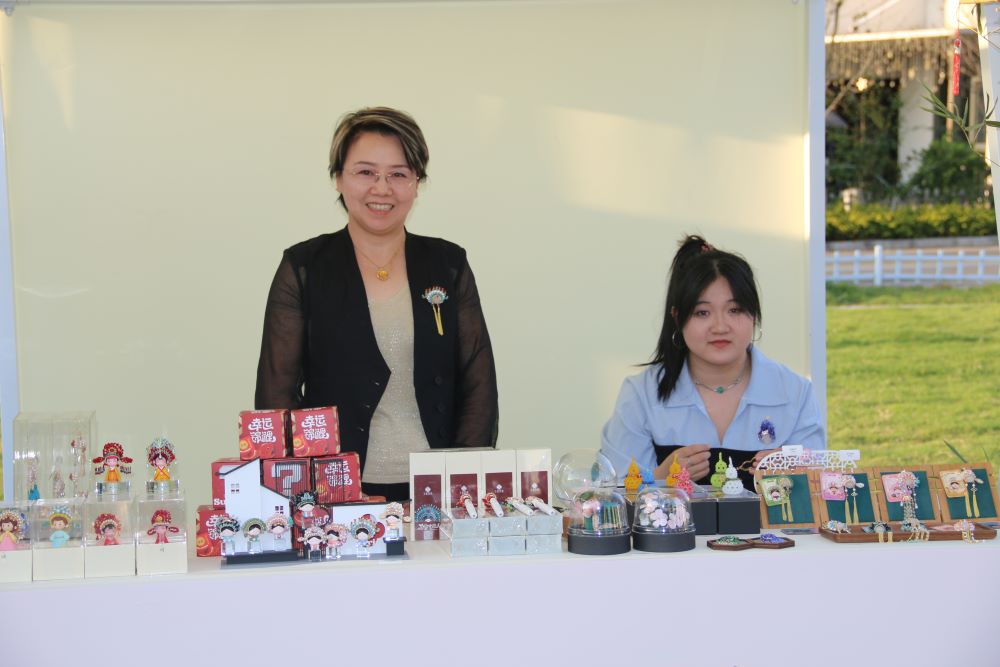
The village’s development also involves finding new uses for existing spaces and encouraging businesses associated with cultural tourism, creative industries and innovation. Such activities take place alongside farming and other established rural pursuits, providing additional avenues for local economic activity.
Across Kunshan town, rural tourism initiatives connect villages, agricultural landscapes and traditional settlements, giving visitors opportunities to explore areas beyond the main urban centres.
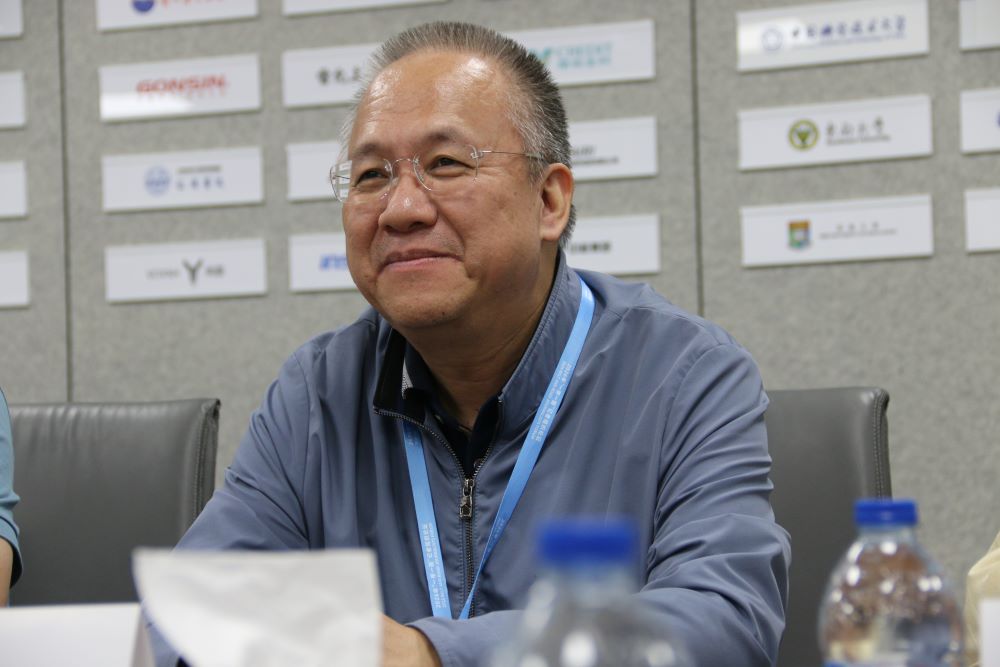
During a briefing for the visiting journalists, Dr. Zheng Changzong, Director of the Research Center for Party Building and National Development at Fudan University, described Suzhou as a live example of how international cooperation extends beyond industrial growth to shared human progress.
Reflecting on history, ancient Silk Road trade, and collective responsibility, Dr. Zheng emphasized that real progress in an interconnected world is built on mutual support rather than zero-sum competition.
"We live on the same planet, and our lives are interconnected. If I want to live well, I should also hope that you can live well. The objective should be to create opportunities for countries to develop together, rather than treating development as a process in which one country's progress must come at the expense of another."
Loading comments...
Leave a comment