



Covering nearly 10,000 kilometres from Kigali through Addis Ababa to Beijing, the trip was made possible by my media house, IGIHE, which gave me the opportunity to travel, learn and share the experience with readers. Journalism lets us report from a distance, but some realities only make sense firsthand.
Leaving Kigali for the unknown
At Kigali International Airport, everything felt unfamiliar but exciting. Boarding the Ethiopian Airlines flight, I watched the safety demonstration and felt the aircraft accelerate down the runway, small routines to frequent flyers, but unforgettable to me.
As we climbed, Rwanda shrank beneath the clouds. During the roughly four-hour flight to Addis Ababa, meals were served while I sat thousands of metres above the ground, watching the flight map to track our progress across the continent. Around 9:00 PM, the pilot announced our descent into Addis Ababa.
Addis Ababa Bole International Airport revealed the scale of international travel, with passengers from many countries, staff assisting travellers and screens listing destinations across Africa, Asia, Europe and beyond.
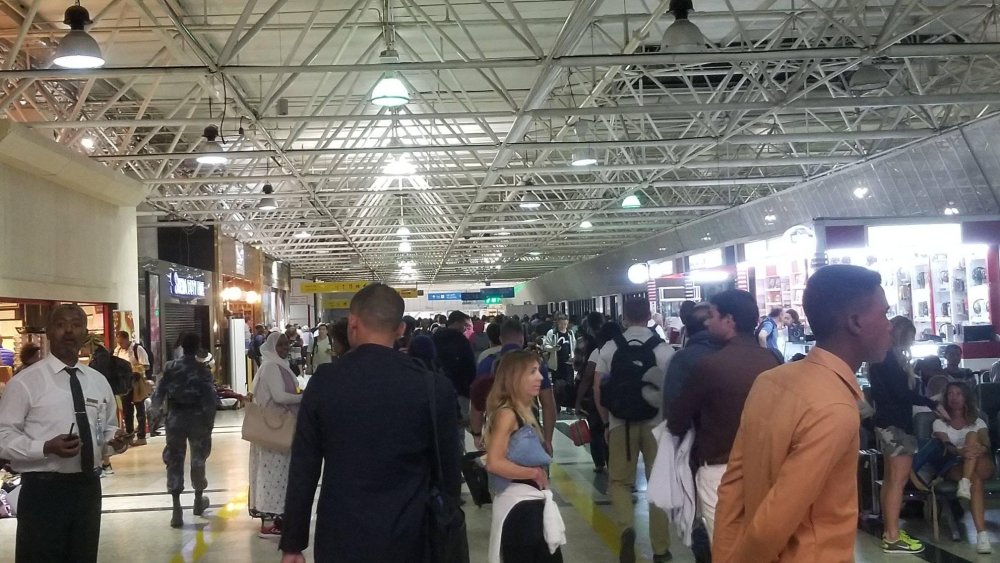
Finding my connecting flight was difficult in an airport far larger than anything I'd experienced, but I followed signs and asked for help until I found my way. It struck me that airports aren't just transit points, they're where cultures and journeys intersect. Everyone around me was headed somewhere different. Mine was Beijing.
Eleven hours to the other world
The Addis Ababa–Beijing leg, roughly 11 hours on an Airbus A350, a long-haul aircraft that can carry more than 300 passengers, was a different kind of experience altogether. Seeing hundreds of people travelling together inside one machine reminded me how far human innovation has come.
Around me, passengers slept, watched movies or tracked our progress on the map; for me, it was a moment of reflection, leaving Africa by air toward a country of more than 1.4 billion people and one of the world's largest economies. As we approached Beijing, the city slowly revealed itself through the window, with vast roads and buildings stretching further than I had imagined.
Entering China's scale
Beijing Capital International Airport felt like a city in itself. My first challenge wasn't its size but finding my way through it. Immigration involved electronic forms, new to me, and demanded patience; guidance beforehand from my friend Liu Qingxia at the Chinese Embassy in Rwanda helped me prepare.
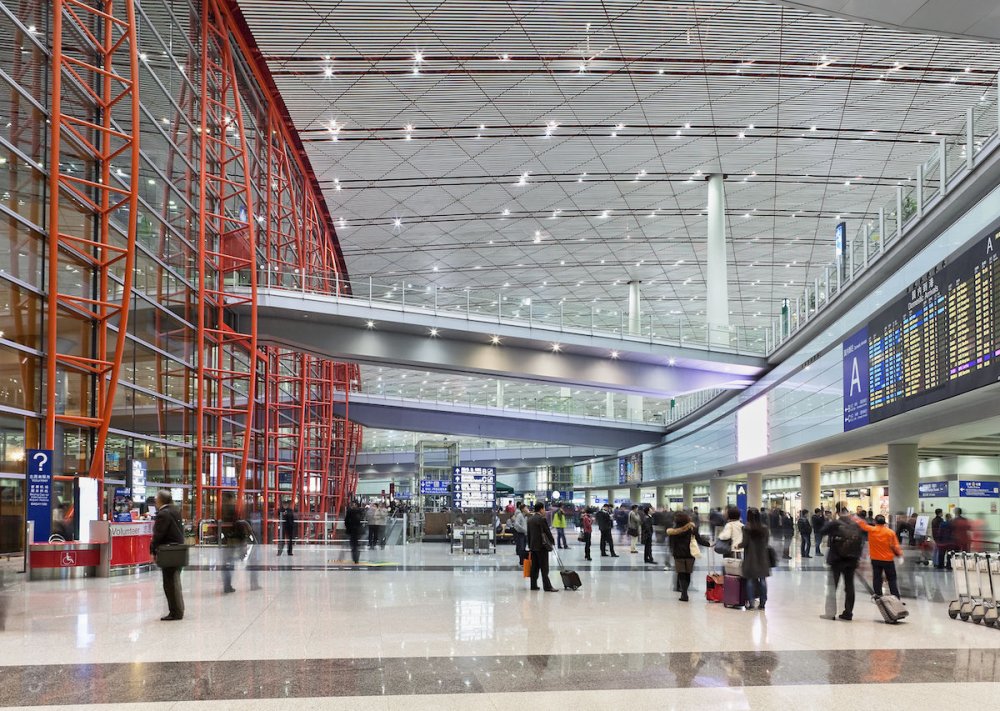
Even collecting luggage, on a continuously moving conveyor system, became a small adventure in its own right, one new experience after another.
Discovering China through CIPCC and Renmin University
My journey continued to Renmin University of China, where I joined the 2026 China International Press Communication Centre (CIPCC) program, bringing together 98 journalists from 90 countries across Africa, Asia-Pacific, Europe, Latin America and the Middle East.
Organised by the China Public Diplomacy Association under China's Ministry of Foreign Affairs, the program let journalists learn about China's development and global engagement through direct experience. I'm grateful to CIPCC's leaders and the Chinese government for creating this platform, and to Renmin University, founded in 1937 and renowned in economics, law, social sciences and humanities, for hosting us.
Beijing: A city built around technology
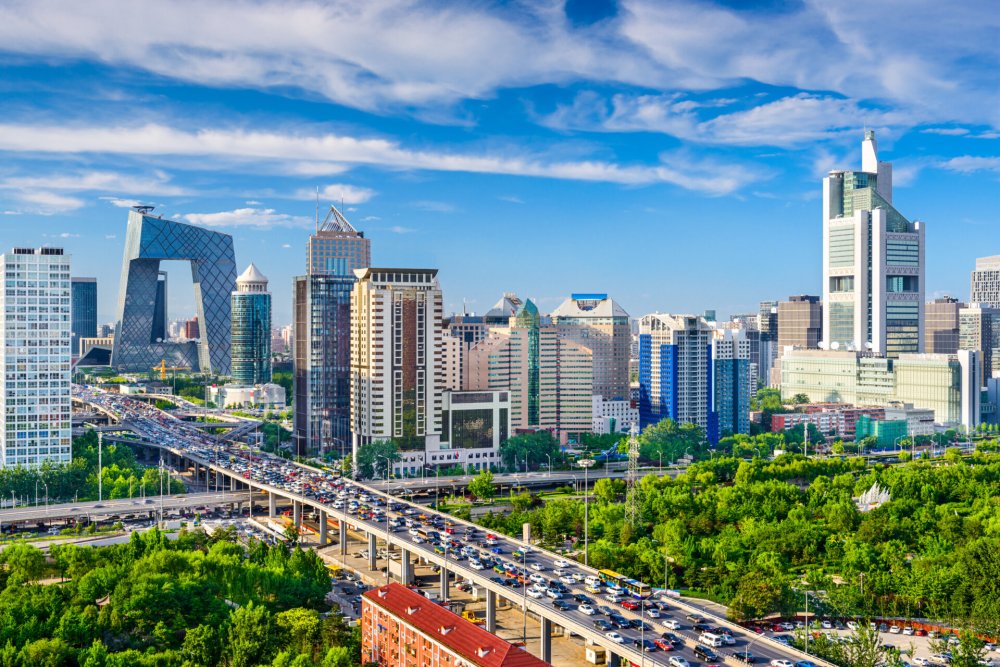
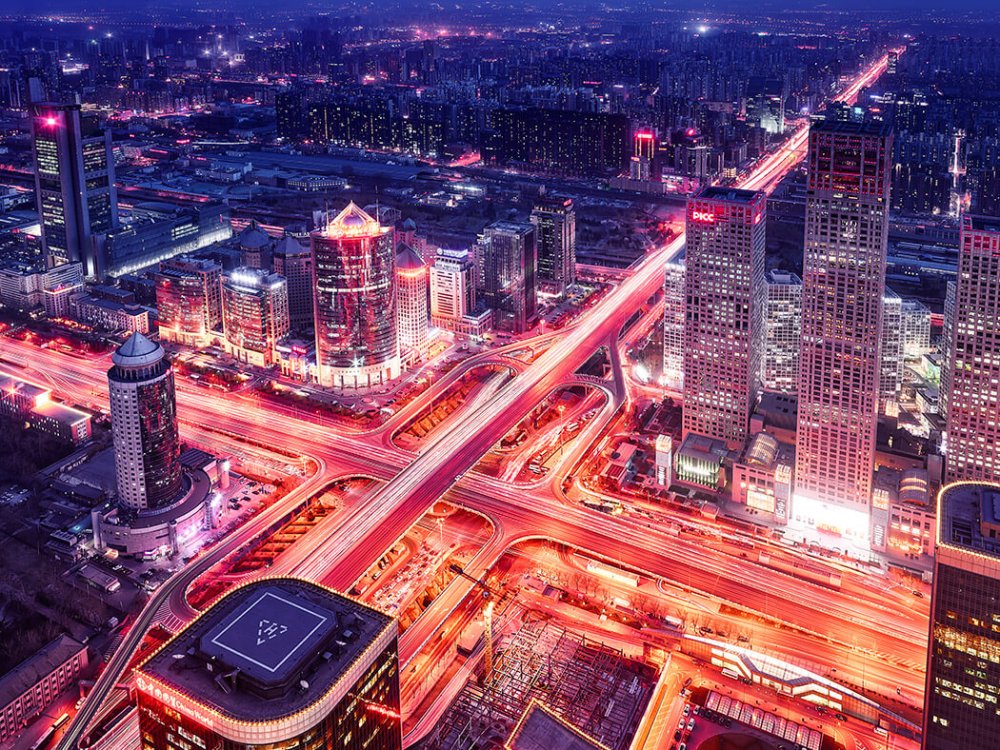
Moving through Beijing's streets gave me my first direct impression of China's development. Beyond being China's political centre, it is a global hub where technology, education and business converge.
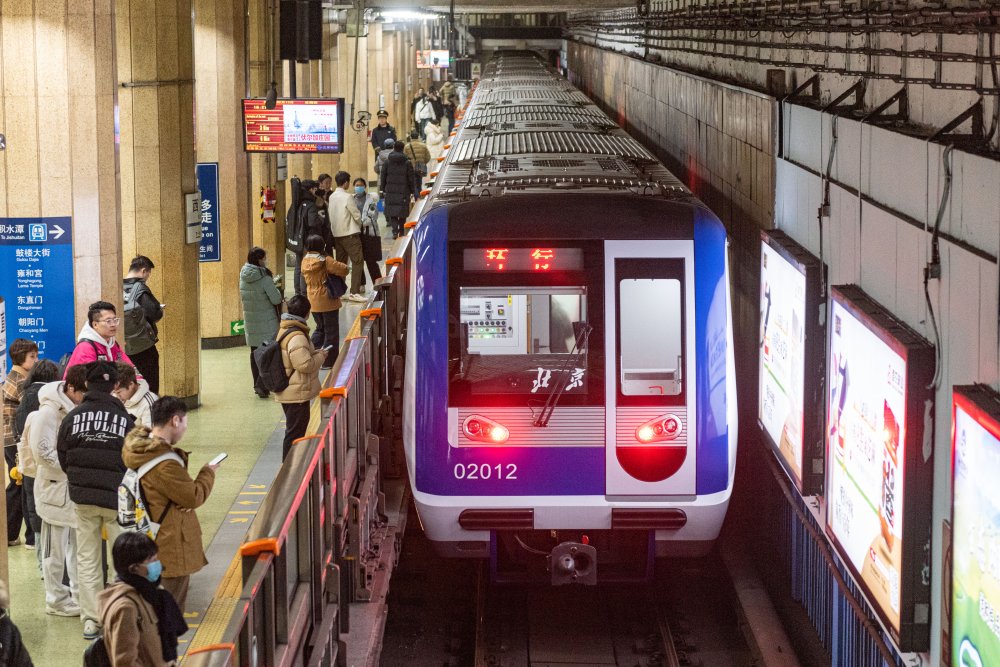
The city is home to one of the world's largest subway networks, stretching more than 800 kilometres, while China also has the world's largest high-speed railway network.
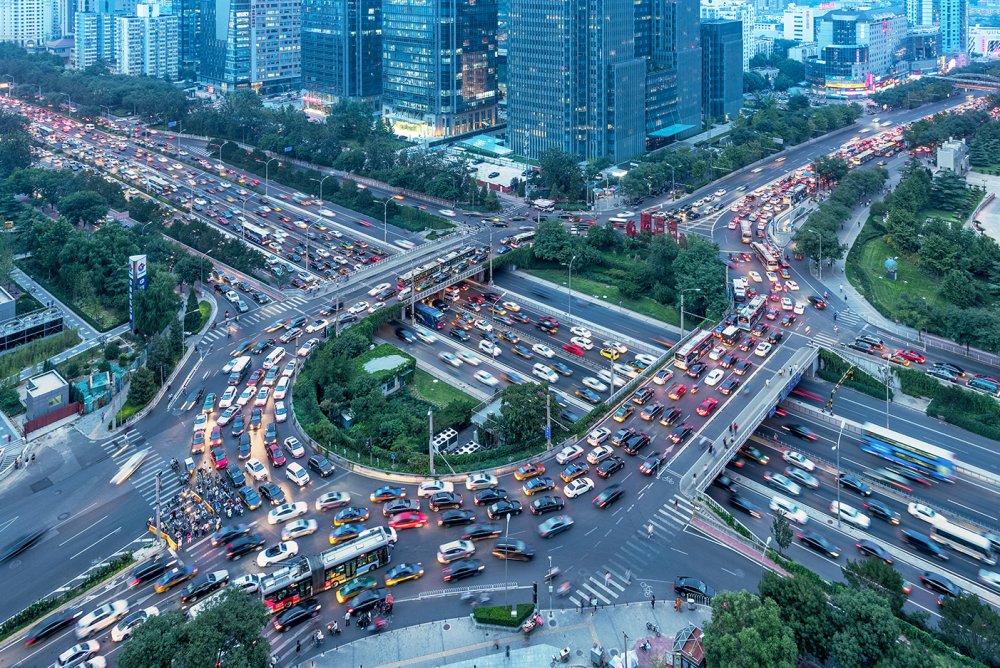
What struck me most was the balance: despite its huge population, Beijing has parks, green spaces and carefully planned neighbourhoods. Electric buses and vehicles are common, signalling a shift toward cleaner transport.
Technology was the biggest difference I noticed. Digital systems are woven into daily life, from buying food and paying for services to communicating through platforms like Alipay and WeChat Pay.
The idea of a cashless society became real to me. Finding food during my first days required help from colleagues who understood the system better, teaching me that preparation is essential when visiting China. Tools such as WeChat, Alipay, navigation apps and reliable internet access can make the experience much easier.
Travelling by subway to Dingfuzhuang in Chaoyang District, about 40 kilometres from Haidian District, showed me how millions of people move efficiently through a massive city. My colleague Mugisha, more experienced in China, helped me adapt faster.
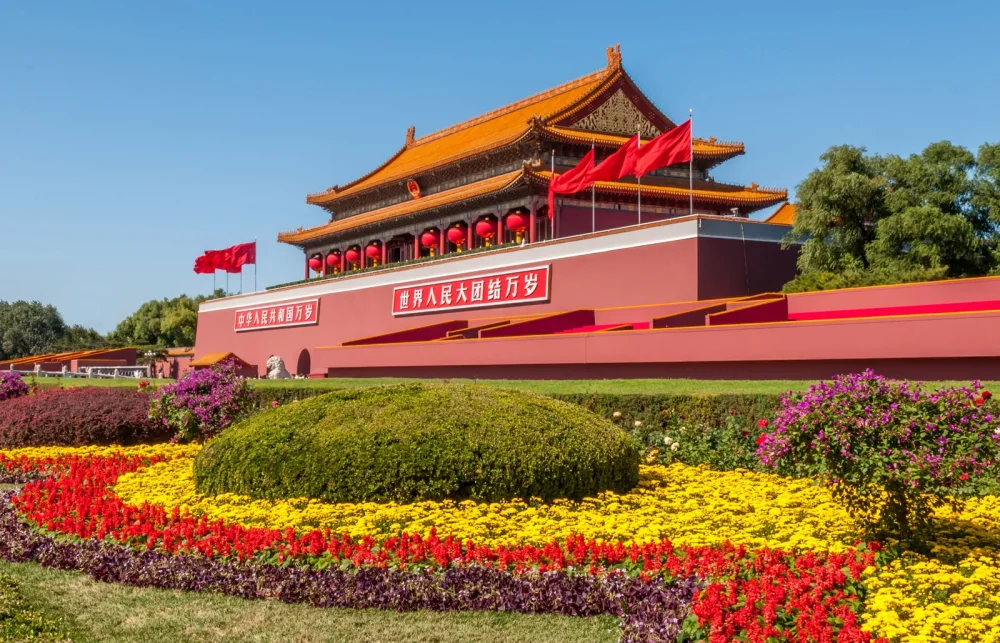
This first journey from Kigali to Beijing changed how I understand the world, teaching me about adaptation, preparation and the value of seeing development firsthand rather than from afar. China is a place where ancient history sits alongside advanced technology, while Beijing is a city where infrastructure reflects long-term planning.
It was not simply a journey from Kigali to Beijing. It was a journey into a different vision of what the future can become.
Loading comments...
Leave a comment