Located in the heart of Spain, Madrid captivates visitors with its rich historical heritage, remarkable architecture and vibrant cultural scene. As the Spanish capital, the city is also an important centre for strengthening diplomatic relations between Spain and Rwanda, particularly with the establishment of Rwanda’s new embassy in Madrid early this month.
The embassy’s presence marks an important step in relations between the two countries, creating opportunities to promote Rwanda in Spain while encouraging political, economic and cultural exchanges. In this context, discovering Madrid takes on a special meaning that goes beyond its well-known tourist attractions.
During five days in Madrid, a city of about 3.5 million people, I explored its streets, visited its iconic squares and photographed its monuments, buildings and scenes of everyday life. Through my lens, I sought to capture the city’s identity and share images that reflect the richness and character of the Spanish capital.
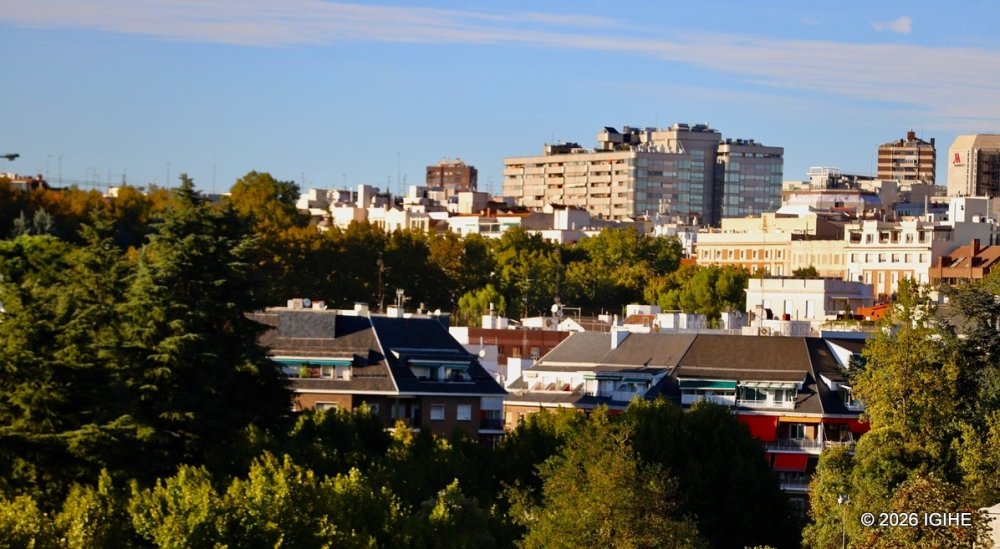
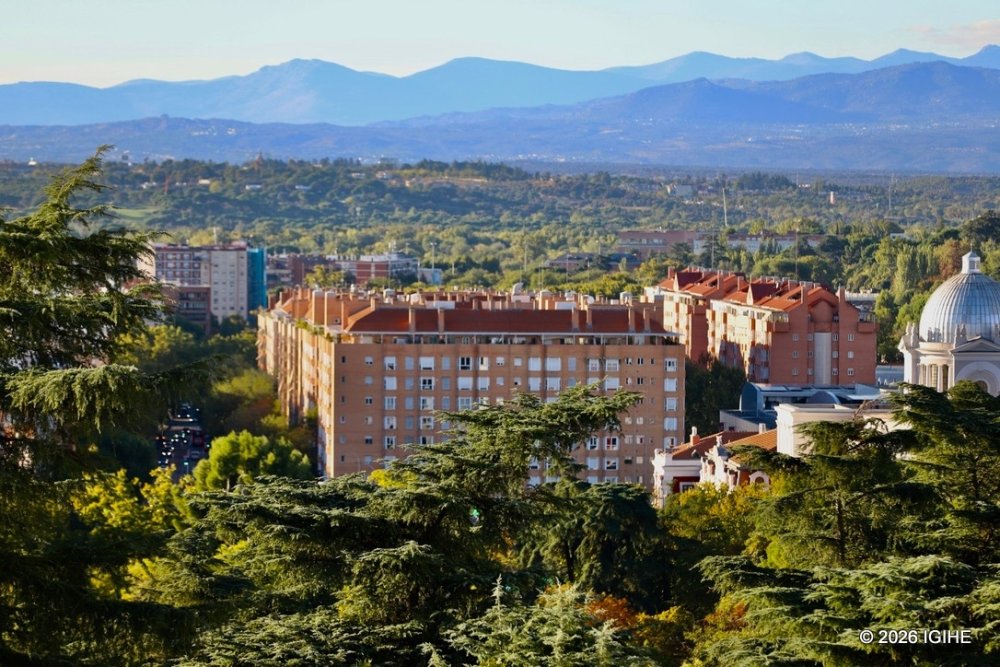
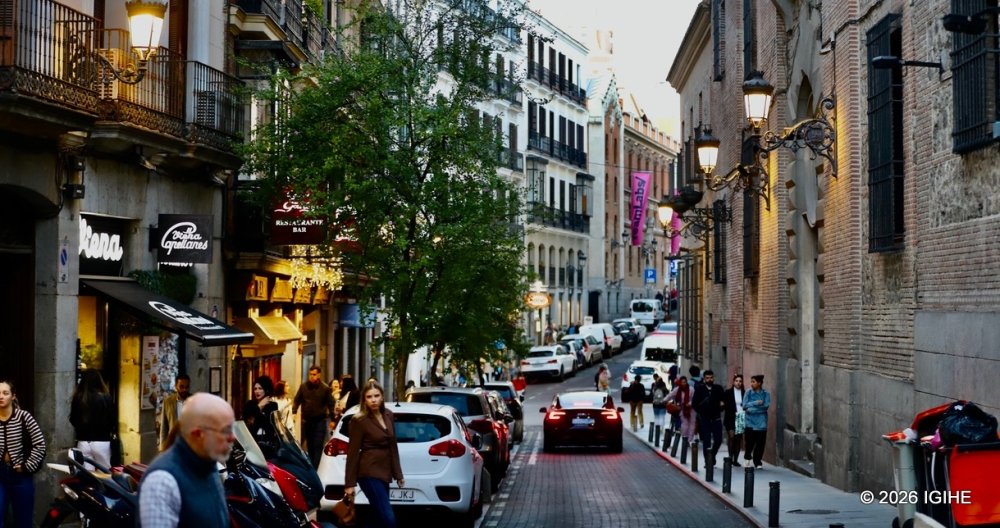
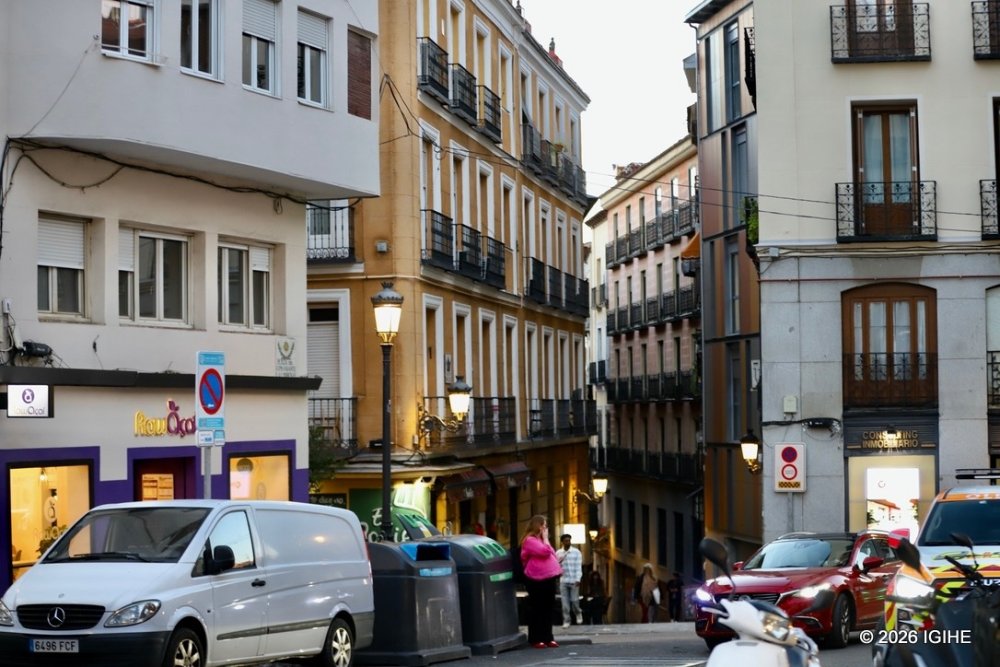
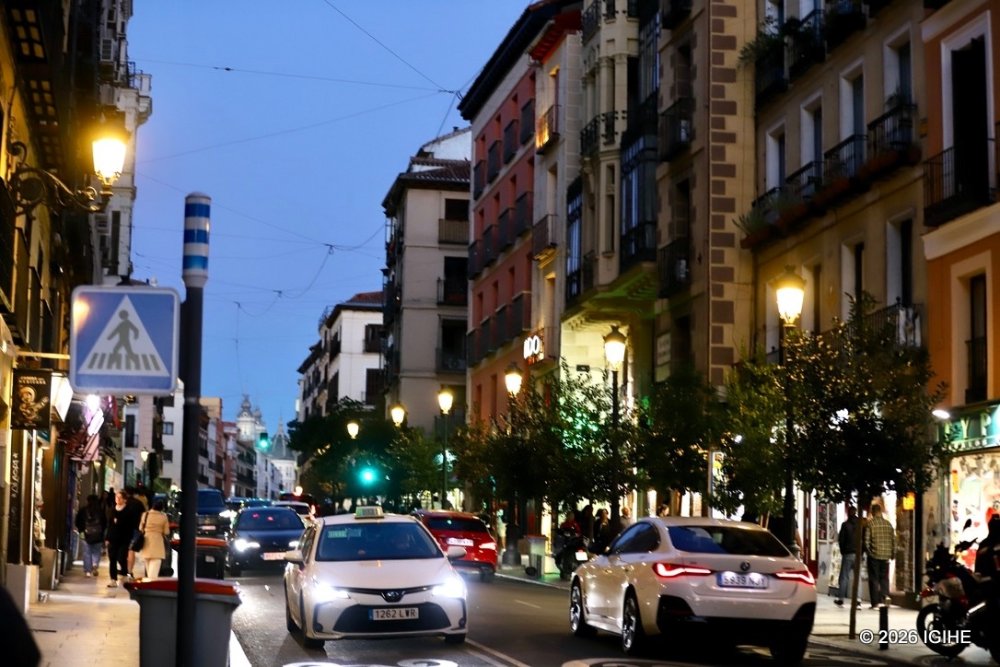
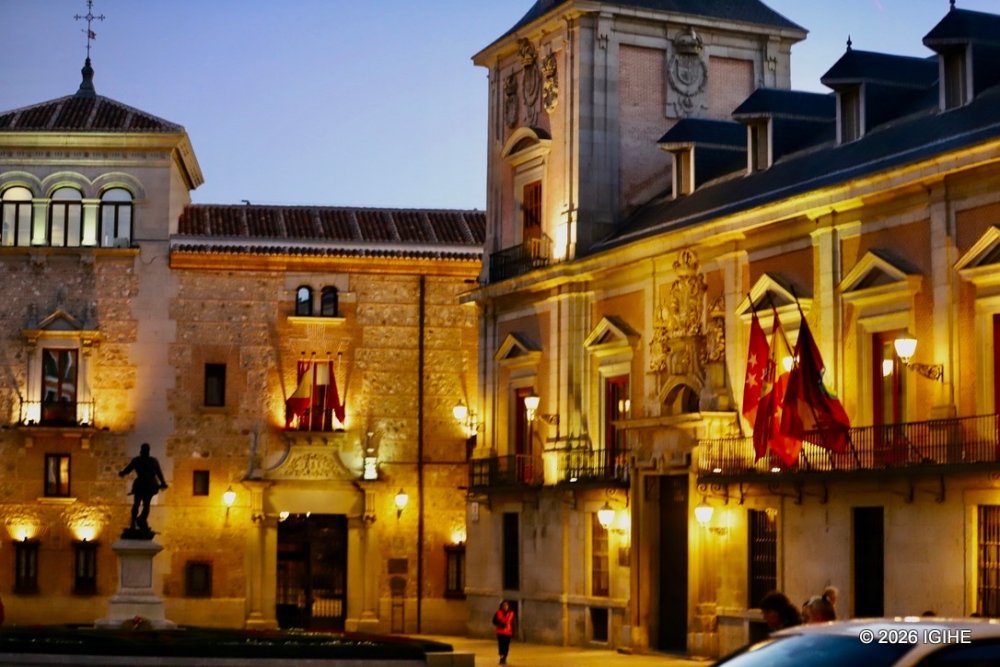
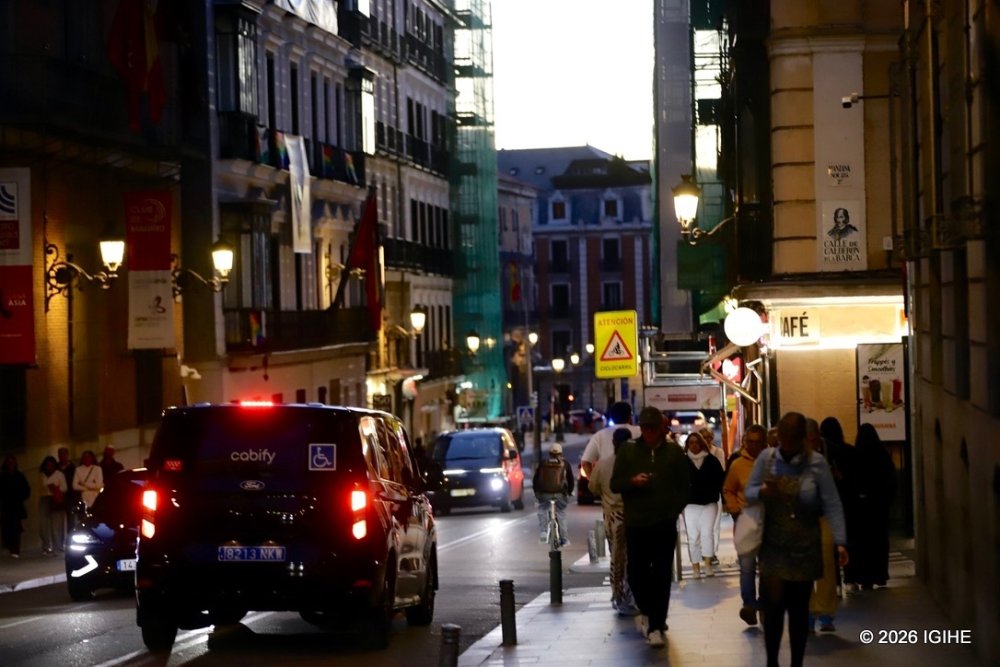
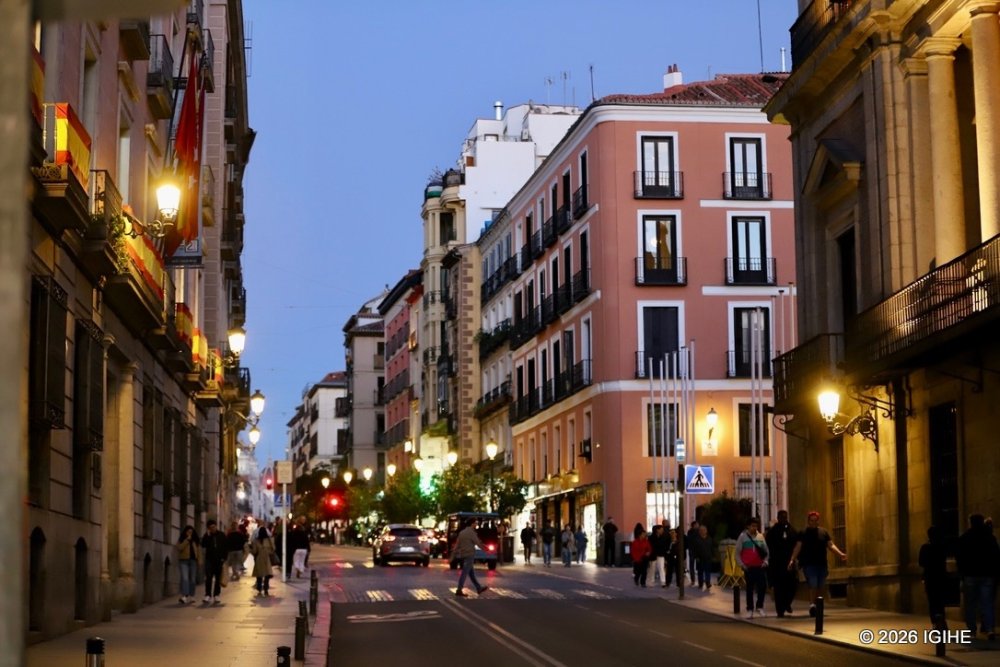
Madrid reveals an urban landscape full of contrasts, combining magnificent historic buildings, wide avenues and neighbourhoods with distinct identities. Every street tells part of the story of a city that has preserved its heritage while continuing to evolve with modern life.
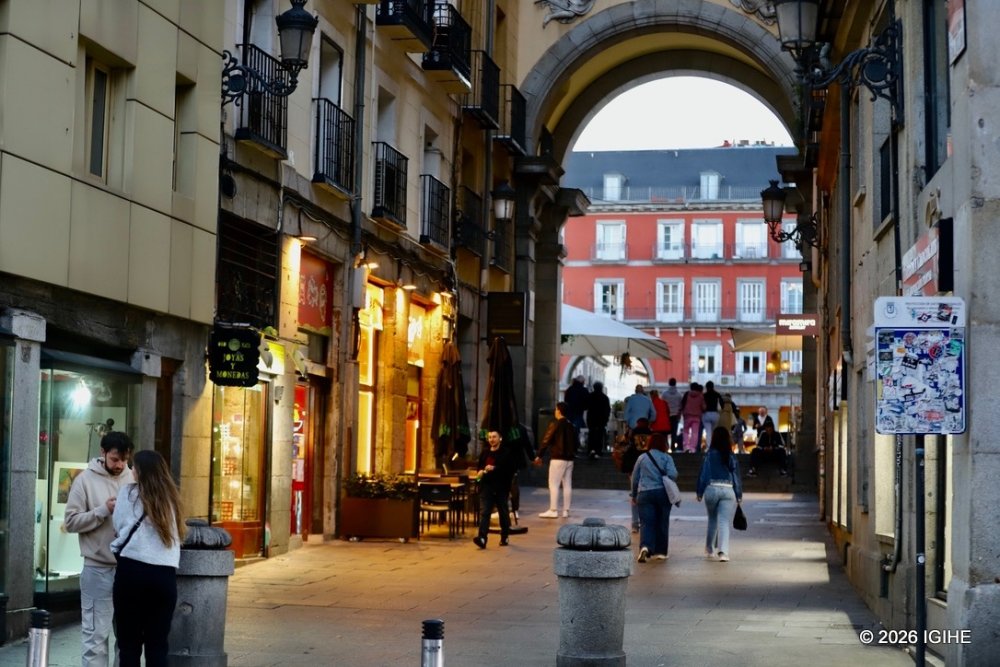
The streets of Madrid invite visitors to explore. From elegant façades and historic squares to lively café terraces, the Spanish capital offers a distinctive atmosphere where tradition meets contemporary life. Walking through the city provides an opportunity to observe the daily lives of its residents and better understand the identity of this major European metropolis.
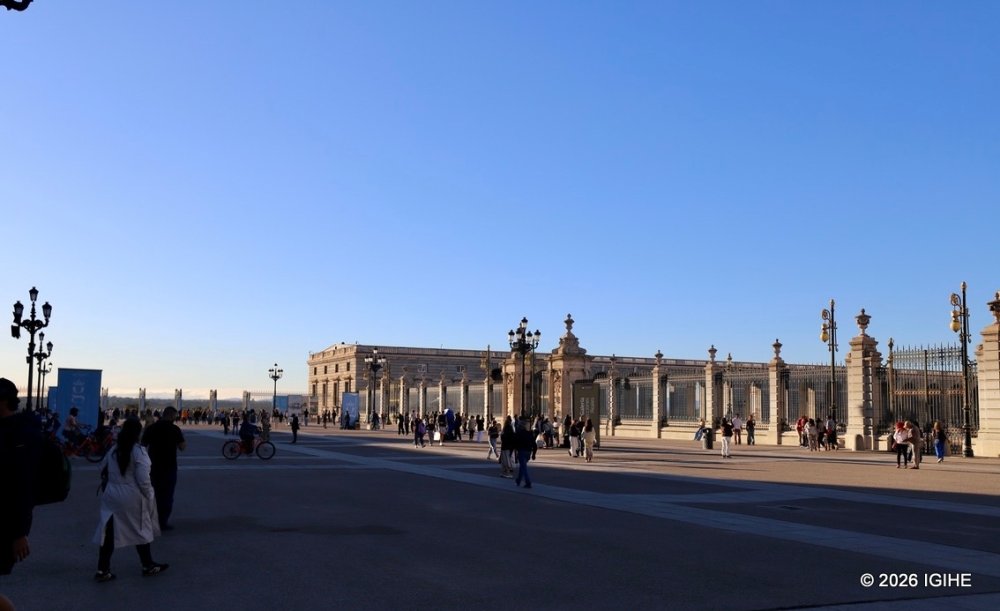
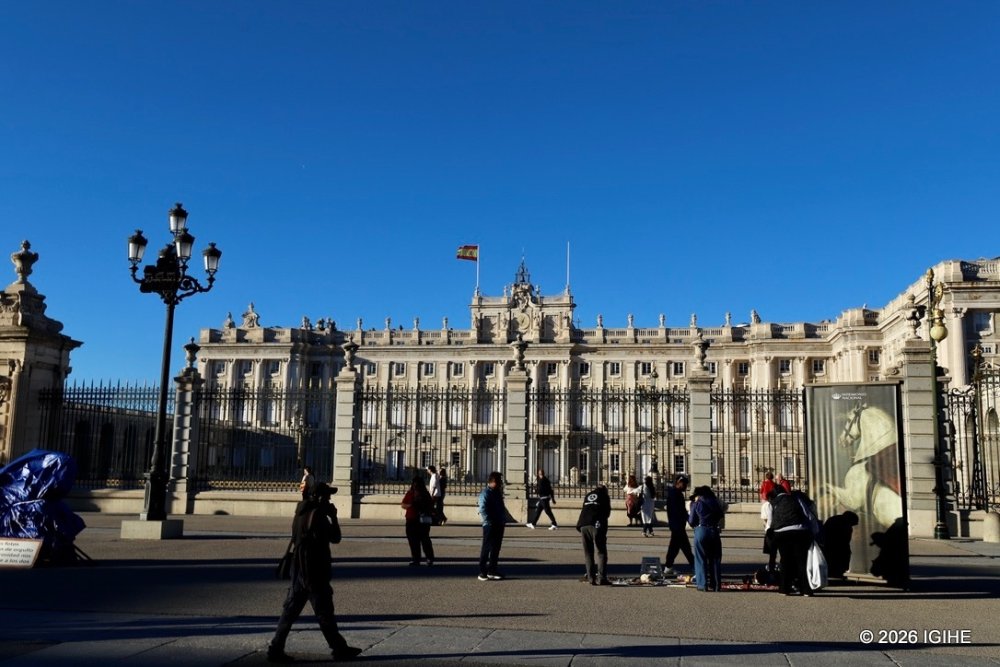
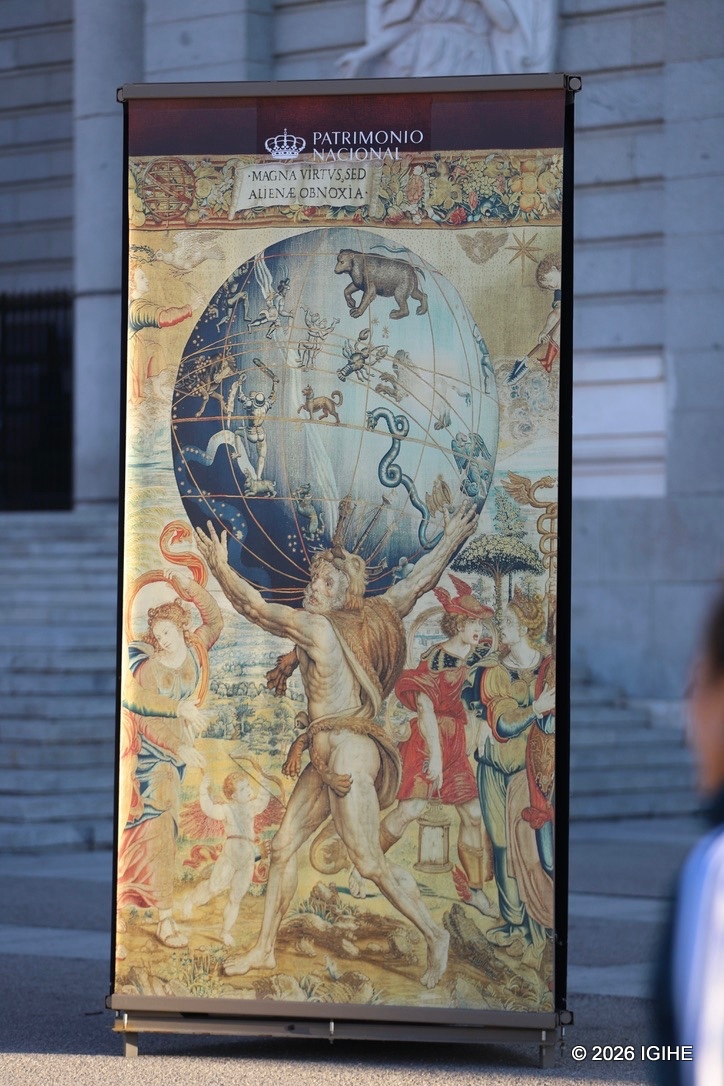
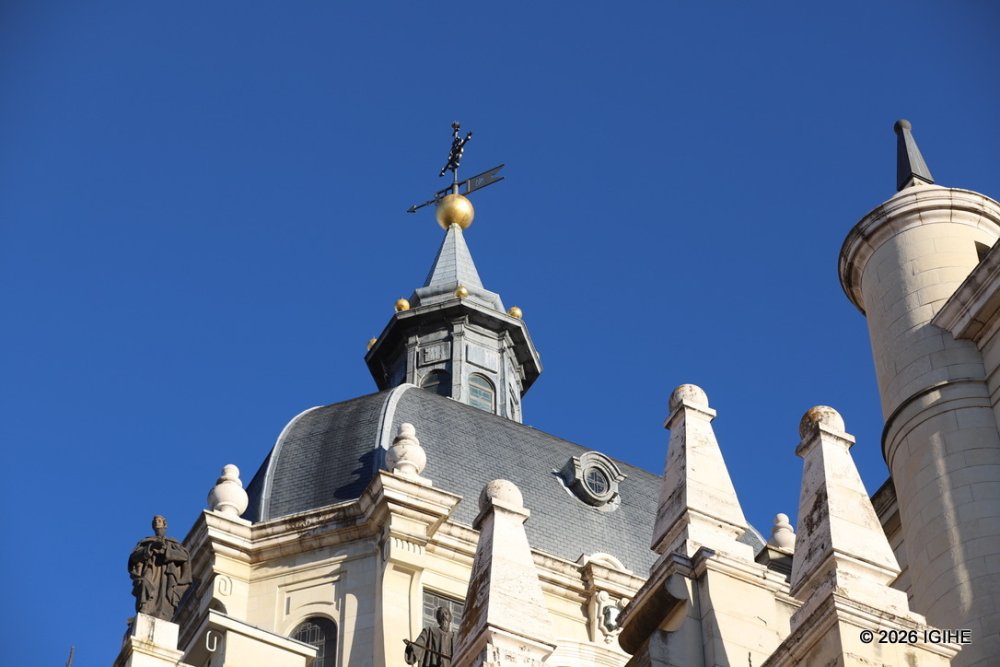
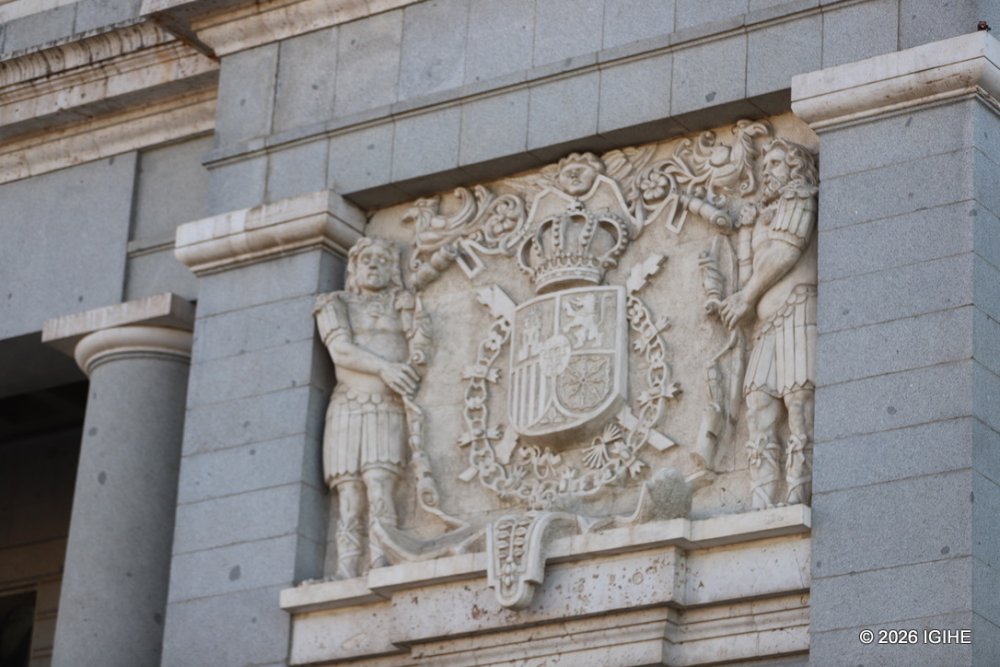
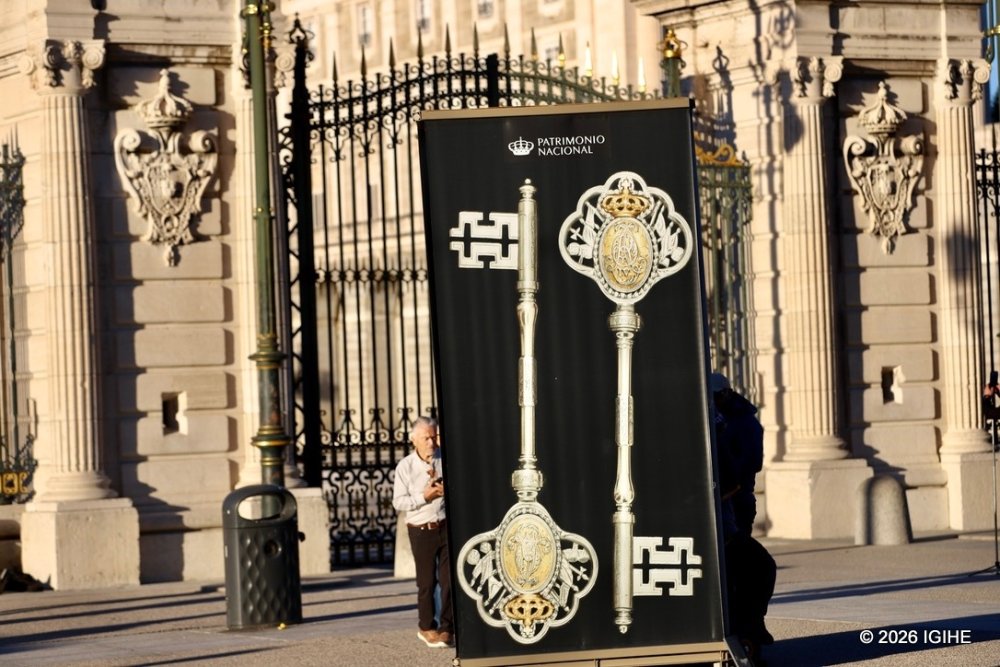
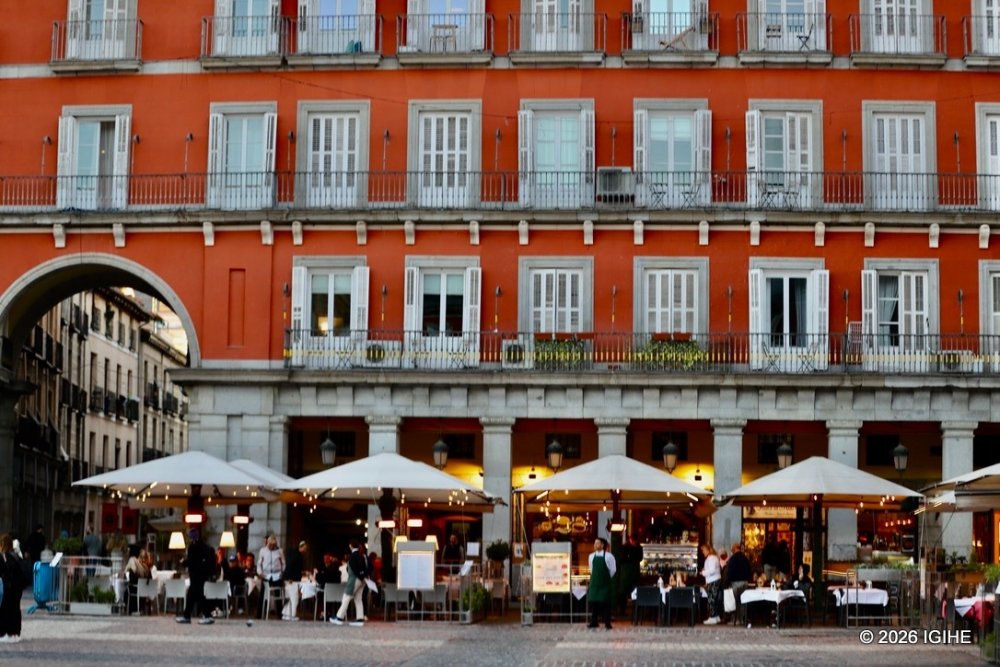
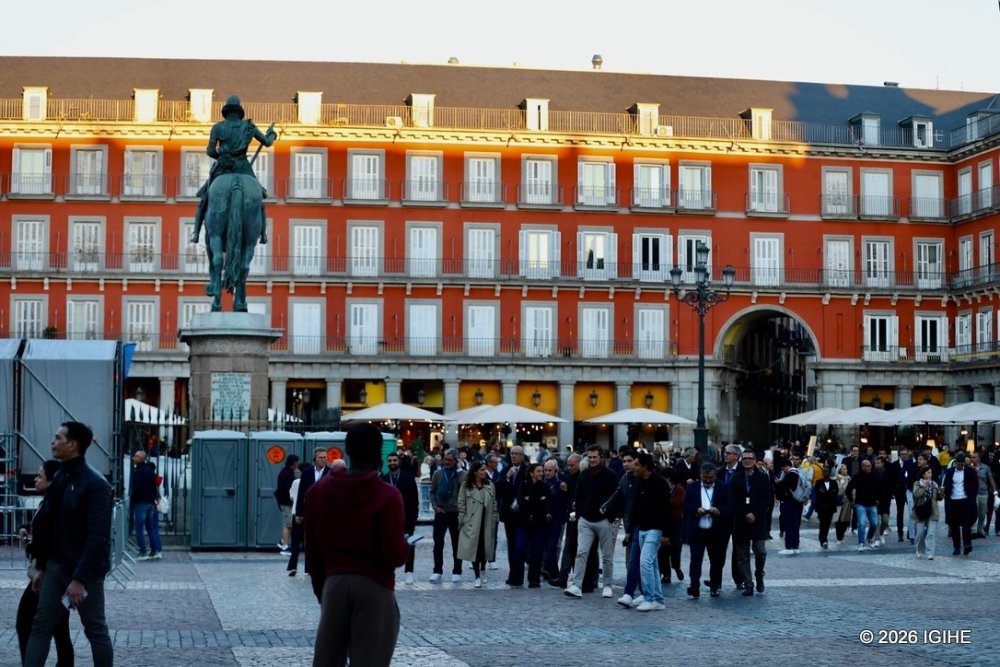
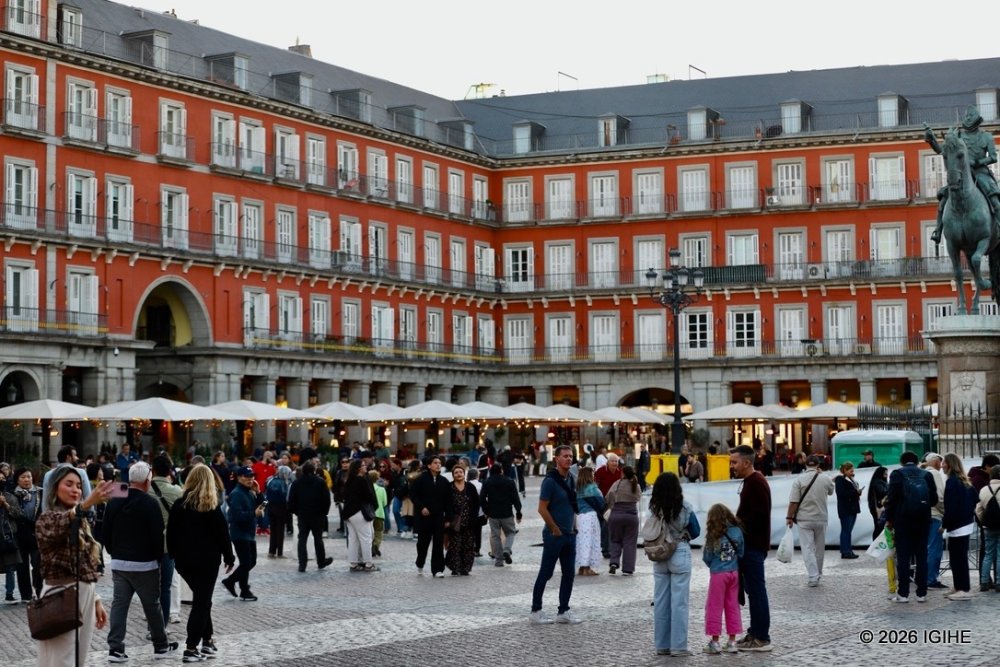
Among Madrid’s most famous landmarks is Puerta del Sol, one of the city’s best-known squares and an important meeting point. Nearby, Plaza Mayor impresses visitors with its architecture and historical significance. The Royal Palace of Madrid, with its imposing design, reflects Spain’s rich monarchical heritage.
Madrid is also a major cultural destination. The Prado Museum houses an exceptional collection of artworks, while the Reina Sofía Museum is renowned for its modern and contemporary art collections. These institutions contribute to the international reputation of the Spanish capital.
The city is also home to extensive green spaces, including Retiro Park, a favourite destination for both residents and visitors. Its tree-lined paths, gardens and famous boating lake provide an ideal setting for walking and relaxation, away from the bustle of the main avenues.
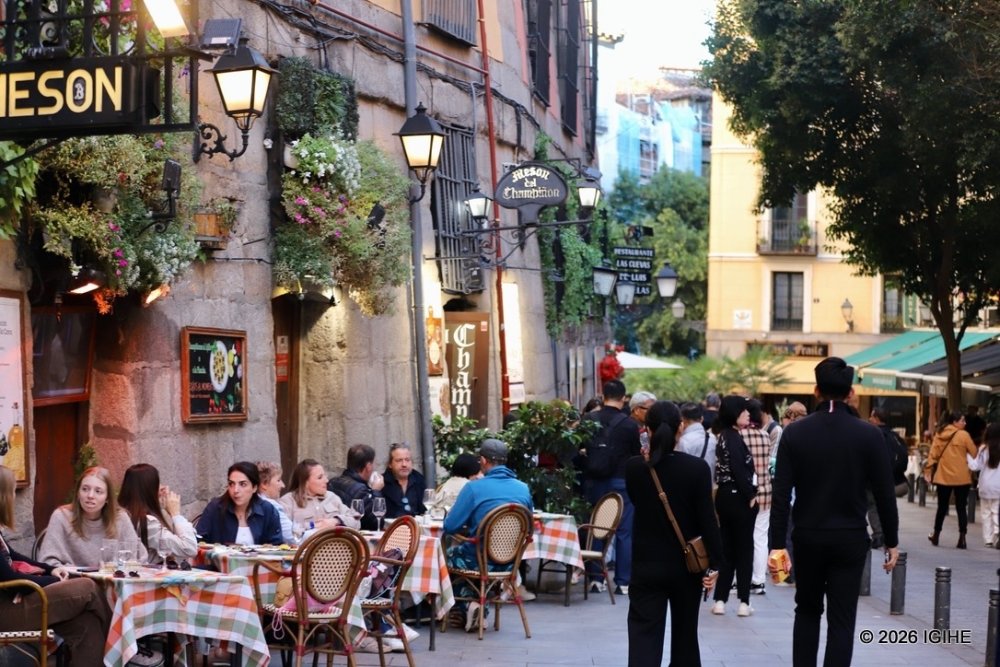
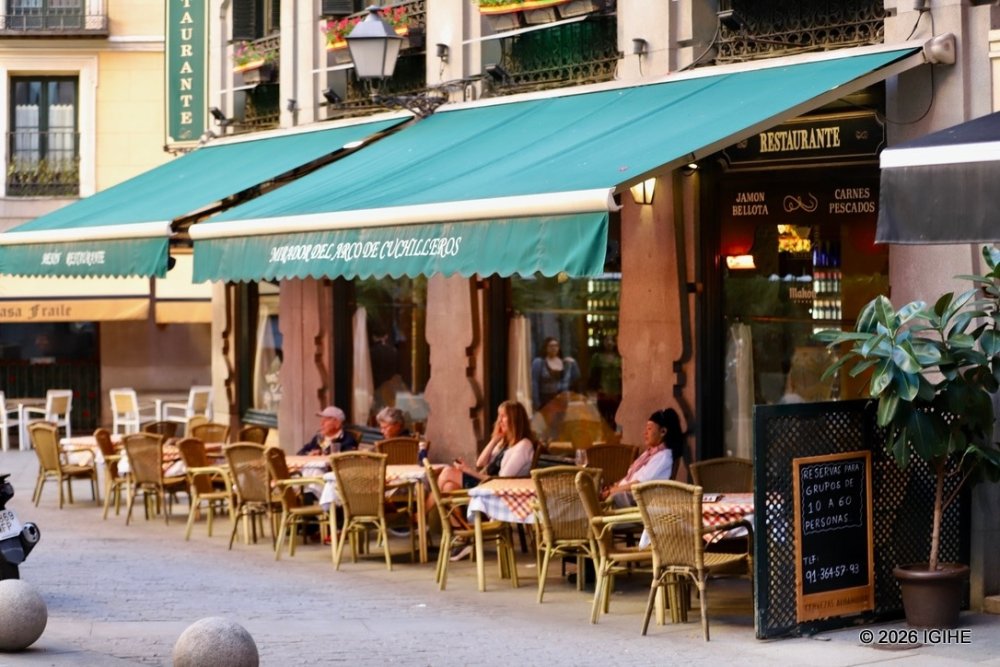
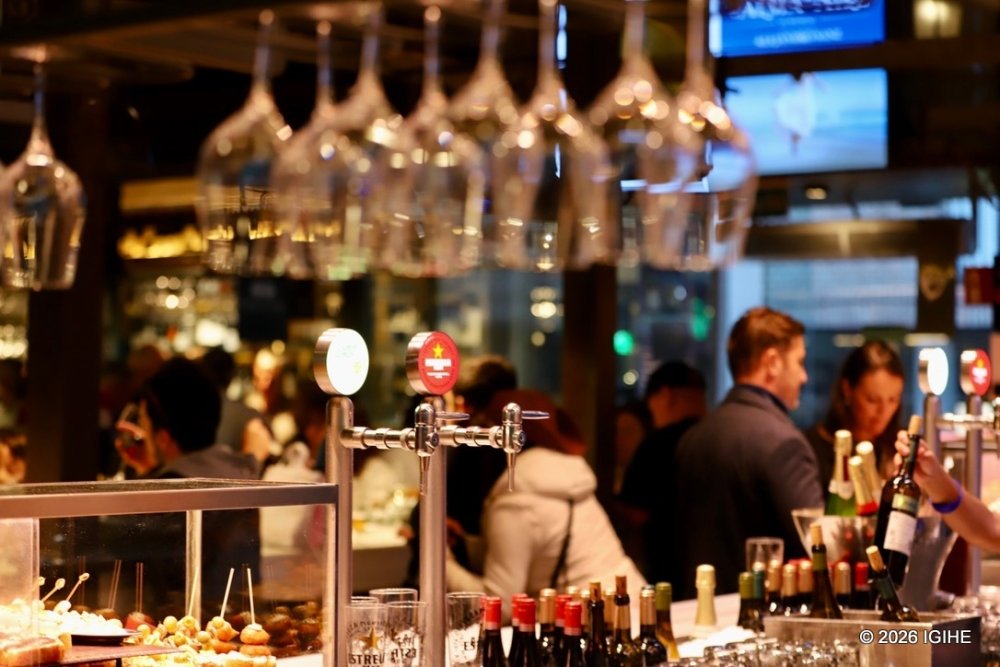
Gastronomy plays an important role in Madrid’s lifestyle. Restaurants, markets and traditional establishments offer visitors the opportunity to discover Spanish specialities in a welcoming atmosphere. Café terraces are also popular places to observe the rhythm of the city and enjoy its vibrant social life.
Madrid also stands out for its cultural and economic dynamism. Artistic events, performances, international gatherings and commercial activities contribute to making the Spanish capital a European crossroads where different cultures meet.
Beyond its appeal as a tourist destination, Madrid is also a place of encounter and cooperation between nations. The establishment of Rwanda’s new embassy in the Spanish capital forms part of this broader dynamic and reflects efforts to strengthen relations between Kigali and Madrid. The diplomatic presence can help promote cooperation between the two countries in areas such as trade, investment, culture and tourism.
Closer relations between Rwanda and Spain offer new prospects for collaboration and dialogue between their populations. Diplomacy is not limited to official meetings; it is also built through mutual understanding, cultural exchanges and the human connections that develop between the two peoples.
During these five days in Madrid, discovering the city therefore became more than a tourist experience. It was an opportunity to take a journalist’s perspective on a European capital that combines history, modernity and international openness, while highlighting the relationship between Spain and Rwanda.
Through this photographic collection, IGIHE invites you to discover Madrid from a different perspective: through the lens of a journalist seeking to tell the story of a city, showcase its rich heritage and contribute, in his own way, to bringing the Spanish and Rwandan peoples closer together.
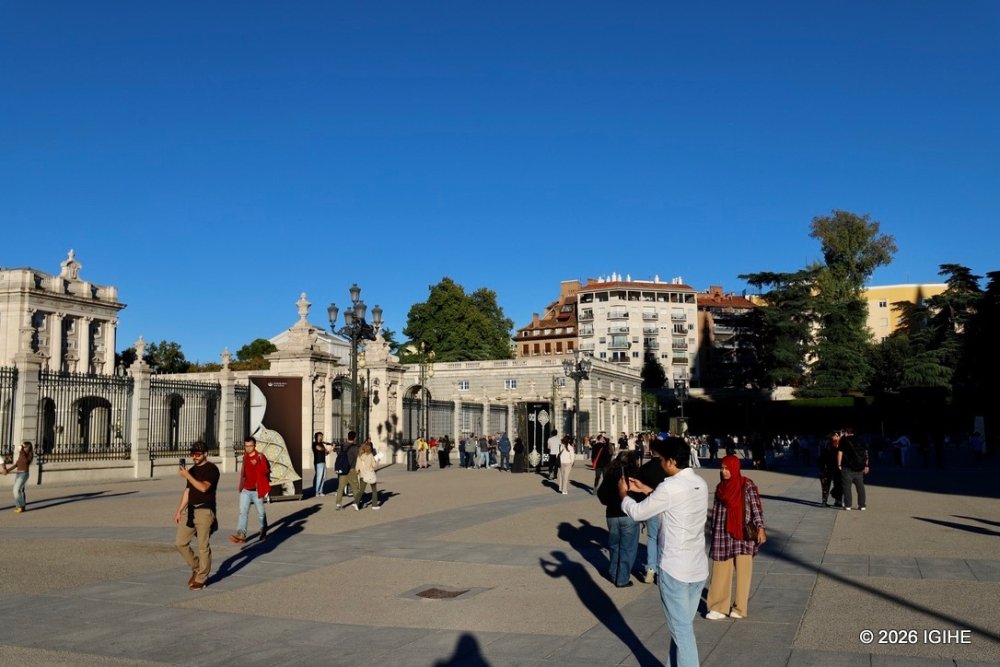
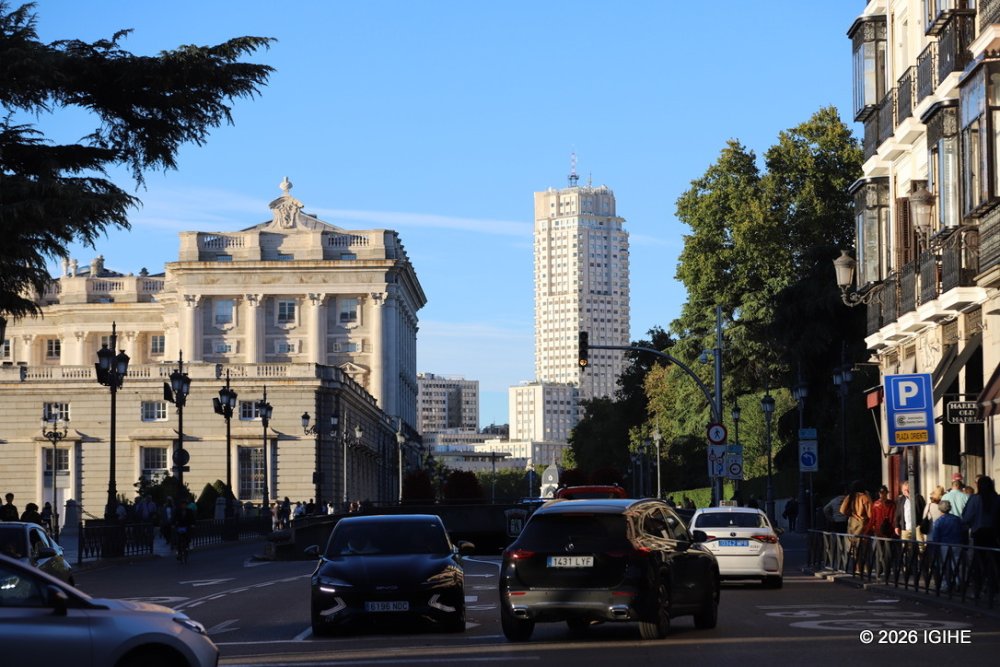
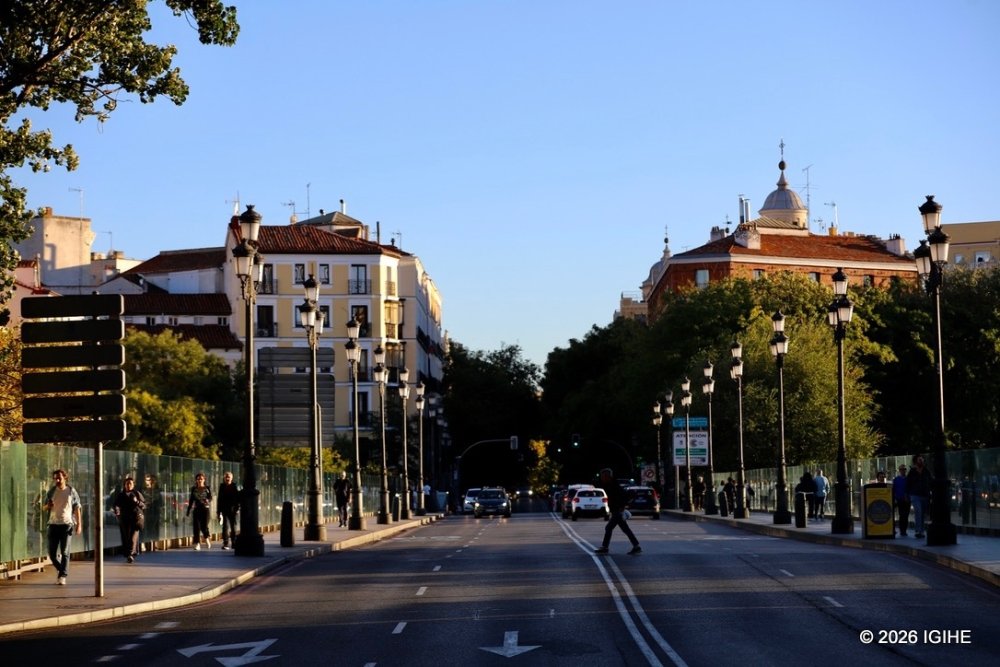
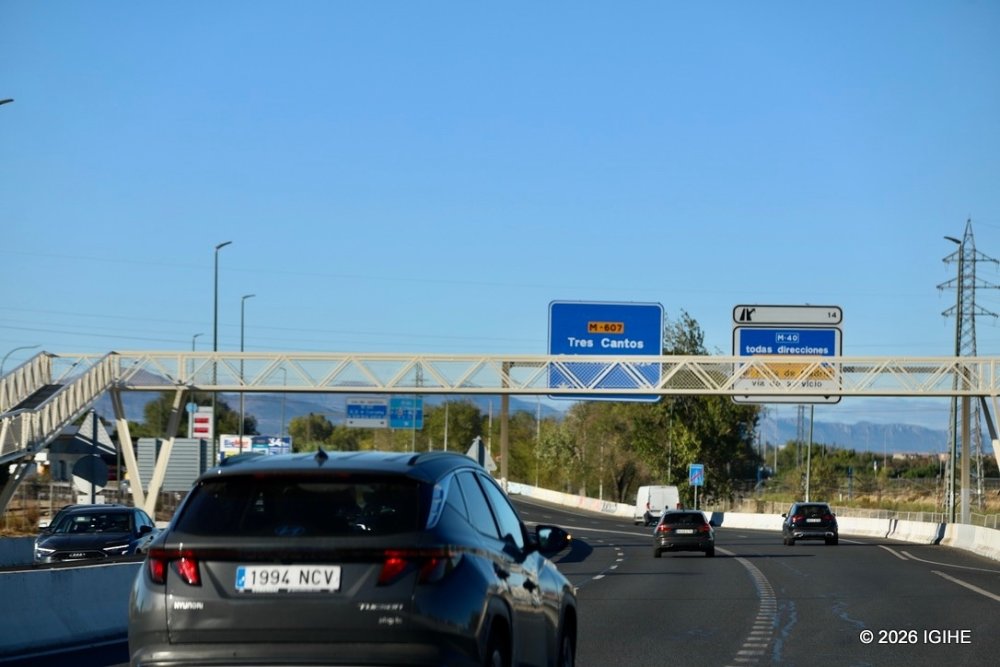
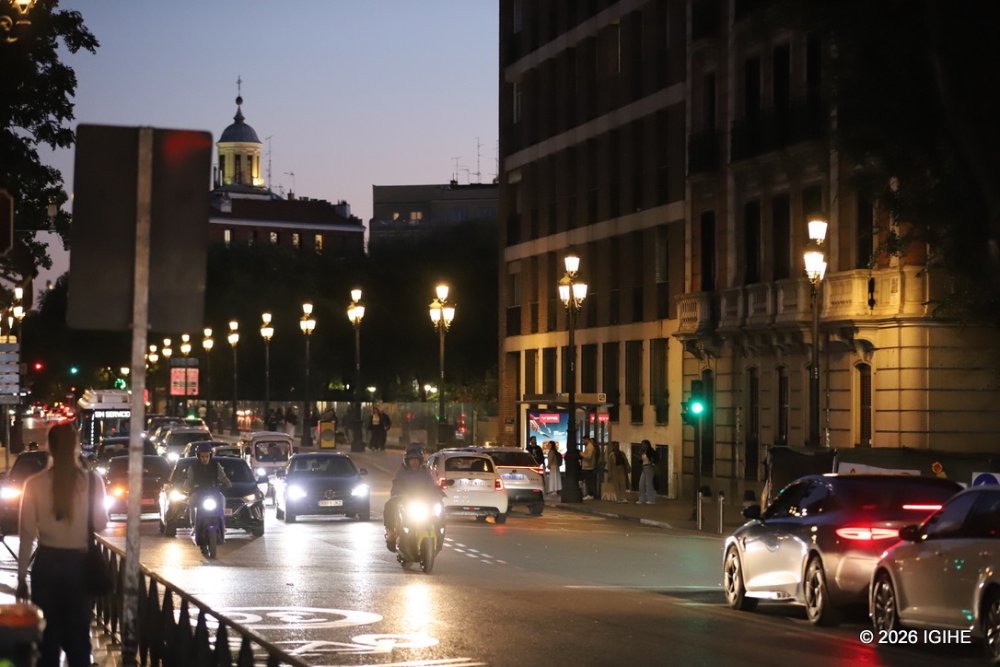
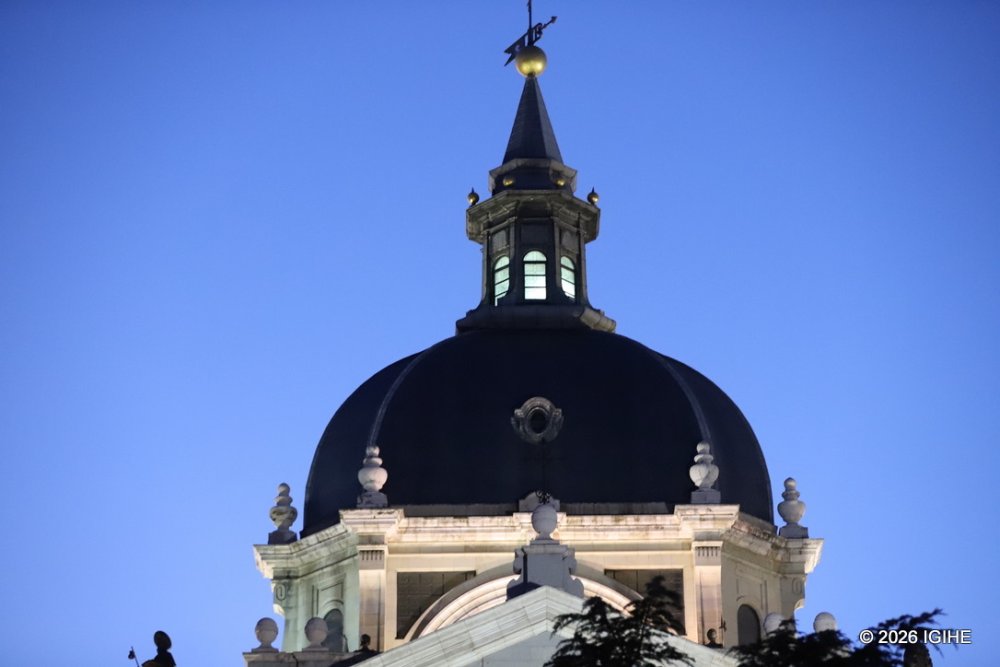
Traffic on a typical day in Madrid, the capital of Spain.Located in the heart of Spain, Madrid captivates visitors with its rich historical heritage, remarkable architecture and vibrant cultural scene. The Royal Palace of Madrid (Palacio Real de Madrid) is one of the most prominent and historically significant buildings in Spain’s capital.
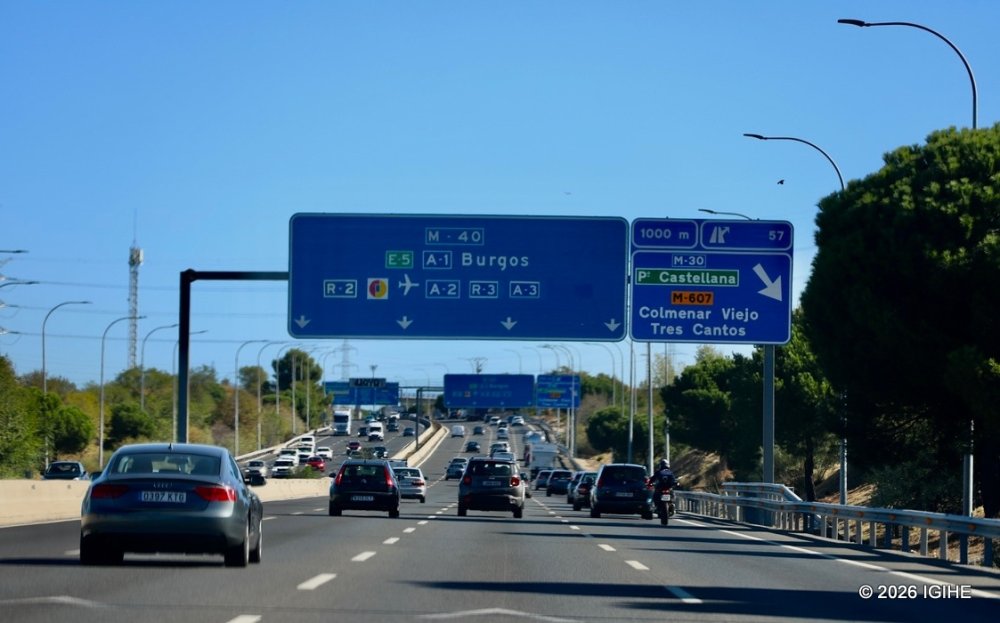
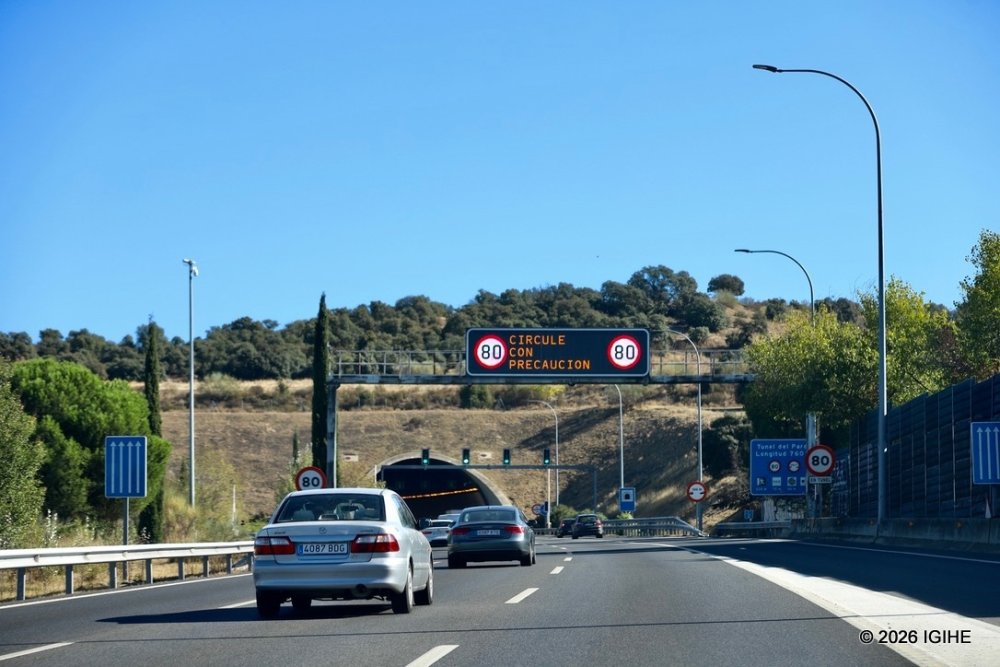
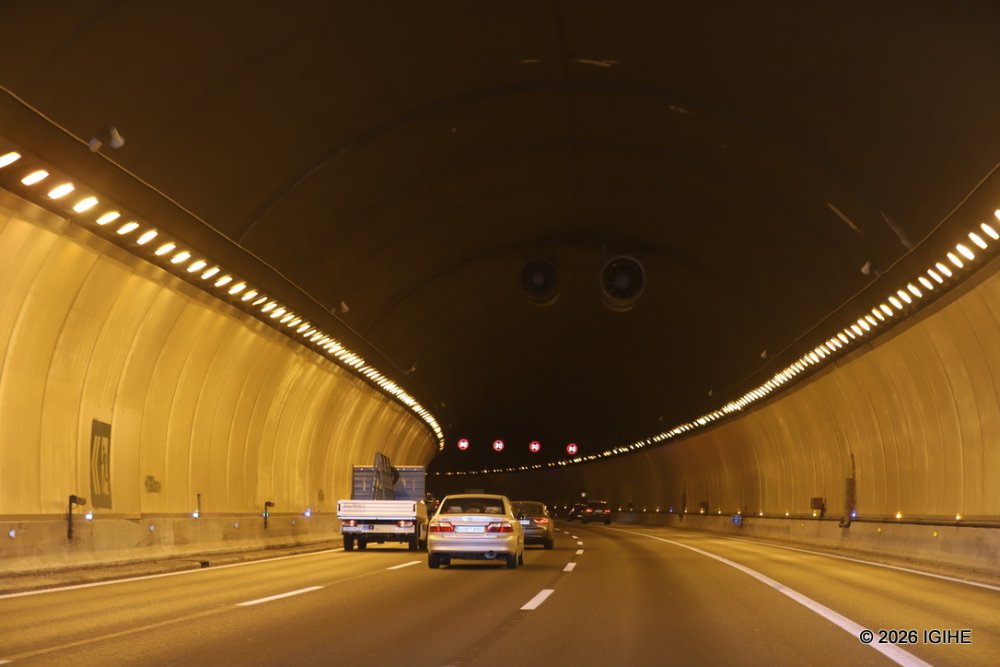
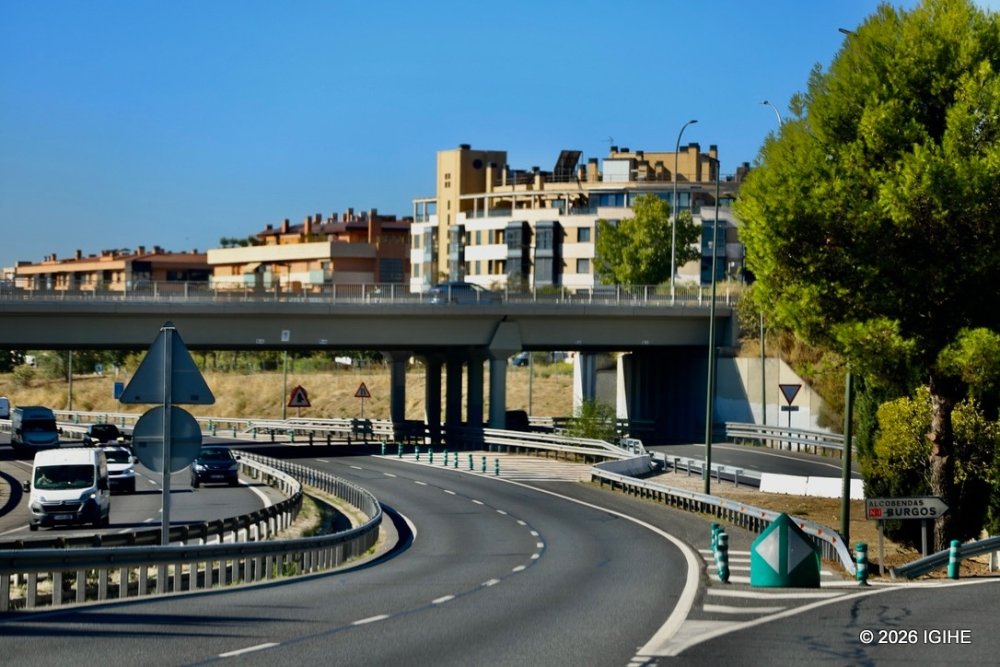
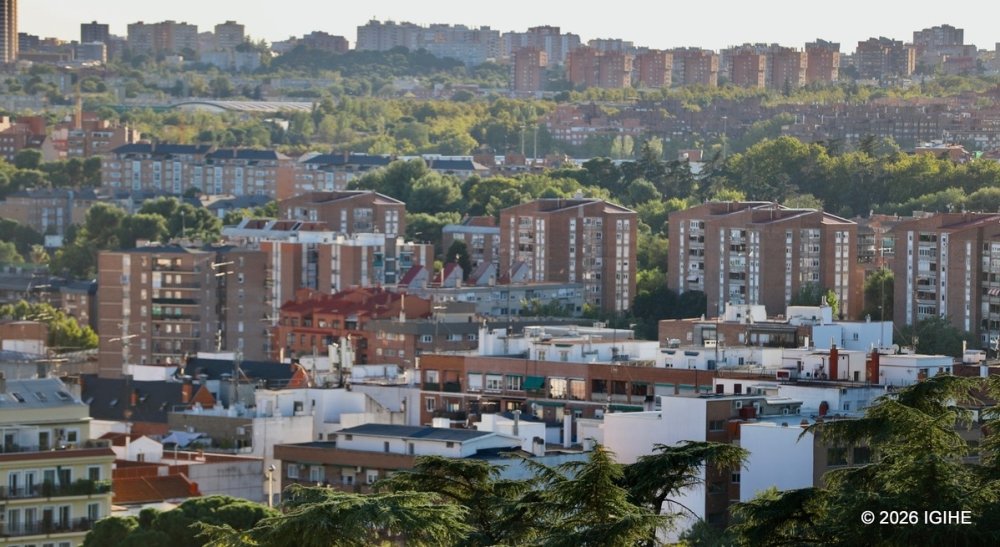
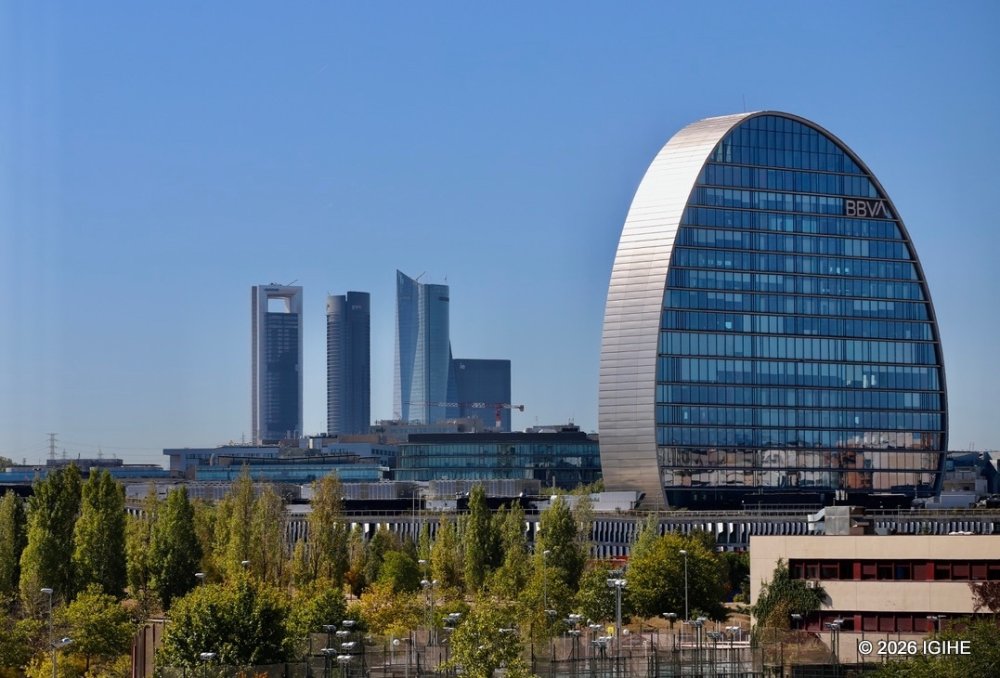
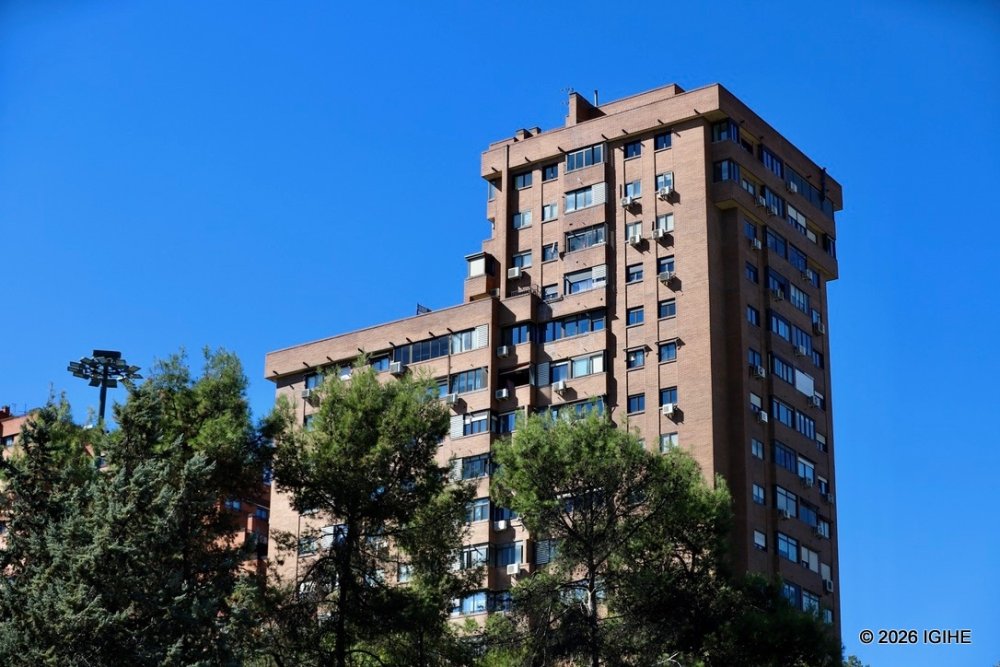
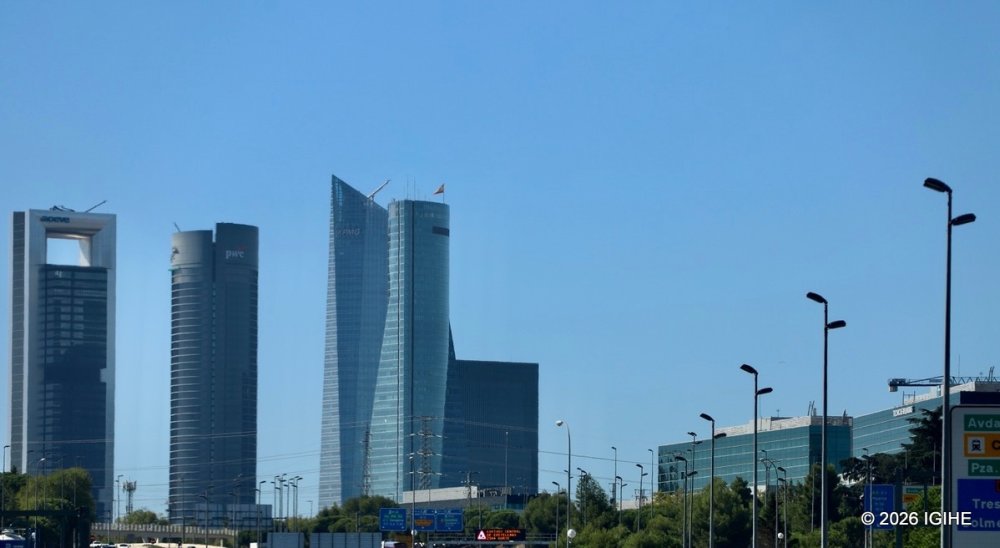
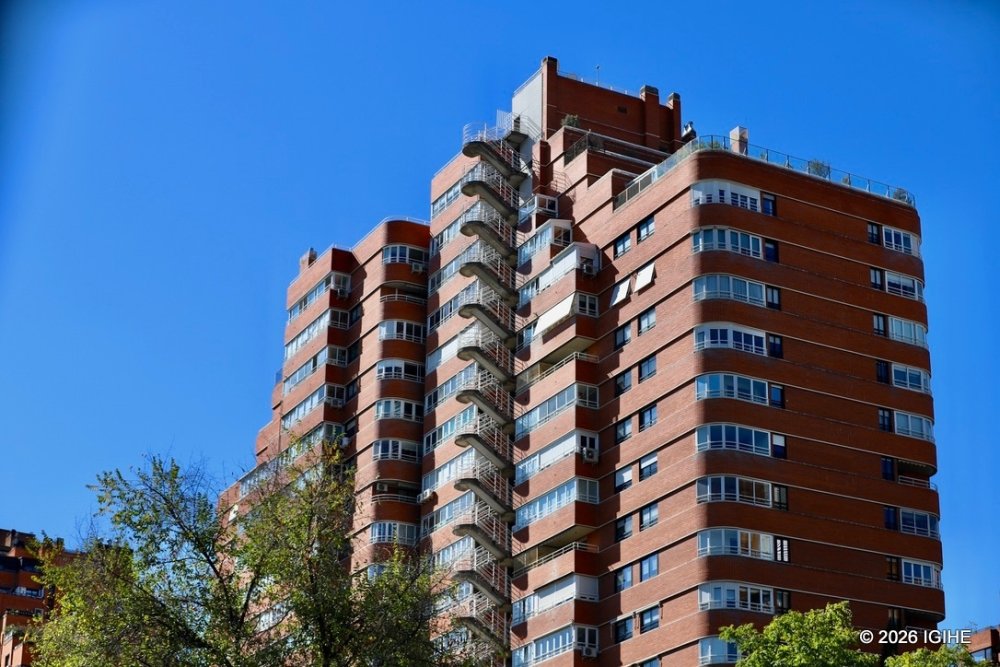
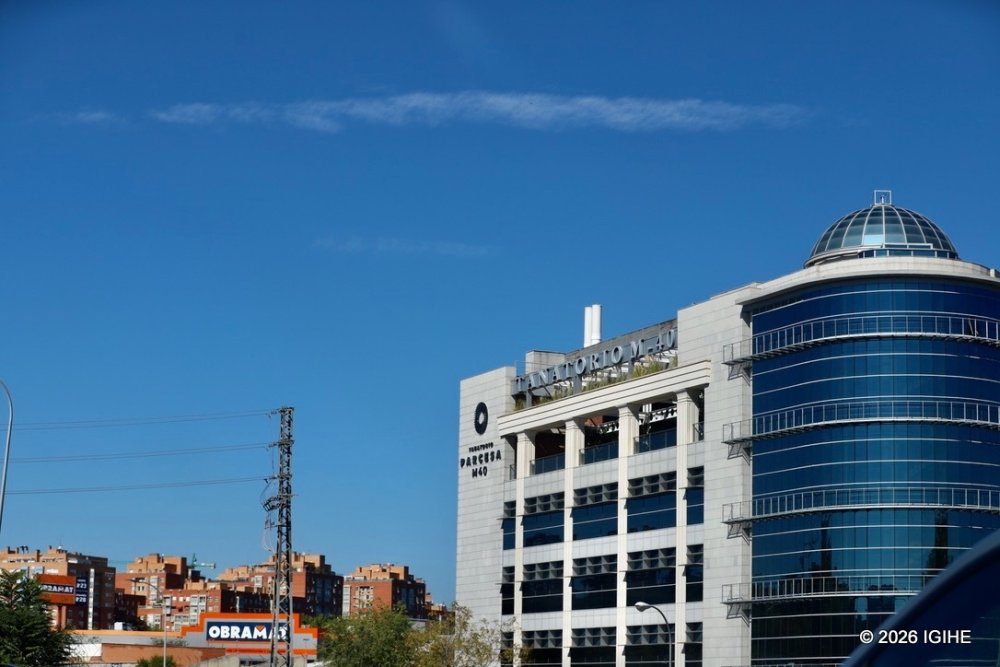
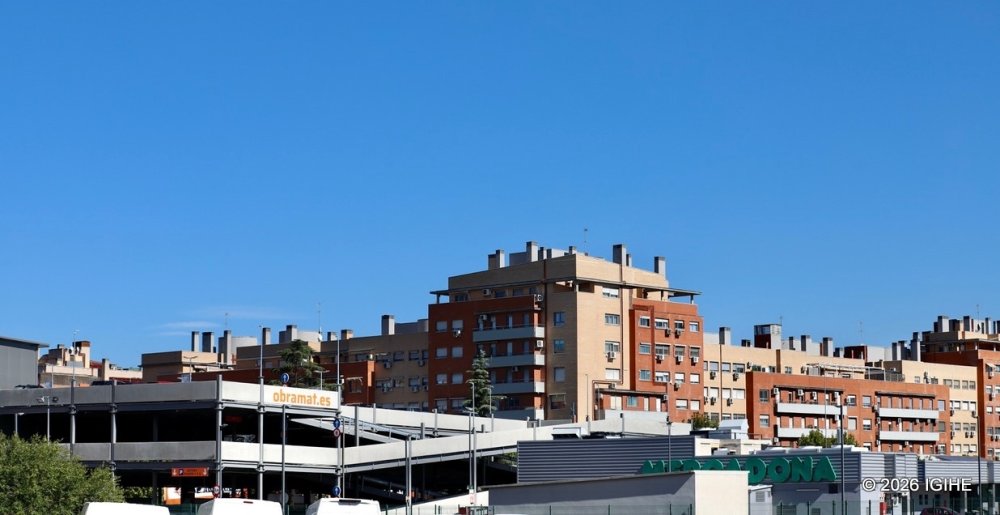
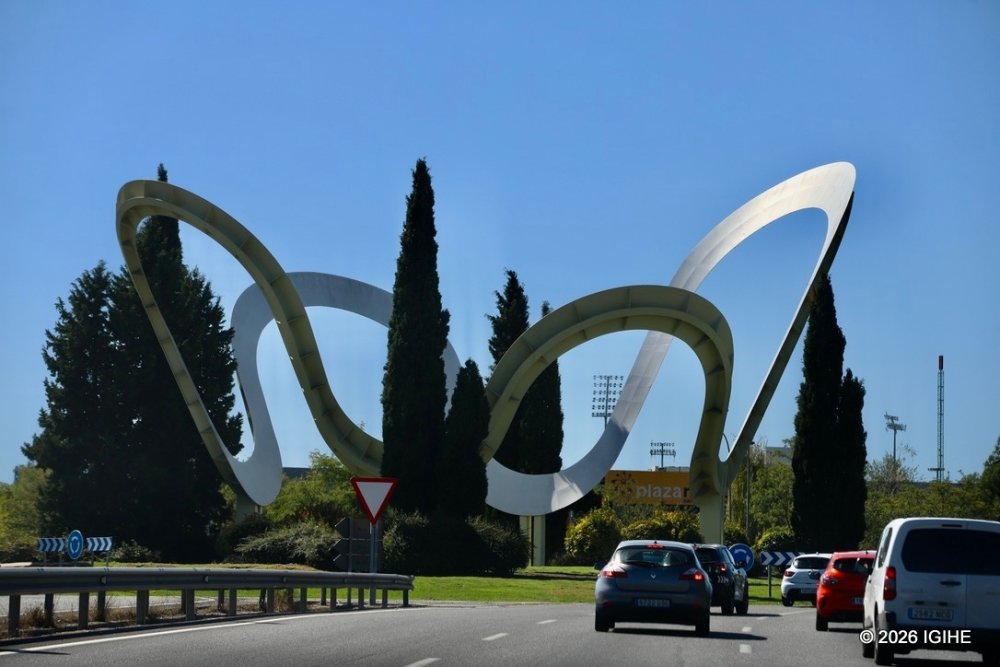
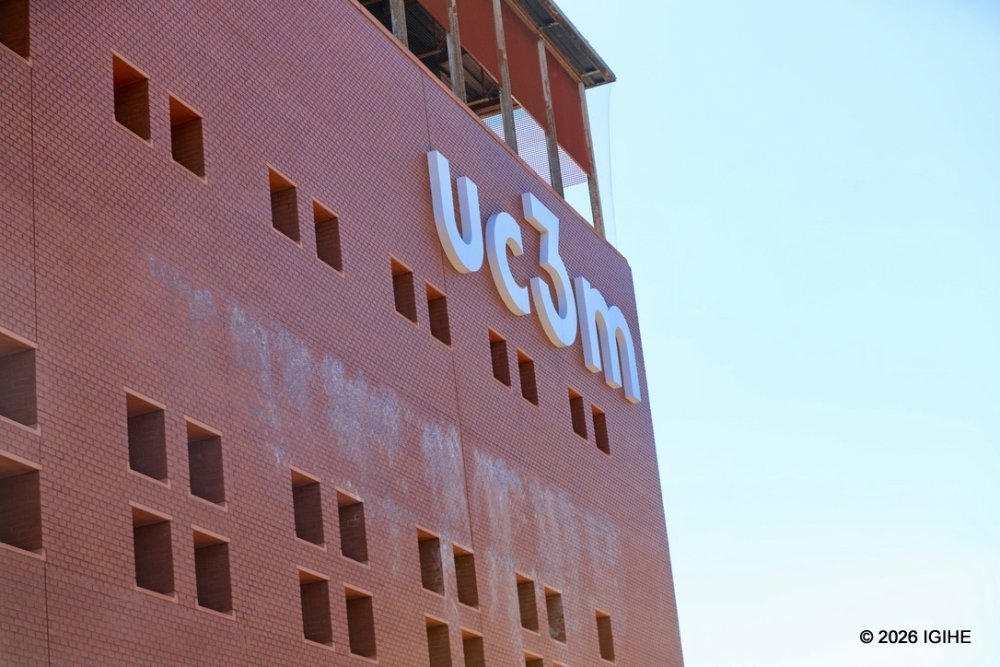
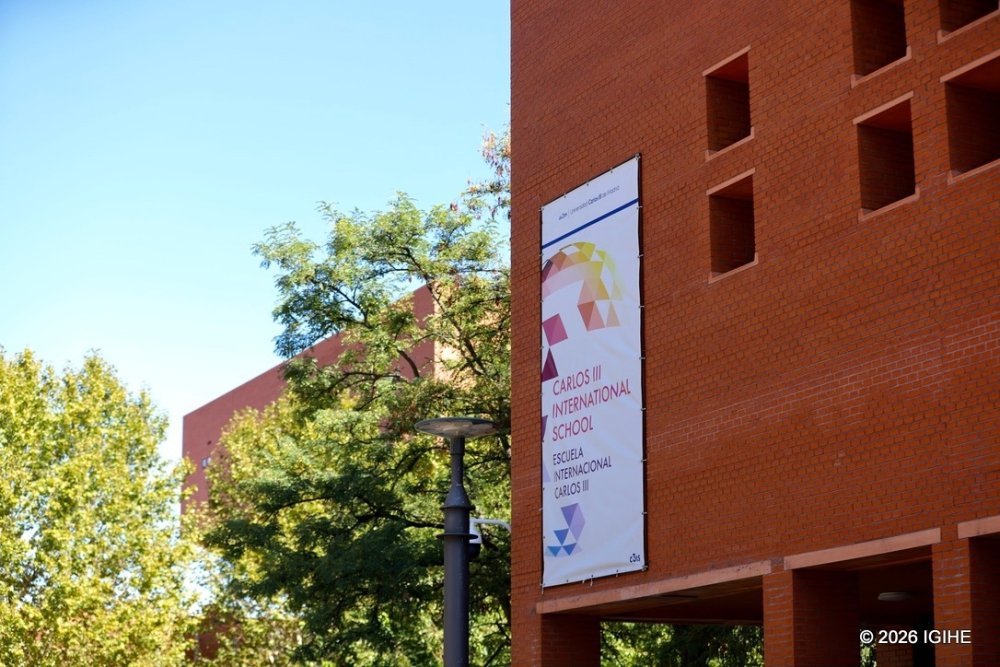
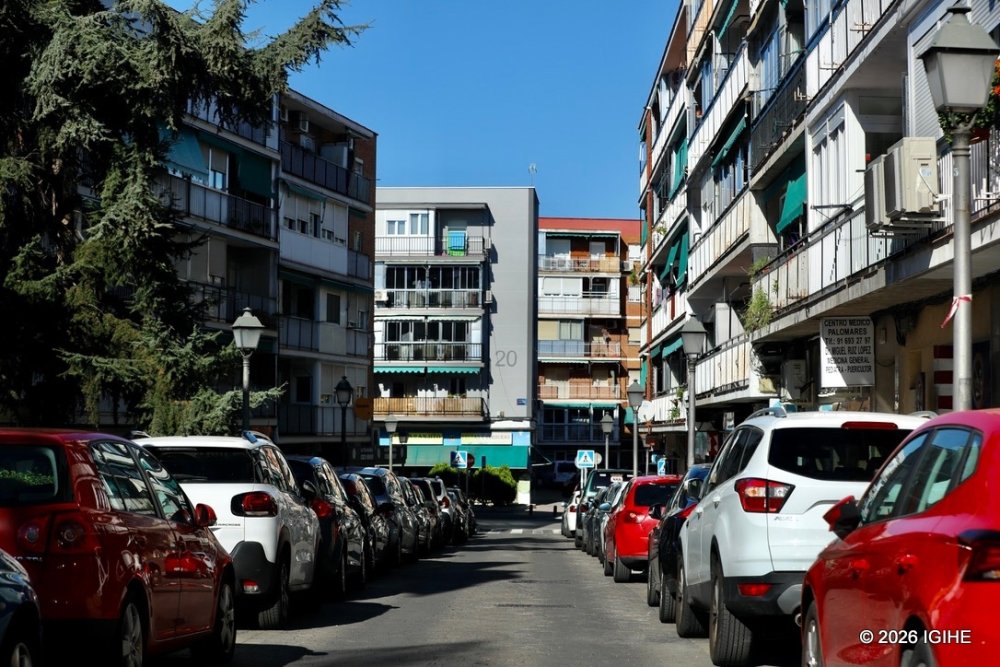
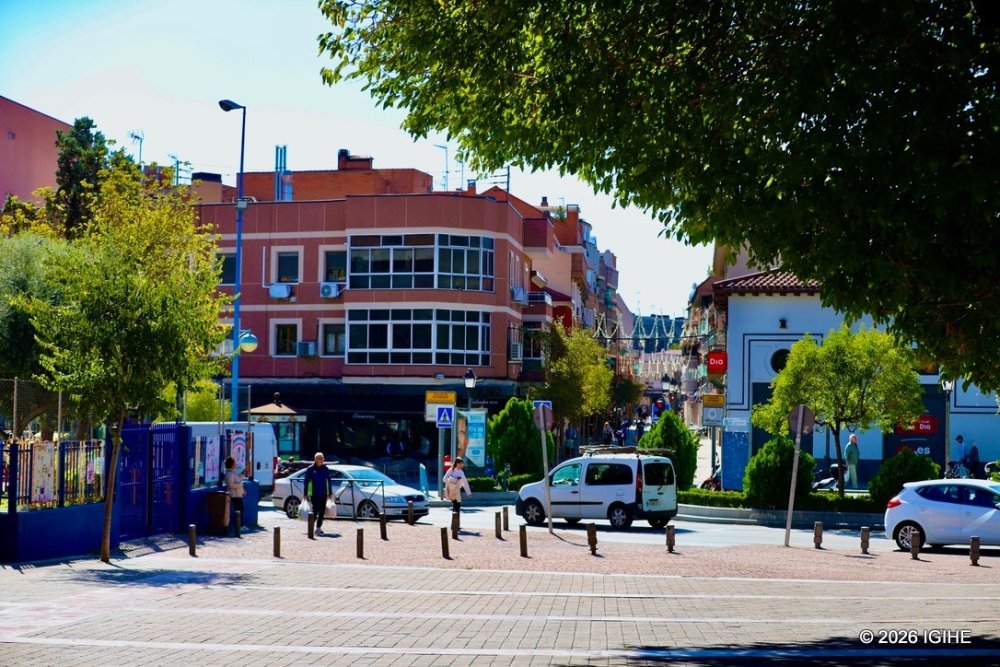
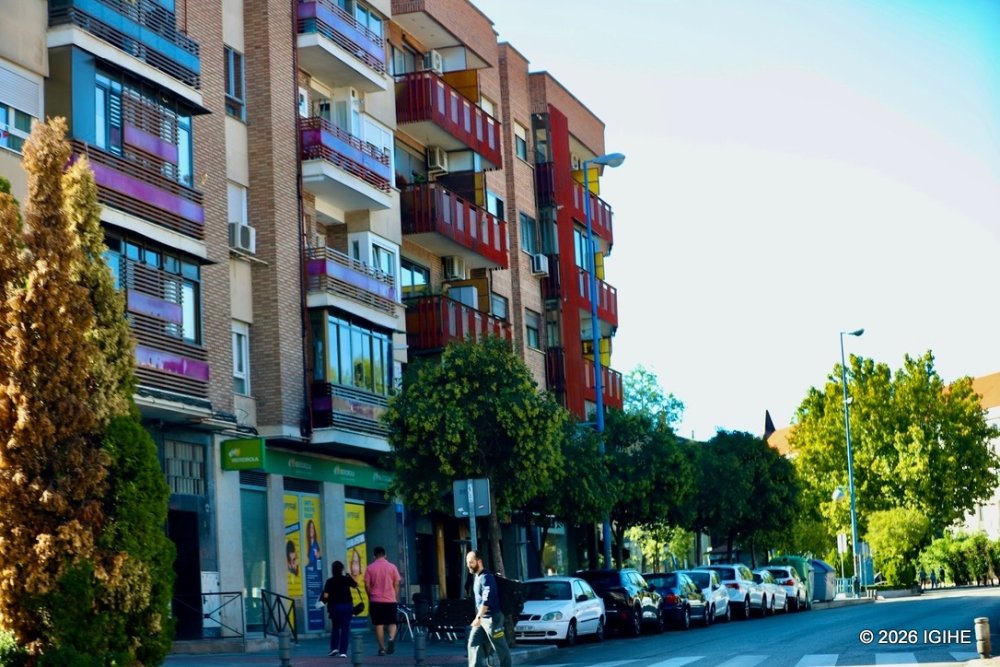
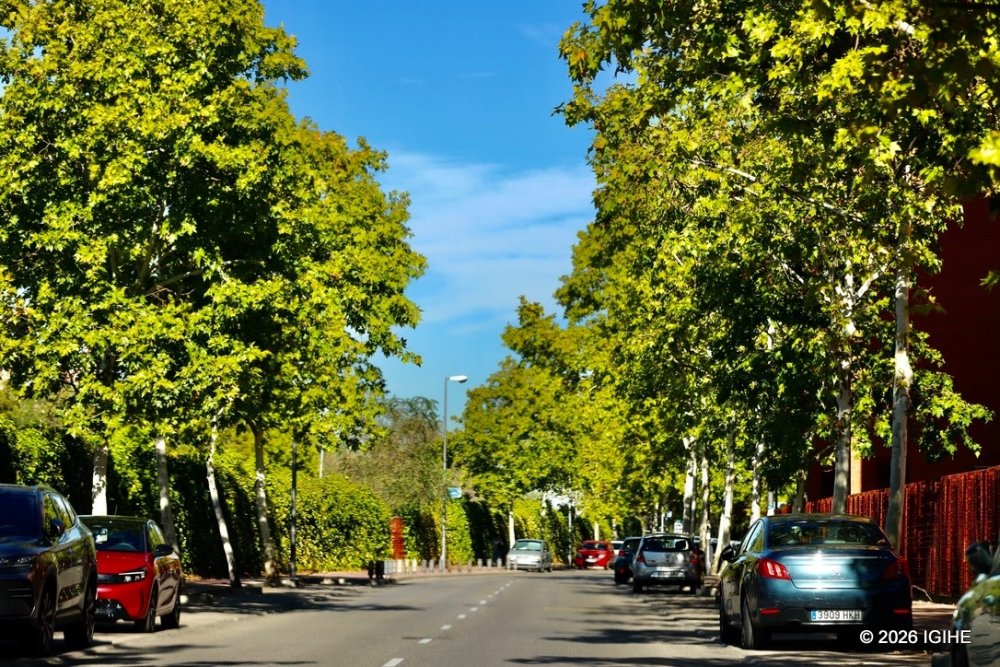
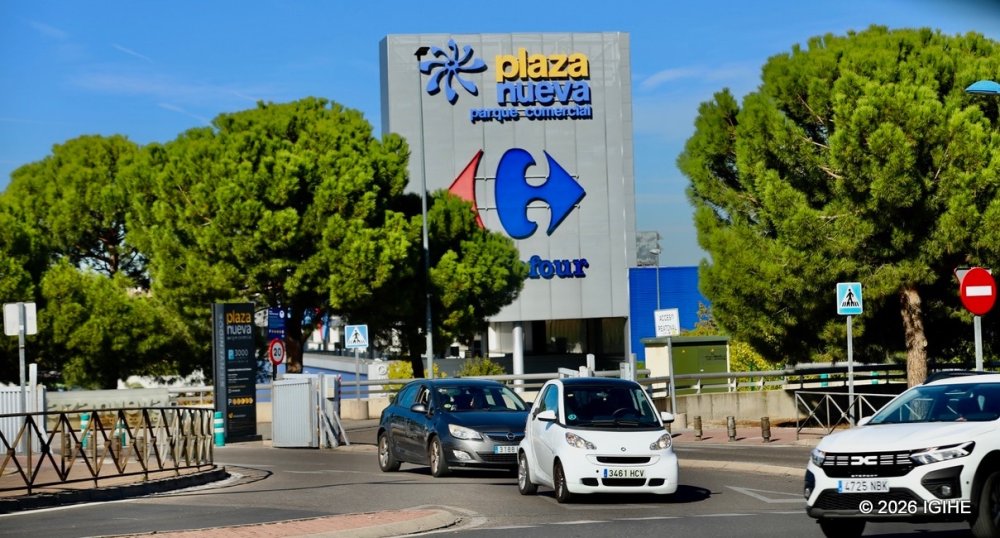
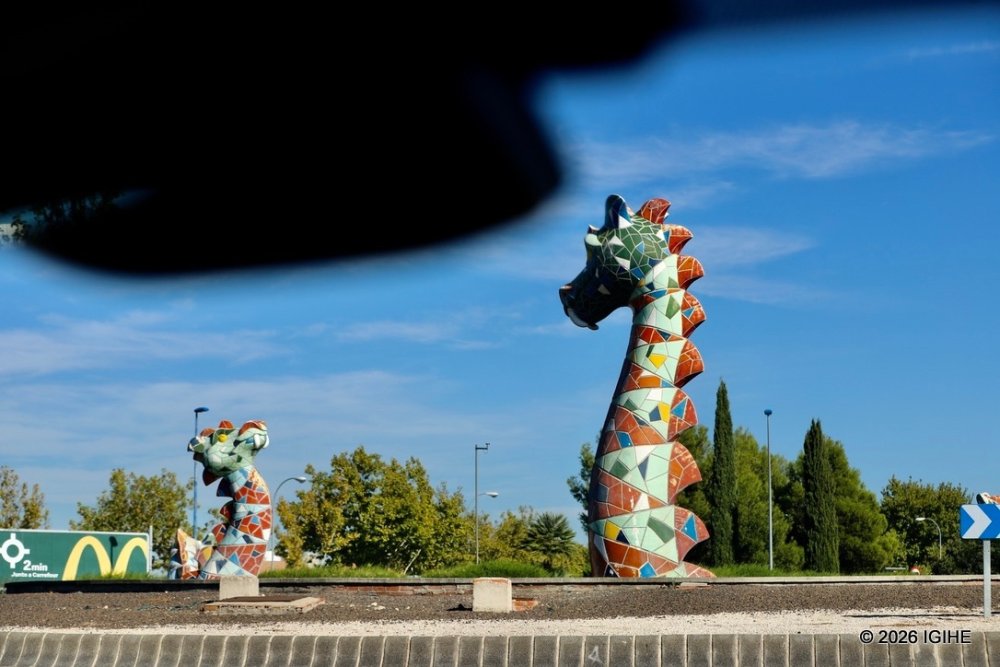
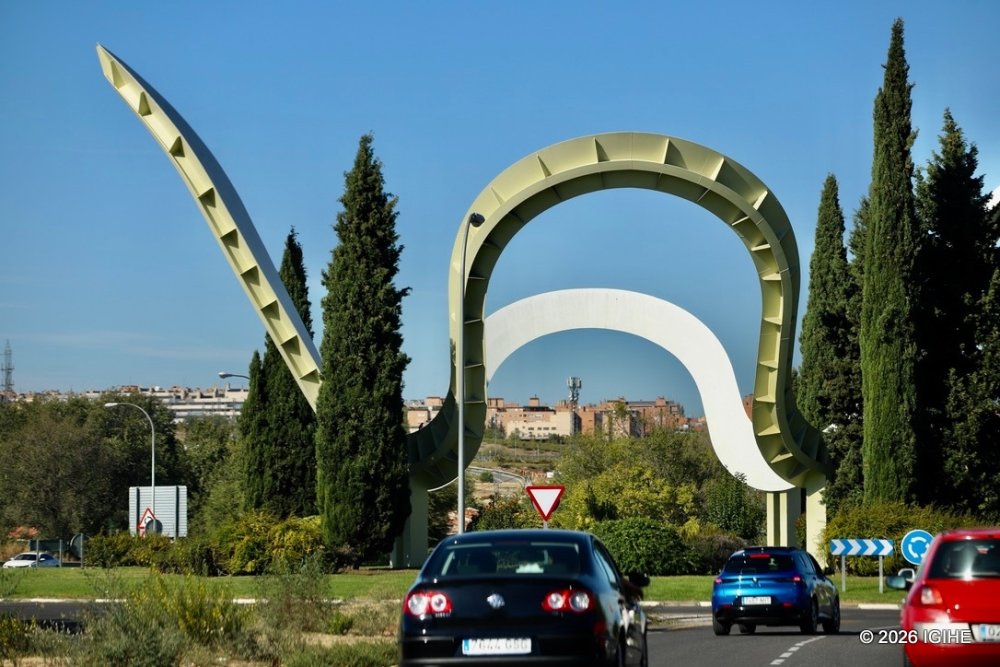
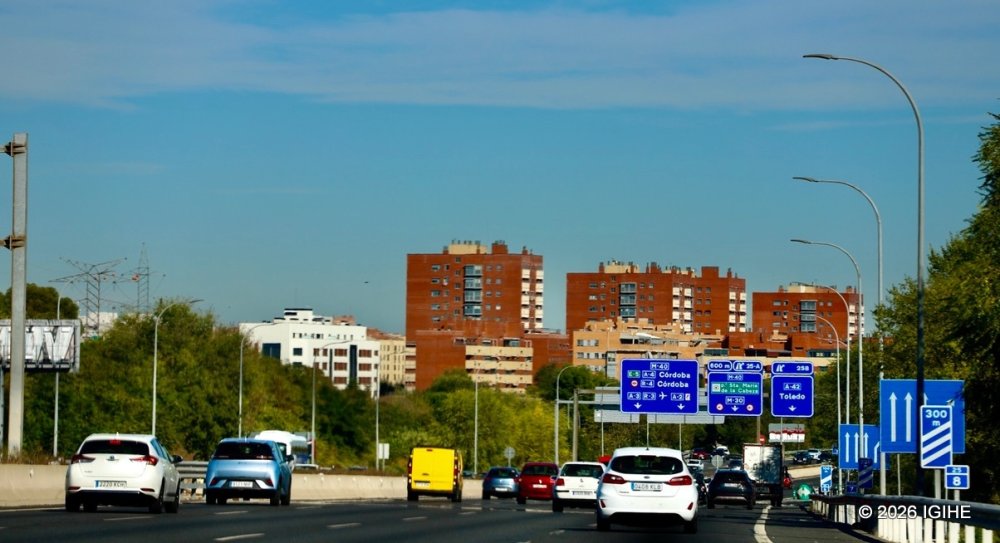
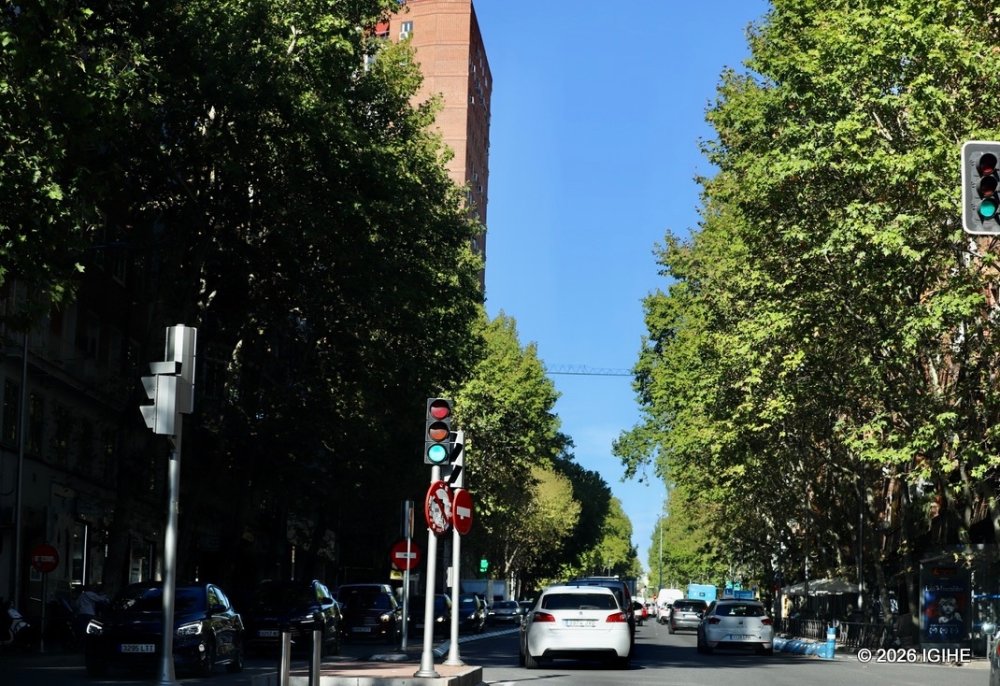
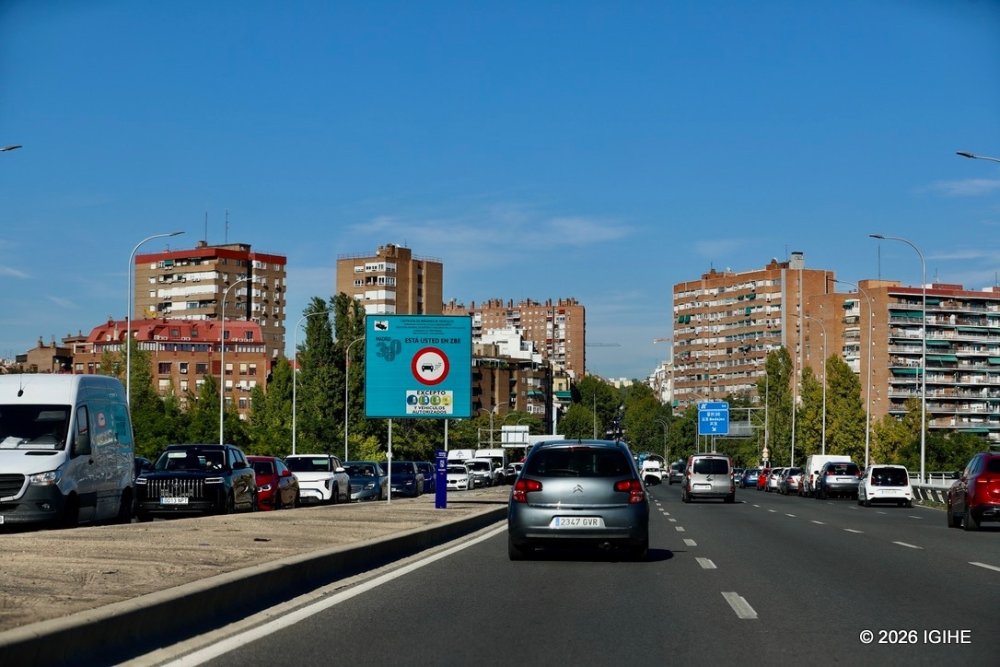
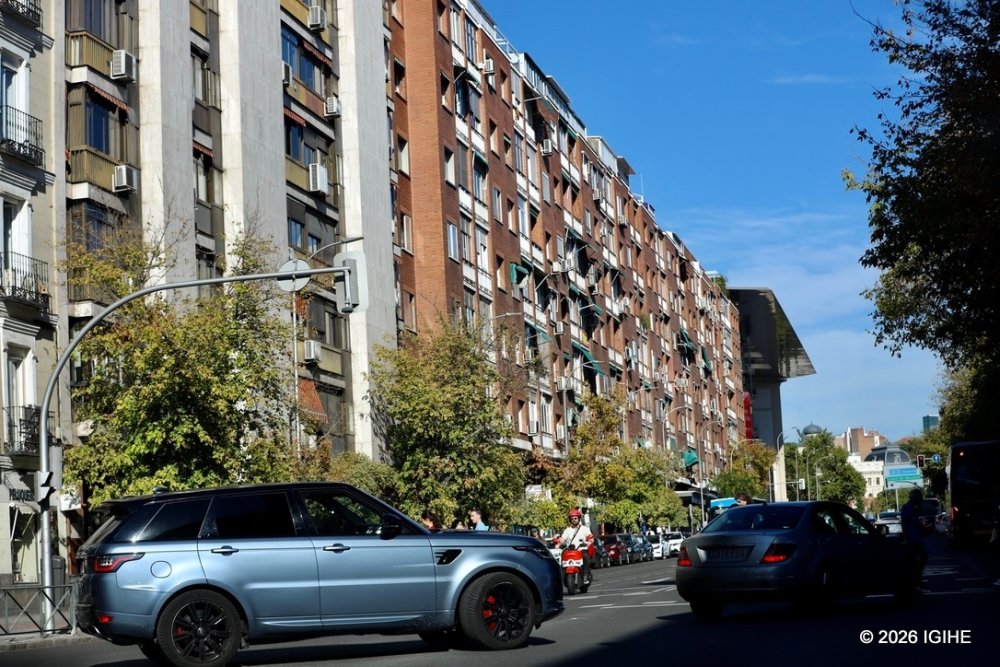
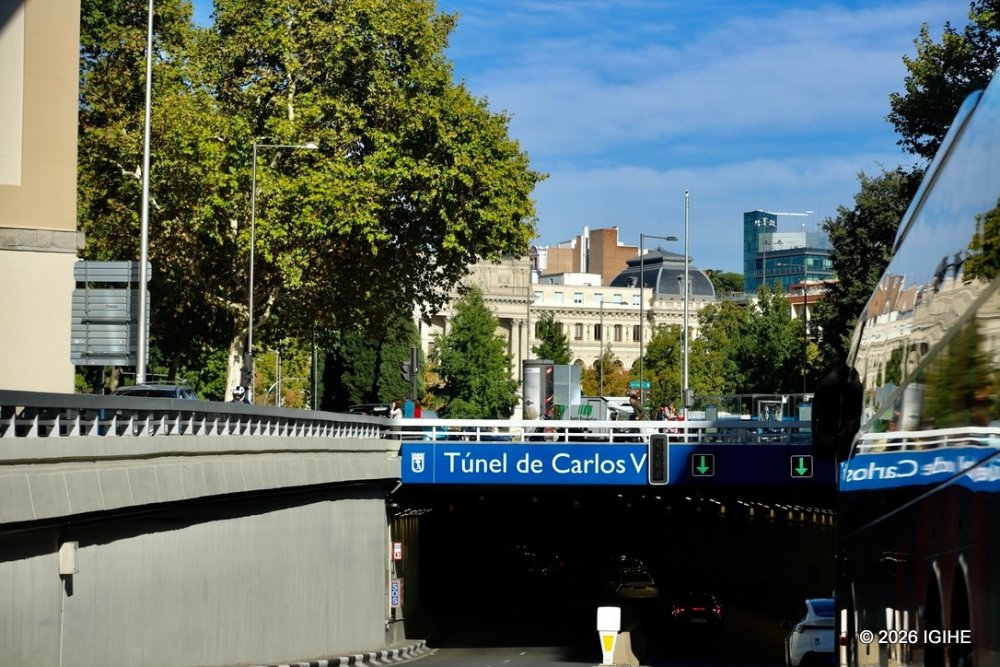
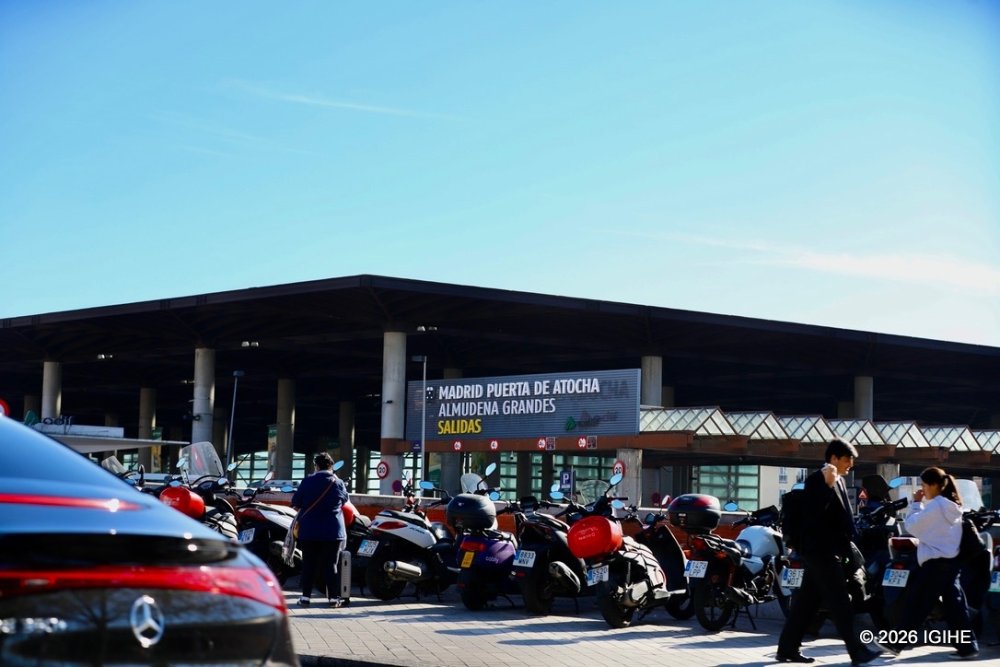
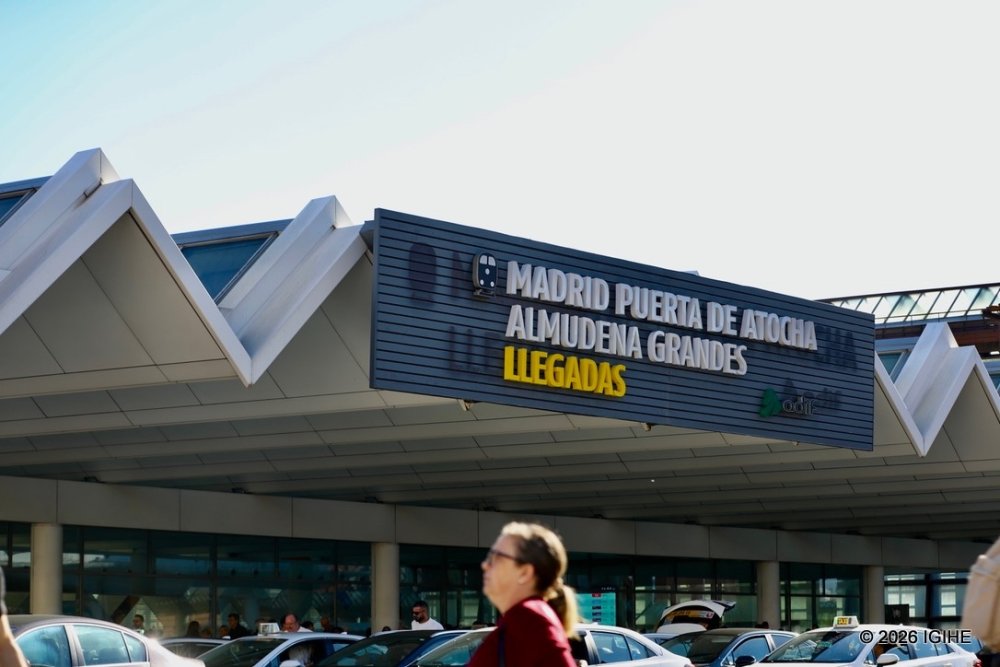
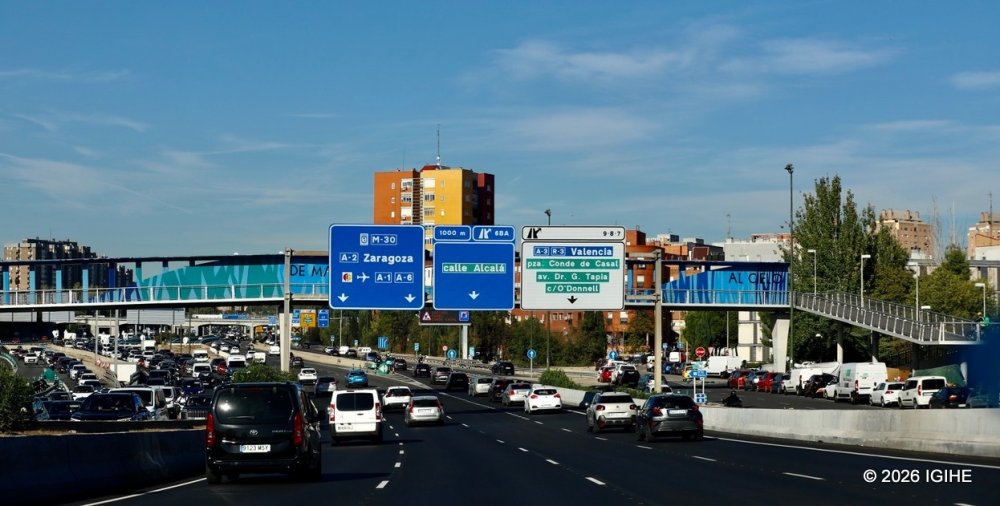
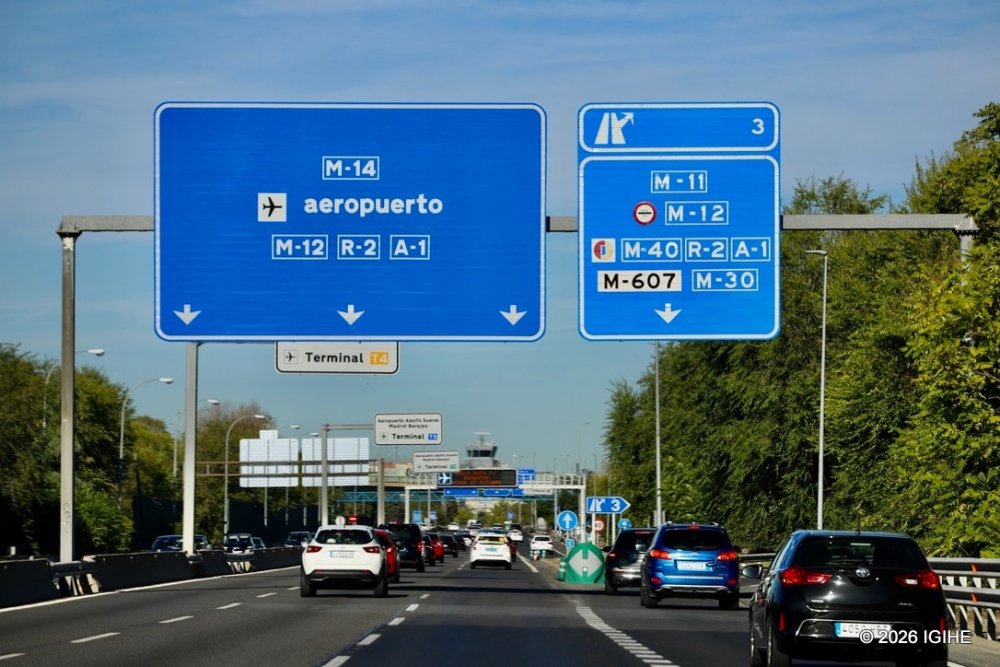
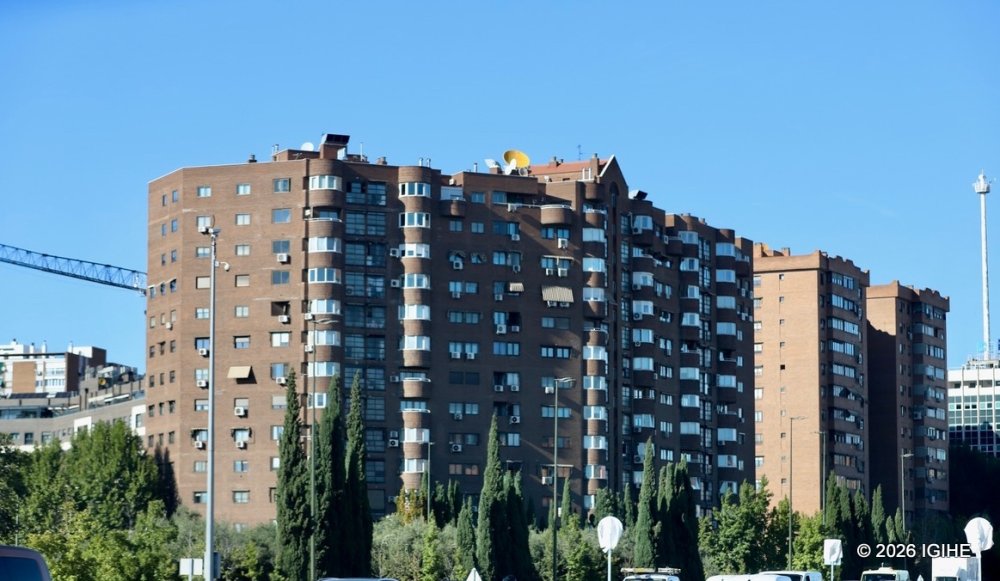
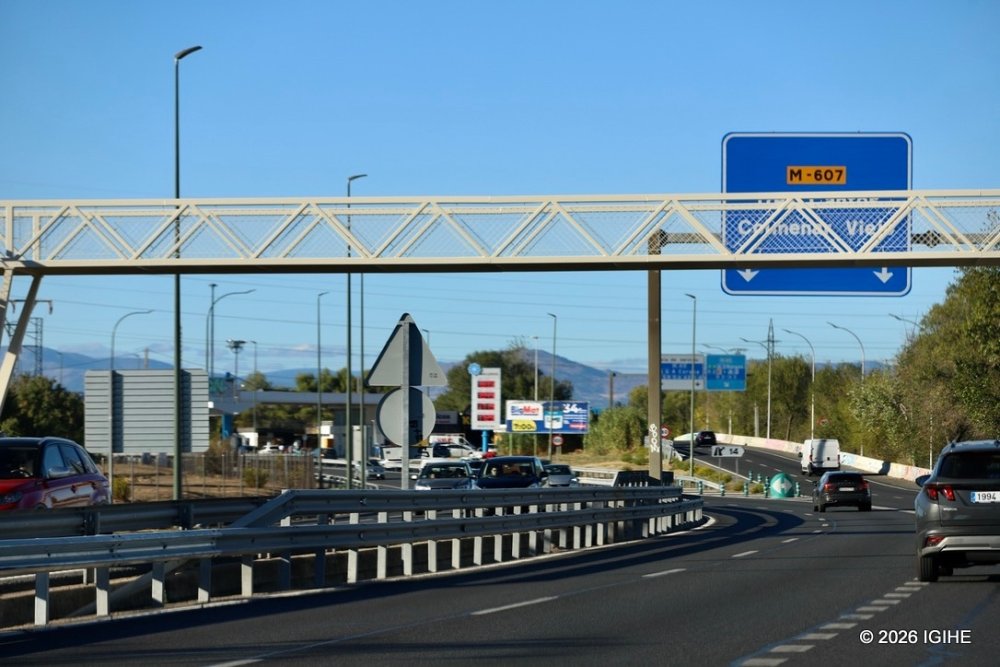
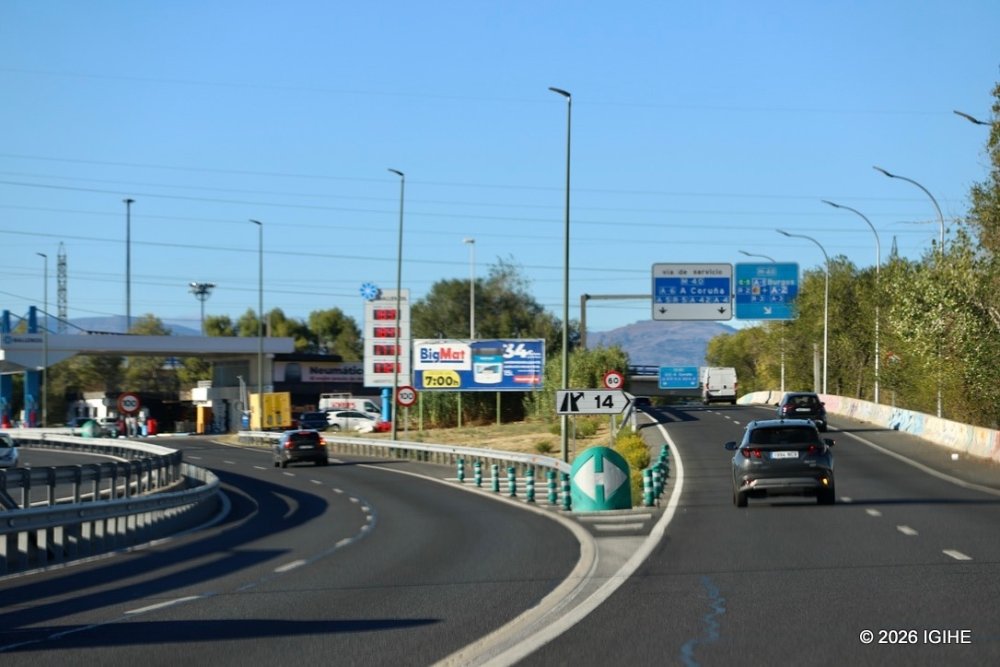
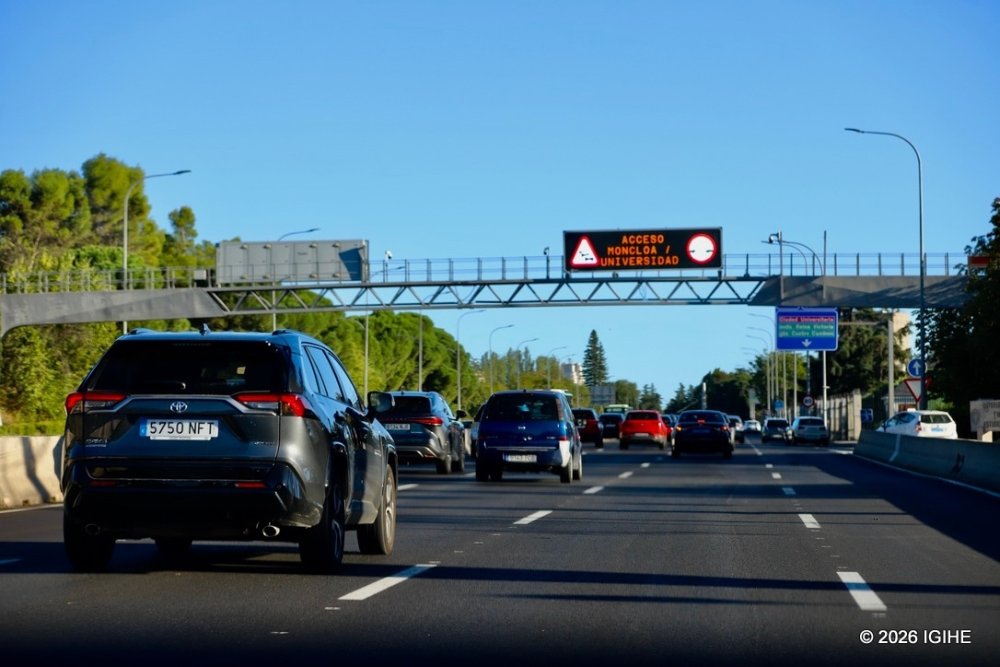
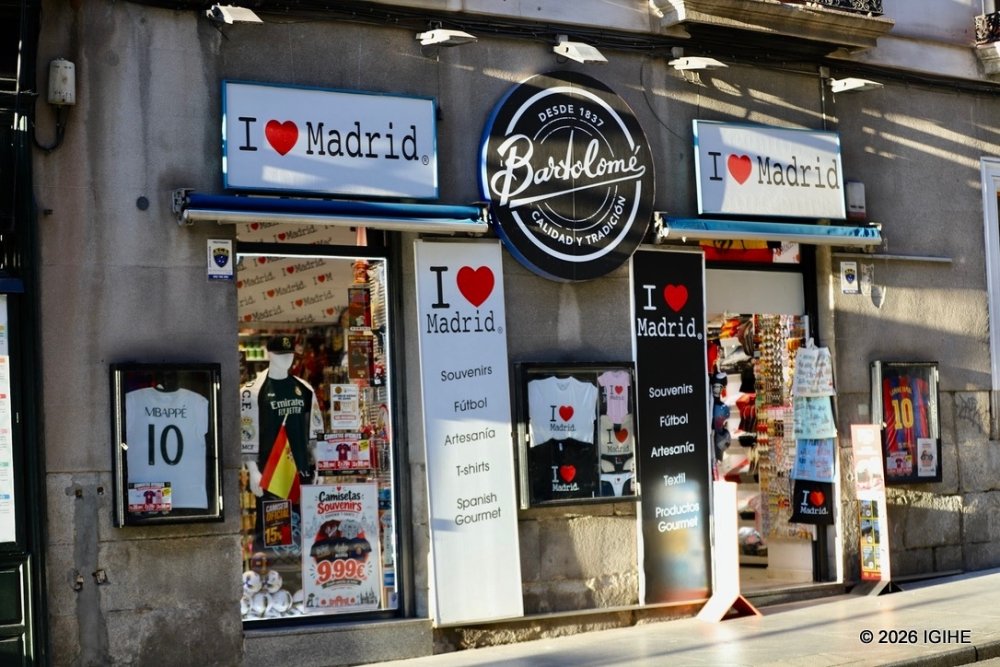
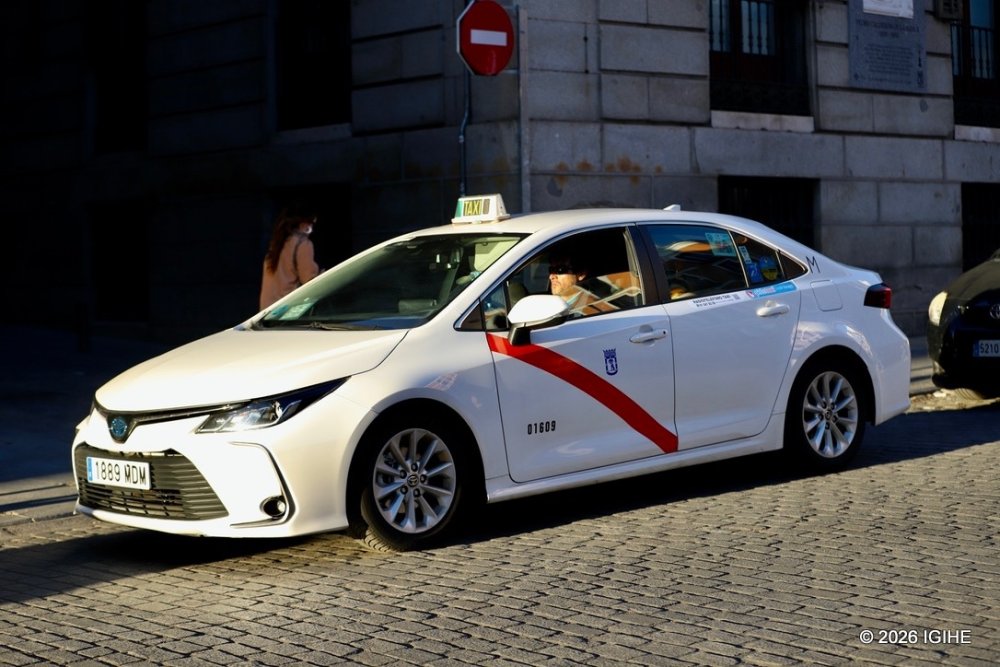
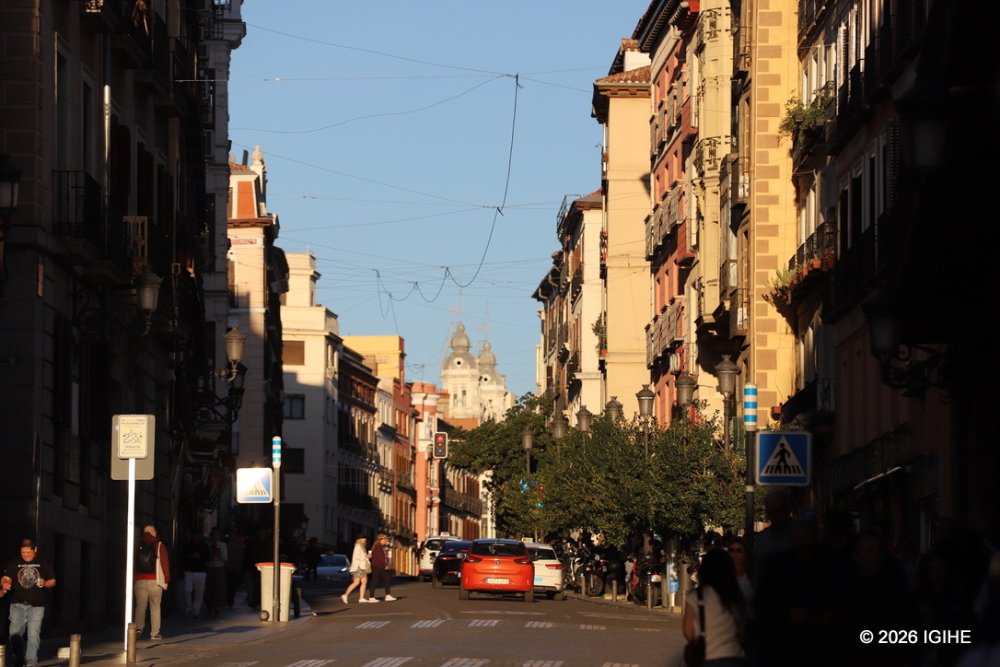
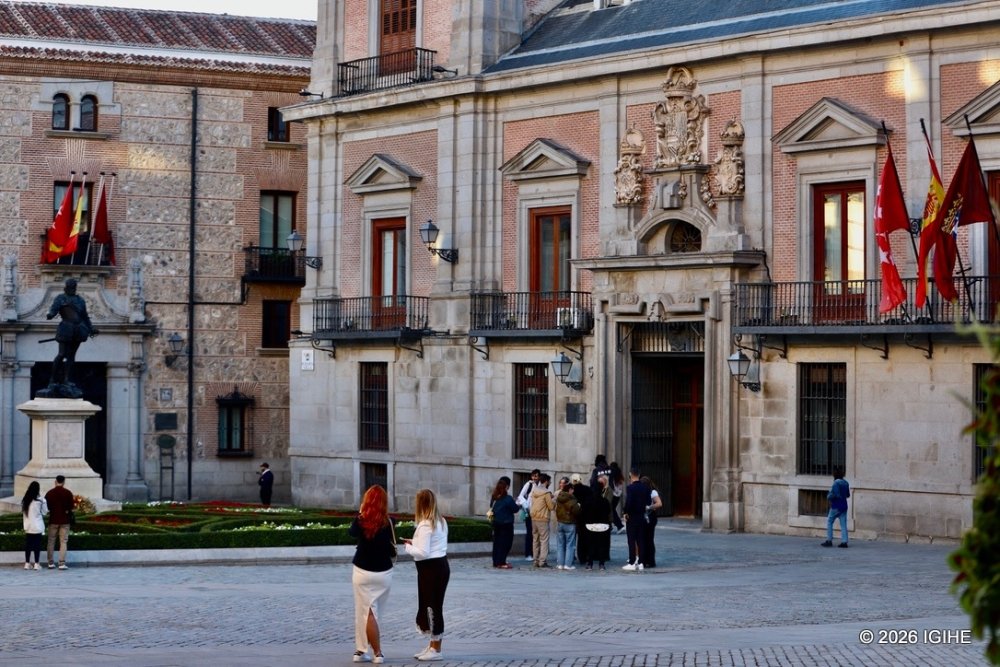
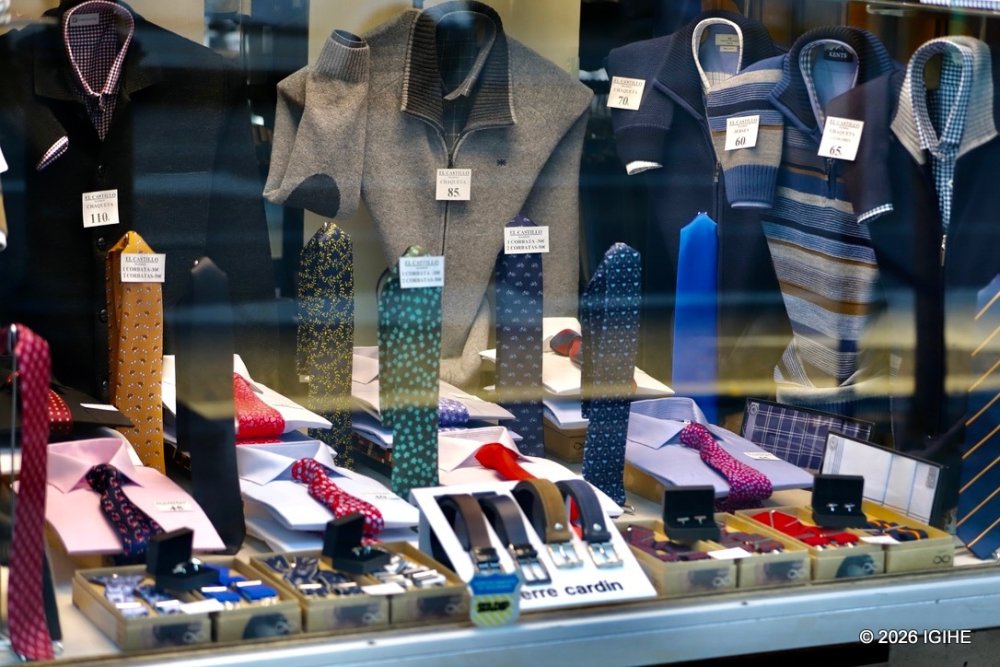
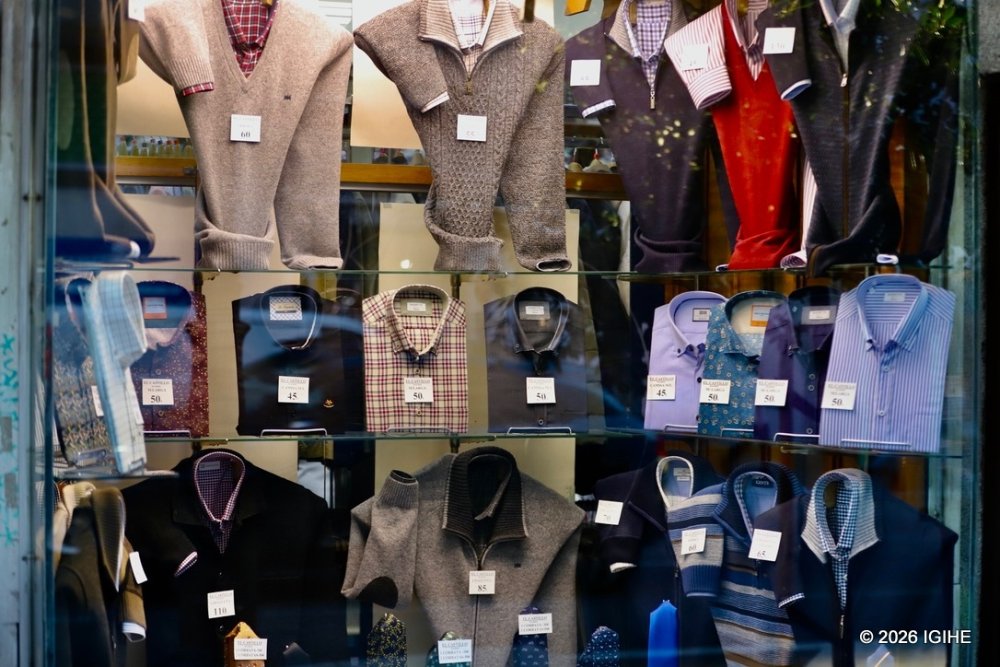
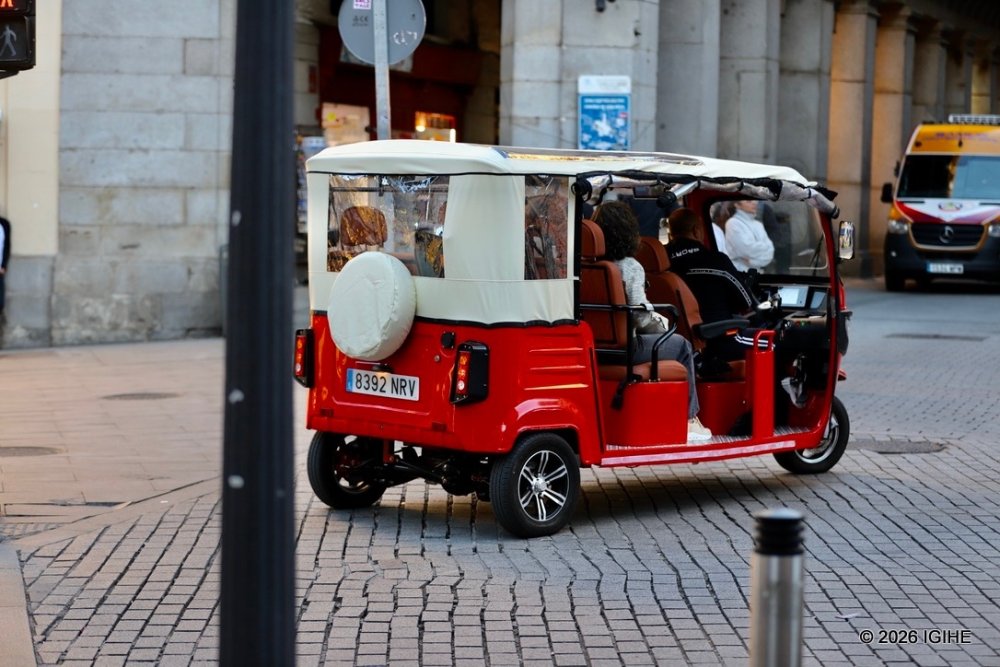
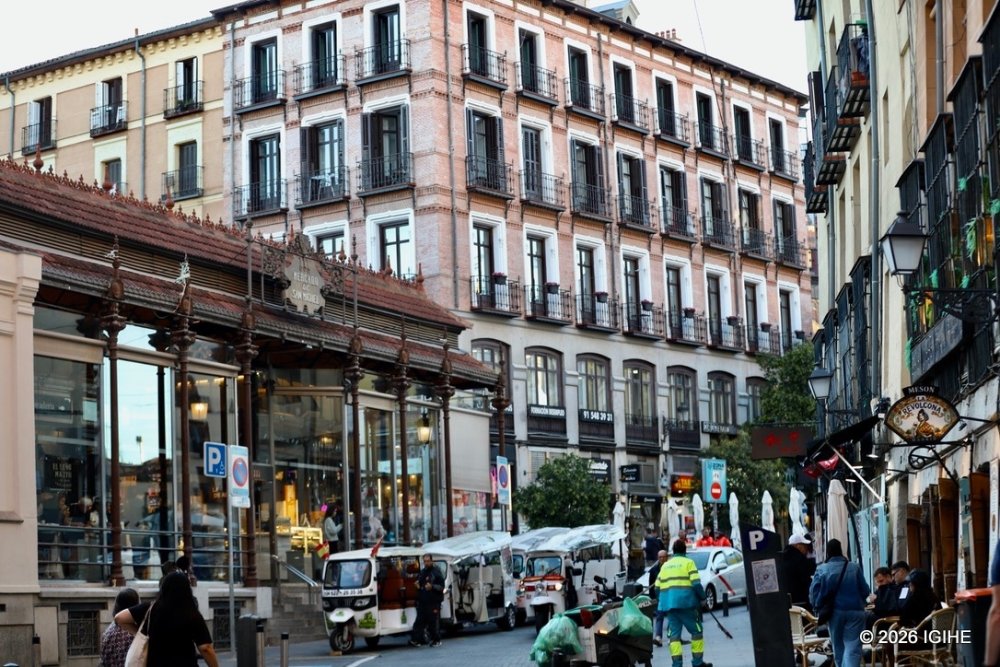
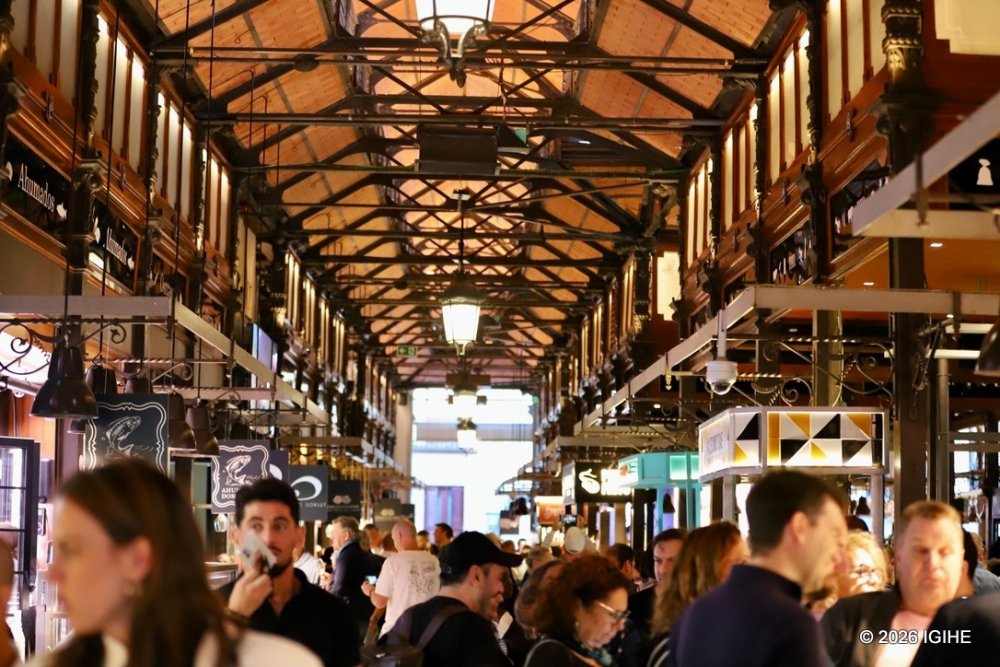
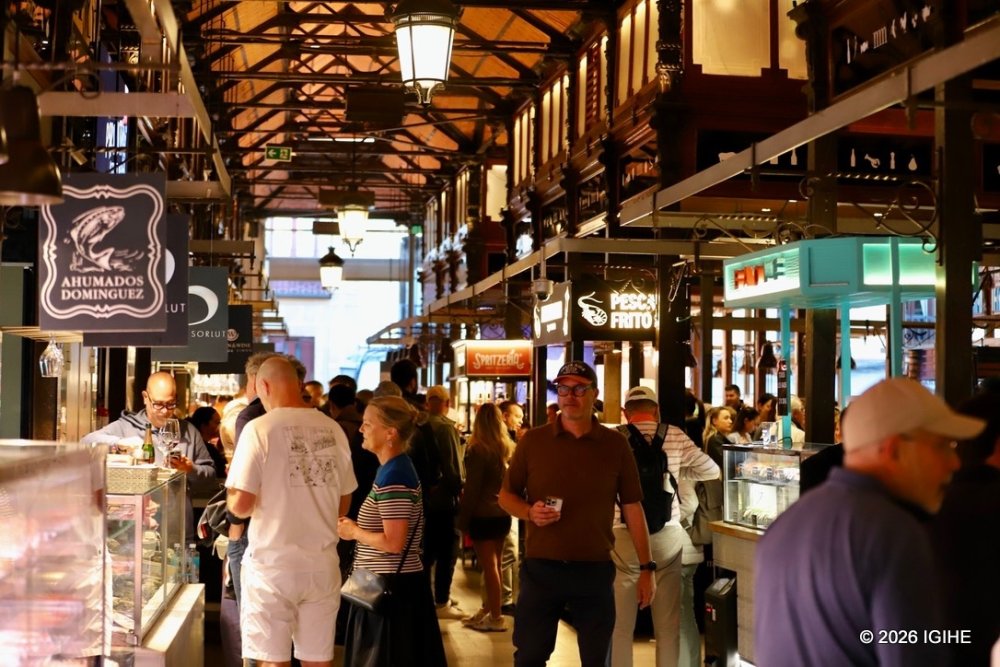
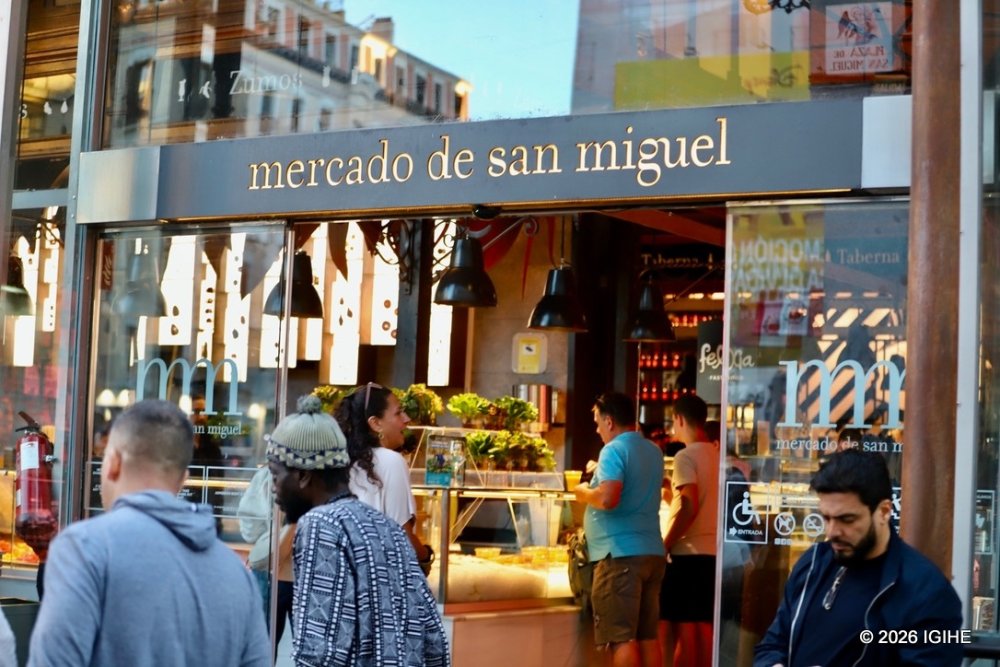
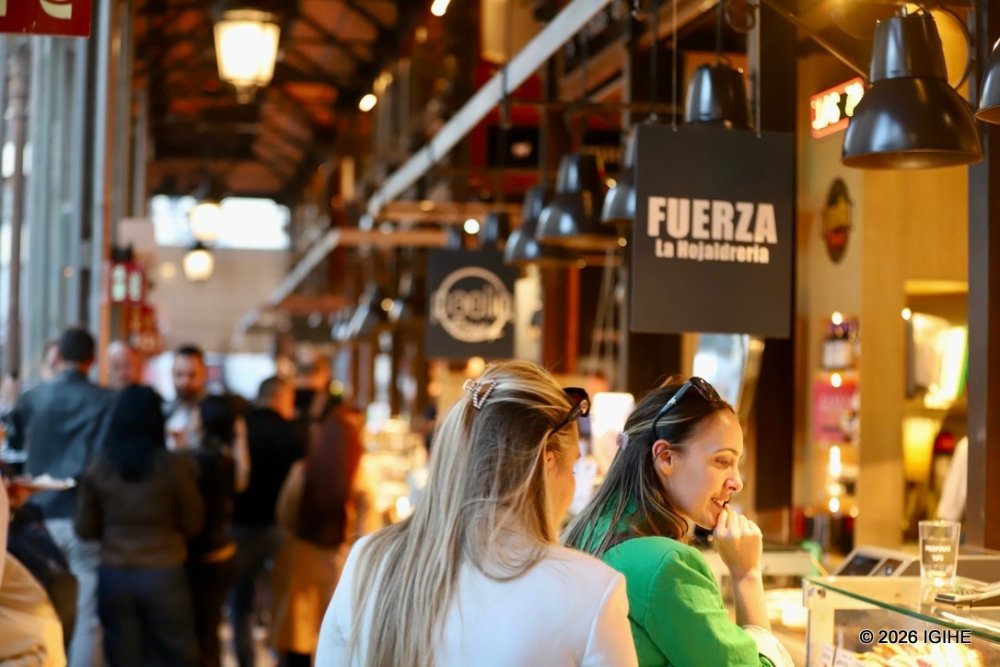
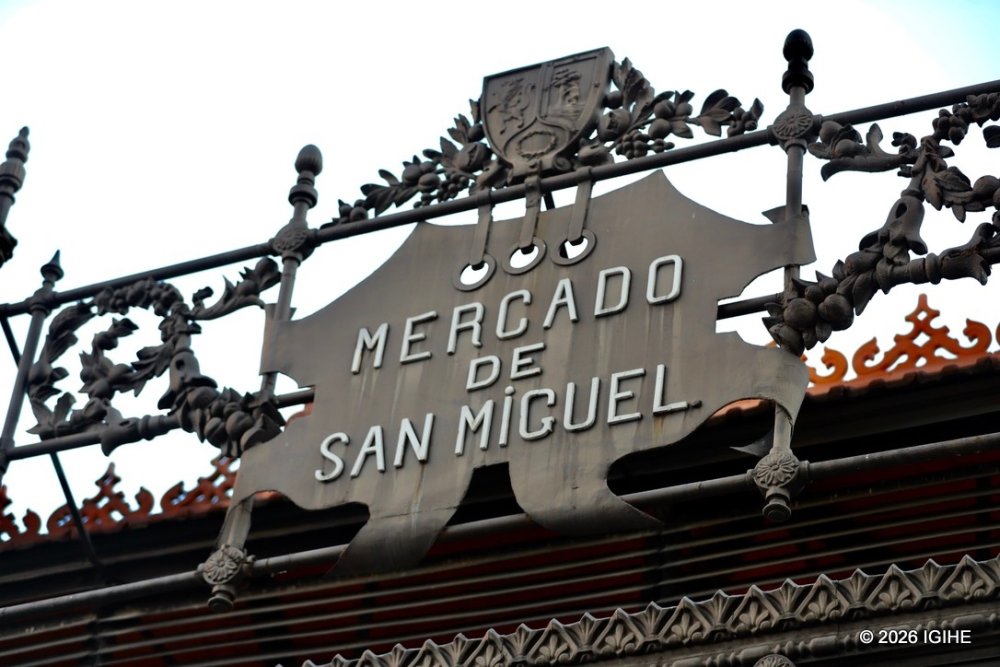
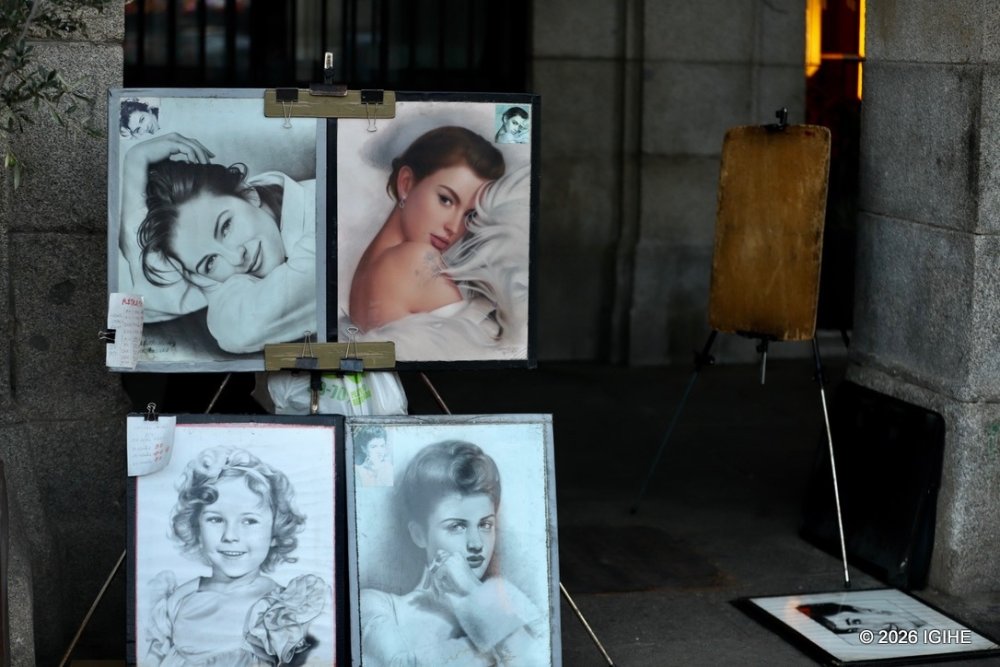
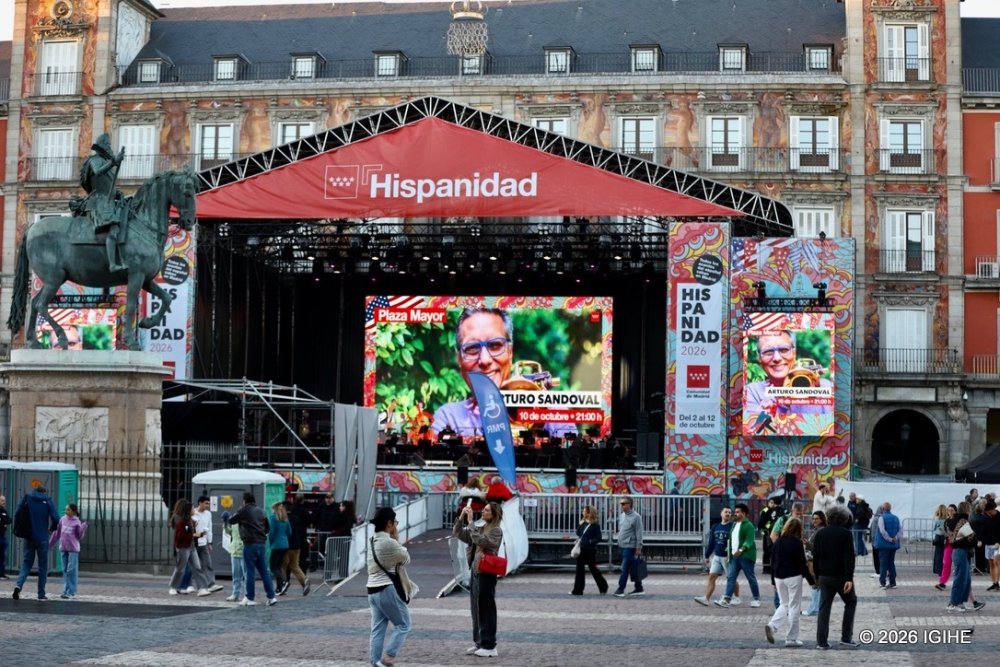
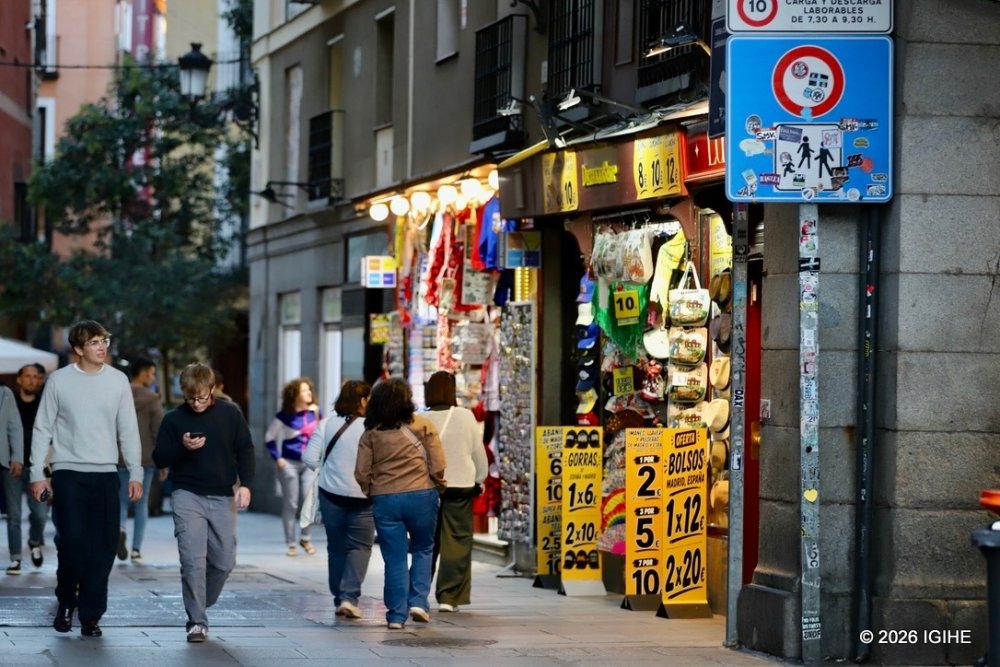
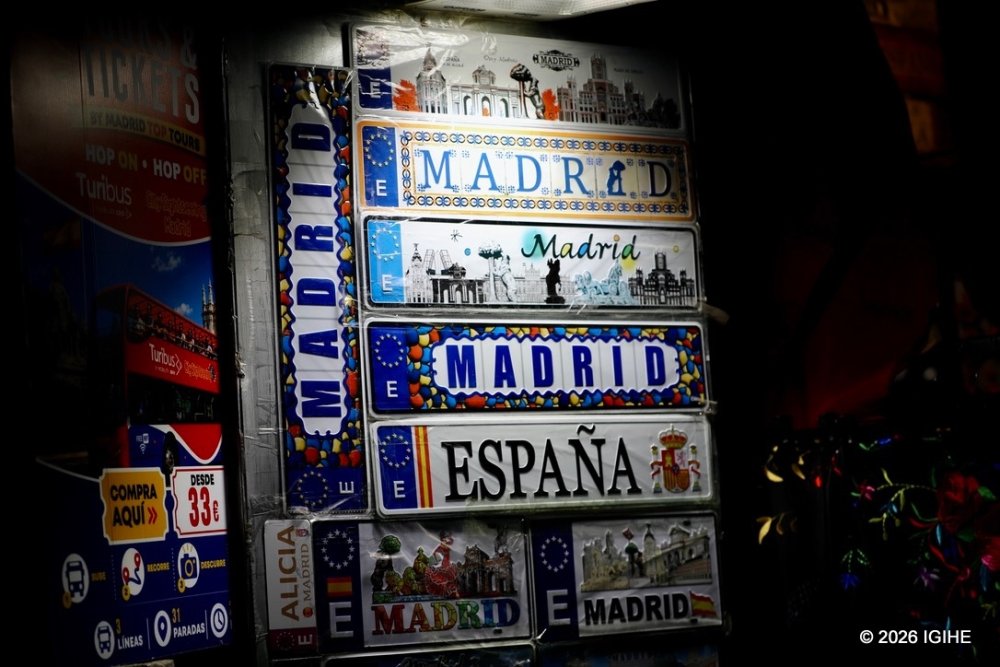
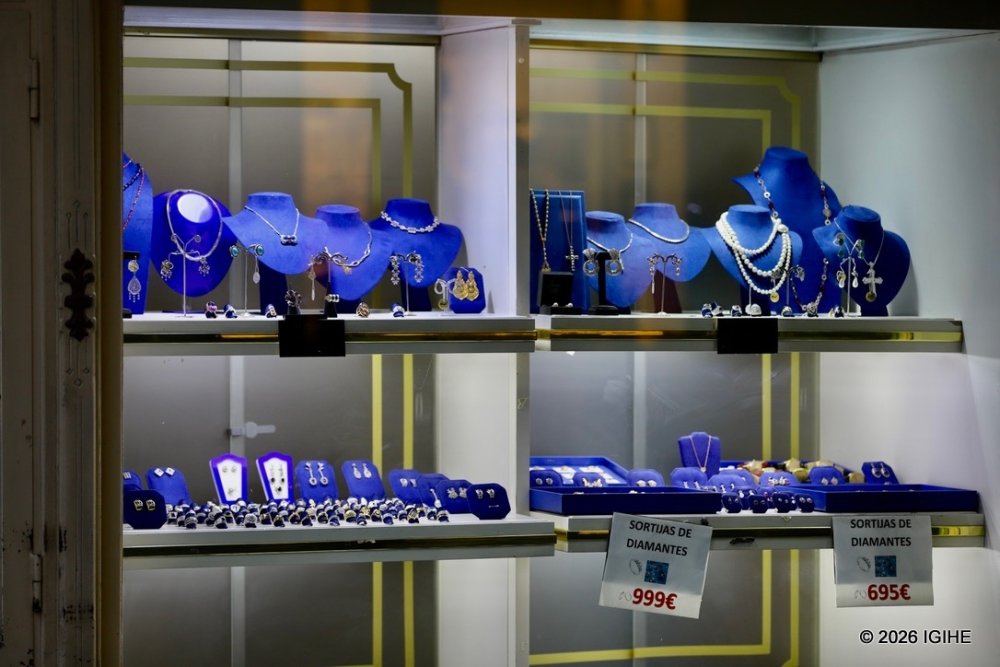
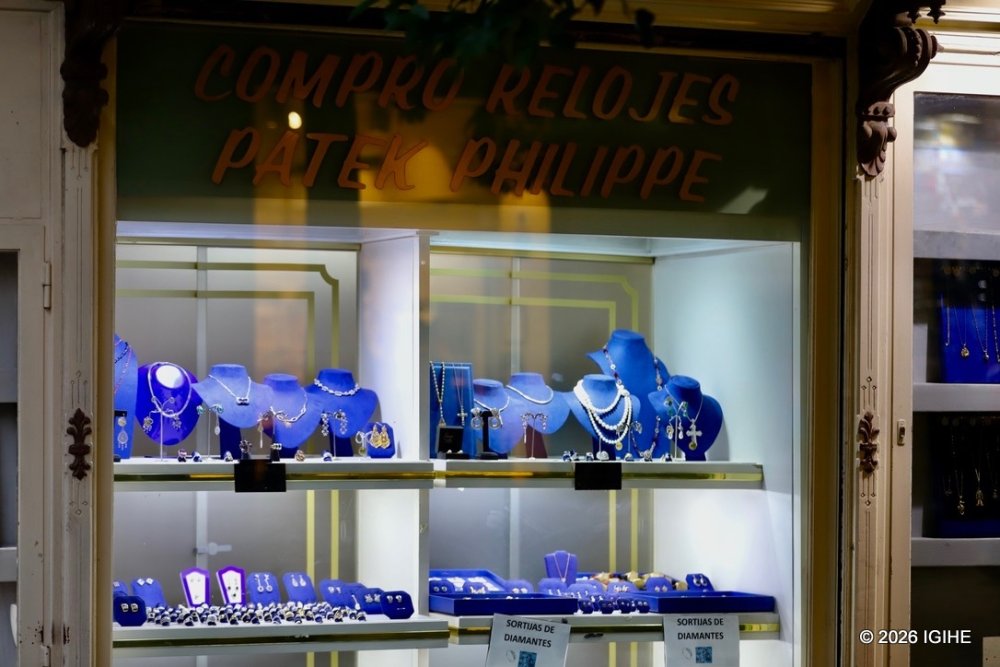
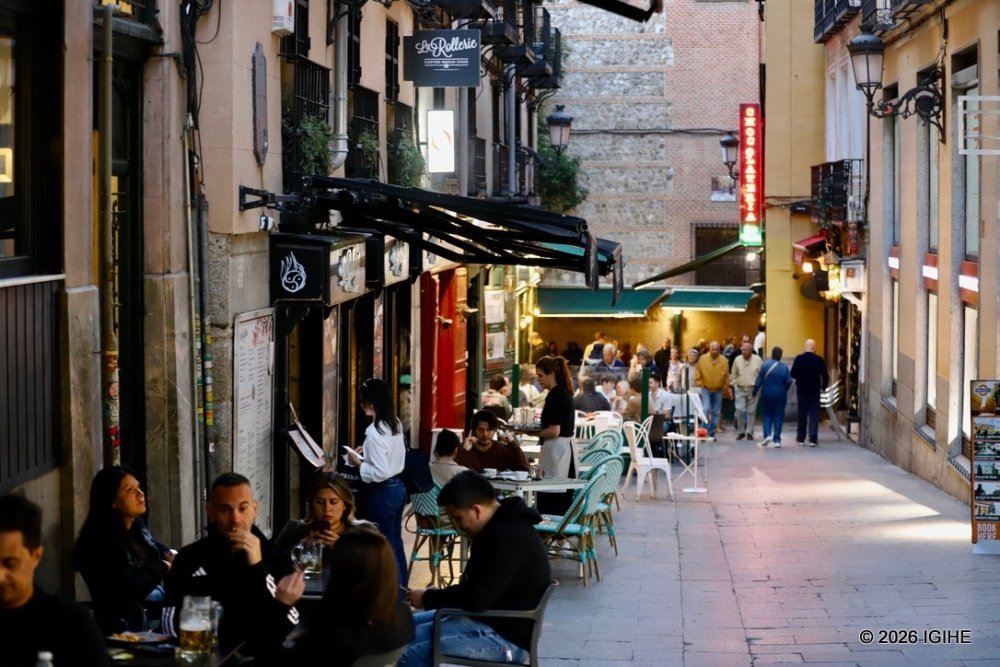
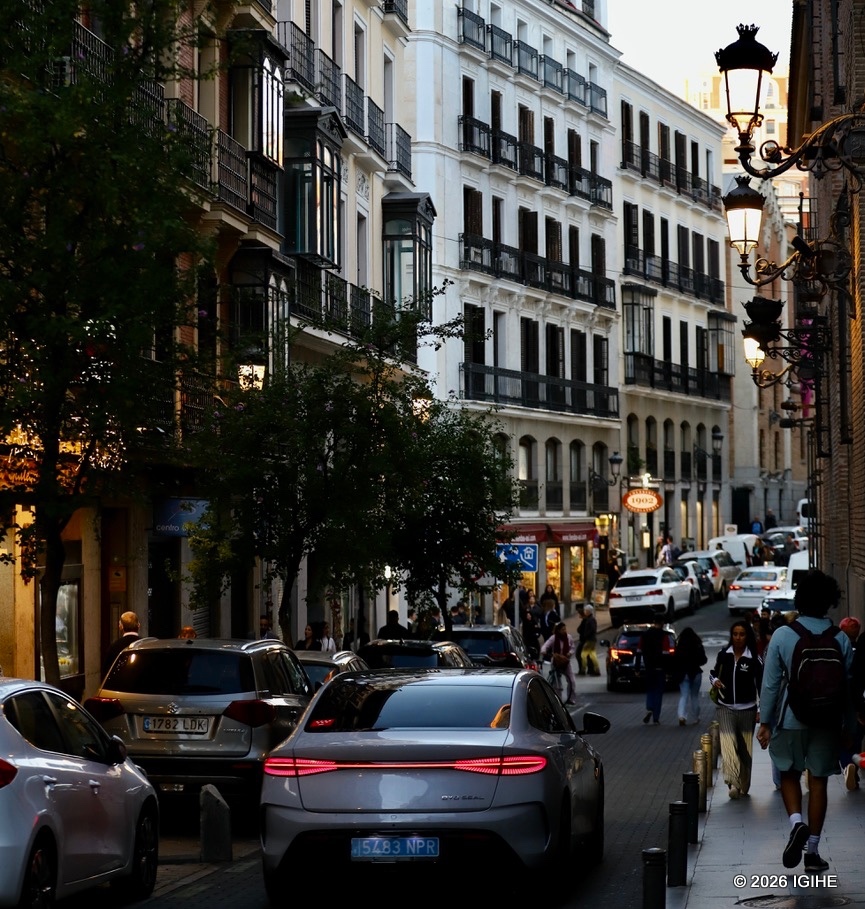
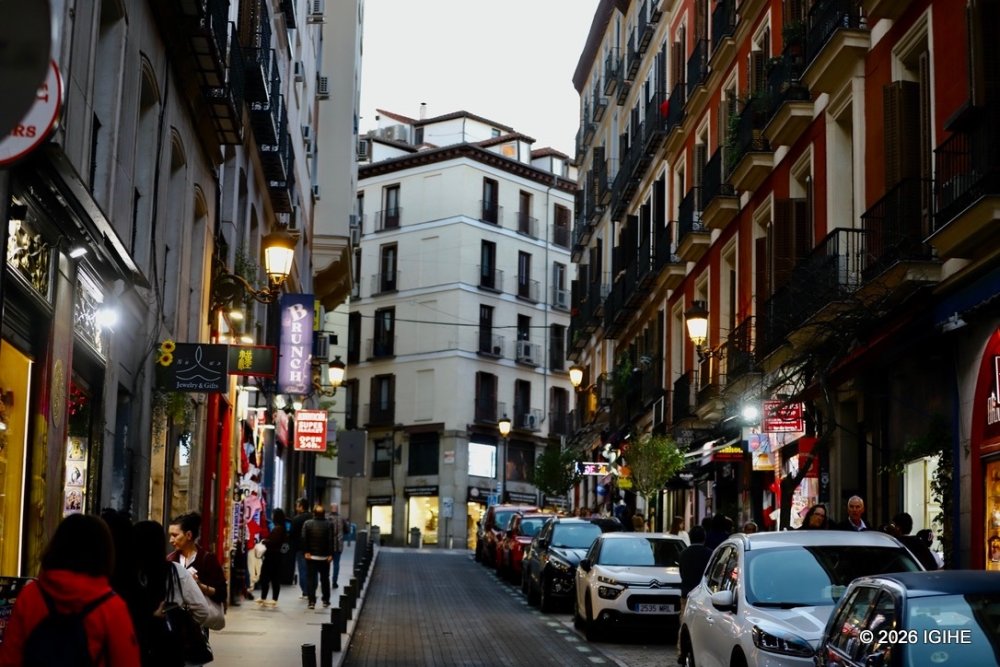
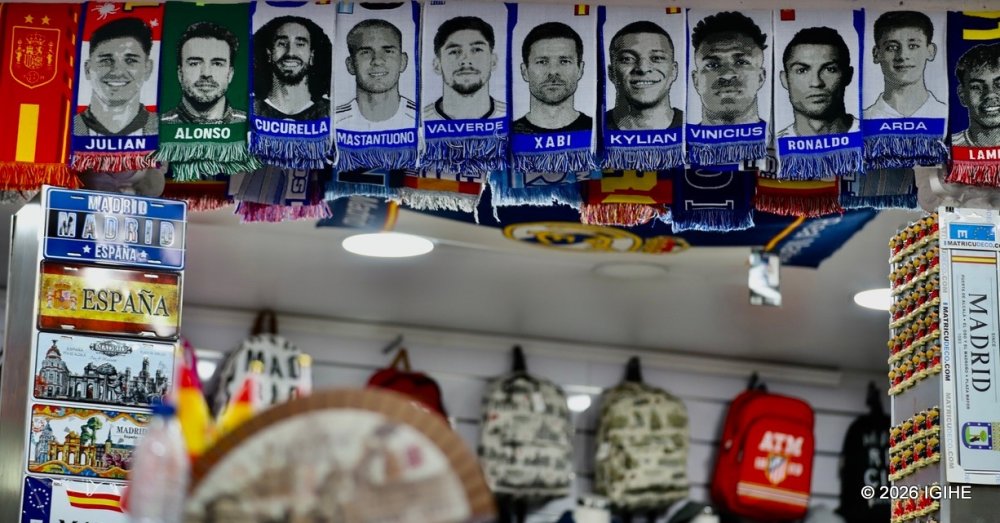
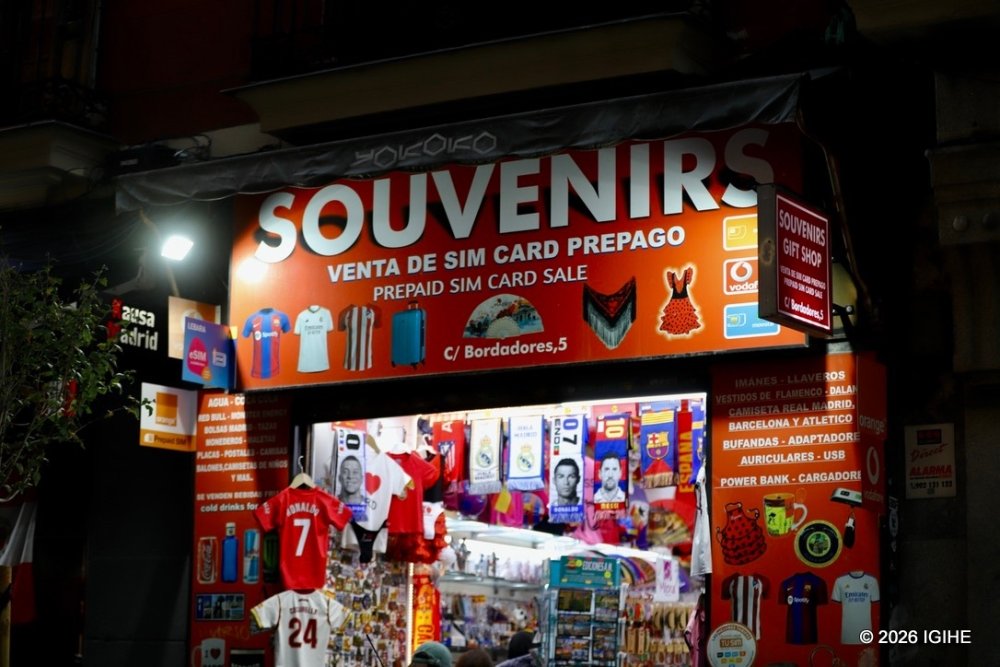
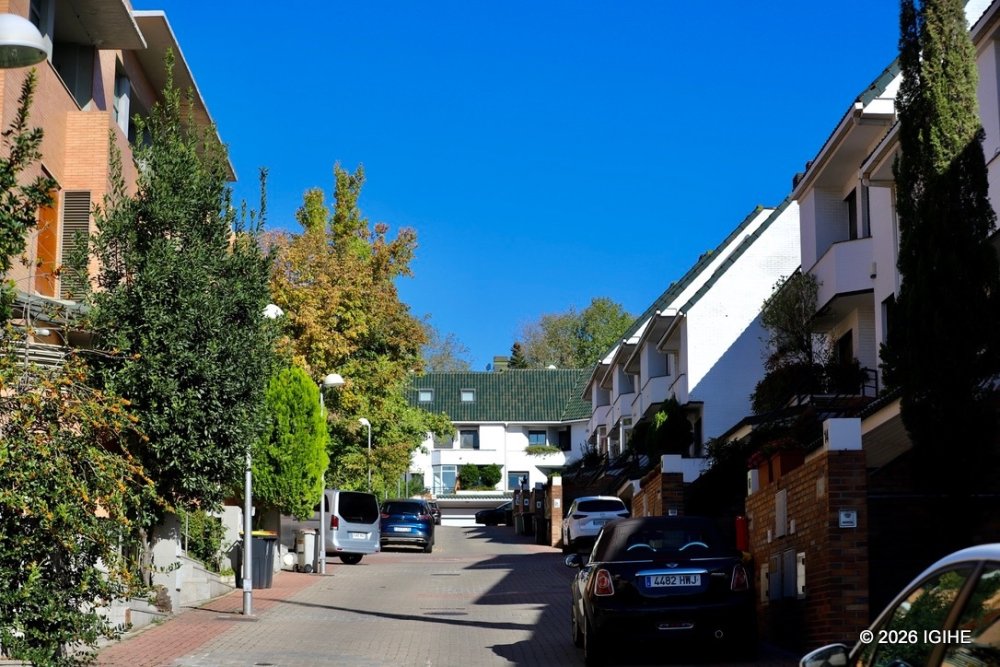
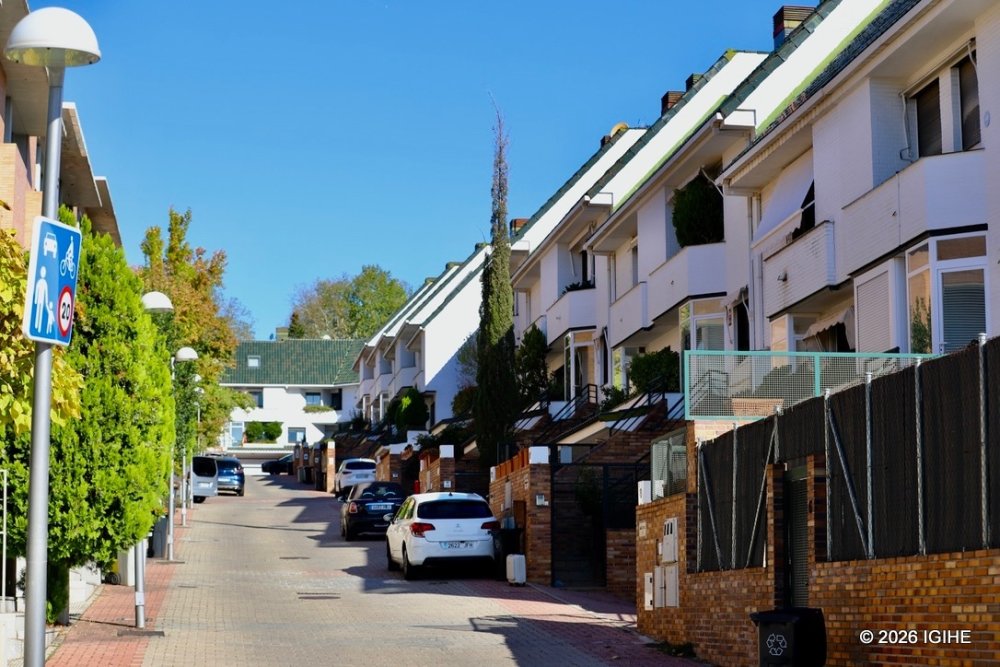
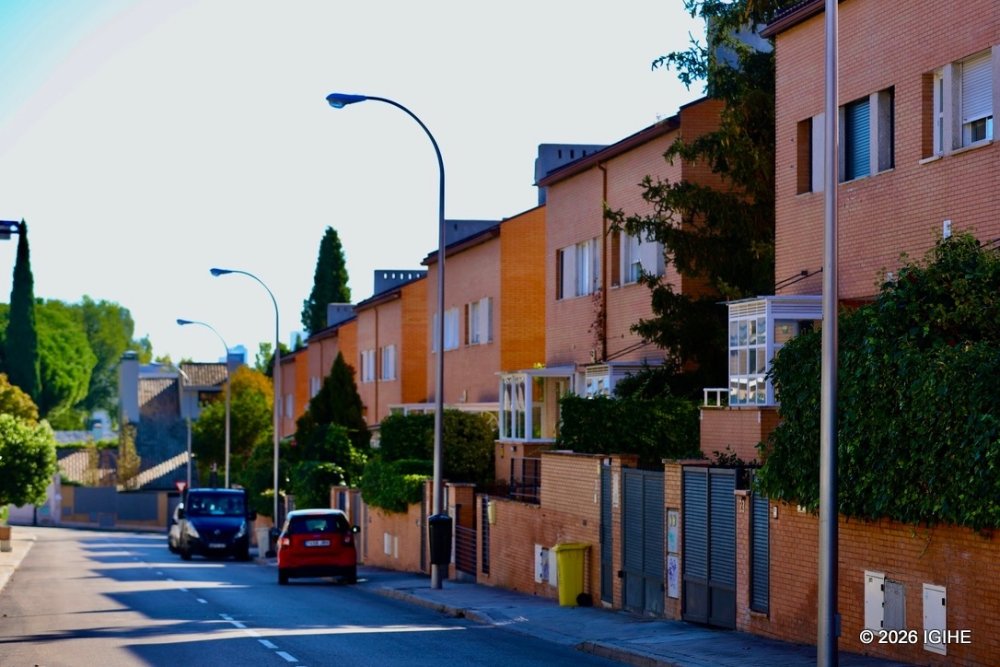
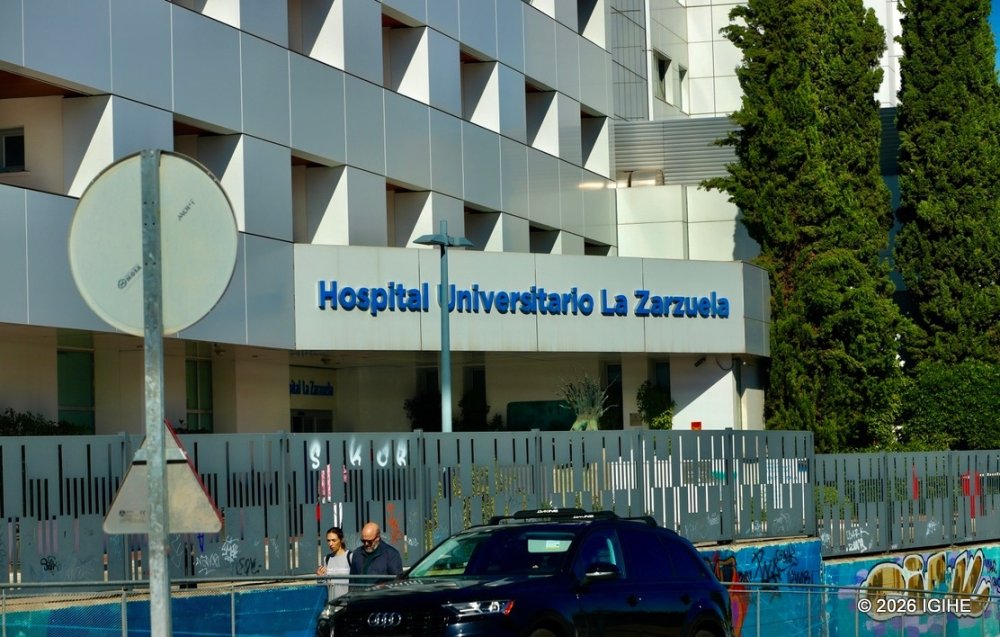
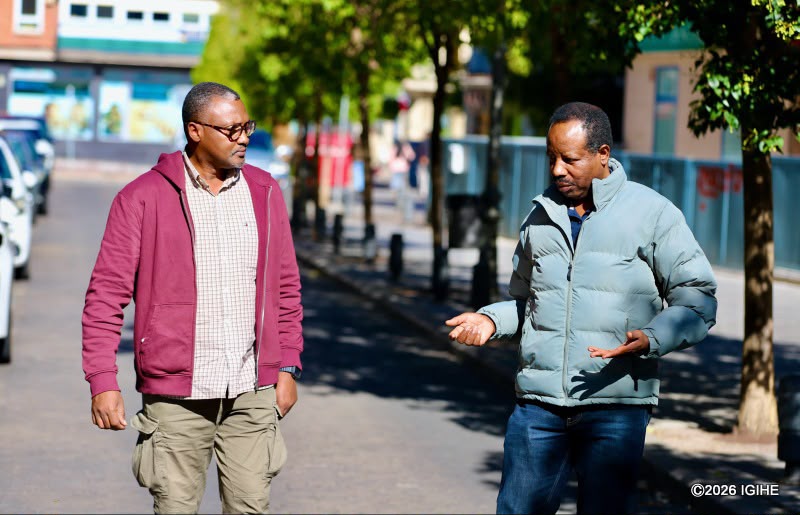
Carlos III International School is among the educational institutions in Madrid, a city home to a wide range of schools and research centres.Residential apartment buildings in Madrid, with various businesses operating on the ground floors.Tree-lined streets add to Madrid’s distinctive beauty, providing residents with a pleasant and relaxing urban environment.Plaza Nueva is one of Madrid’s commercial centres, housing shops and other businesses that cater to shoppers.These colourful, uniquely designed signs are among the artistic installations displayed in public spaces across Madrid.Art installations at road intersections are among the features that contribute to Madrid’s distinctive character and beauty.Vehicles travel along Madrid’s main roads, where directional signs guide drivers to various destinations, including Córdoba and Toledo.Tree-lined streets provide shade, enhance Madrid’s beauty and contribute to a greener urban environment.Apartment buildings lining Madrid’s main roads reflect how the city combines architecture, commerce and residential living.Madrid has numerous residential apartment buildings lining streets busy with different types of vehicles.The Túnel de Carlos V is an underground road that helps facilitate traffic flow in Madrid.Madrid’s Puerta de Atocha–Almudena Grandes railway station is one of Spain’s major transport hubs, connecting the capital with other cities across the country.Madrid’s Puerta de Atocha–Almudena Grandes is one of the city’s major railway stations, connecting passengers to destinations across Spain.Madrid’s roads connect different parts of the city, with directional signs pointing towards destinations such as Zaragoza and Calle Alcalá.Road signs in Madrid guide travellers to the airport, helping them navigate routes to different terminals and areas.Modern high-rise buildings reflect Madrid’s development, blending contemporary architecture with historic structures.Madrid has wide roads and pedestrian bridges designed to ease movement and improve safety for road users.Madrid has numerous souvenir shops selling clothing, gifts and other items representing Spain and its football clubs.Taxis are among the transport options available in Madrid, which has a diverse public transport network.Madrid’s streets are lined with architecturally distinctive buildings, some of which date back several decades.Historic buildings with distinctive architecture are among the features that make Madrid, Spain’s capital, a popular destination for tourists from around the world.Shops in Madrid sell men’s clothing and accessories, including ties, belts and shirts.Madrid has a wide range of clothing shops, including those selling men’s suits, reflecting the role of retail in the city’s economy.Three-wheeled vehicles are among the transport options used to take tourists around Madrid’s various attractions.San Miguel Market in Madrid is a popular cultural destination where visitors from different backgrounds can sample traditional Spanish food and drinks.Street artists in Madrid create paintings as a source of livelihood, with their work forming a valued part of the city’s cultural scene.Plaza Mayor also hosts public performances and events.Plaza Mayor is a popular landmark in Madrid, attracting tourists and other visitors to the city.Madrid is home to specialised jewellery shops.In the evening, people gather to chat and enjoy drinks together.Souvenir shops in Madrid attract visitors, particularly football fans looking for memorabilia to take home.Life in the countryside is quieter than in the city, offering a different lifestyle from the busy urban environment.Hakizimana Gédéon, a Rwandan resident of Madrid, told IGIHE that the city offers a good environment for studying and doing business.







Loading comments...
Leave a comment