



The committees will review scientific evidence relating to medical products and clinical trials, supporting AMA and national regulatory authorities in making informed decisions on product quality, safety and effectiveness.
Their work is expected to strengthen regulatory cooperation across African countries, helping improve access to quality-assured medical products while protecting patients from unsafe, ineffective, substandard and falsified products.
The committees cover seven areas: evaluation of medicines, vaccines and biologicals; clinical trials oversight and good clinical practice; market intelligence and control; quality control laboratories and laboratory networks; vigilance; regulatory inspections; and medical devices, diagnostics and emerging technologies.
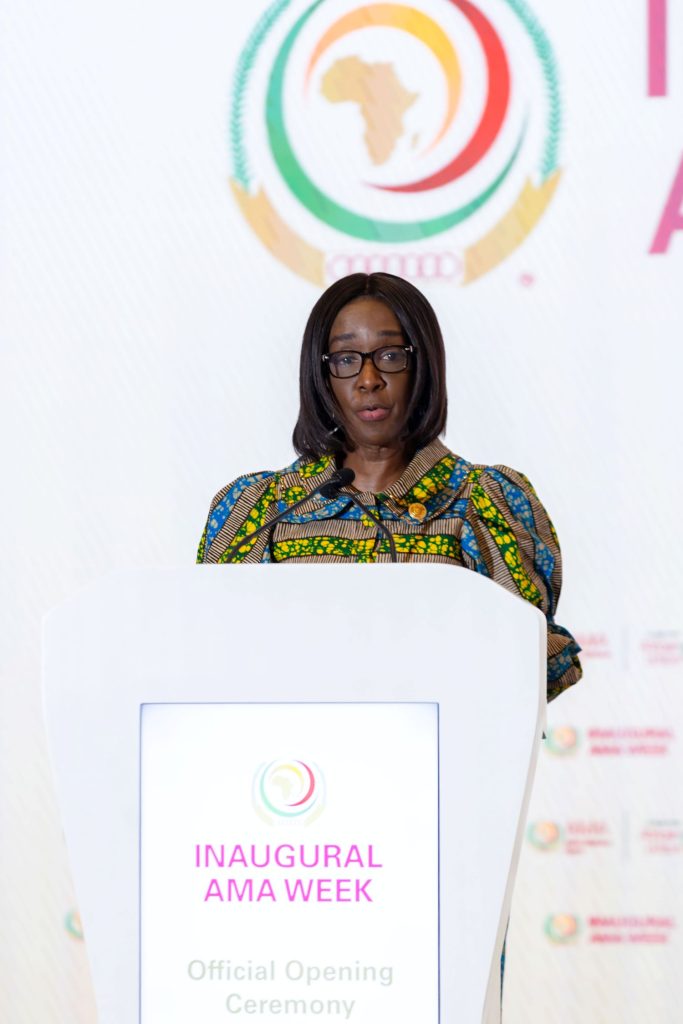
Speaking at the inauguration in Kigali on October 26, 2026, AMA Director-General Dr. Delese Mimi Darko described the committees as an important step in building the agency's scientific capacity.
“With the inauguration of our Technical Committees, we are building an African regulatory institution that belongs to Africa, serves Africa and contributes confidently to the world,” she said.
Darko added that the experts would provide the scientific rigour needed to support regulators across the continent and protect patients who depend on medical products.
Dr. Yossounon Chabi, chairperson of the AMA Governing Board, said the committees would contribute to building a regulatory system that is efficient, transparent and responsive to public health needs.
Their members were selected through an open, competitive and merit-based process following a continent-wide call for expressions of interest. They will serve as individual experts in an independent scientific capacity.
AMA, headquartered in Kigali, aims to strengthen cooperation among national regulatory authorities, allowing countries to share scientific assessments and make regulatory decisions more efficiently. Such cooperation is also expected to help manufacturers navigate regulatory requirements across multiple African markets.
For researchers developing medicines and vaccines, stronger regulatory cooperation could provide earlier scientific guidance, while manufacturers could benefit from clearer regulatory expectations and more predictable routes to market.
The committees form part of wider efforts to build a coordinated continental regulatory system while strengthening national regulatory authorities and regional cooperation.
Two hubs to support regulatory capacity and innovation
The inauguration took place during AMA Week, running from October 25 to 30 in Kigali, which also featured the launch of two hubs designed to strengthen regulatory capacity and support medical product development and manufacturing in Africa.
The Capacity Strengthening Hub will coordinate training, mentoring, peer learning and professional attachments to address gaps in regulatory expertise across the continent.
It will draw on existing African expertise, including national regulatory authorities that have achieved Level 3 maturity under the World Health Organization's regulatory benchmarking system, as well as Regional Centres of Regulatory Excellence and established regulatory networks.
The second initiative, the Regulatory Innovation and Manufacturing Readiness Hub, will engage innovators and manufacturers earlier in the product development process, helping them understand regulatory requirements and prepare to meet standards for quality, safety and effectiveness.
The hub is also intended to strengthen links between product development and regulatory readiness, supporting efforts to expand Africa's capacity to develop and manufacture medical products.
Darko said the agency wanted more research, including early-stage clinical trials, to take place in Africa and address the continent's health needs.
“Africa must also develop products that can serve Africa and compete confidently in the world,” she said.
Rwanda's State Minister for Health, Dr. Yvan Butera, said the two hubs would help strengthen regulatory institutions and support African manufacturers in bringing quality medical products to market.
"At the heart of healthcare is the simple promise that treatment will help, and that the medicines people receive are safe and of good quality," he said, adding that protecting public trust required countries to strengthen their regulatory systems and work together.










Loading comments...
Leave a comment